
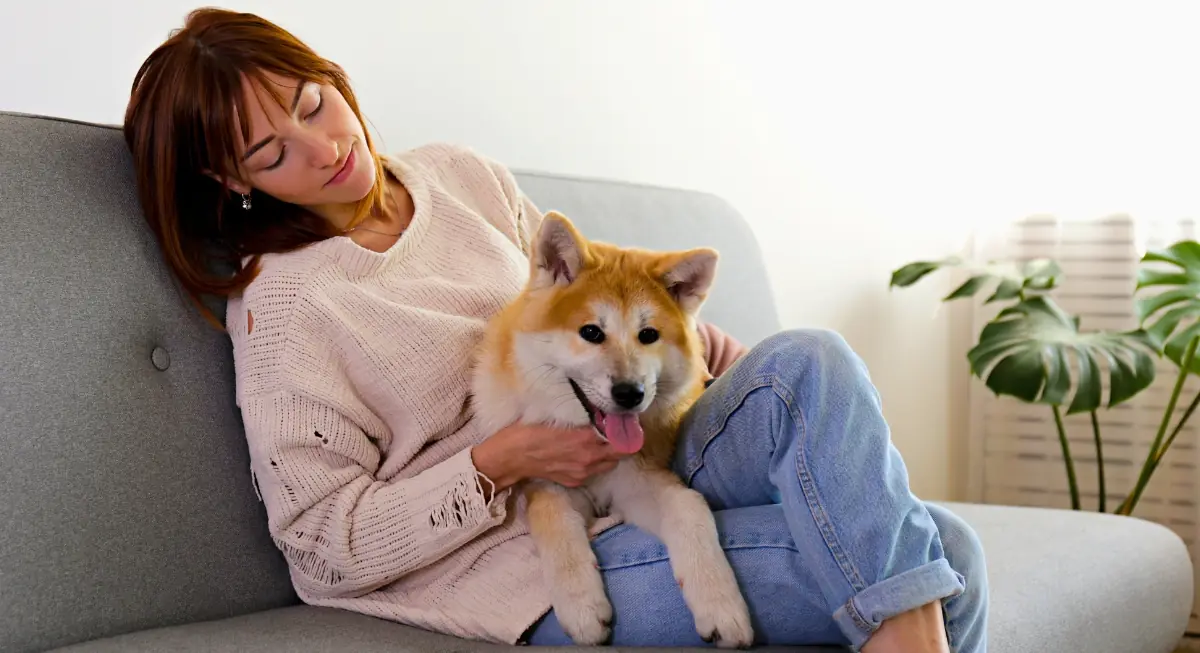
Every dog loves attention, but a few would happily cancel the competition altogether. These breeds were shaped by centuries of guarding, hunting, or close human companionship, and their history still shows in their behavior at home. When another pet enters the picture, these pooches can become possessive or overstimulated. Give them a solo role, and they often calm down, settle into routines, and bond more deeply. For people who prefer a one-dog household, these breeds feel right at home being the only pet.
Akita
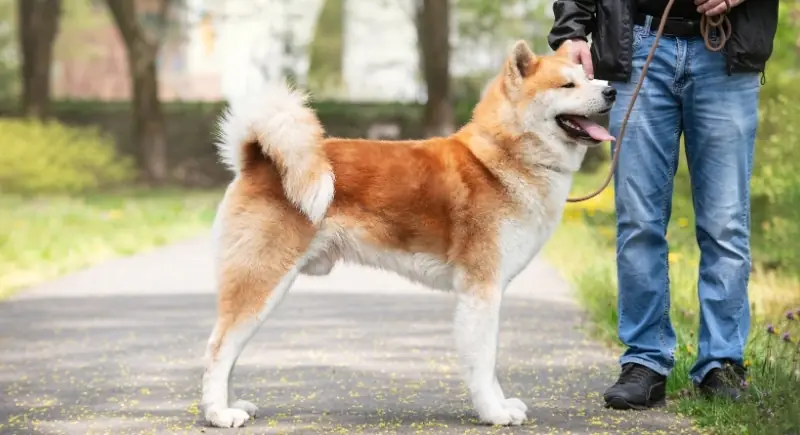
This breed was developed in Japan for hunting and guarding. That explains why they have such a strong sense of independence. Akitas bond intensely with their people and often show little interest in canine friendships. In a one-pet home, this pup usually settles into a steady, loyal routine and feels more secure.
Chow Chow
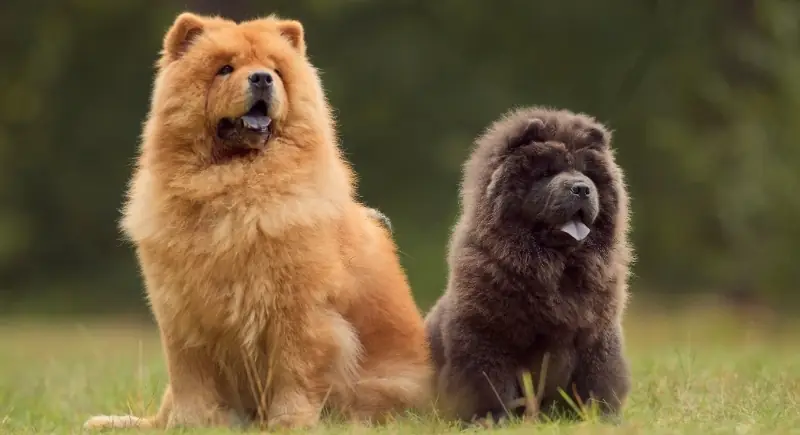
If you want a dog that acts more like a dignified roommate than a playful pet, get a Chow Chow. They were bred to guard homes and livestock, so they naturally value personal space. These dogs tend to tolerate family members while ignoring outsiders, including other animals. A solo household keeps them relaxed and reduces resource guarding around food, toys, and sleeping spots.
Shar-Pei
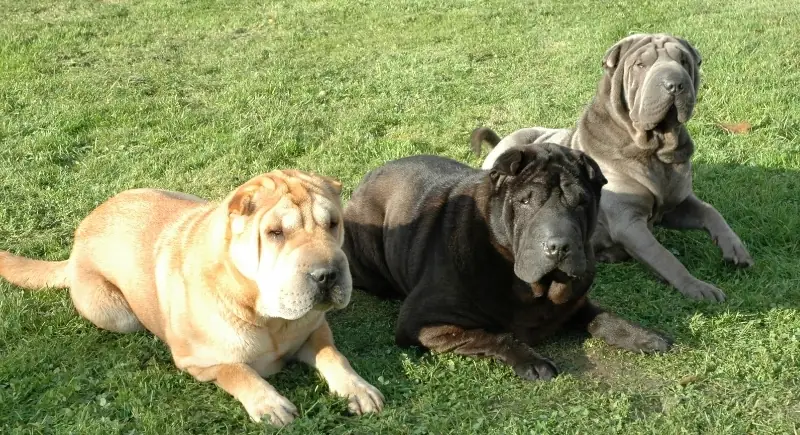
Shar-Peis were once farm guardians, and that job left them naturally cautious. They are typically clean and quiet, with a somewhat catlike behavior. Sharing space with another pet can trigger defensive instincts. When kept as the only animal, Shar-Peis focus fully on their family and maintain a calmer temperament indoors.
Cairn Terrier
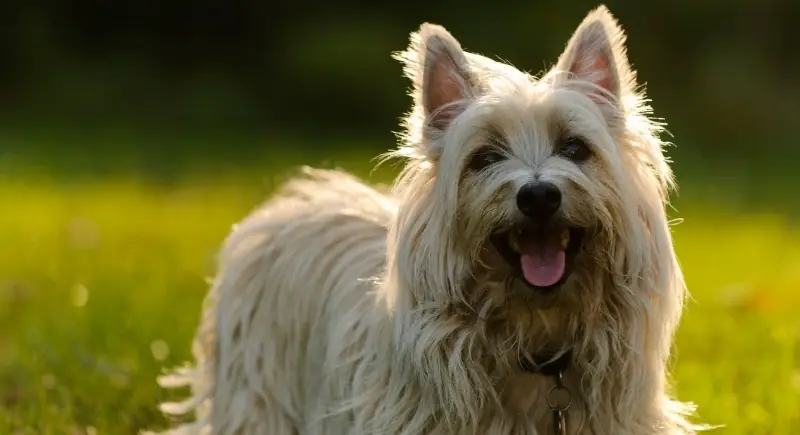
Small size does not equal small opinions, and Cairn Terriers have plenty of both. Having been bred to chase vermin, they have a strong prey drive and a desire to rule their territory. Many do better without another animal in their home, testing their boundaries.
Chinese Crested
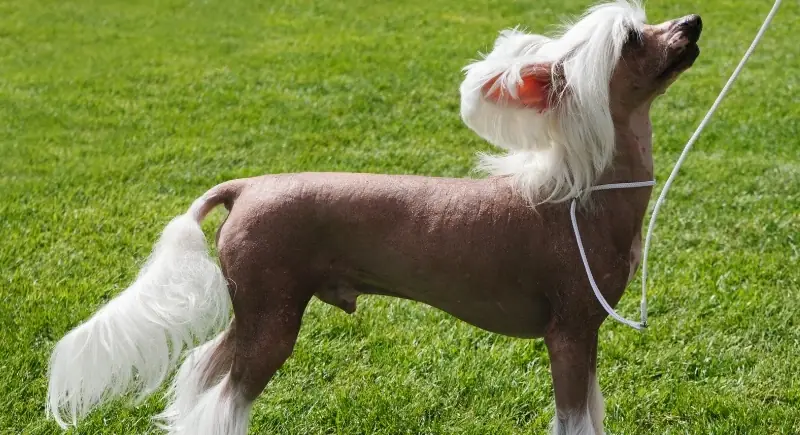
This breed thrives on attention and emotional closeness. Chinese Cresteds tend to bond intensely with one person and can become jealous if affection is divided among multiple people. They often prefer laps to playmates. Being the only pet reduces anxiety and helps them stay emotionally balanced in daily routines.
Dogo Argentino
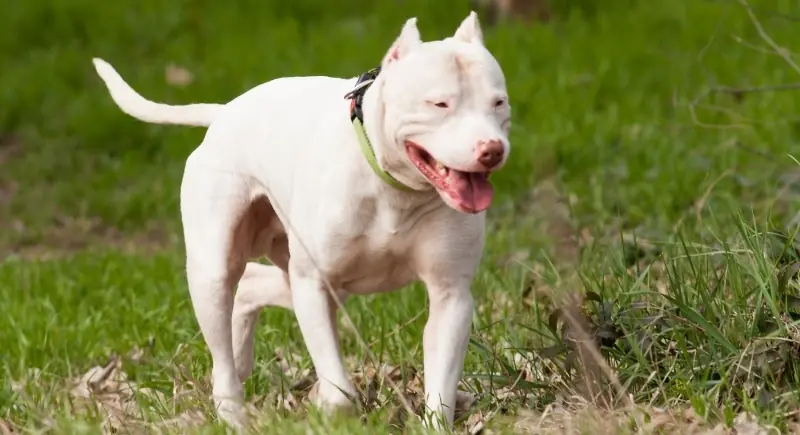
Originally bred for big-game hunting, this is a powerful and confident dog. Dogos often have a strong prey drive and a tendency toward dominance, especially toward unfamiliar animals. A single-pet household prevents territorial conflicts. With people, they are affectionate and loyal when given consistent training and structure.
Irish Terrier
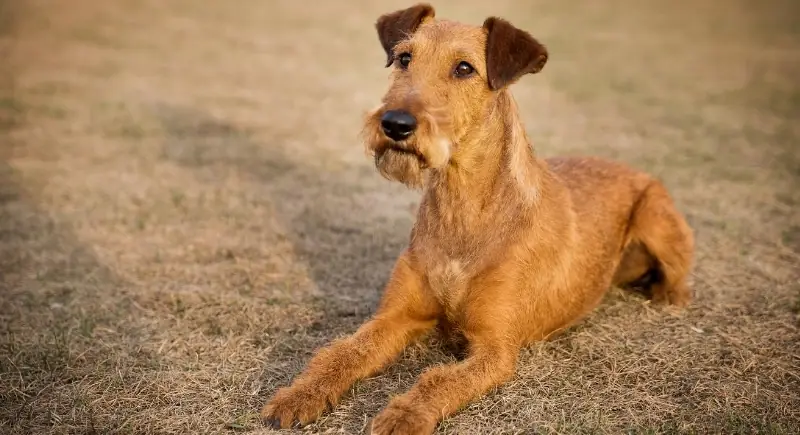
Irish Terriers are bold and reactive when challenged, including by other pets. They tend to be devoted family dogs but prefer controlling their space. Without animal competition, they are easier to manage and more focused on human interaction. This breed earned a reputation for fearlessness while hunting and guarding, after all.
Miniature Pinscher
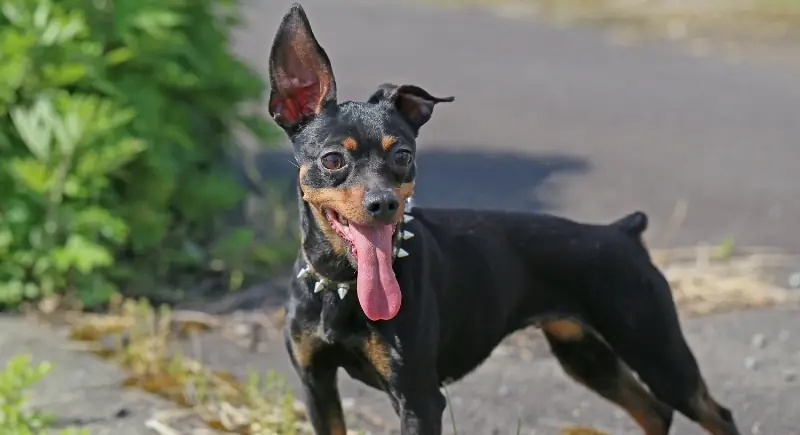
Often described as a big dog in a small body, the Miniature Pinscher likes to supervise everything. These confident pooches are alert and very routine-oriented. Other pets disrupt that sense of control, and as an only pet, they settle into predictable habits and bond closely with their household.
Schipperke
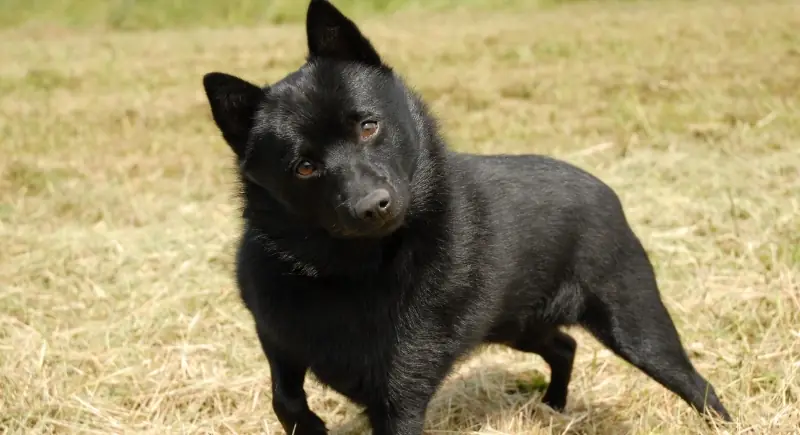
Schipperkes started out as watchdogs, so they take that role seriously by constantly patrolling their home and reacting quickly to changes. If there’s another animal there, they can often feel like an intruder. Best to have them in your home alone, so they can relax without feeling responsible for managing the entire household hierarchy.
Tosa Inu
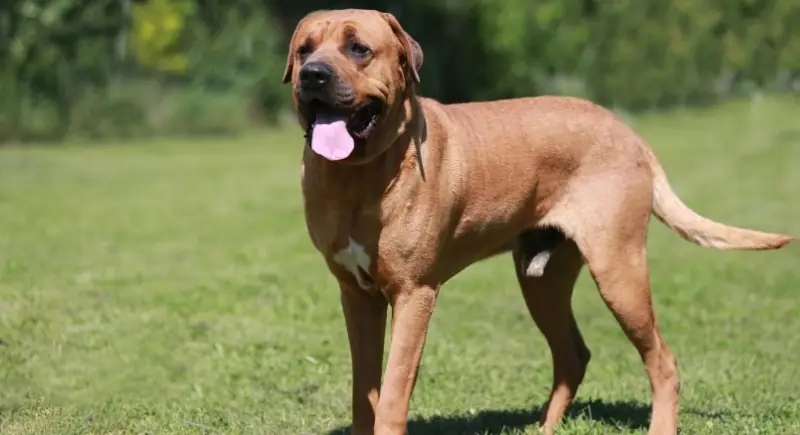
This rare Japanese breed was developed for controlled combat, which shaped its calm but dominant nature. Tosas are disciplined and reserved, yet highly loyal to their families. They tolerate little disrespect from other animals.





