

Inside Philadelphia prisons, the most anticipated visitor is a dog. Therapy dog programs are now built into prison life; they help staff manage tension and give inmates rare moments of emotional reset. These programs exist because facilities needed practical mental health support tools that actually work in high-pressure environments.
Partnership Programs Driving Change

Getting a therapy dog inside a prison takes planning long before the dog ever walks through the door. The Philadelphia Department of Prisons coordinates closely with YesCare medical teams and Comfort Caring Canines to decide which housing units receive visits and when. Dogs move through security screening, and most visits happen during counseling hours, when emotional stress tends to peak.
Science Behind Human And Dog Interaction
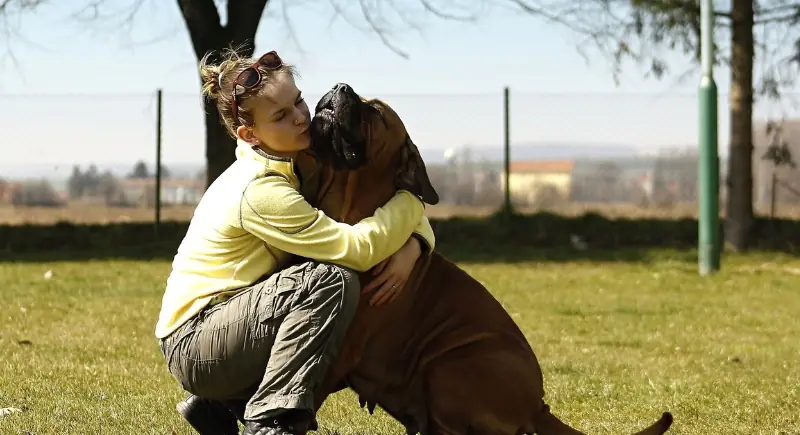
The shift can happen in minutes once someone starts interacting with a calm, trained therapy dog. Stress hormones like cortisol drop, while oxytocin levels rise. For people living in high-alert environments like prison, even short interactions can help. In some cases, ten minutes with a therapy dog can interrupt panic or anger cycles tied to confinement stress.
Real Case Observations Inside Facilities

In one Canadian forensic psychiatric program, a therapy boxer named Kisbey repeatedly avoided sitting near one participant during group visits. Staff later learned that the person was dealing with intense emotional distress but had not said anything yet. Similar moments happen in prison programs, where dogs sometimes pick up on agitation before staff sees it.
Prison Puppy Raising And Rehabilitation Outcomes

In certain housing units, a puppy’s feeding time can dictate an inmate’s entire daily schedule. Some inmates are selected to raise future service dogs full-time. Their days revolve around feeding schedules, training sessions, exercise routines, and vet check prep. Long-term tracking programs have reported recidivism rates under 5% in some groups.
Training Standards For Therapy Dogs

Before a therapy dog ever steps inside a correctional facility, it has already been trained in environments designed to mimic the unpredictability of prison life. Dogs learn to stay calm around loud metal doors, shouting, and unfamiliar crowds. Many programs require Canine Good Citizen certification or similar testing. This preparation protects the animals, inmates, and staff during facility visits.
How Visits Are Structured
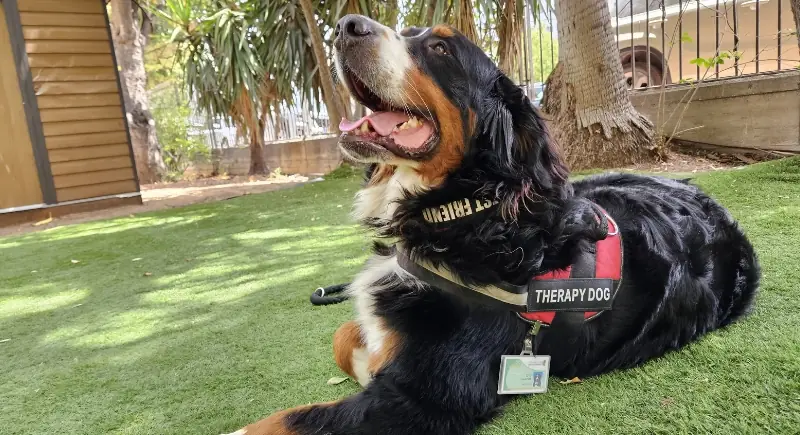
On therapy dog days, schedules inside the prison shift slightly. Small group rooms and counseling offices are cleared, chairs are spaced out, and officers escort participants in short rotations. Sessions can last anywhere from fifteen minutes to an hour. Most participants volunteer, though staff sometimes recommend visits during periods of emotional instability.
Safe Physical Contact And Emotional Stability

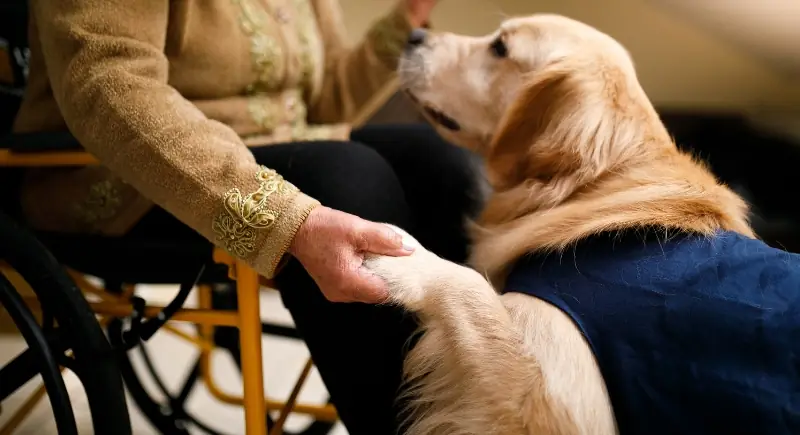
Physical contact is tightly regulated inside correctional facilities, which makes therapy dog interaction stand out immediately. Inmates are allowed controlled touch, such as petting or brushing, actions that rarely happen elsewhere inside. That brief contact often lowers heart rate and muscle tension. Medical staff reports calmer behavior during appointments scheduled after dog visits.
Changing Social Atmosphere Inside Units
When therapy dogs arrive, housing units tend to quiet down without being ordered to. Officers notice fewer shouted conversations and slower movement through common areas. Staff from different roles often pause to greet the dogs. Administrators track these days as lower-tension periods inside the unit.
Behavior Changes Linked To Participation
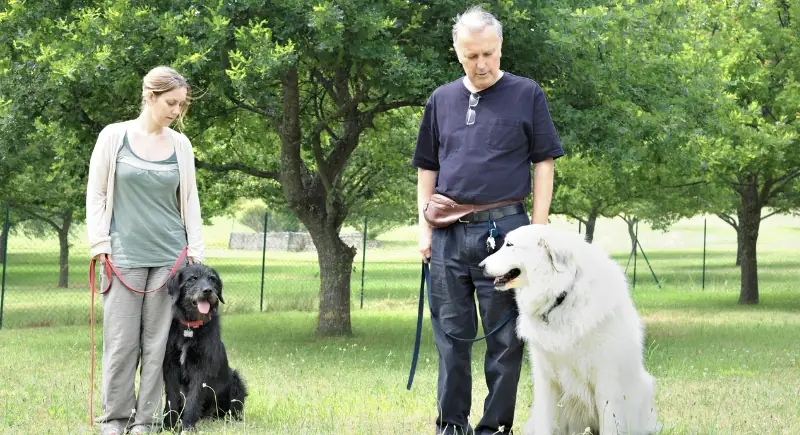
Some participants begin preparing for therapy dog visits days in advance. Staff reports people cleaning their living spaces, attending required programs, and managing their behavior more carefully. Access to visits becomes something to protect. Dogs act as motivation anchors, encouraging consistency in daily routines that are otherwise difficult to maintain during incarceration.
Future Research And Expansion Plans
Behind the scenes, healthcare teams log visit attendance, behavioral incidents, and medication adjustments tied to therapy dog programs. Researchers are now studying hormone shifts and treatment cooperation during these sessions. Several Philadelphia facilities are expanding schedules as administrators seek mental health tools that work within strict security and staffing realities.





