
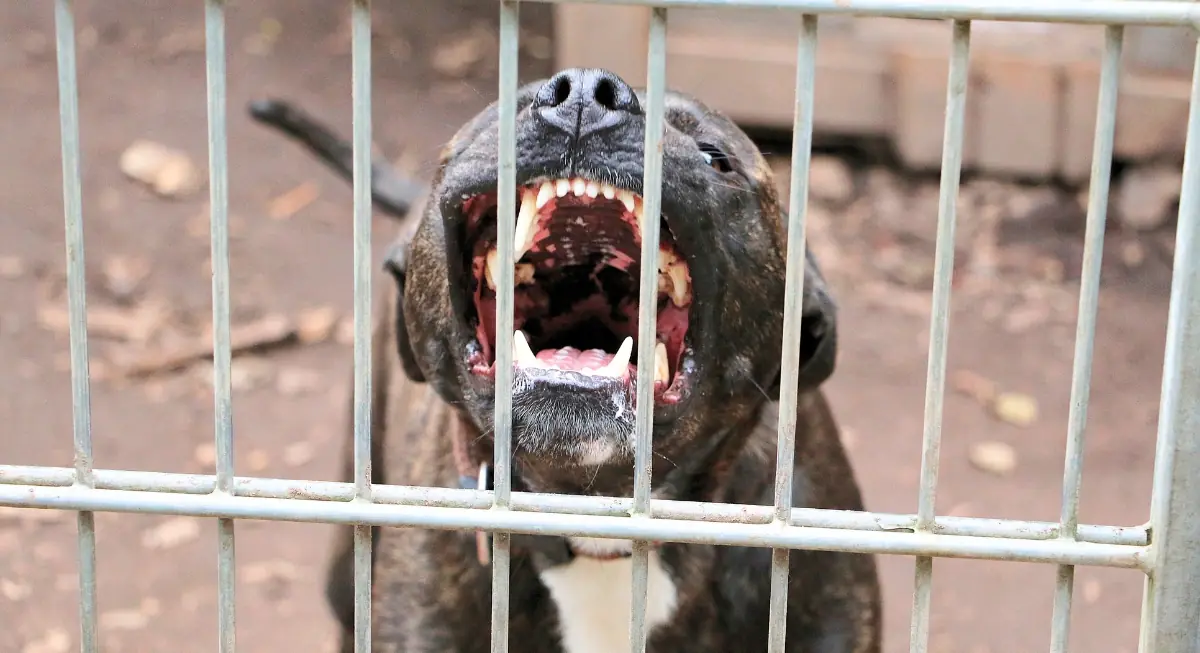
Pit bulls often spark debate and sometimes fear wherever they go. The numbers, history, and behavior of this breed point to a pattern that’s hard to ignore. No matter how you frame it, pit bulls come with baggage that makes them unique among dogs. Here’s a closer look at the reasons experts, laws, and communities take this breed seriously.
A Bite That Doesn’t Let Go

Plenty of dogs bite, but pit bulls are known for biting and not letting go. What makes it worse is that they often thrash while holding on. Researchers estimate that their jaw strength exceeds 230 PSI, and victims usually struggle to break free without help.
Attacks Can Happen Without Warning
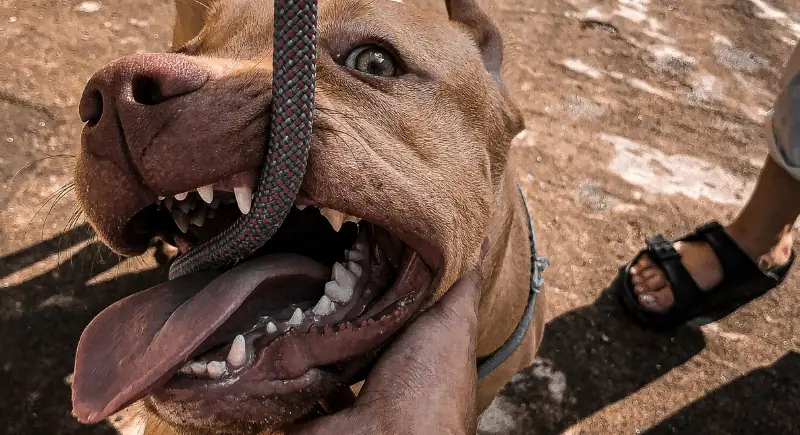
Pit bulls don’t always send a warning before they attack you or another dog. That unpredictability is part of what makes them so dangerous in homes or public settings, especially when young kids are around.
The Numbers Paint a Clear Picture
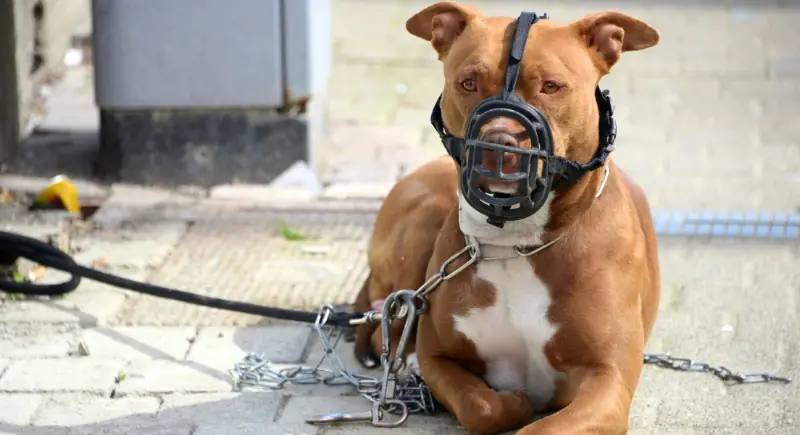
Between 2005 and 2021, pit bulls were linked to over 570 cases in the U.S.—more than half of all fatal dog attacks—despite making up only around 6% of the total dog population. That’s based on data collected by groups like DogsBite.org and referenced in peer-reviewed studies.
They Were Bred to Fight

The breed traces back to bull-baiting and dog fighting, and that history matters. Generations of selective breeding built their aggression and tenacity. While modern pit bulls aren’t used in rings nearly as often, those traits didn’t disappear. They’re baked into the breed’s DNA and show up in behavior today.
Pain Tolerance Sets Them Apart

Hitting, kicking, or using pepper spray doesn’t always work during a pit bull attack. The breed shows an unusually high pain tolerance due to elevated endorphin levels. That’s why encounters involving pit bulls often last longer and end worse. They keep going even when most dogs would back off.
Victims Often Need Reconstructive Surgery

Medical journals and hospital case studies show that pit bull attacks commonly result in complex reconstructive procedures, especially to the face and limbs. Unlike a typical bite requiring stitches, these injuries often require grafts, plates, or multiple surgeries.
Dog Fighters Still Favor Pit Bulls
Despite dog fighting being illegal, it hasn’t vanished. And pit bulls remain the top pick among those involved. Their strength, loyalty, and refusal to surrender are prized in those underground rings. Many rescued fighting dogs sadly end up unadoptable due to extreme aggression and trauma.
Fatalities Involve Familiar People

One of the more unsettling truths is that fatal pit bull attacks often involve someone the dog knows well. In many cases, it’s a family member, neighbor, or child in the home. Unlike other breeds that react to perceived threats, pit bulls have been known to turn on familiar faces.
Officers Are Forced to Intervene More Often
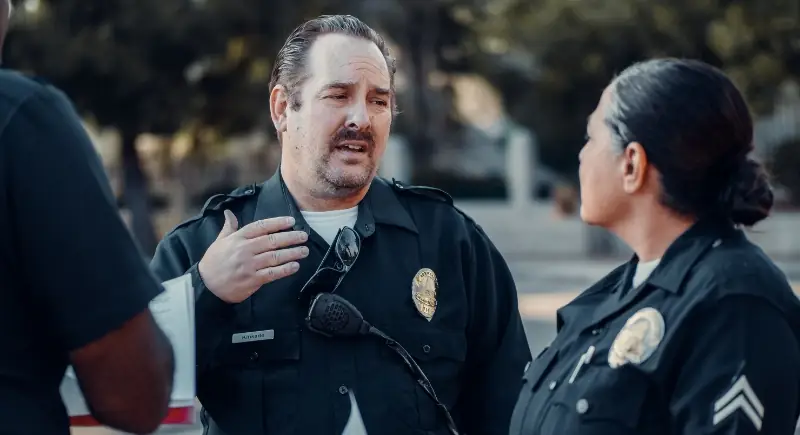
Law enforcement officers regularly find themselves having to target pit bulls during attacks. According to records in multiple U.S. cities, pit bulls make up a majority of the dogs attacked by officers in self-defense or to protect others.
Pit Bulls Are Linked to Illegal Cases

During raids on illegal operations, pit bulls are frequently found guarding illegal camps or chained in yards. It’s not that they’re born bad, but their image, strength, and aggression make them attractive for intimidation. These dogs are often malnourished, scarred, and traumatized when seized.
Pit Bulls Are Overrepresented in Severe Attacks on Other Dogs
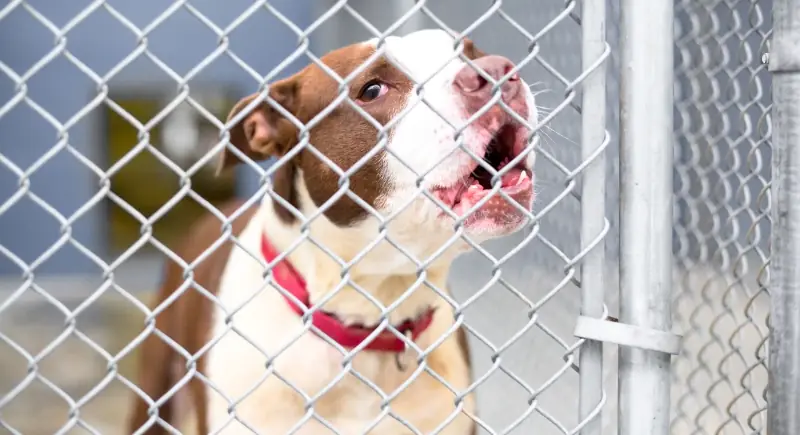
Not all danger is directed at humans. Pit bulls are behind a large percentage of dog-on-dog maulings. Animal control agencies report that pit bulls are disproportionately responsible for fatal attacks on other pets, often breaking through fences or slipping leashes to initiate fights.
Shelter Staff Consider Them Harder to Rehabilitate

Trainers and shelter workers often describe pit bulls as less responsive to rehabilitation after aggression. While other dogs may improve with socialization, pit bulls showing violent tendencies frequently remain unpredictable. That reduces adoption chances and increases euthanasia rates.
Most Insurance Companies Flag the Breed

Homeowners’ and renters’ insurance policies often exclude pit bulls or charge significantly higher premiums for households that own them. The high volume of claims involving pit bulls has made them a financial liability in the eyes of the insurance industry.
Breed Popularity Among Unlicensed Breeders

Due to their popularity and street demand, unregulated backyard breeders often focus on pit bulls. These breeders rarely screen for temperament or health, which leads to litters with unstable, unpredictable behavior. The lack of responsible breeding contributes directly to the rising number of violent incidents.
Breed Advocacy Often Downplays Incidents

One reason pit bulls remain dangerous is the culture surrounding their defense. Online communities and advocacy groups sometimes minimize severe attacks by blaming victims or labeling the dogs “mixed breed” to protect the pit bull label. This misinformation slows policy response and keeps the public less informed about actual risks.
Breed Misidentification in Bite Statistics
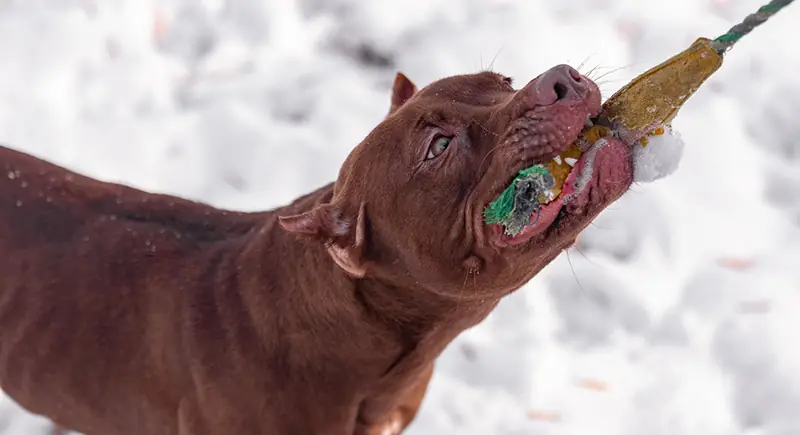
Dog bite reports can get messy fast. A witness may call any stocky, short-haired dog a pit bull, even when no one checks its breed. That matters. The label follows the story, then the story feeds the numbers, and the fear grows before the facts catch up.
Responsible Ownership Influences Bite Risk

A dog’s surroundings shape its behavior. Research links poor training, lack of socialization, inadequate supervision, chaining, neglect, and irresponsible ownership with a higher risk of serious bites across many breeds. Those factors cannot erase inherited traits, but they remain part of the picture when experts investigate attacks.





