

A surprising number of plants that appear in homes and gardens contain chemicals that can seriously harm dogs. Curious pets often explore plants, and chewing on leaves, flowers, or bulbs can expose them to toxins that irritate the digestive system, affect the heart, or damage vital organs.
Some plants cause mild vomiting, while others can lead to seizures or organ failure if enough is consumed. You should know which plants pose a risk so that you can prevent accidents before they happen or respond quickly if they do.
Sago Palm
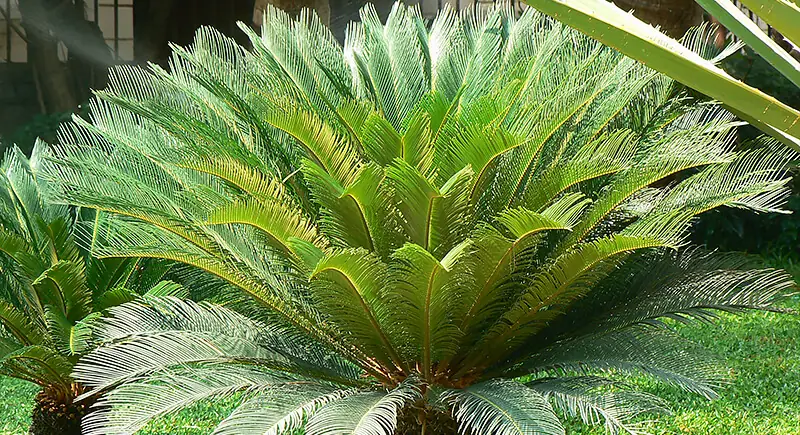
This plant turns a decorative choice into a high-stakes mistake. Sago palm is routinely singled out by veterinarians as one of the most dangerous ornamental plants for dogs. Even small amounts can trigger severe poisoning because every part of the plant contains toxic compounds. The seeds are especially hazardous. Vomiting usually comes first, but the bigger threat is what follows: liver injury severe enough to become life-threatening.
Oleander
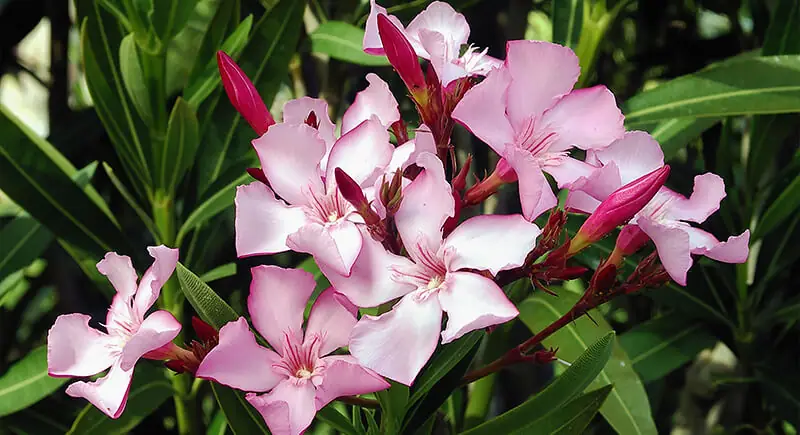
Warm-climate gardens love oleander because it handles heat well and flowers generously in striking clusters. Despite their beauty, leaves, flowers, and stems all contain powerful toxins that interfere with the heart’s electrical activity. Severe exposure can lead to seizures or collapse, which is why oleander poisoning is taken far more seriously than a routine stomach upset, even if it could initially look that way. A dog that has chewed this shrub needs immediate veterinary attention, not observation at home.
Lily of the Valley
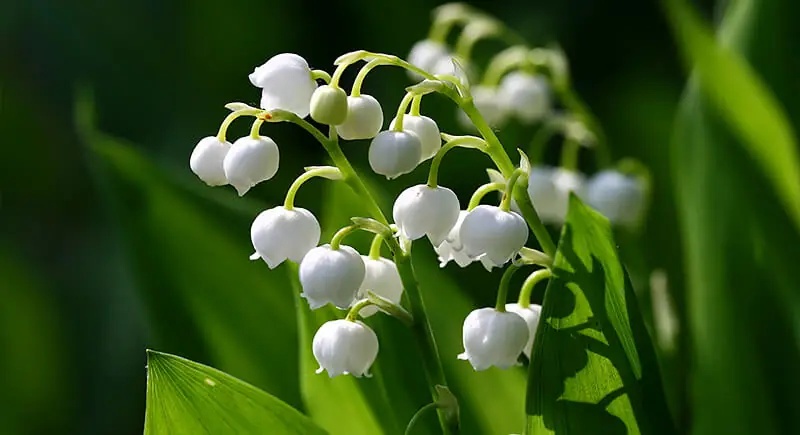
As harmless as this plant’s delicate bell-shaped flowers may seem, they hide a potent danger. Lily of the valley contains cardiac glycosides, the same class of compounds that can disrupt normal heart rhythm. This moves it into a far more dangerous category than most spring flowers. Interestingly, the bright red berries that appear after flowering are particularly tempting to curious animals. But ingesting them can affect a dog’s pulse and cardiac stability.
Rhododendron and Azalea

These shrubs are common in ornamental landscaping, and they become especially dangerous when their petals and leaves fall within reach. Their toxins affect the nervous system and the digestive tract simultaneously, so the pattern can move from drooling and vomiting to weakness, poor coordination, and, in larger amounts, heart problems. Veterinarians advise immediate treatment.
Foxglove
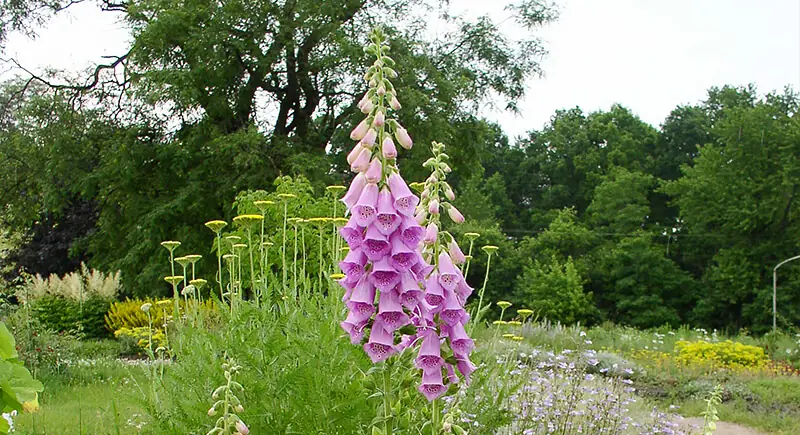
Foxglove grow tall spikes of purple, pink, or white tubular flowers that attract bees and hummingbirds. Vets worry about it attracting your dogs for a different reason entirely. The plant naturally produces compounds similar to digitalis, a medication used in human heart treatments. For a dog, this may cause tremors and collapse.
Autumn Crocus
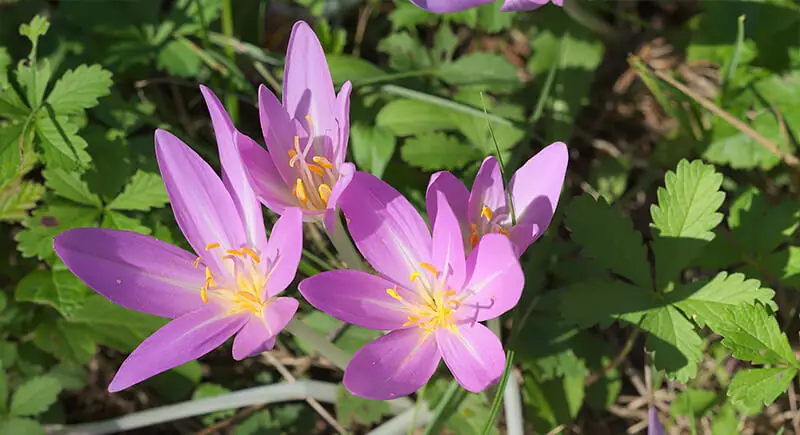
Dogs that chew on this plant may not show symptoms right away, which makes the danger easy to overlook. Unlike spring crocuses, the autumn crocus contains a powerful toxin called colchicine. Over time, the toxin can trigger internal organ damage. Symptoms can appear hours or days after ingestion, so you have to be on alert for the first signs of stomach discomfort if you have this plant around, especially if you don’t directly see the dog eat it.
Tulips

Tulip flowers get all the attention, but the bulb is the real issue. Dogs that enjoy digging are the ones most likely to get into trouble because the greatest concentration of the irritating compounds are below ground. A chewed tulip bloom is not ideal; a dug-up bulb is far worse. Tulip poisoning is particularly common during the spring planting season when freshly planted bulbs are easy for pets to uncover.
Hydrangea
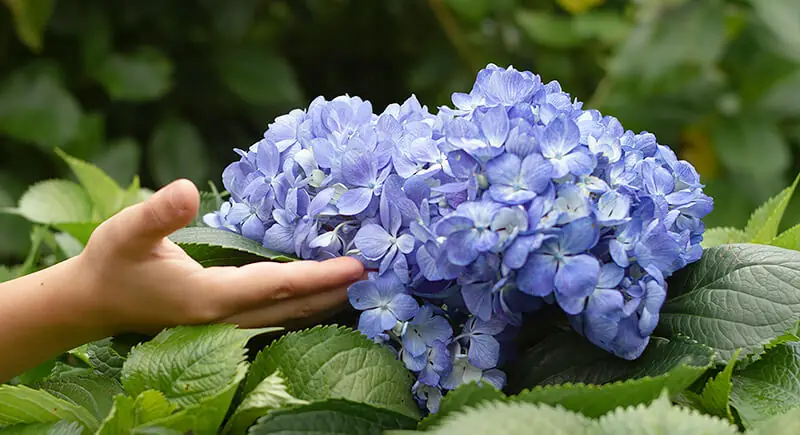
Hydrangea poisoning symptoms are often less dramatic than with foxglove or oleander. It is still worth highlighting because it is so common in yards, and the leaves and flowers can make a dog sick. Vomiting, diarrhea, and lethargy are enough to create a miserable day and, in some dogs, a dehydration problem that needs treatment.
Bluebells

Bluebells are easy to dismiss because they feel like part of the background, especially on walks or in lightly landscaped areas. That familiarity is exactly why they matter. A dog does not need to raid a flower bed for the plant to become a problem. A roadside nibble can be enough to start symptoms. The bulbs contain toxins that can affect both the digestive system and the heart.
Ivy
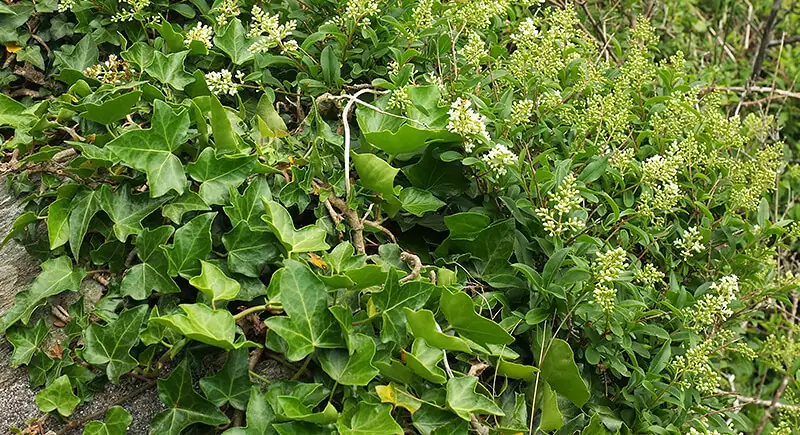
Many homes use ivy as ground cover or decorative climbing vines along fences and walls, and avoiding it is not always simple. Ivy creates a different kind of danger because exposure is not limited to chewing. Dogs that eat it can develop vomiting, drooling, and digestive upset, but contact alone can also irritate the mouth or skin. Some varieties of ivy can also cause swelling in the tongue or throat after ingestion.
Aloe Vera
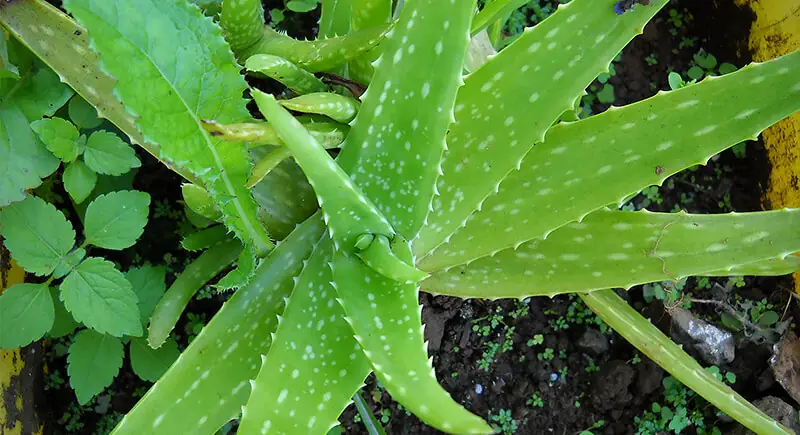
People keep aloe vera around precisely because they think of it as medicinal. That human reputation does not carry over to dogs. Aloe vera is famous for its soothing gel, often used to treat minor burns. The outer leaf, however, can trigger gastrointestinal issues when chewed, whether by humans or dogs. Because aloe plants are commonly kept indoors, dogs often encounter them on low windowsills or tables.
Philodendron
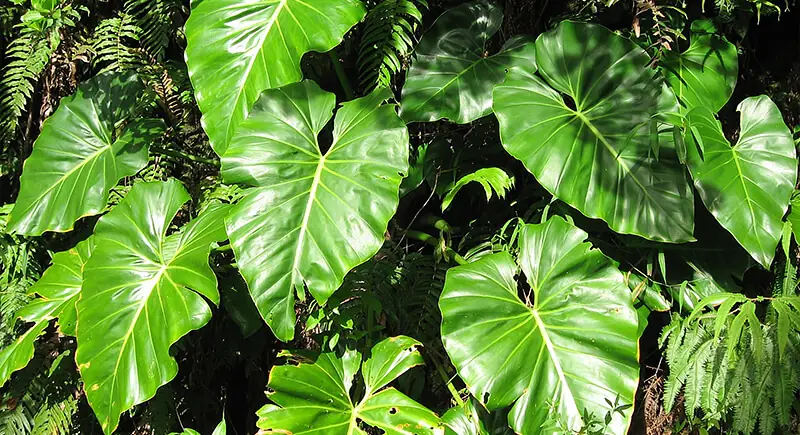
Philodendron is one of the most realistic household hazards because so many people already own one, as it is easy to care for. However, its calcium oxalate crystals cause immediate irritation when a dog bites into the leaf, so the response is often dramatic: drooling, pawing at the mouth, and retching. Owners sometimes mistake that for choking because the discomfort starts so quickly. Although the effects are usually not life-threatening, they can cause significant discomfort.





