
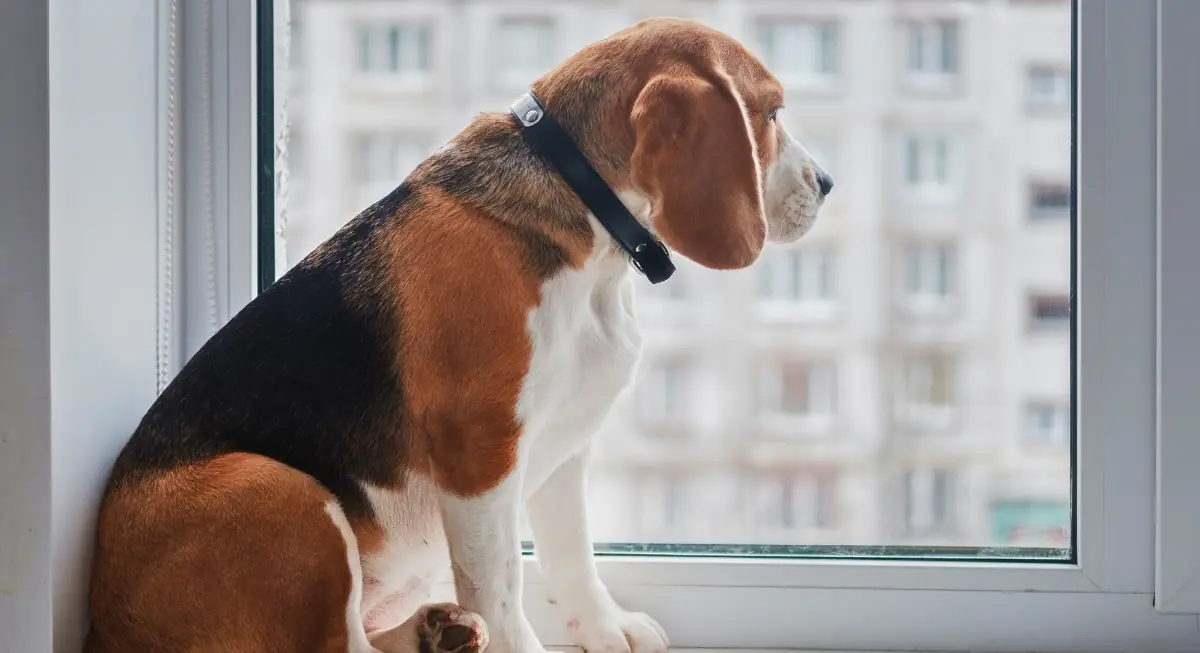
No one likes to be left behind, especially not your dog. For pups that struggle with being alone, separation anxiety turns even short departures into full-blown meltdowns. Fortunately, small changes in routine and environment can make a big difference. These tips combine expert-backed techniques, clever distractions, and low-stress habits to help your dog feel more secure when you’re away.
Start With a Vet Check

Before assuming the problem is behavioral, it helps to rule out medical causes. A dog who paces, drools excessively, or has frequent accidents might be dealing with something physical. Vets help distinguish true anxiety from other conditions, especially if they can review videos of how the dog behaves alone.
Stick to a Predictable Routine
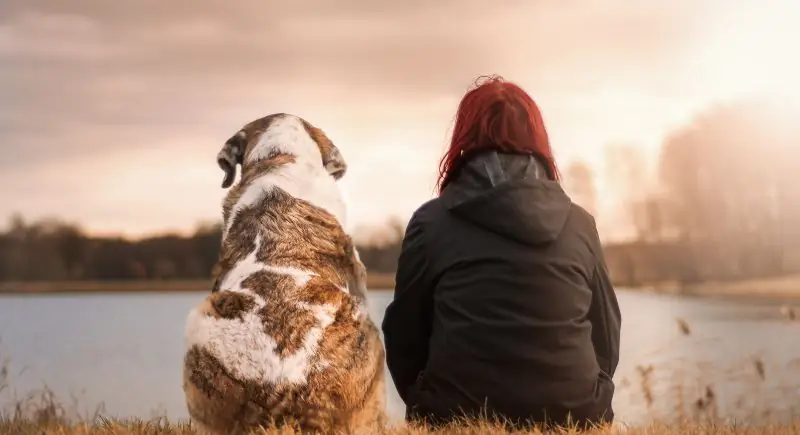
Dogs love consistency more than surprises. A predictable rhythm gives them a sense of security and reduces the chances that changes in your availability feel alarming. Even weekend schedule shifts can throw them off, so try to keep things steady.
Skip the Dramatic Goodbyes
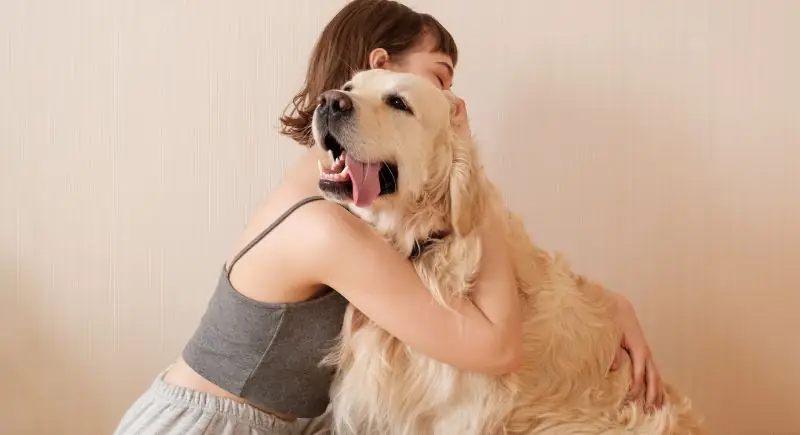
High-energy exits and over-the-top greetings make your comings and goings more stressful. Keep departures low-key and ignore them for the first few minutes when you return. This helps them learn that leaving isn’t a big deal, and neither is coming back.
Use Food Puzzles as Distractions
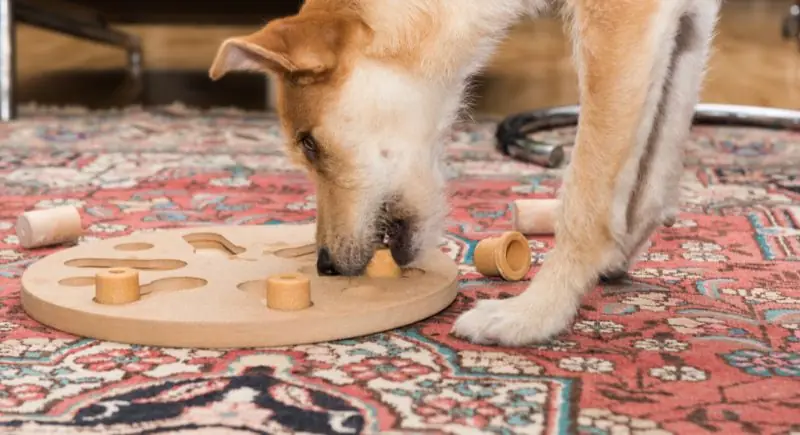
A well-stuffed food puzzle or frozen treat works wonders. Giving them a peanut butter-filled toy or a kibble-stuffed feeder just before you leave shifts their focus from your exit to solving a tasty problem. Only offer these treats during alone time so they associate your absence with something positive.
Change the Meaning of Departure Cues
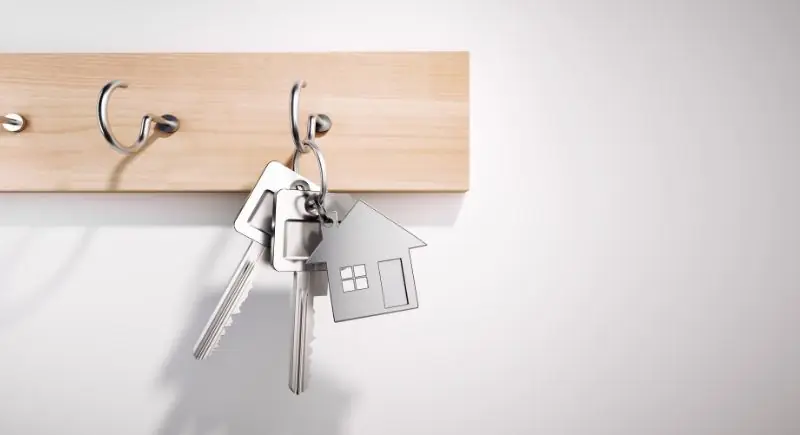
Dogs often pick up on routines before they happen. Keys jingling or shoes going on can become cues that spark worry. Repeating those actions without leaving; picking up keys and sitting back down, for instance, reduces their power over time and lowers anticipatory stress.
Leave Music or Background Sound On
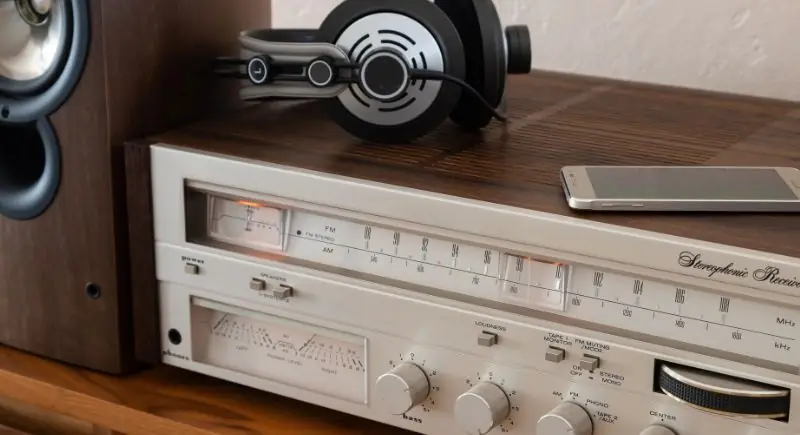
Complete silence sometimes amplifies a dog’s awareness of outside noises. Playing music, white noise, or a familiar voice helps fill that quiet. There’s no need for anything fancy. Just a consistent, low-level sound can make a house feel less empty.
Try a Pressure Wrap
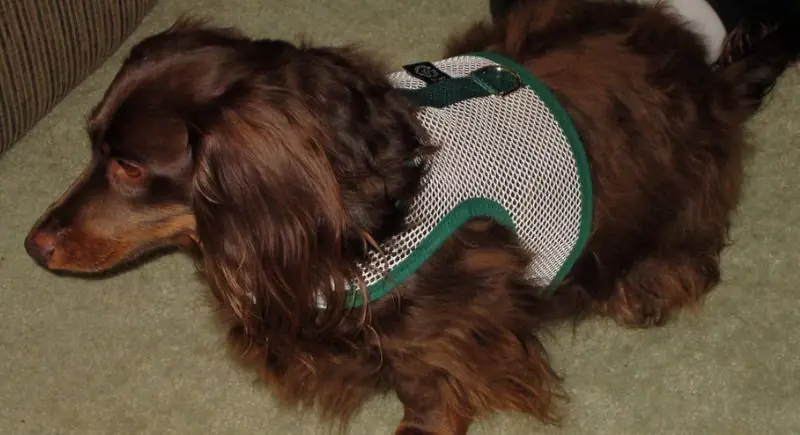
For some dogs, wearing a snug-fitting vest has a calming effect. The light pressure creates a grounding sensation, almost like being held. It doesn’t work for every dog, but it’s simple and often harmless, provided the fit is comfortable.
Offer Something That Smells Like You
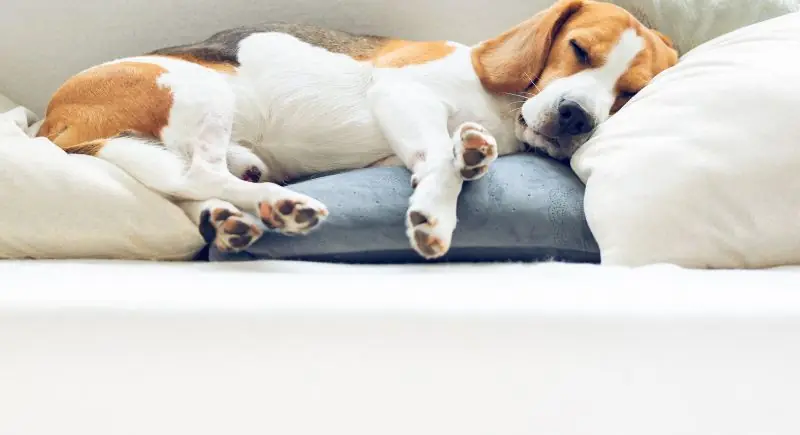
Items that carry a familiar scent, like an old sweatshirt, provide some comfort. Smell plays a big role in how dogs experience the world. Leaving behind something that smells like home may help bridge the emotional gap when you’re gone.
Don’t Punish the Aftermath
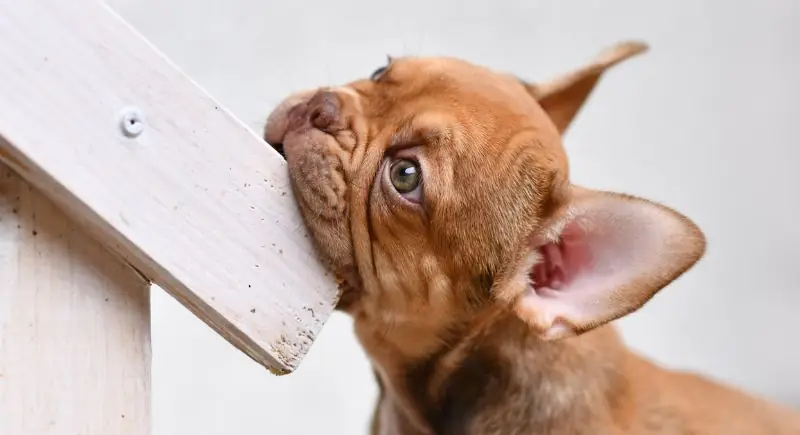
Chewed furniture or scratched doors might seem like disobedience, but for dogs with anxiety, it’s panic. Scolding afterward won’t connect in their minds. It often just adds fear to the mix. Focusing on preventing the stress that leads to the behavior is more effective.
Build Up Time Apart Slowly
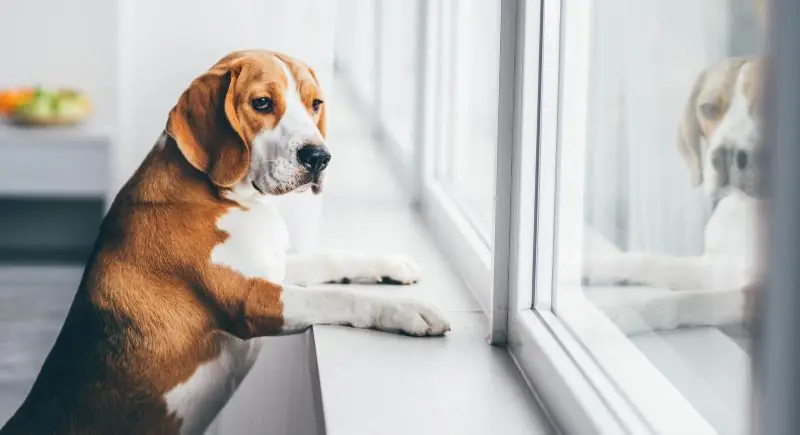
Going from always together to suddenly gone for hours feels jarring. Start by stepping away briefly, then increase the length in small increments. If they can handle a few calm minutes alone, that’s a solid foundation to build on. It takes time, but it’s worth it.
Include Physical Activity
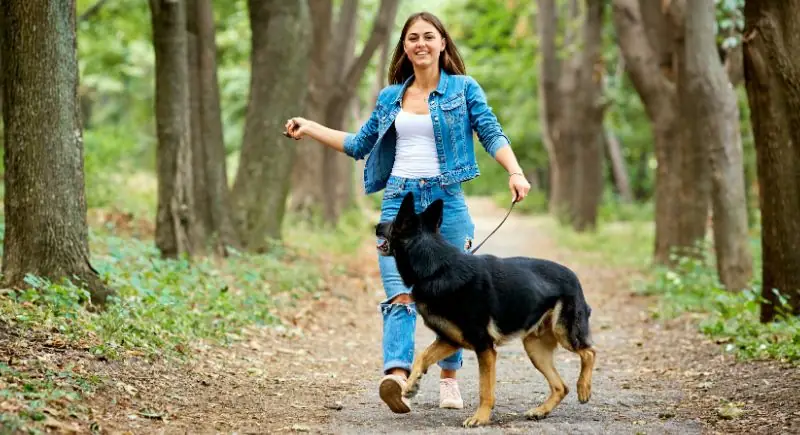
Exercise doesn’t fix anxiety, but it does help release energy and improve mood. A walk or playtime before leaving might leave your dog more content to rest. The aim isn’t to exhaust them but to take the edge off.
Use Synthetic Pheromones

Some owners find that products mimicking calming pheromones available as sprays, diffusers, or collars create a more relaxed environment. Reactions vary, so it’s a matter of trying and observing.
Rethink the Crate
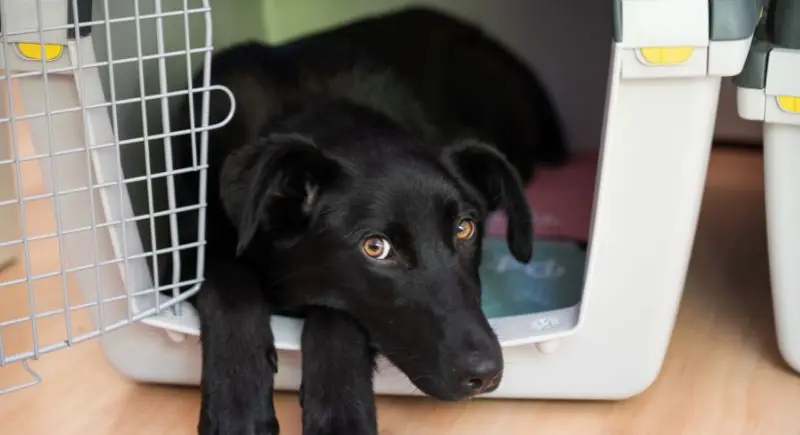
Some dogs see their crate as a safe haven, while others see it as confinement. For dogs who are crate-trained and comfortable inside, it can offer security while alone. But if it adds to the stress, exploring other safe spaces is okay.
Bring In a Trainer or Behaviorist
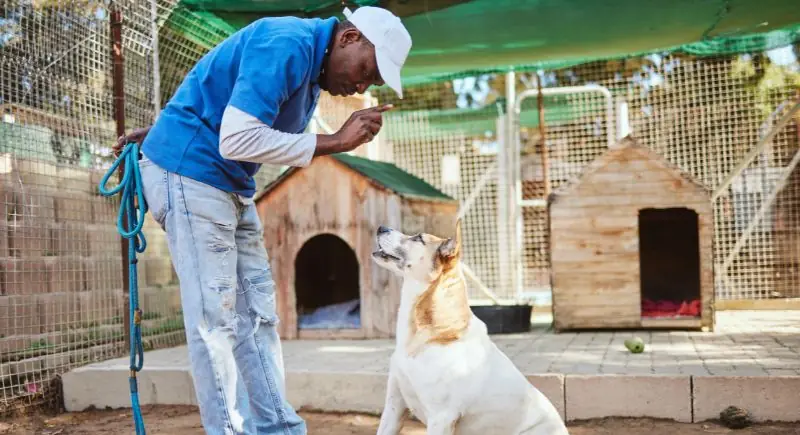
Professional guidance is helpful for dogs with deep-rooted anxiety. Behavior specialists pinpoint triggers and suggest gradual exposure methods. The process often takes time and patience, but having a plan can reassure both dog and owner.
Consider Daycare If It Helps
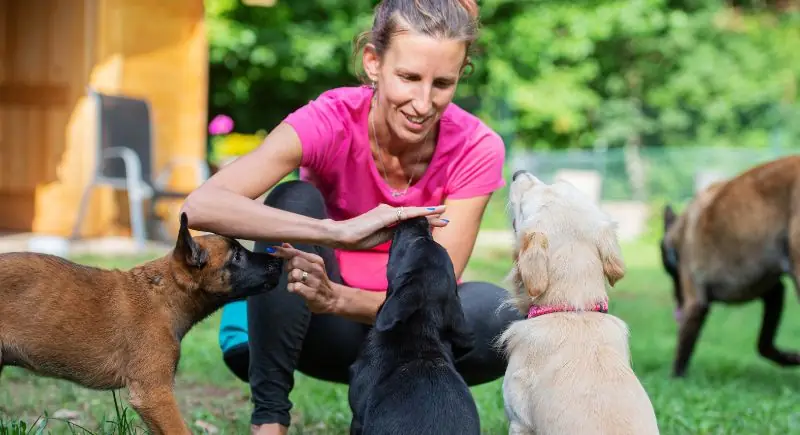
Not all dogs enjoy group environments, but for some, a structured doggy daycare reduces the stress of being home alone. It can also work wonders as a short-term or occasional option.
Set Up a Pet Camera
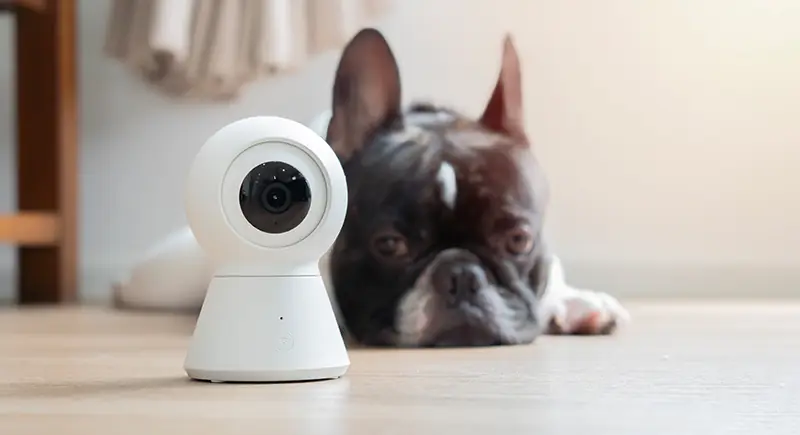
A simple pet camera lets you check in without making a big fuss. Some models even allow two-way audio, so you can calmly talk to your dog if they seem unsettled. Watching their behavior while you’re gone also helps you spot patterns and adjust your routine in ways that genuinely ease their stress.
Block the View of the Window
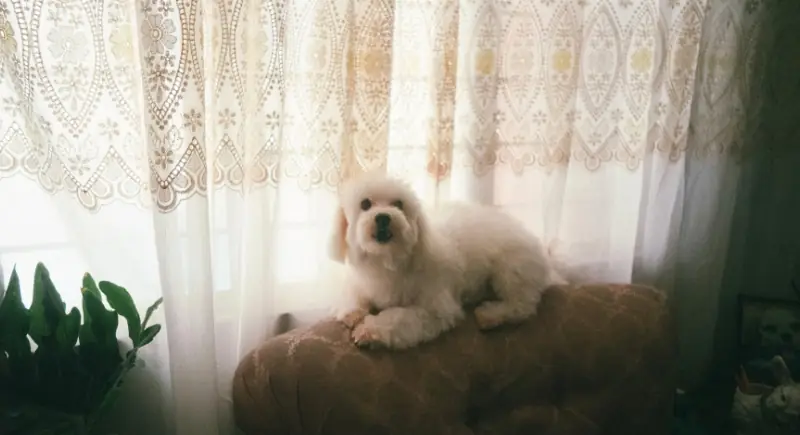
An open view can be more overwhelming than comforting, especially if your dog reacts to every passing car or stranger. Closing curtains or using a frosted window film limits those triggers and creates a calmer environment. Less outside stimulation means fewer reasons to bark, pace, or spiral into anxious behavior while you’re away.





