
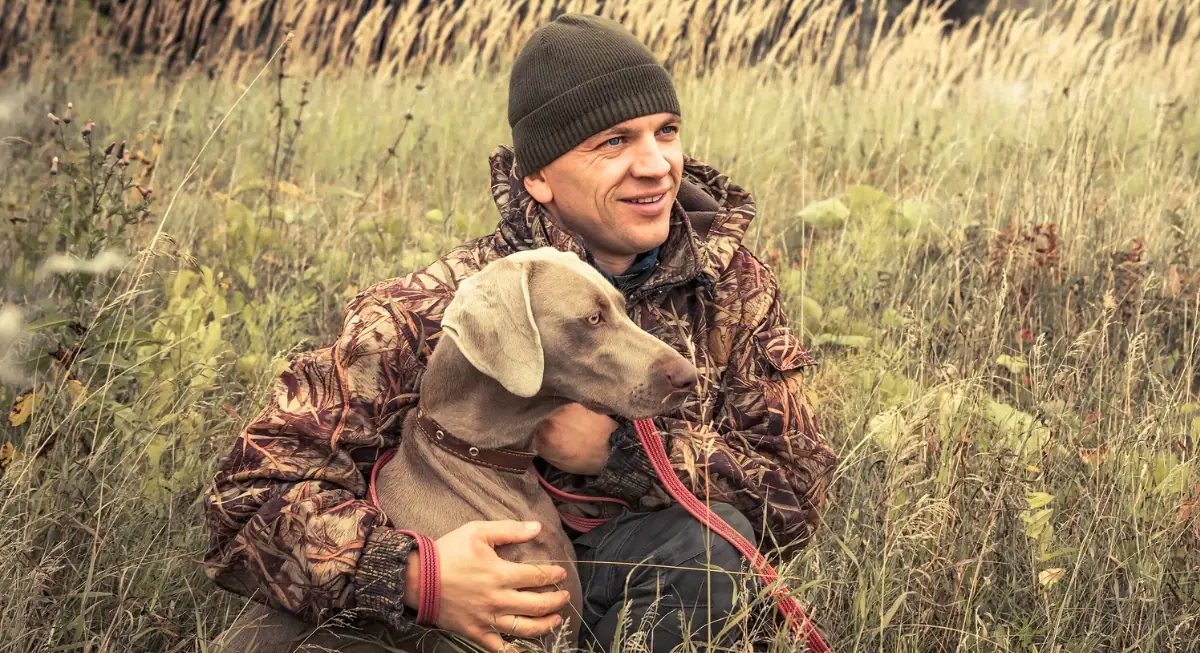
Hunters know the bond with a good dog relies on teamwork with instincts, grit, and tireless drive. Some breeds were practically built for the chase, tracking scent through thick brush or flushing birds with sharp-eyed focus. This list rounds up the most reliable hunting dogs on Earth—the ones that deliver season after season without fuss or flinch.
Labrador Retriever
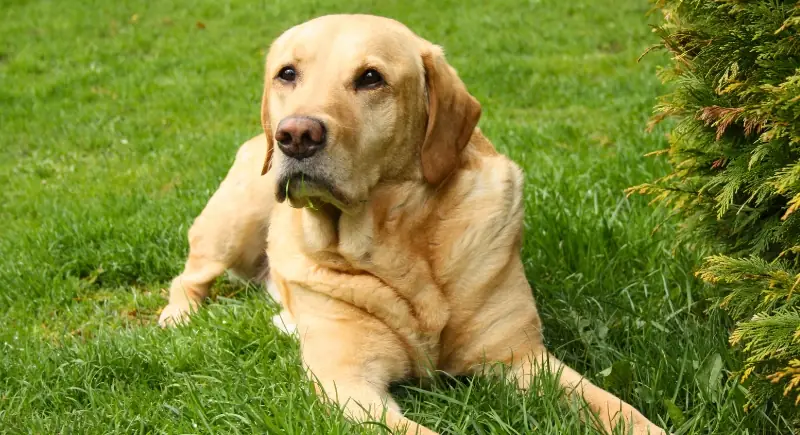
Ask any duck hunter for their top pick, and the Lab usually wins. Labs love water, thanks to their webbed feet and insulating coat. They’ve held the title of America’s most popular breed for decades, and their reliability is a huge reason for this.
German Shorthaired Pointer
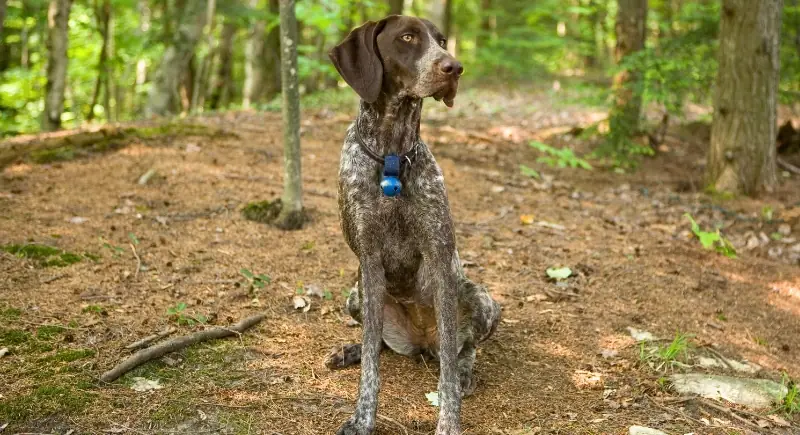
The German Shorthaired Pointer has lots of energy to spare and laser-like focus in the field. This dog handles upland birds, small game, and even water retrieves. Hunters love how easily it transitions between pointing, retrieving, and tracking game across tough ground.
English Springer Spaniel
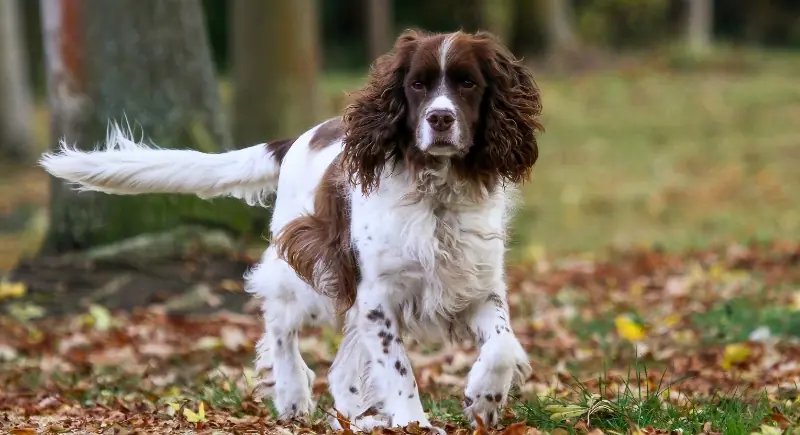
The English Springer Spaniel is a tireless worker known for flushing birds with serious enthusiasm. Their cheerful vibe and eagerness make them popular with families, too, but when there’s a job to do, this dog means business.
Beagle
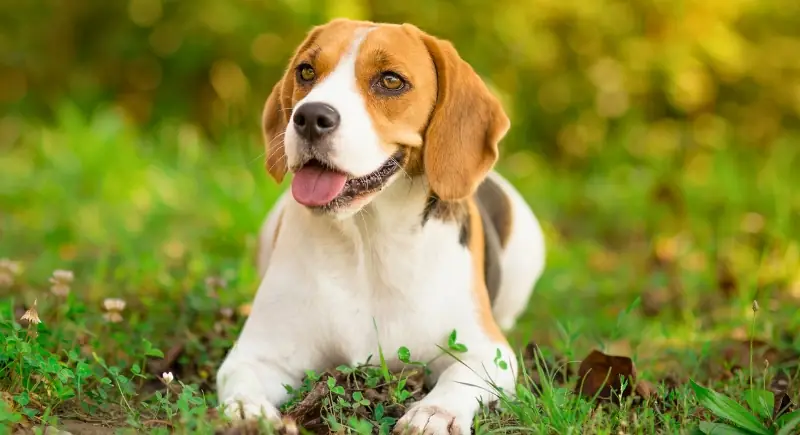
Beagles carry one of the best noses in the canine world. They can follow scent trails that are 1,000 times weaker than a human’s sense of smell. Their mellow temperament off-duty makes them just as good around the house as in the field.
Bluetick Coonhound
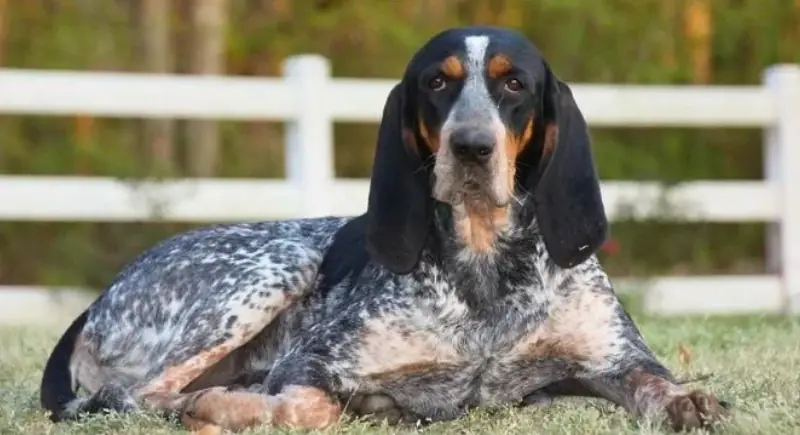
Bluetick Coonhounds, with their cold-nose tracking, stay on the trail long after others give up. This breed traces back to Louisiana and Tennessee and has a musical, echoing bay you can hear through dense woods. They thrive at night hunting raccoons but will gladly go after the big game, too.
Brittany Spaniel
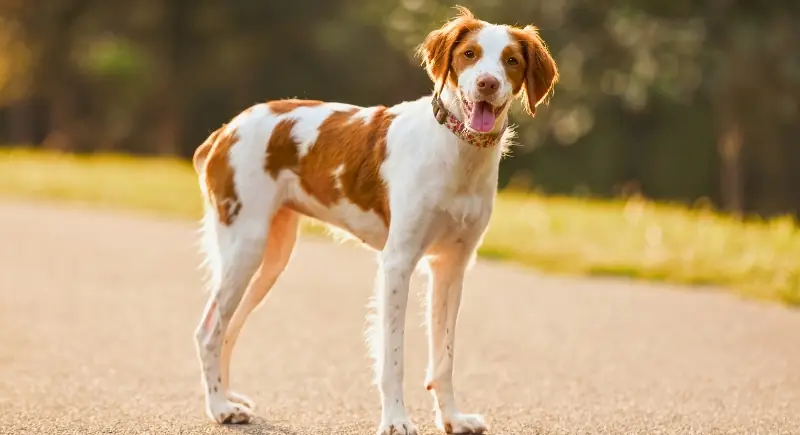
Brittanys are all gas, and there are no brakes in the field. Despite the name, they’re not technically spaniels—they’re more like pointers with a tighter working range. They’re ideal for hunters who like to keep pace. When properly trained, they make hunting look smooth and straightforward, even on rough terrain.
American Foxhound
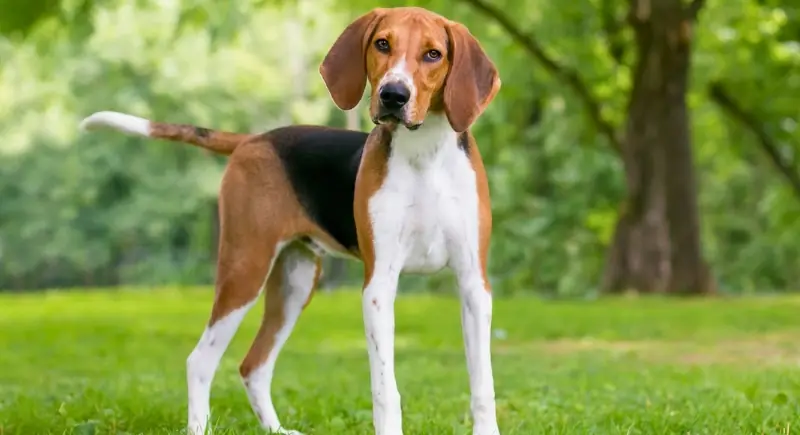
George Washington helped shape this breed, and it hasn’t slowed down since. These hounds are pack animals with serious drive, especially when their noses lock onto a scent trail. They aren’t ideal for apartment life, but if you give them room to roam and something to track, they’ll go full throttle.
Vizsla
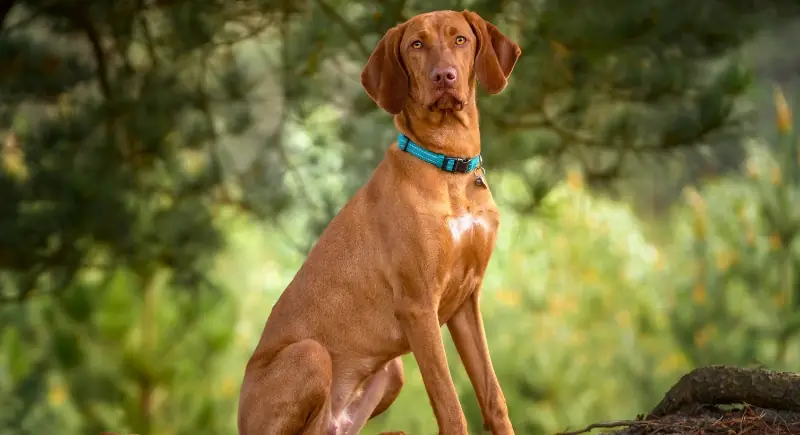
Hungarian by origin and heart, the Vizsla is raised to stick close while pointing to the upland game. They’re sometimes called “velcro dogs” for how attached they get to their humans, but they’re all business in the field. What sets them apart is how naturally they learn—responsive to tone and body language.
Weimaraner
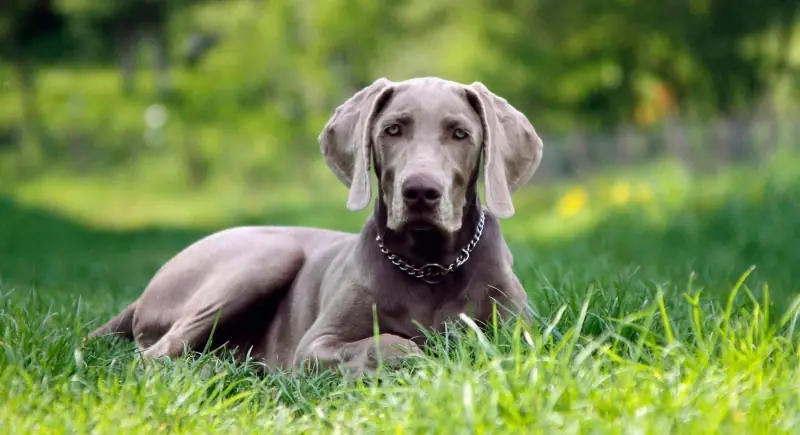
The Weimaraner’s steely coat and graceful movement make it stand out, but there’s more beneath the surface. They were developed for German nobility in the 19th century and once hunted wolves and deer. Today, they’re more likely to point pheasants or retrieve ducks.
Chesapeake Bay Retriever
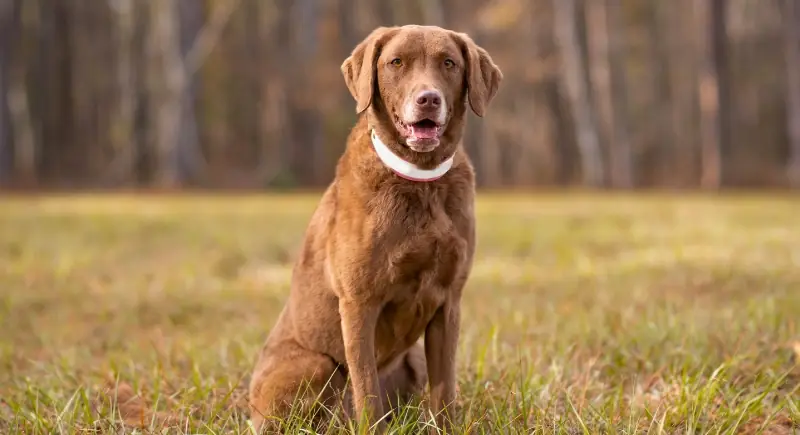
The Chesapeake Bay Retriever can handle brutal cold, rough surf, and ice-cold retrieves without slowing down. Its thick, oily double coat repels water and insulates like a parka. They’re independent thinkers—stubborn at times—but they don’t miss once trained.
Treeing Walker Coonhound
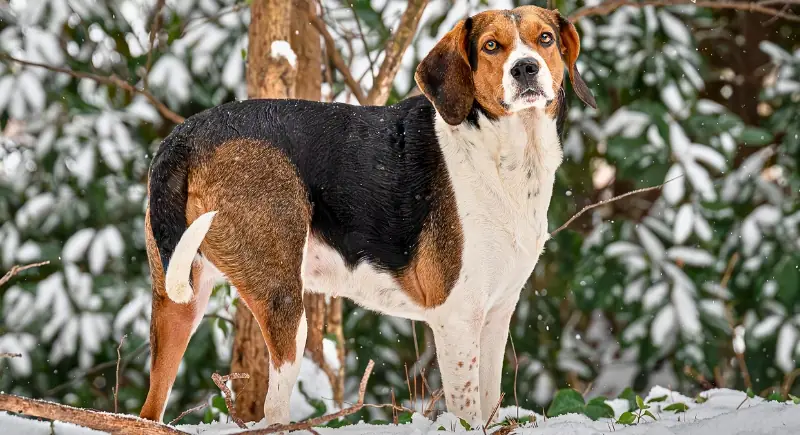
Once it catches a scent, Treeing Walker Coonhound rockets into action. The breed is all about treeing raccoons with a famous bay that echoes through the woods. It’s fast enough to outrun most other scent hounds. Despite the intensity in the field, serious hunters love how it balances tracking power with an easygoing, good-natured personality.
English Setter
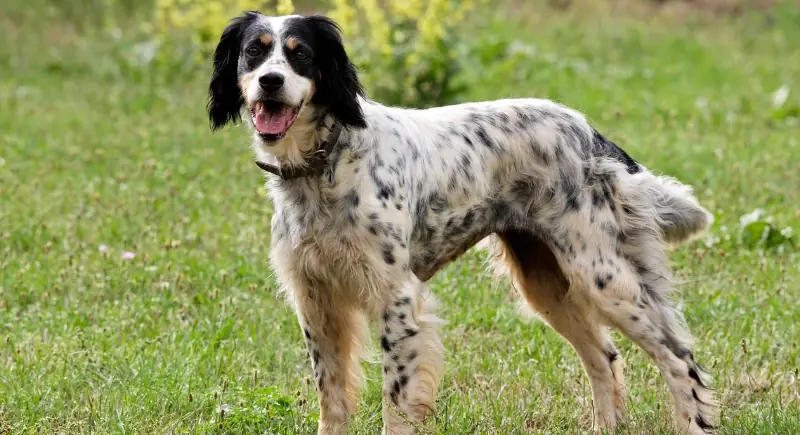
There’s a kind of rhythm to how an English Setter works the field. They move with smooth, sweeping grace and pause to crouch when a game’s nearby—a move called “setting.” Don’t let the fancy feathering fool you. These dogs can wade through brambles and thorns without flinching.
Irish Setter
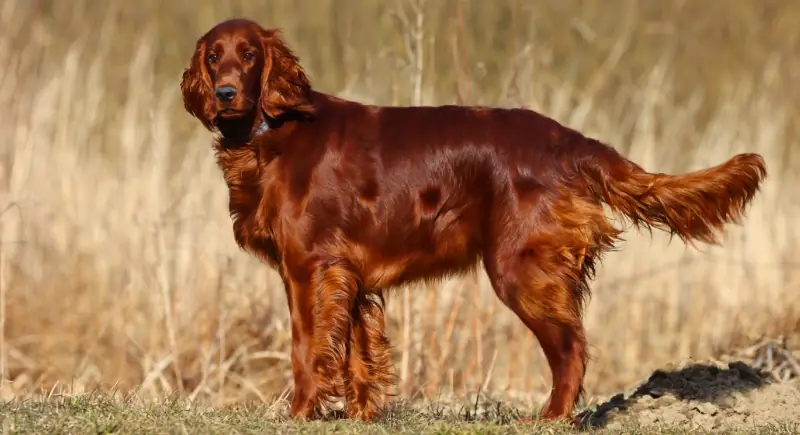
The Irish Setter is a combination of personality and performance. It’s a bit more independent than other pointing breeds, so consistent training early on is essential. These dogs were developed in Ireland for both looks and utility, and they’ll gladly chase quail, grouse, or pheasant all day.
Bloodhound
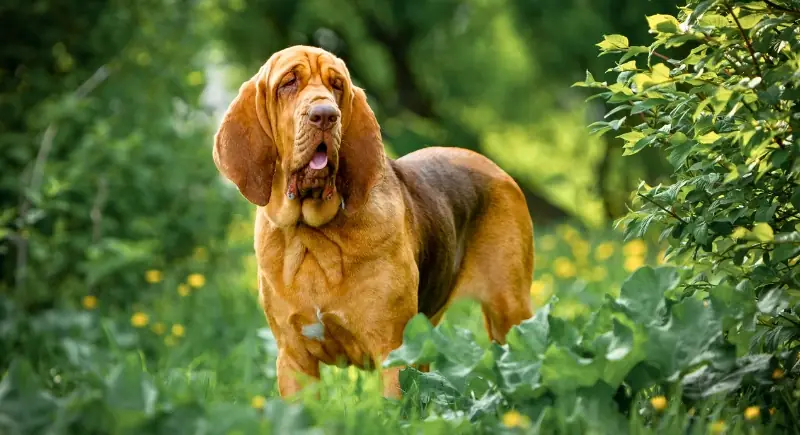
If nose work had a championship, the Bloodhound would own it. It can follow days-old and miles-long trails with roughly 300 million scent receptors. Its loose skin and droopy ears help trap and funnel scent particles. These dogs are slow-moving but incredibly focused.
Plott Hound
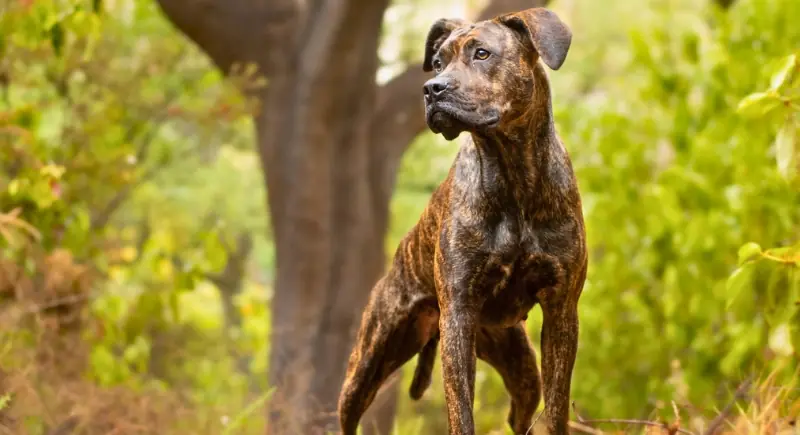
This gritty North Carolina native was bred to fight bears, boars, and anything that fights back. Despite their toughness, Plotts are surprisingly loyal and easy to handle with experienced hunters. Their bravery makes them legends among big-game trackers across the American South.
Boykin Spaniel
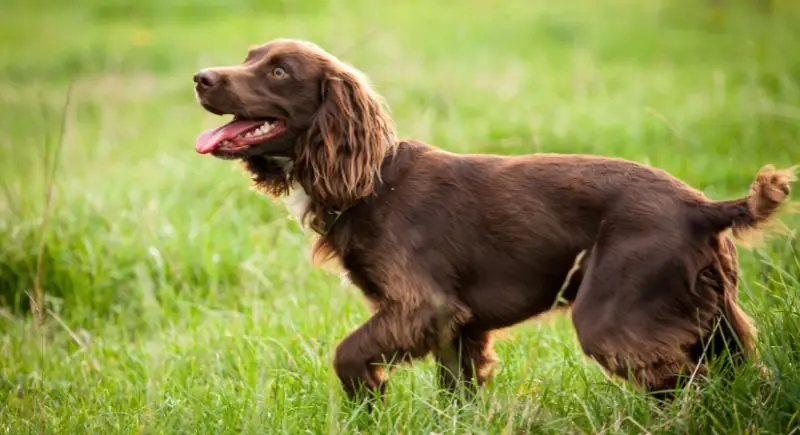
The Boykin Spaniel was born in the South Carolina swamps, and it shows. This compact retriever was bred to work from small boats, flushing and retrieving wild turkey and ducks without rocking the load. Tough in water and steady on land, the Boykin brings drive without being oversized or hard to handle.
Wirehaired Pointing Griffon
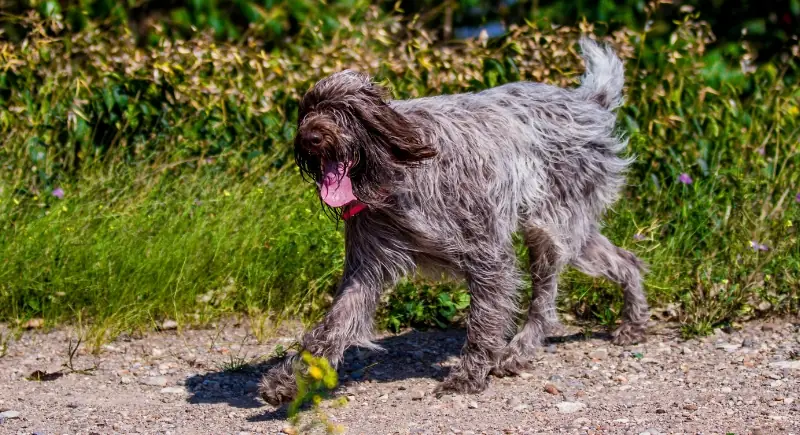
The Wirehaired Pointing Griffon looks scruffy, but that rugged coat protects it in thick brush and cold weather. Developed in Europe as a versatile gun dog, it points, tracks, and retrieves with steady focus. Hunters value its close-working style, which keeps the action within range instead of miles away.





