
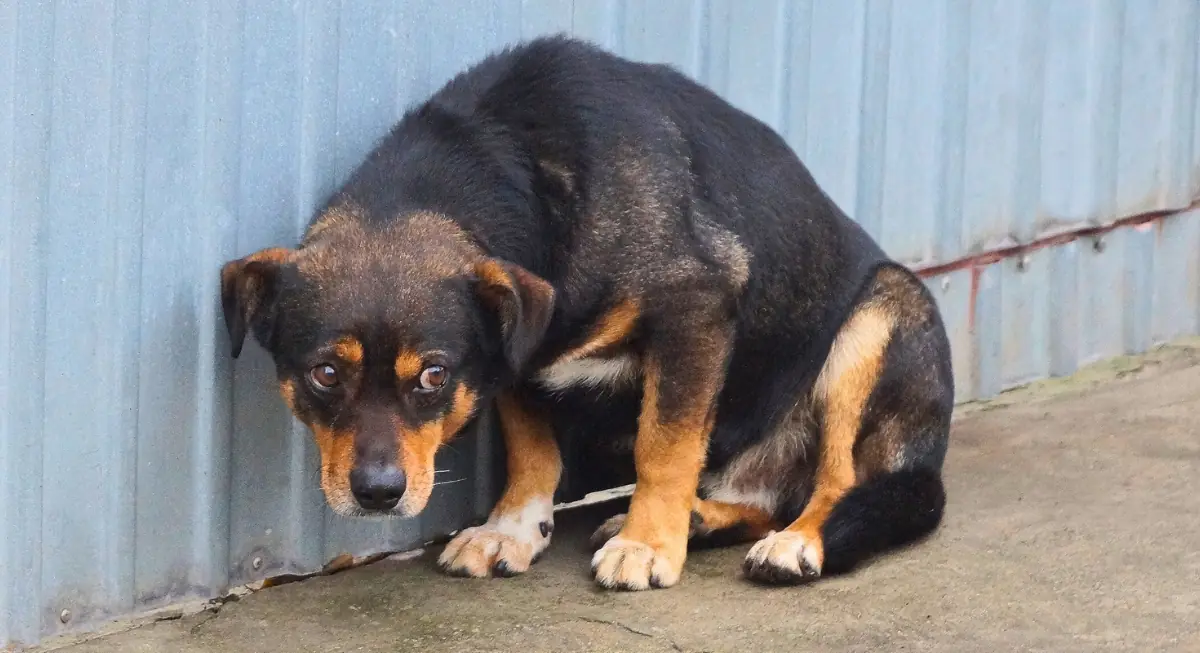
Bringing home a rescue dog can be deeply rewarding. But it also comes with unknowns. Many adopted dogs have pasts marked by neglect, fear, or constant change. Those experiences don’t just vanish once they’re safe. Trauma can manifest in subtle, easy-to-miss ways that affect how a dog plays or reacts to people.
Recognizing them early can help you avoid mistakes and start building trust. Knowing what to look for is one of the most helpful things you can do for a rescue who’s still learning to feel safe.
Avoids Affection Or Physical Contact
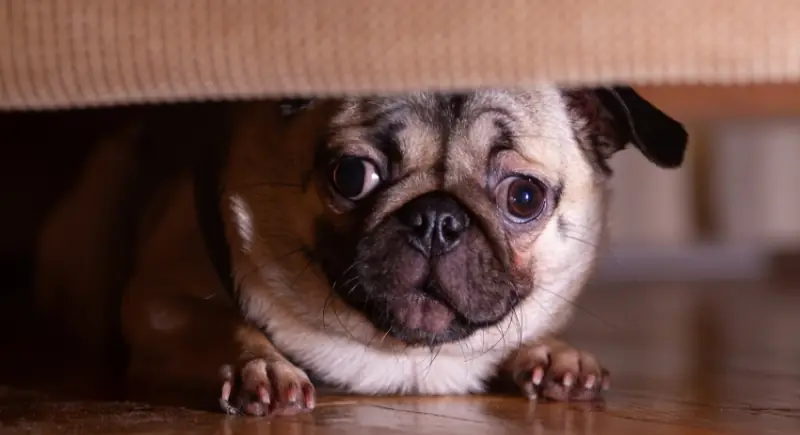
Dogs who have been mistreated may avoid being touched or being physically close to people. They often retreat or refuse to approach. This behavior reflects their past experiences and should not be forced. Physical closeness must be reintroduced gradually, based on the dog’s comfort.
Fear-Based Aggression
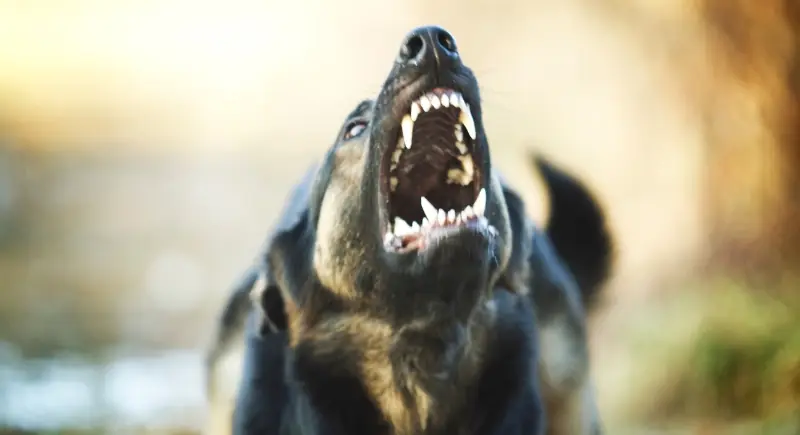
If a dog lunges, growls, or barks around new people or situations, fear could be behind it. These aren’t acts of defiance. They’re a way to say “back off” when escape doesn’t feel possible. A strong reaction usually means the dog doesn’t feel safe enough to stay calm.
Separation Anxiety Rooted In Abandonment

Traumatized dogs may display intense distress when left alone. This includes destructive behavior, howling, urinating indoors, or constant pacing. Trainer Sarah-Anne Reed explains that this stems from past abandonment. The dog may believe their guardian won’t return or could be harmed in their absence.
Flinching At Movement Or Sound

Overreacting to noise or sudden movement is common in dogs who were hit, shouted at, or kept in chaotic spaces. Flinching, ducking, or running from benign actions reflects a nervous system that has learned to treat everything as a threat.
Unmoving Or Frozen Body Language
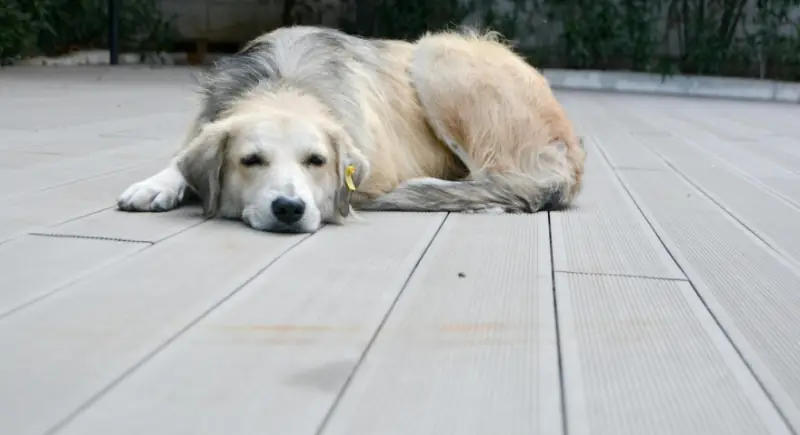
Fear does not always look dramatic. Sometimes a dog just goes completely still. Their body stiffens, their eyes stay wide, and they barely move, as if staying invisible feels safer than reacting. It can be mistaken for calm behavior, but it usually signals intense stress. When a dog freezes like this, it is often a sign they feel overwhelmed.
Constant Hypervigilance
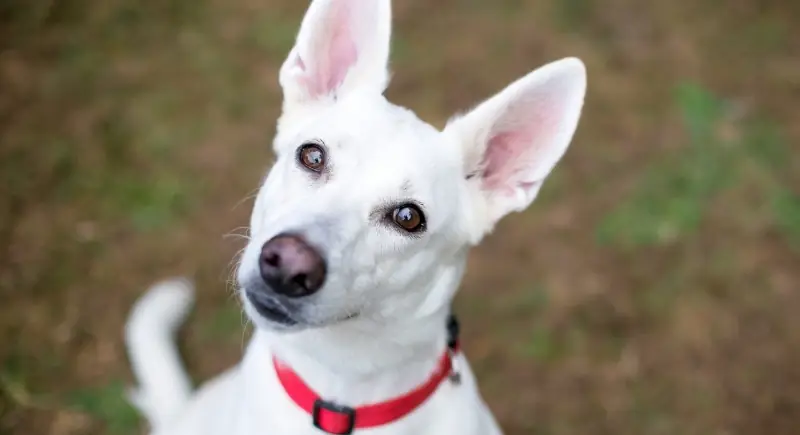
Some rescue dogs never seem to fully relax. They pace, keep scanning the room, or jump at small noises that most dogs would ignore. Even at rest, they may remain half-alert rather than sink into deep sleep. That constant watchfulness is called hypervigilance. It often develops in unstable or unsafe environments, where staying alert once meant staying safe.
No Interest In Food Or Play
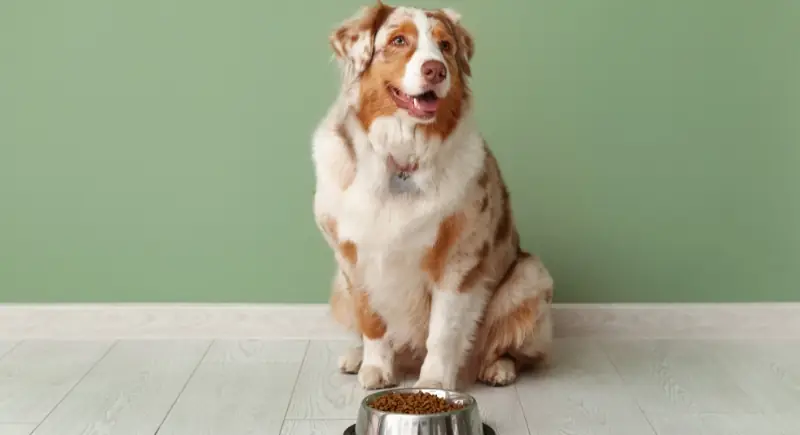
A dog that refuses food or ignores toys may not be stubborn. These are signs of emotional shutdown. When a dog is highly anxious or fearful, their drive to eat or engage may be suppressed. Trainers note that some traumatized dogs won’t take food in front of people for days.
Strong Reaction To Leashes Or Equipment
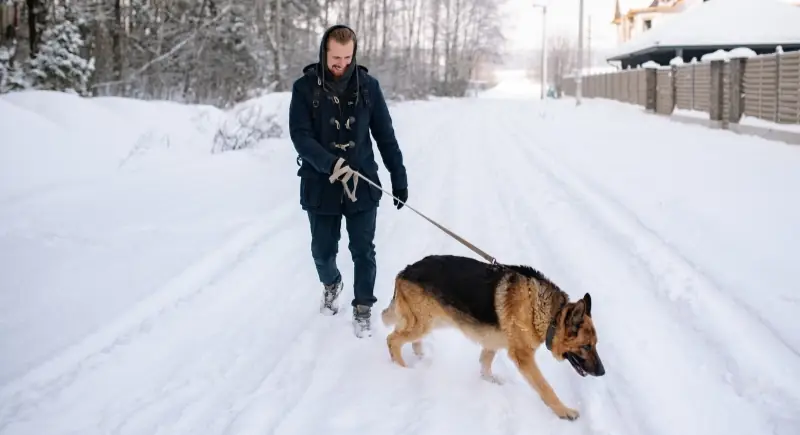
A flinch at a leash or tension when you touch the collar can signal a history of fear. Some rescue dogs associate equipment with rough handling. The response is learned. Slow exposure, steady handling, and consistent rewards can help build new, safer associations over time.
Aggression That Develops Over Time
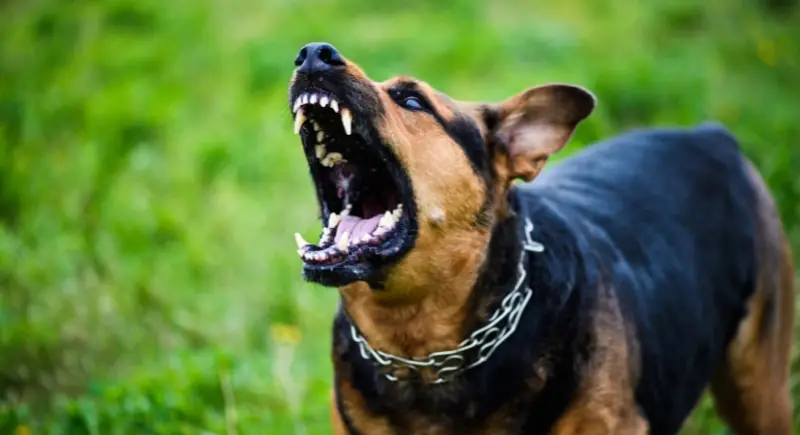
Not all warning signs show up right away. Some dogs seem quiet or even shut down at first, only to become reactive weeks later. That’s often because they needed time to assess the environment before revealing what makes them uncomfortable. This delay means they’re finally alert enough to express it.
Little To No Progress In Adjusting

The idea that a rescue dog will feel settled after three months doesn’t apply to all. Some take much longer and may not improve without help. If a dog continues hiding, won’t eat, or avoids all contact well past the early adjustment window, it may be time to bring in a behavior specialist.





