

Letting a dog off the leash might seem like a simple way to give them freedom and fun. But behind that happy run could be some serious risks waiting to happen. It’s important to know what’s at stake before deciding to let your pup roam free. Here are a few grave risks that come with allowing your dog to run free.
Legal Trouble and Liability Risks

In many jurisdictions, owners are legally responsible for their dogs’ actions while off-leash. If a dog bites someone or causes property damage, the owner could face fines or lawsuits. Keeping your dog leashed is a legal safeguard against financial and legal consequences.
Disrupting Wildlife and Sensitive Habitats
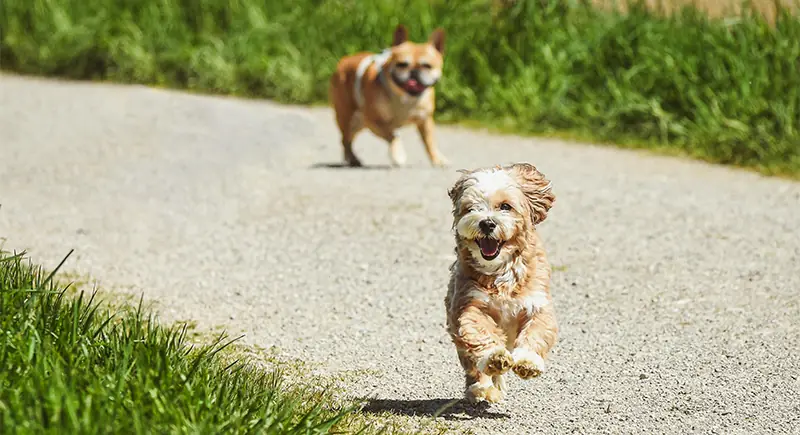
Dogs off leash often chase wildlife like squirrels and deer. They also trample delicate plants and dig up fragile soil that take years to recover. Keeping your dog leashed helps protect these vital habitats and supports local biodiversity.
Risk of Poisoning and Health Problems
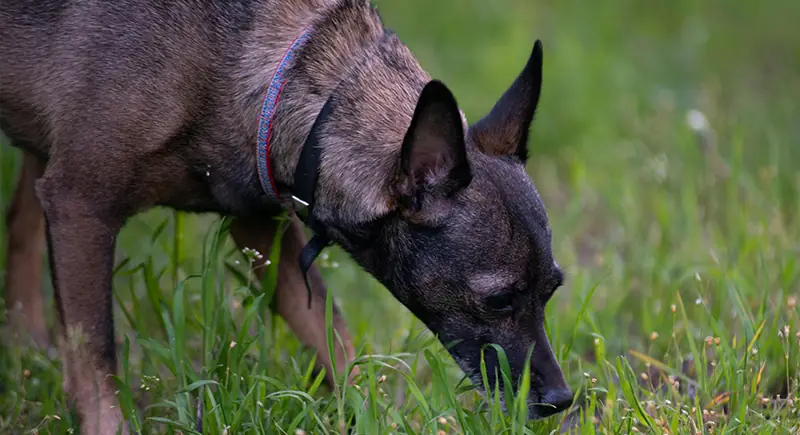
Wandering dogs frequently sniff or eat harmful items such as poisonous plants, discarded trash, or toxic mushrooms. These can cause severe illness or even death. Staying on leash won’t stop your dog from sniffing, but it’ll let you intervene quickly to prevent accidental ingestion.
Lost Dogs Face Greater Danger

Without a leash and proper ID tags, dogs can easily get lost and separated from their owners. This leads to an increased risk of injury, starvation, or theft. Using a leash ensures pets stay close and can be returned home quickly if they stray or get frightened.
More Frequent Dog Fights and Injuries
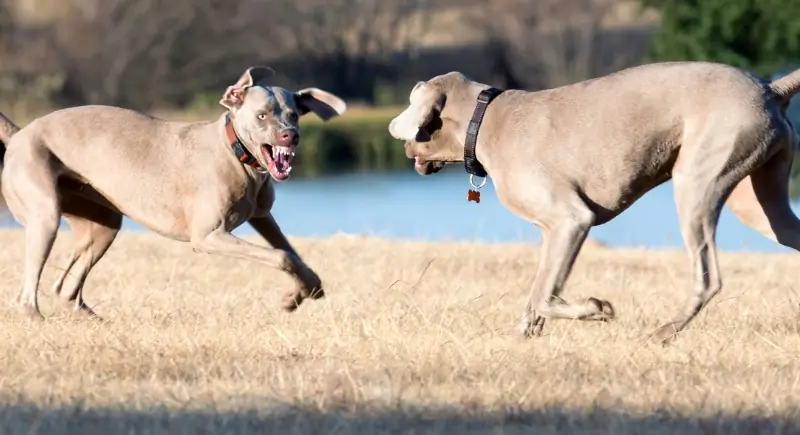
Uncontrolled dogs off leash are more prone to aggressive encounters with other animals. Even usually friendly dogs may react defensively when startled. Keeping dogs leashed reduces these confrontations, which then protect your pet and others from painful injuries and emotional trauma.
Stronger Connection During Walks
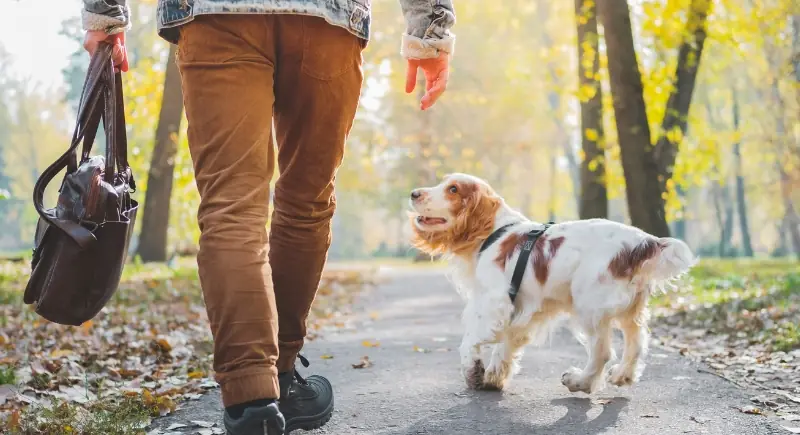
Leash walking encourages better communication between the dog and the owner. Being nearby allows you to notice changes in your dog’s mood or reactions and guide their behavior.
Keeping Everyone Comfortable and Safe in Public
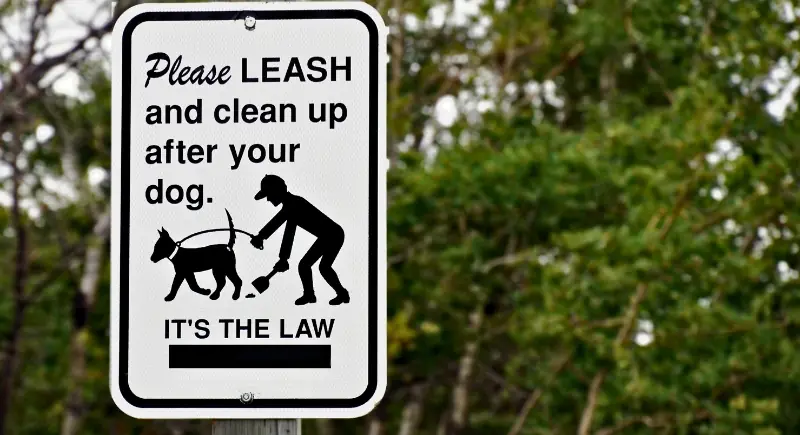
Leash laws exist to protect both dogs and people. Unleashed dogs might frighten individuals who are uncomfortable around animals or accidentally cause accidents by jumping on strangers. Following leash rules helps keep parks safe and enjoyable for all visitors, no matter their comfort level around dogs.
Avoiding Dangerous Wildlife Encounters
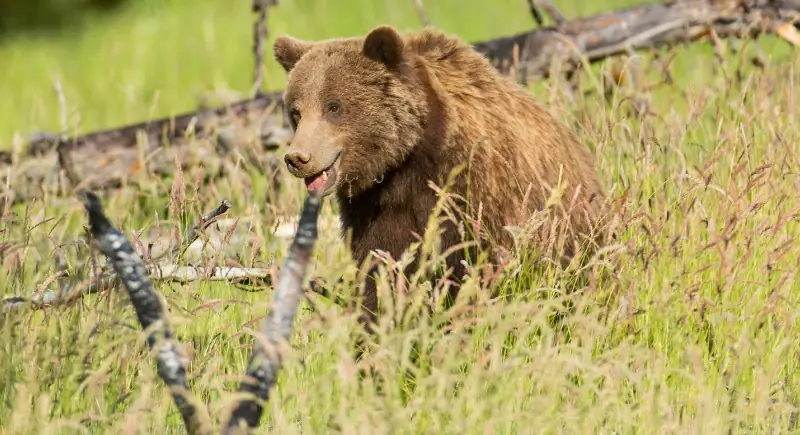
In rural or wooded areas, unleashed dogs risk confrontations with predators such as bears or coyotes. These animals can seriously injure or kill pets. Leashing your dog and wearing bright clothing during hunting seasons helps prevent tragic accidents by making your dog visible and protected.
Protection from Harsh Weather and Terrain

Dogs off leash may wander into extreme weather or hazardous terrain like cliffs, thorny bushes, or deep water. Without close supervision, injuries such as hypothermia, heatstroke, cuts, or sprains become real dangers. Leashes allow owners to protect their pets from these outdoor hazards.
Traffic and Moving Vehicles Pose Serious Threats
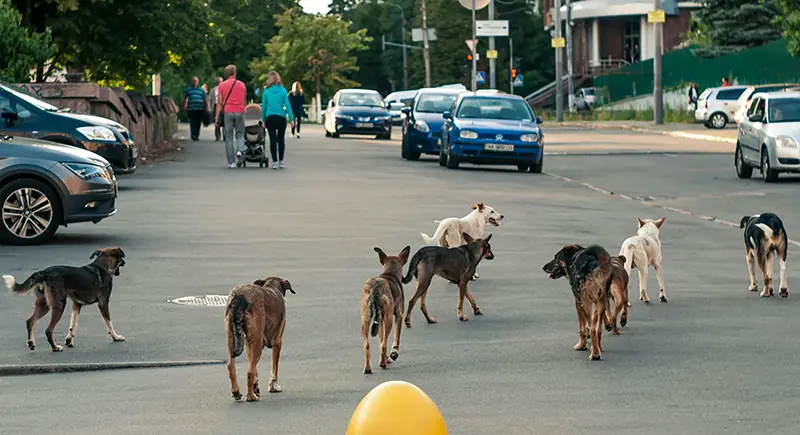
Canines roaming near roads risk being hit by vehicles, often with fatal consequences. Additionally, unleashed dogs chasing cars, bikes, or motorcycles risk accidents that harm both themselves and others. Leashing your dog ensures safer outings near traffic or busy trails.
Preventing Water Pollution from Dog Waste
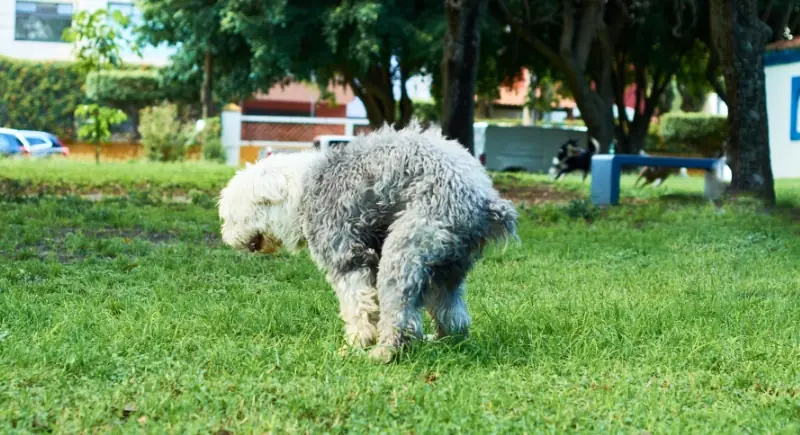
Dog waste left behind pollutes soil and nearby water sources. Nutrients in feces fuel toxic algae growth that damage aquatic life and threaten human health. When dogs stay on leash, owners can clean up waste easily and protect the environment.
Reduced Recall Reliability Over Time
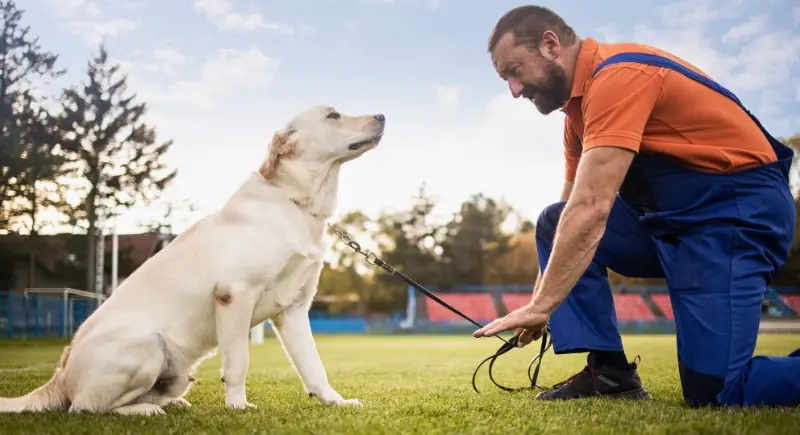
Letting dogs off leash too early or too often without consistent training can actually reduce their reliability when called. If they get used to ignoring recall cues, it becomes harder to regain control later. Leashing reinforces responsiveness and builds habits that ensure your dog comes back when it matters most.
Reduced Training Opportunities During Walks
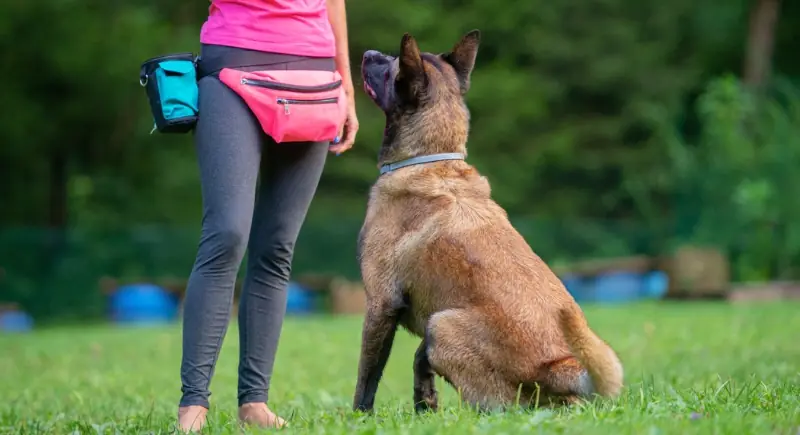
Every walk is a chance to practice commands like “heel,” “sit,” or “leave it.” Off-leash dogs miss out on that structured learning. Controlled walks on a leash offer consistent training moments that improve behavior and attentiveness in everyday life.
Unexpected Triggers and Loud Noises
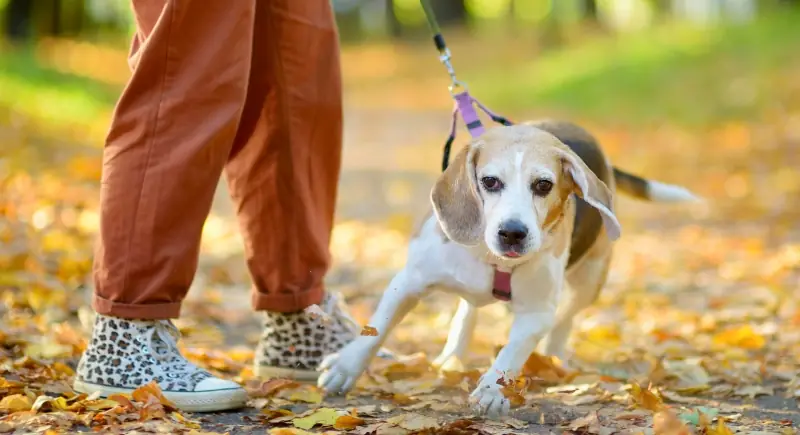
A sudden horn, firework, or thunderclap can send even the calmest dog bolting. Off leash, they may panic and run into danger. On leash, they may still get scared, but you can guide and calm them quickly, avoiding injury or escape.
Accidental Theft or Dog-Napping
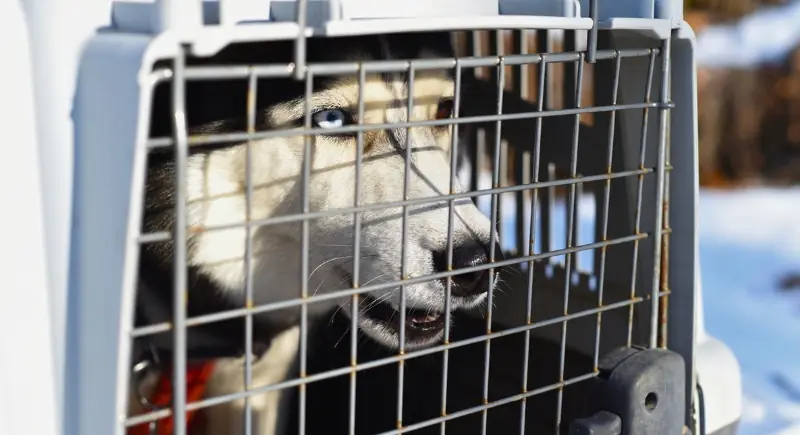
An off-leash dog wandering too far ahead may become an easy target for theft. Purebreds or designer dogs are especially at risk. A leash keeps your dog within arm’s reach and makes it much harder for someone to walk off with them unnoticed.
Exposure to Parasites and Contagious Diseases
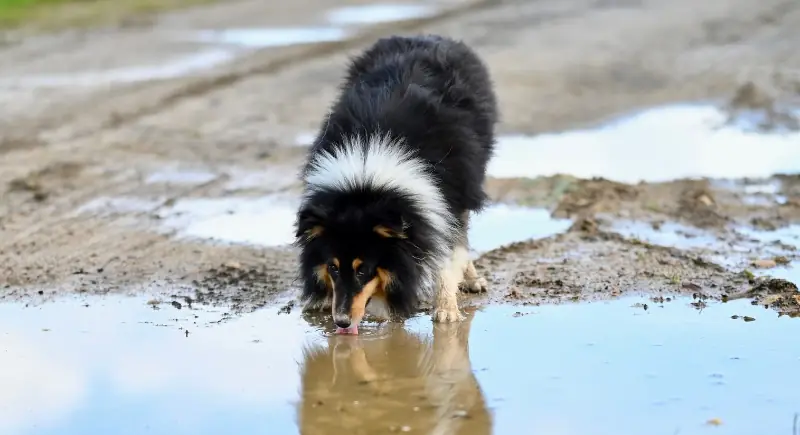
An off-leash dog can nose through puddles, feces, shared bowls, and brush before anyone catches up. That quick detour can expose a dog to fleas, ticks, intestinal parasites, or infectious diseases carried by wildlife and other dogs. Leashes keep curious noses close enough for a fast stop. That pause can reduce the chance of unwanted exposure.
Risk of Getting Trapped or Stuck

A loose dog can squeeze under decks, slip into drainage ditches, or chase a smell through a broken fence. Then the fun stops. Owners may hear barking but see nothing. A leash keeps the adventure within reach before a gap, culvert, shed, or crawl space turns into a rescue.





