
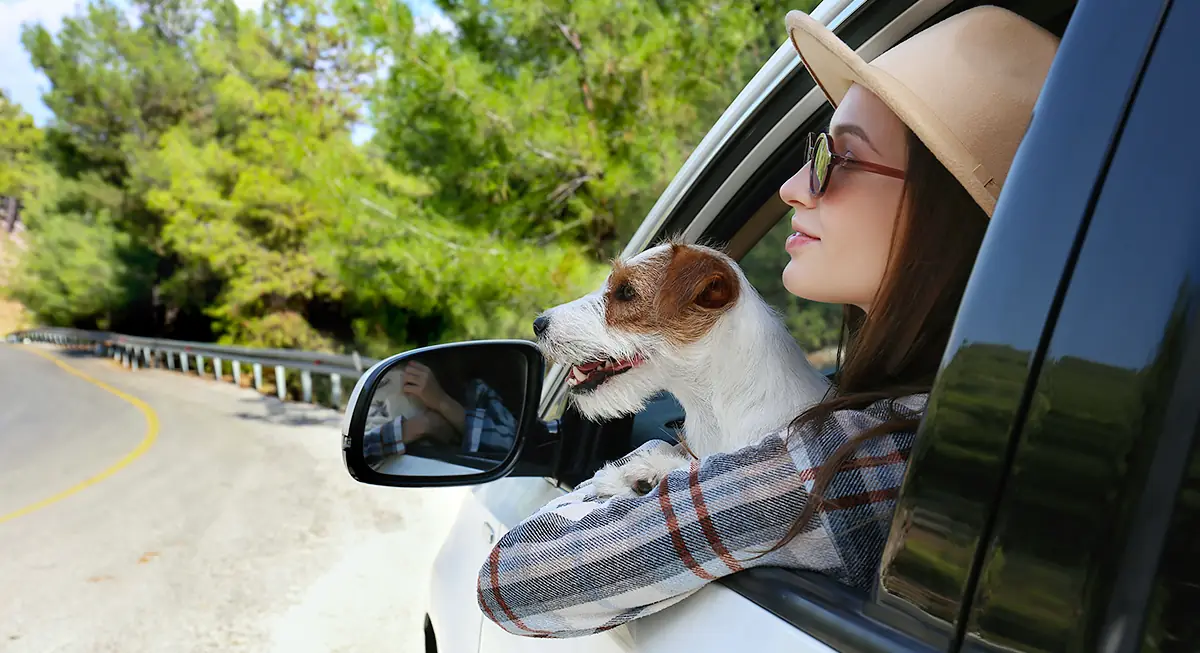
Hitting the road with your dog can be one of the most fun, low-stress ways to travel, if you’re ready for it. Leaving unprepared, on the other hand, will wreck your nerves and your trip. Here are a few smart moves that can turn your trip into something both of you actually enjoy.
Up-to-Date Tags and Microchips Save Time and Tears
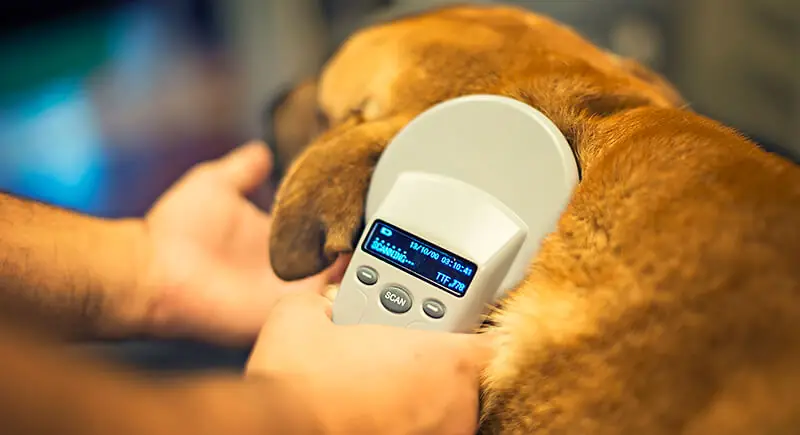
Before you pull out of the driveway, check your dog’s ID tag for accuracy. Even better, make sure the microchip registry has your latest contact info. Pets can wander in unfamiliar territory, and fast identification is the key to getting them back without delays or drama.
Keep Health Documents Handy

Traveling without your dog’s vaccination records can create hang-ups at campgrounds, dog parks, or hotels. Keep digital copies on your phone or carry printed versions. If a vet visit happens on the road, these records speed up treatment and eliminate the need for repeat vaccinations.
Manage Motion Sickness with Vet Guidance
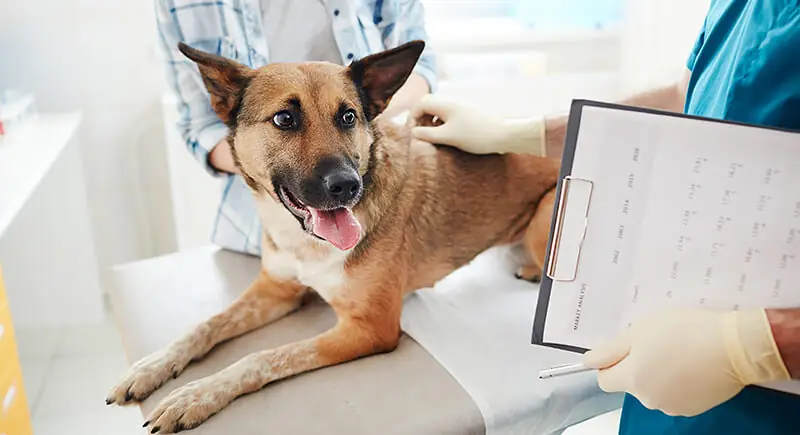
Road trips can trigger nausea for some dogs, especially if they aren’t used to long car rides. Ask your vet about preventive options like Cerenia, which is approved by the FDA. It doesn’t cause drowsiness, so your dog can stay alert without the discomfort.
Stretch Stops Matter
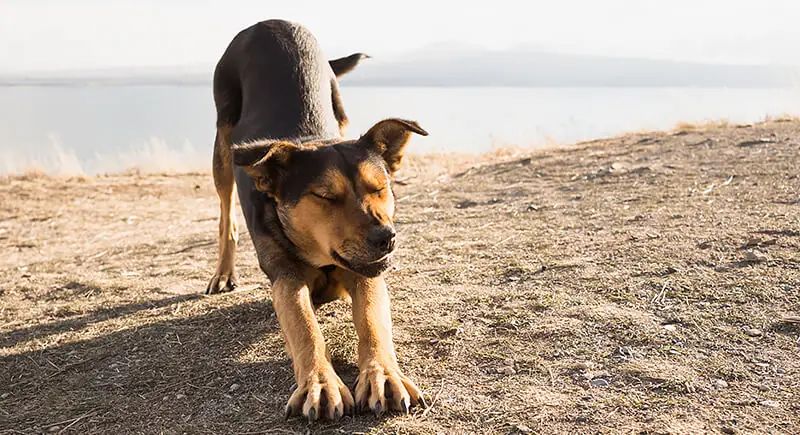
Dogs don’t do well in a backseat for hours on end. Regular stops give them a chance to burn energy and take care of business. Look for rest areas with grass or quiet paths so your dog can move freely and decompress from the ride.
Never Leave Dogs in Hot Cars – Even for Minutes
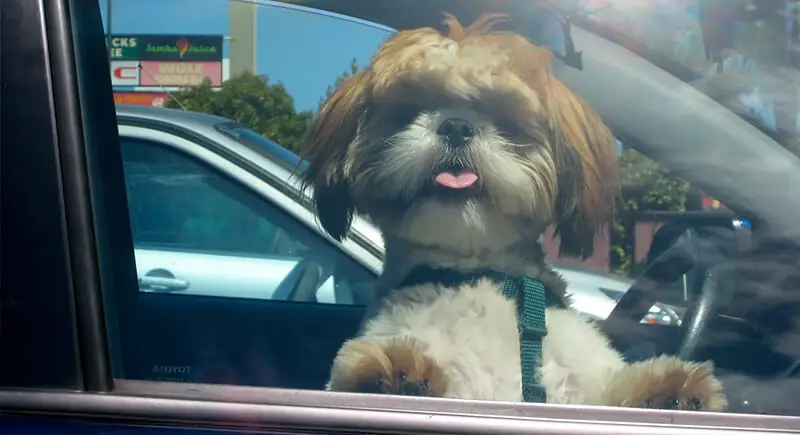
Temperatures inside a parked car can spike fast, even if the windows are cracked. What feels like a quick stop can quickly turn dangerous. If dogs aren’t allowed where you’re going, skip the errand or use curbside pickup to avoid risking their health.
Know the Signs of Heatstroke Before It’s Too Late
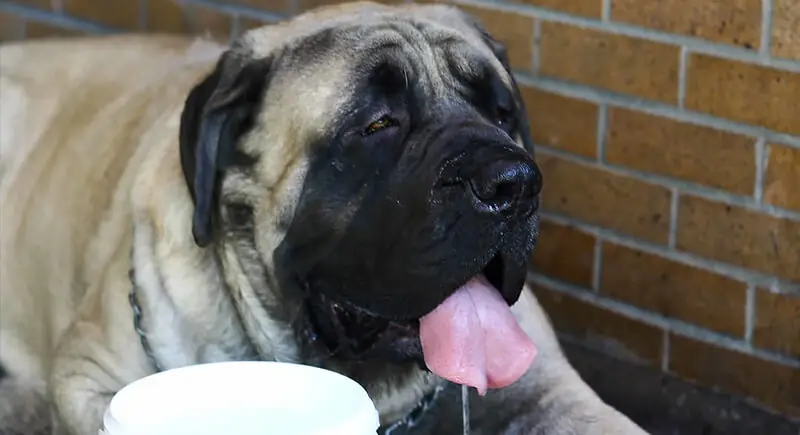
Overheating starts quietly and can turn serious quickly. If your dog shows signs like stumbling, drooling heavily, or becoming unresponsive, they need immediate help. Move them to shade, offer cool (not cold) water, and contact a vet. Prevention is easier than treatment, so stay alert.
First Aid Kits Aren’t Optional
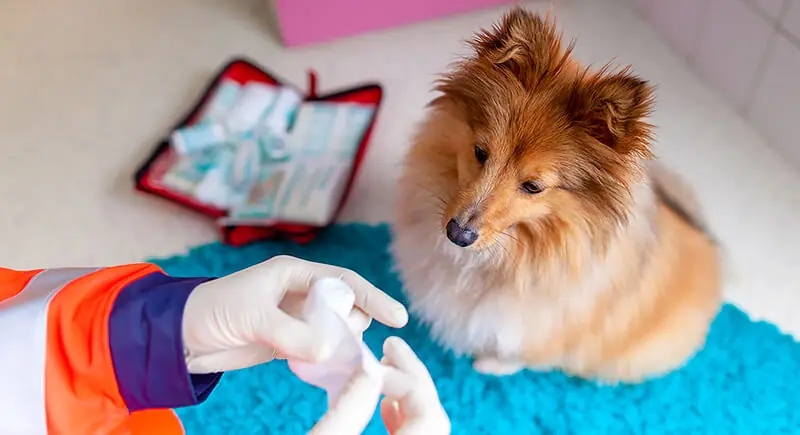
Scrapes, insect stings, or sudden tummy trouble can happen anywhere. Pack gauze, tweezers, antiseptic wipes, and a dog-safe antihistamine. Include your vet’s number and a basic pet first aid guide. You may never need it, but if you do, you’ll be glad it’s there.
Bring What Feels Like Home

Unfamiliar hotels or cabins can rattle even confident dogs. Bring a blanket or toy that smells like home, it helps ease them into new surroundings. Having something familiar nearby can keep your dog calmer and more relaxed when settling into a strange place after a long drive.
Stick With What They Know at Mealtimes
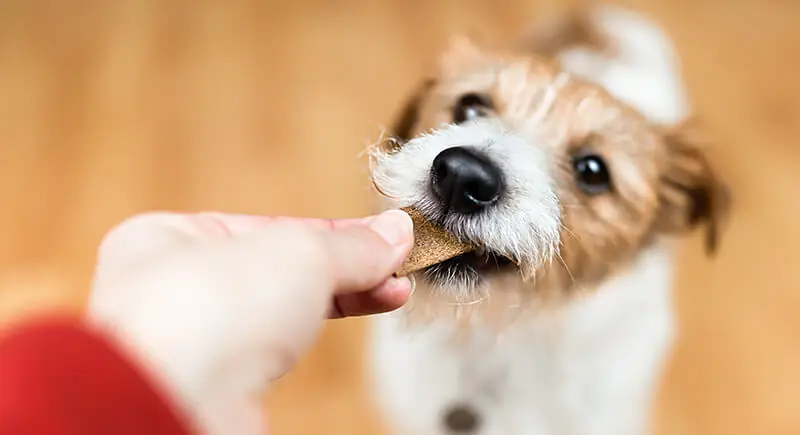
New foods can upset your dog’s stomach, especially during travel. Stick with the brand and amount they’re used to. Portion dry food ahead of time in sealed containers and bring your own water, especially if you’re driving through areas with questionable water quality.
Make Mealtime Simple and Clean
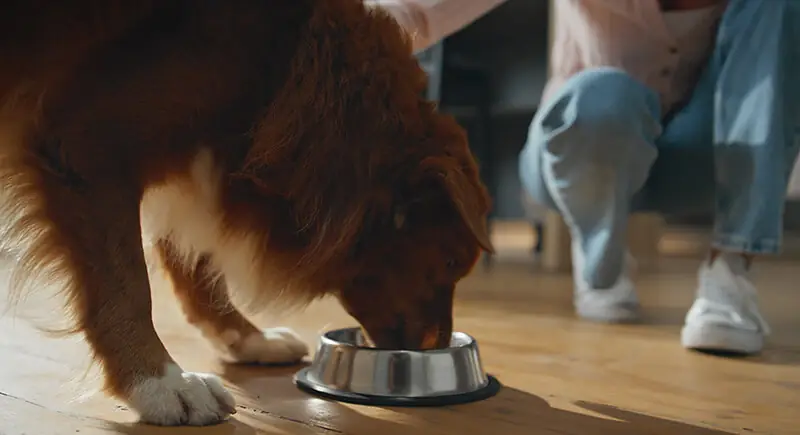
You won’t always have access to a clean surface, so collapsible bowls make feeding stops quick and hygienic. Choose bowls that rinse easily and dry fast. After each use, empty leftover food or water to avoid contamination or attracting bugs in the car.
Confirm Pet Policies in Advance
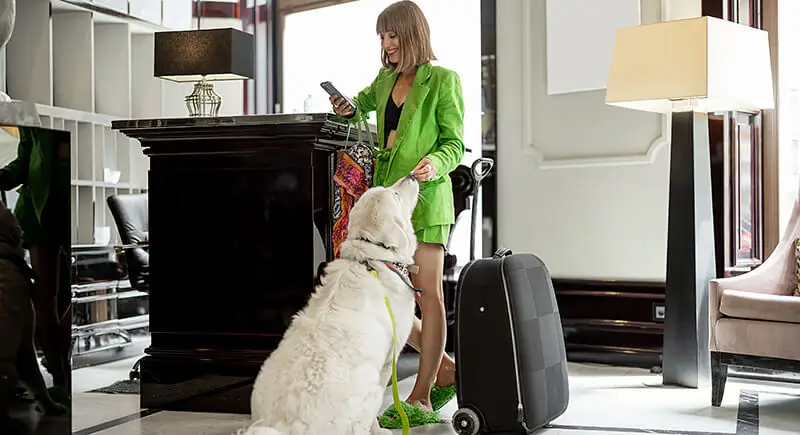
Some hotels roll out the red carpet for dogs, while others set firm limits. Call ahead to confirm whether your dog is allowed, what size restrictions exist, and what areas are off-limits. Surprises are fun on vacation, but not when you’re stuck outside with no room.
New Terrain Means New Rules
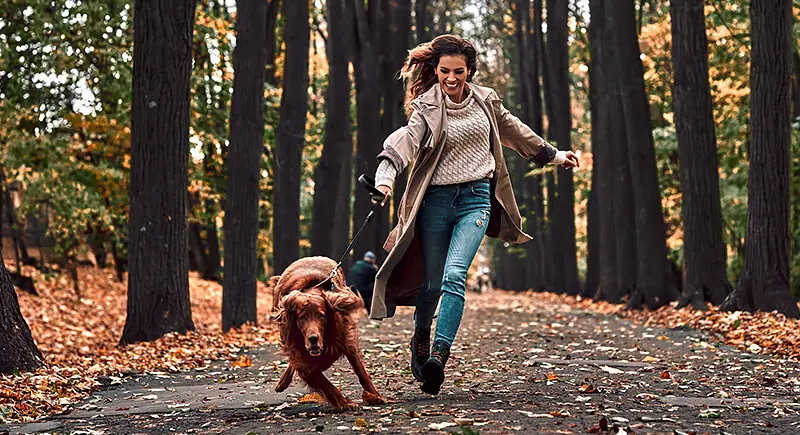
A dog that listens perfectly at home may act unpredictably around wild smells and open space. Keep them on a leash in new locations, trails, gas stations, even small-town sidewalks. It keeps your dog safe and respects the rules of unfamiliar communities along the route.
Don’t Ignore the Signs
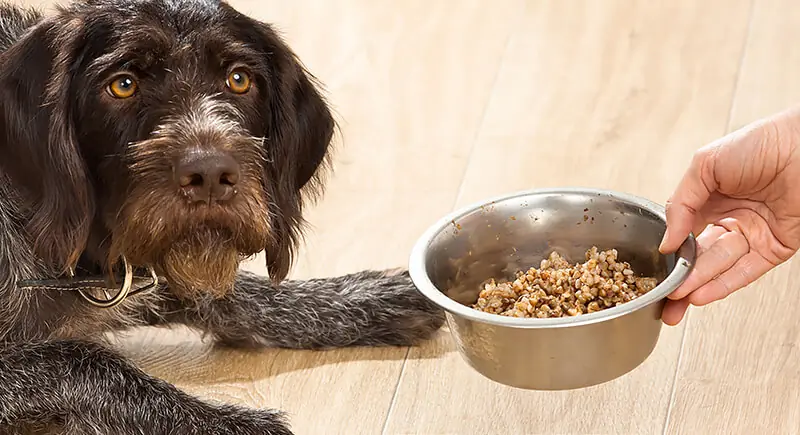
Travel can be overstimulating. If your dog pants when the car’s cool, hides in the corner, or won’t eat, take a step back. A shorter leg of the trip or some quiet time might help. Small stress signals are your cue to slow things down.
Know Where the Nearest Vet Is

If something goes wrong, having the name and number of the closest 24-hour vet saves time. Use your phone to mark a few along the way. Emergencies don’t wait for convenience, so map this out before you need it, and don’t rely on just one option.
Use Crash-Tested Restraints Every Time
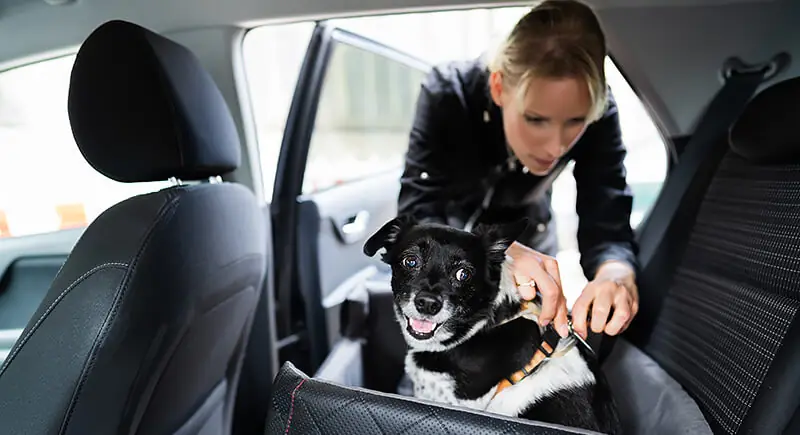
It’s not just about preventing distraction. In a collision, an unrestrained dog can be seriously hurt or even become a projectile. Harnesses tested by the Center for Pet Safety or sturdy crates give real protection. Ride safety matters just as much for pets as it does for people.
Invest in a Quality Pet Cargo Liner
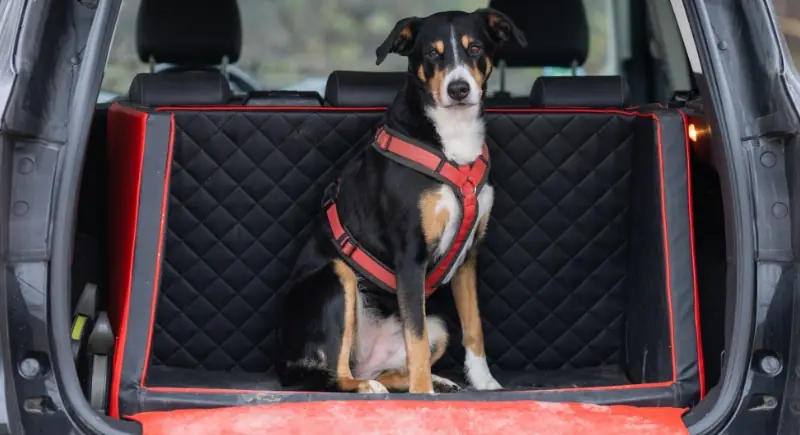
Dog hair gets everywhere. Mud does too. One wet hike can leave the back of the car smelling like pond water for the rest of the drive. A cargo liner saves a lot of regret. Good ones catch dirt, claw marks, spilled water bowls, and the mystery mess your dog steps in during gas station breaks.
Pack Extra Towels and Cleaning Supplies
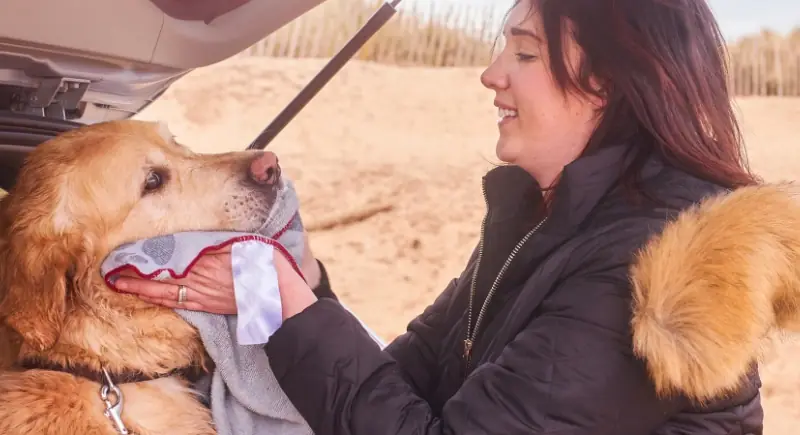
Road trips with dogs get messy fast. A towel turns into a lifesaver after rain, lake swims, carsick moments, or a sprint through mud behind a rest stop. Keep paper towels, stain spray, waste bags, and wipes within reach, rather than buried under luggage. Nobody wants to unpack half the trunk during an emergency.





