
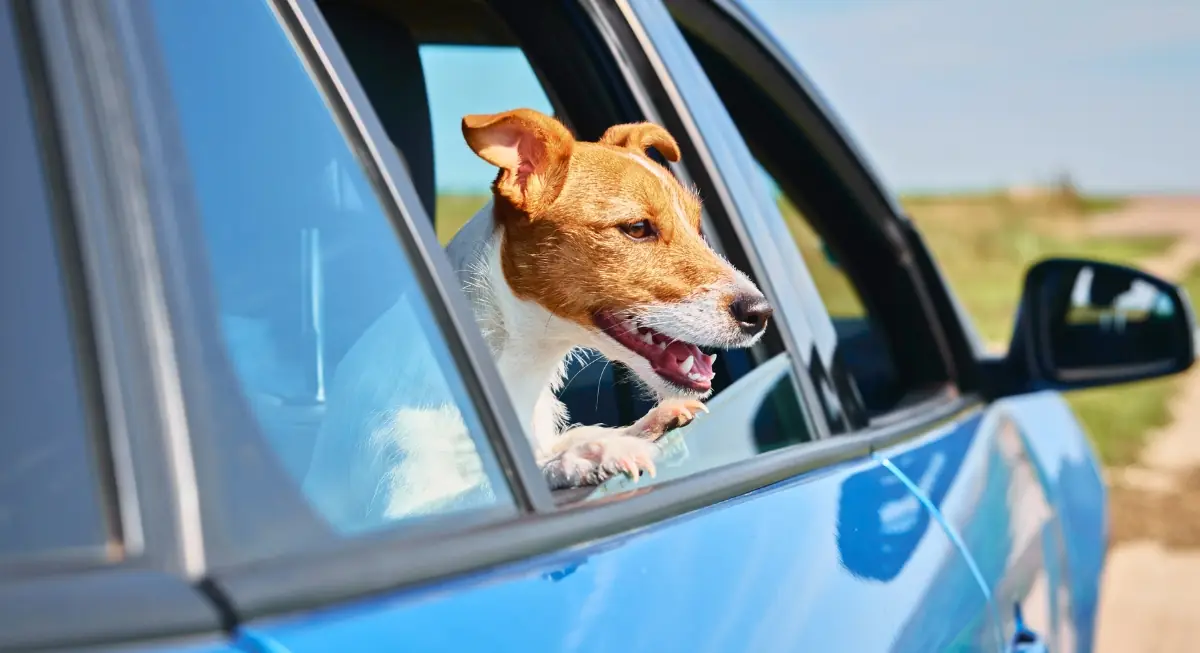
A road trip with your dog feels exciting, but things can go wrong faster than most people expect. The real risks are rarely dramatic. They come from everyday decisions, like letting your dog move freely in the backseat, leaving them in a warming car during a short stop, missing water breaks, or not anticipating how they might react in a busy parking lot. Good preparation changes all of that and keeps a drive from turning into an emergency.
Restrain Your Dog and Keep Them Fully Inside the Vehicle
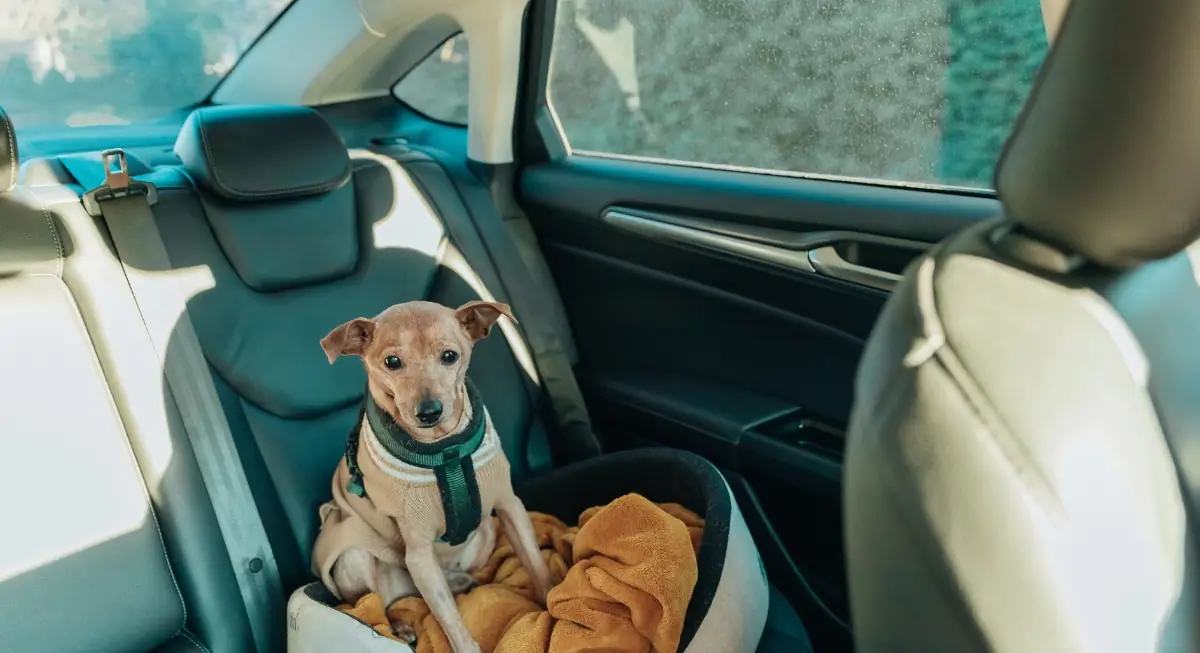
A dog moving freely in the car is a distraction and a safety risk at the same time. Sudden braking can send them forward with force, and an open window creates an easy exit during excitement or panic. A crash-tested harness, secured crate, or properly fitted carrier keeps them in place. Good airflow inside the car matters, but it should never come at the cost of containment or control.
Never Leave Your Dog Alone in a Parked Car
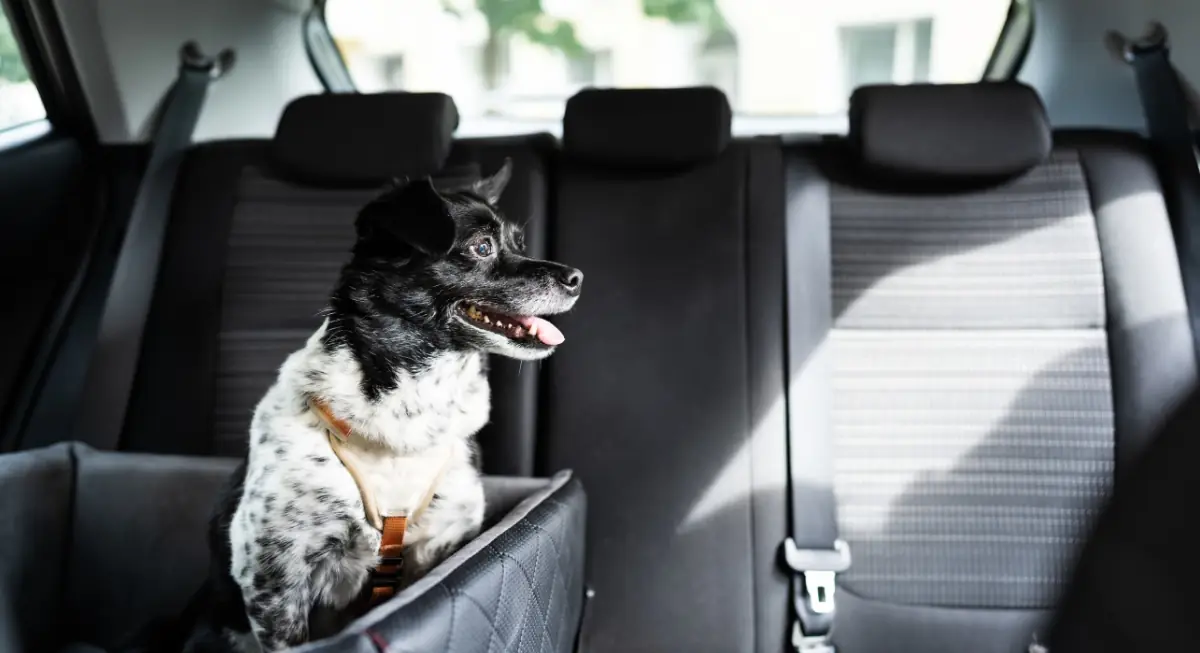
This rule is absolute. Interior temperatures can rise to dangerous levels within minutes, and cold weather creates its own risks. Even windows cracked open do not make a parked car safe, and danger starts at temperatures above 70°F or below 35°F. If your stop does not allow dogs, your dog should not stay in the car.
Time Food and Water Instead of Guessing
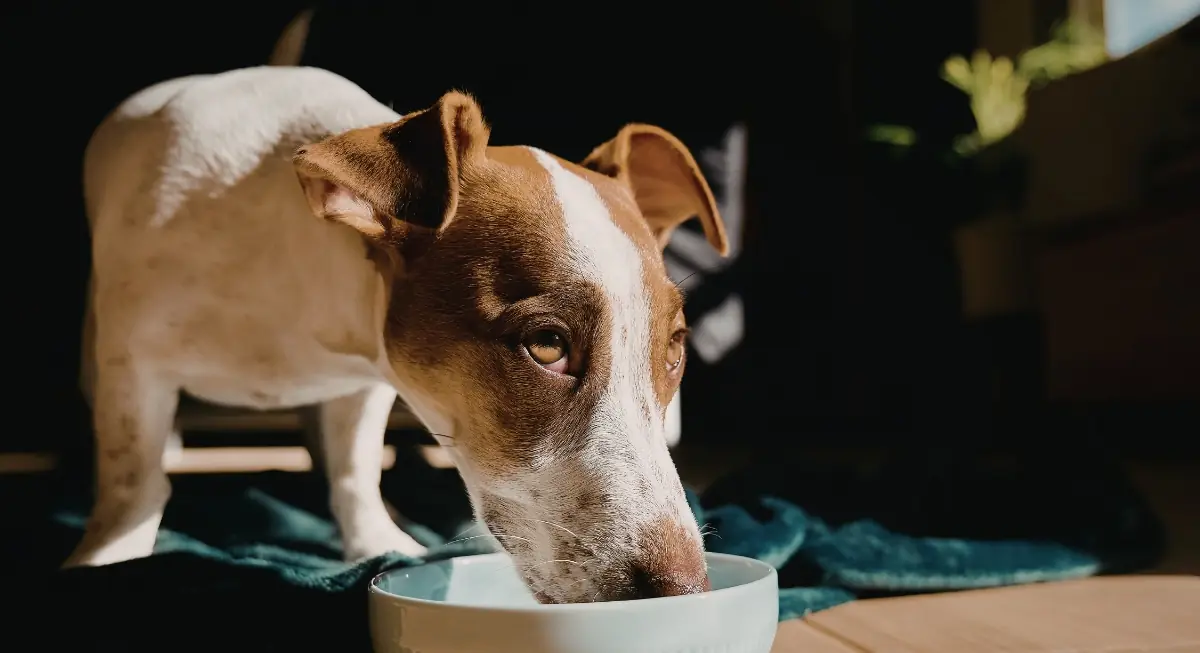
Dogs need water available during travel, but meals need more planning. Feeding right before departure can lead to nausea, vomiting, and a miserable ride. You could do a light meal a few hours before leaving, then feed again during a stop. Do not feed in a moving vehicle. Water should still be offered regularly, especially during longer drives or warm conditions.
Practice the Car Before You Commit to the Trip
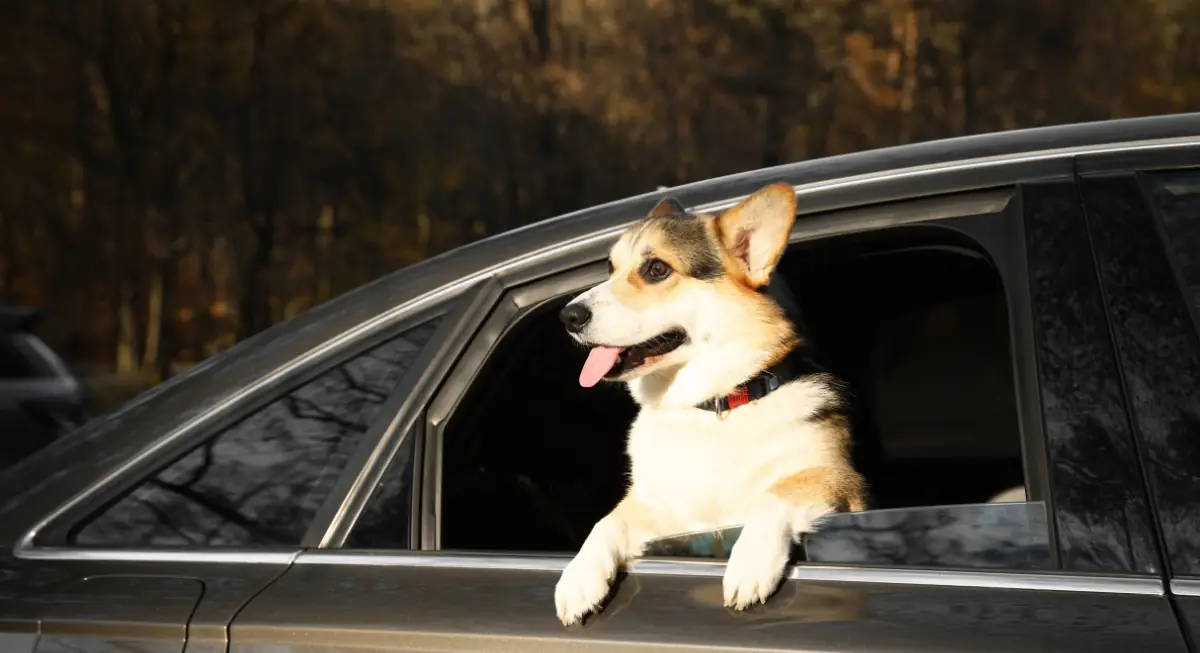
A dog who handles a ten-minute ride to town may still struggle on a five-hour drive. Practice trips matter because they reveal motion sickness, stress, and restlessness before you are deep into a road trip. They also give your dog time to accept a harness, crate, or carrier as normal rather than threatening. Build gradually, and test the same setup you plan to use on the real trip.
Use Stops as a Safety Tool, Not a Courtesy
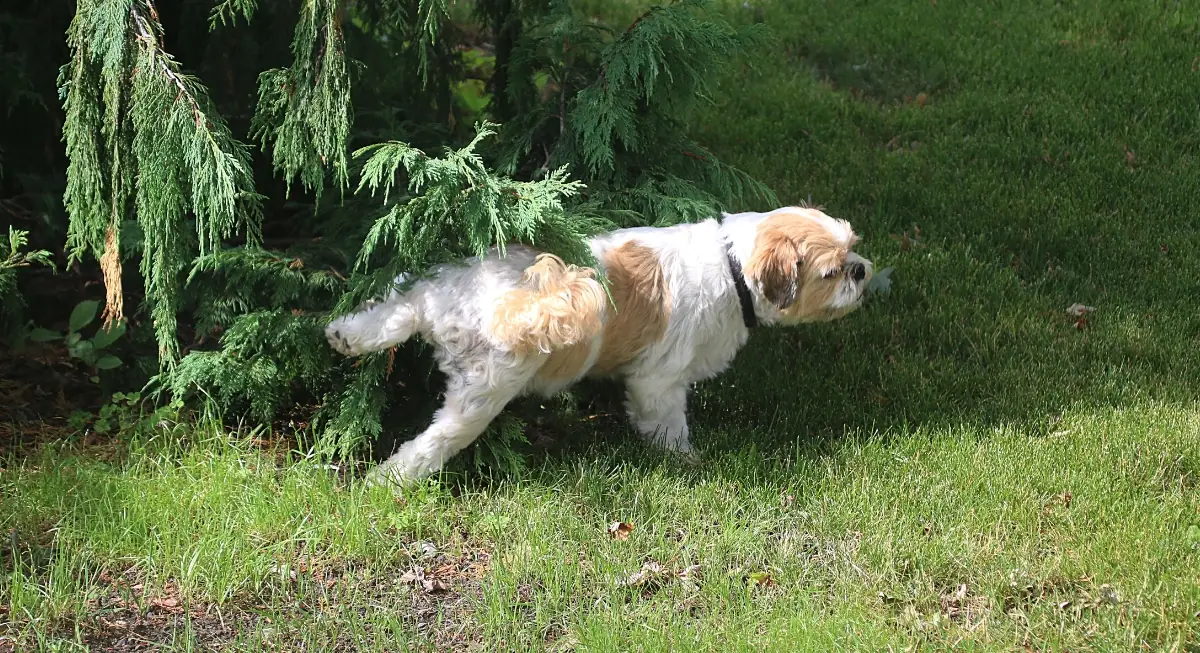
Breaks are not optional on a long drive. Dogs need regular chances to relieve themselves, stretch, drink, and reset. Long hours without a stop increase stress and make escape attempts more likely the moment a door opens. Route planning matters here because safe rest areas are part of the trip, not an afterthought. Younger, older, and smaller dogs often need more frequent stops than healthy adult dogs.
Control How Your Dog Enters and Exits the Car
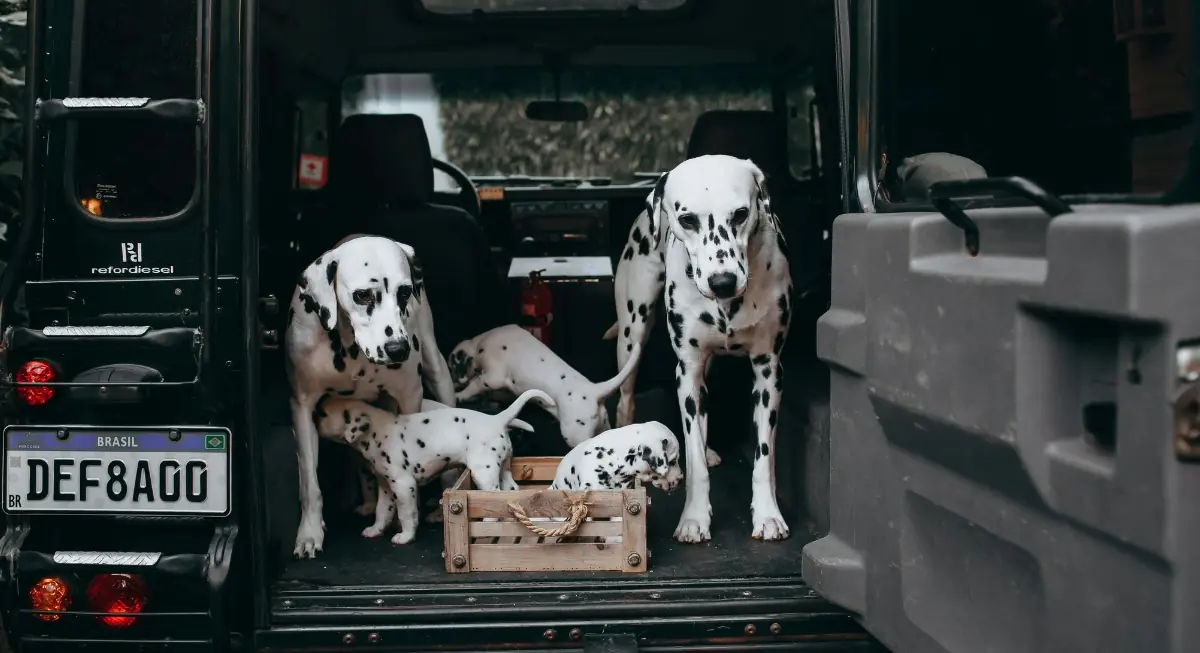
One of the most common risk points is not the drive itself, but the moment a door opens. Dogs can bolt out of the car in seconds, especially in unfamiliar, high-stimulation places like gas stations or rest stops. Always leash your dog before opening any door. If possible, use one consistent door for entry and exit so your dog learns a controlled routine. This reduces sudden movement, prevents escapes, and keeps you in control at every stop.
Make Escape Recovery Easy Before It Happens
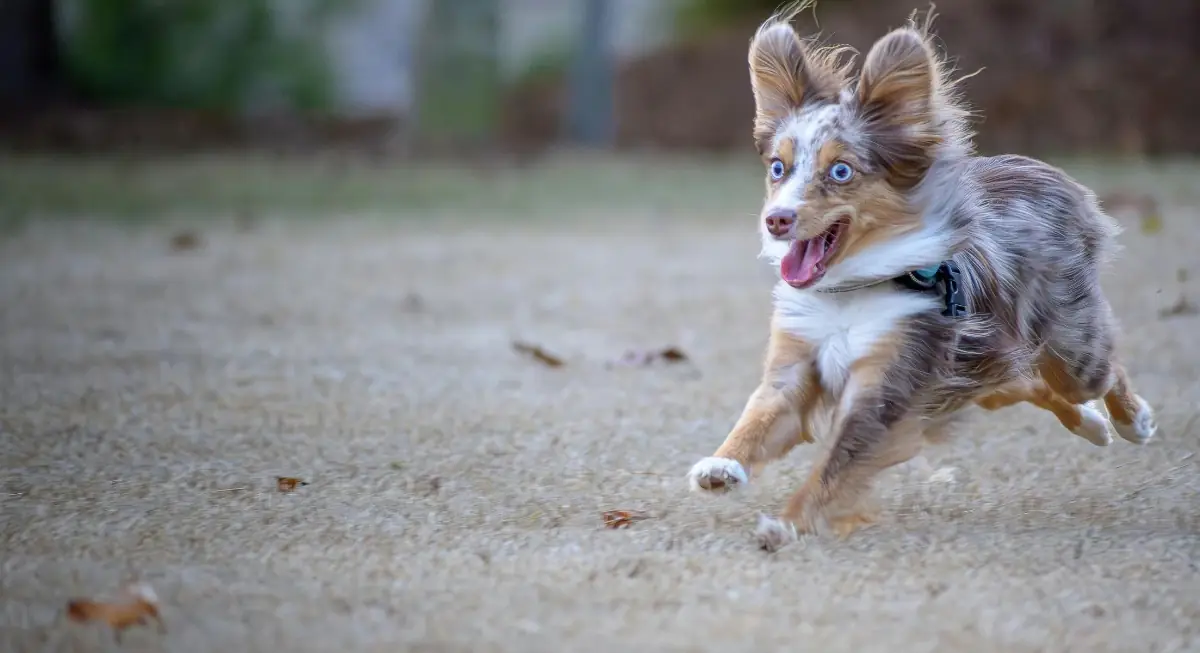
If your dog slips a leash at a gas station or bolts from an unfamiliar parking lot, identification becomes everything. A collar tag with current contact information gives people the fastest way to reach you, and a microchip adds another layer of protection. Bringing an extra leash and collar also matters because travel gear gets wet, dropped, tangled, or left behind more easily than people think.
Carry Records and Emergency Supplies Where You Can Reach Them
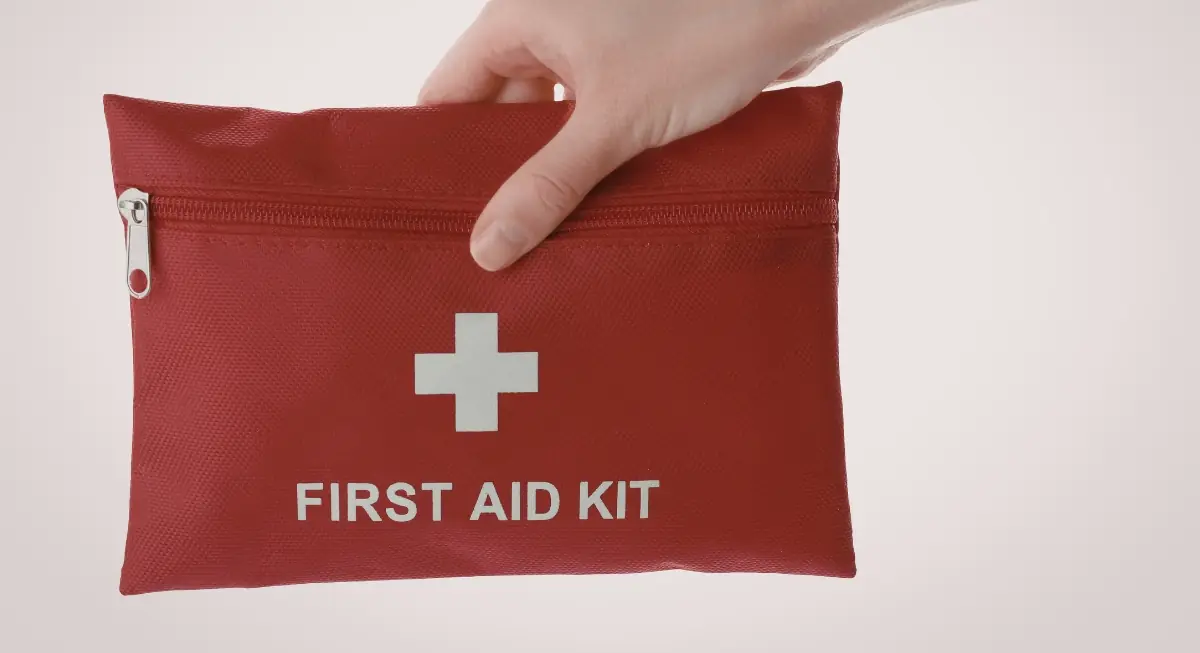
If something happens on the road, you do not want to be searching through bags for vaccination history, medication names, or a phone number. Keep your dog’s records, medications, and a pet first aid kit packed where you can reach them quickly. Some guidance also recommends carrying several days of food, water, and medication in case a storm, accident, or delay leaves you stranded longer than expected.
Lower Their Stress Before the Drive Starts
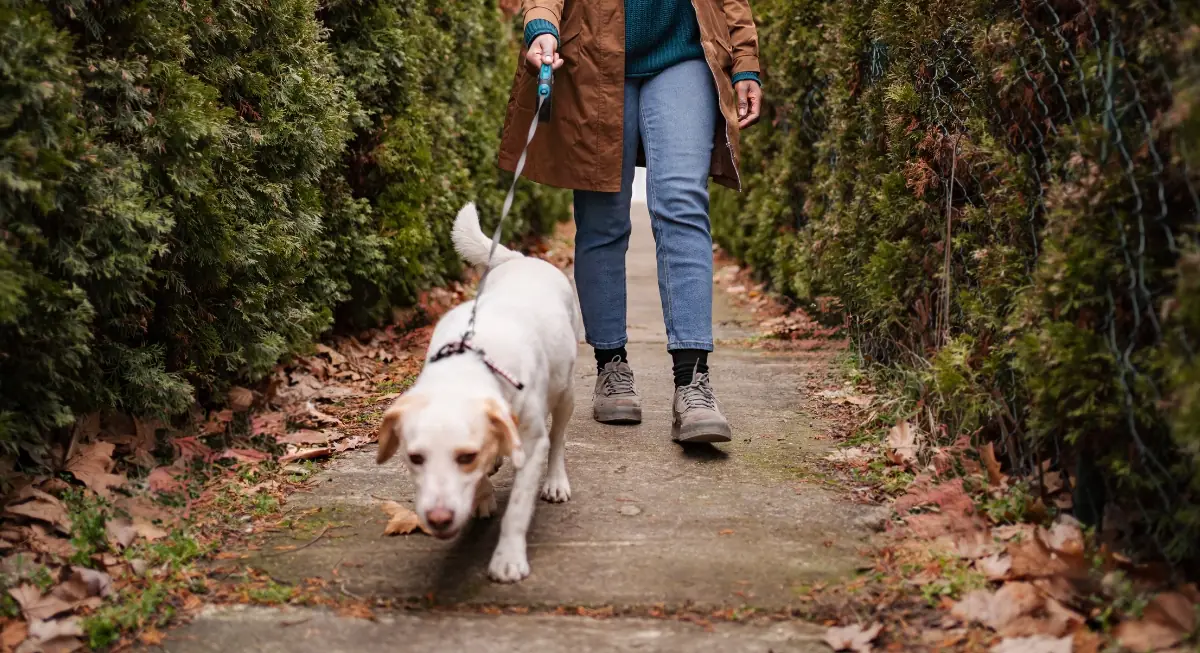
A restless, anxious dog is harder to keep safe. One practical fix is exercise. A long walk, play session, or other activity can take the edge off and make it easier for your dog to settle. Familiar bedding, toys, or chew items can help, too. If anxiety is still obvious, talk to your vet before the trip instead of hoping it improves on its own.
Accept That Some Dogs Should Stay Home
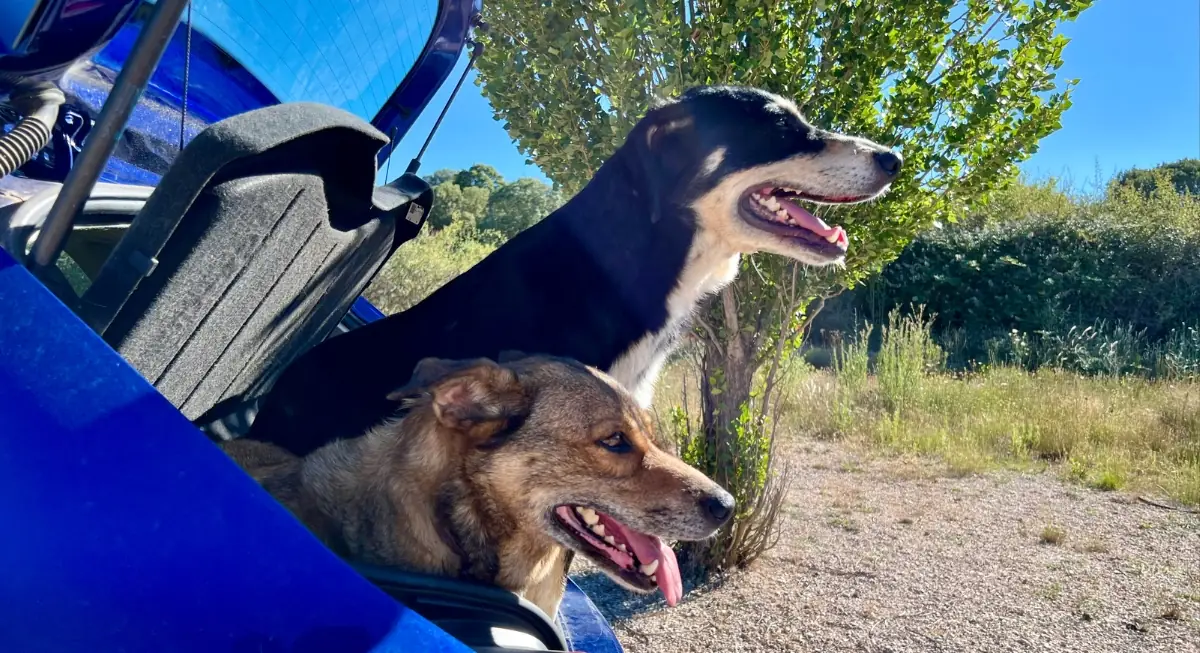
Not every dog is a road-trip dog, and pretending otherwise can put them in danger. Some dogs become carsick, panic in carriers, struggle with new environments, or have health conditions that make travel harder than owners realize. Putting it plainly: some animals are simply more comfortable at home. If the trip would push your dog into sustained stress or medical risk, staying behind is the safer choice.





