
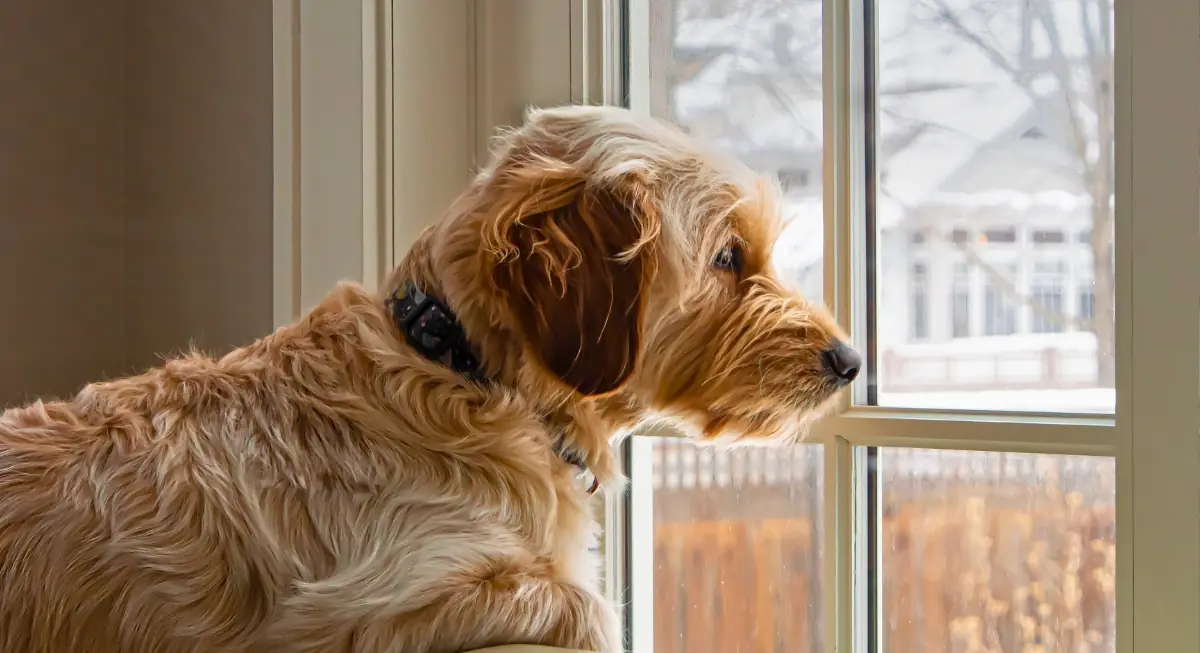
Your dog might not speak your language, but that doesn’t mean they don’t understand what’s going on. They sense your emotions, recognize your routines, and are more in tune with you than you’d realize. Here are secrets your canine knows—but isn’t barking about.
They Can Tell When You’re Down
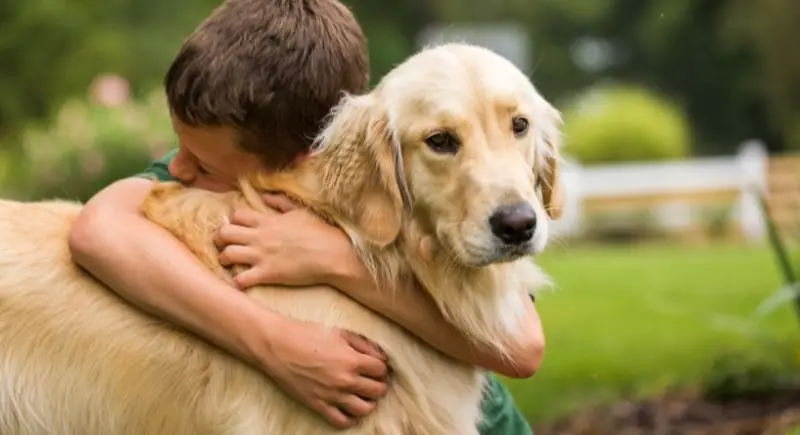
Dogs pick up on body language, tone of voice, and facial expressions. When you’re sad, they often stay close. That quiet nudge or paw means that they’re responding to your emotions in the best way they know how.
Your Schedule Isn’t a Mystery to Them
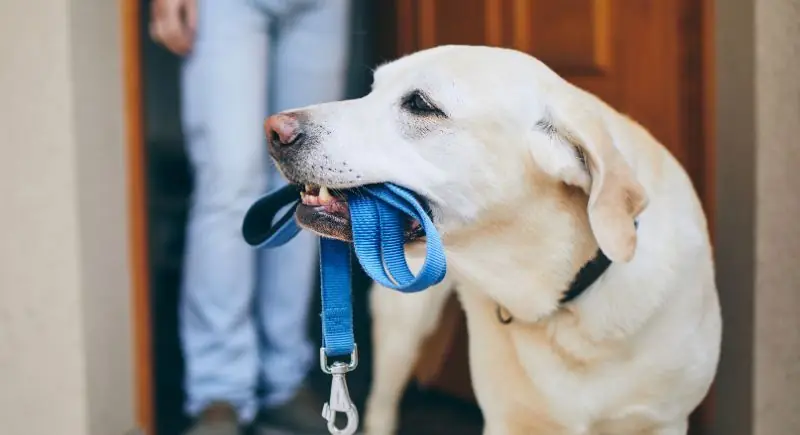
They notice when you get dressed, reach for your keys, or pour your coffee. Those repeated patterns stick. That’s why your dog waits at the door before you leave or gets excited when it’s time for your daily walk.
They Watch How You Interact With People
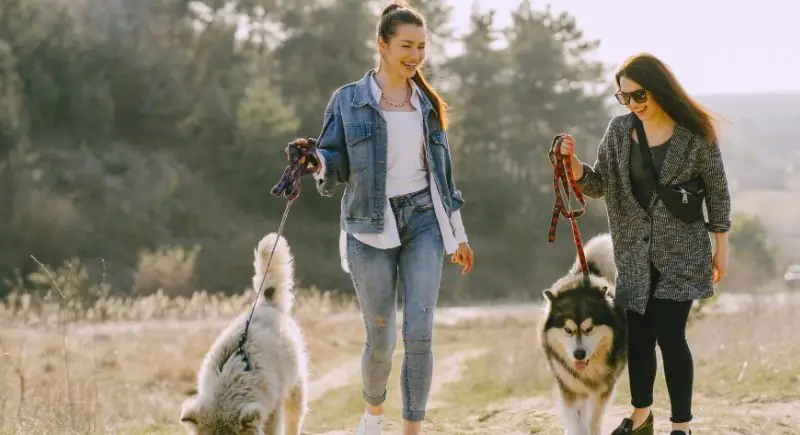
It is natural for your four-legged friend to form opinions based on how you treat others. If you’re relaxed around someone, they’re likely to be friendly too. If you’re tense, they might act cautious or even stand between you and the other person.
That Nose Can Sniff Out More Than Snacks
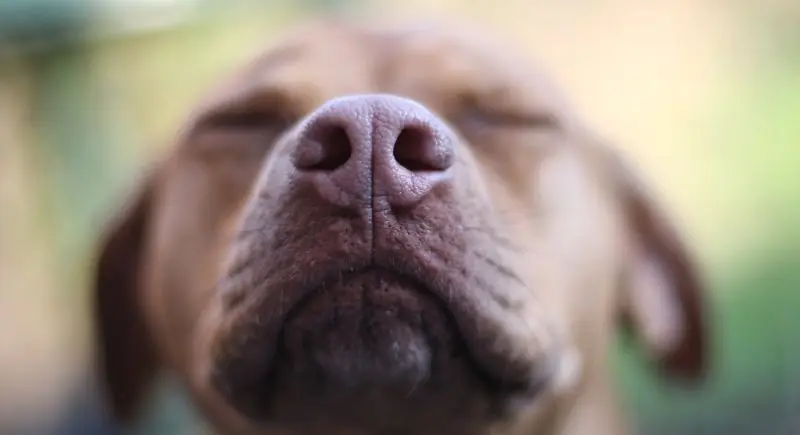
A dog’s sense of smell is thousands of times stronger than yours. They can detect changes in your body scent that signal illness. Some pups have even been trained to alert people to conditions like low blood sugar or certain cancers.
You Leaving? They Know It Before You Do
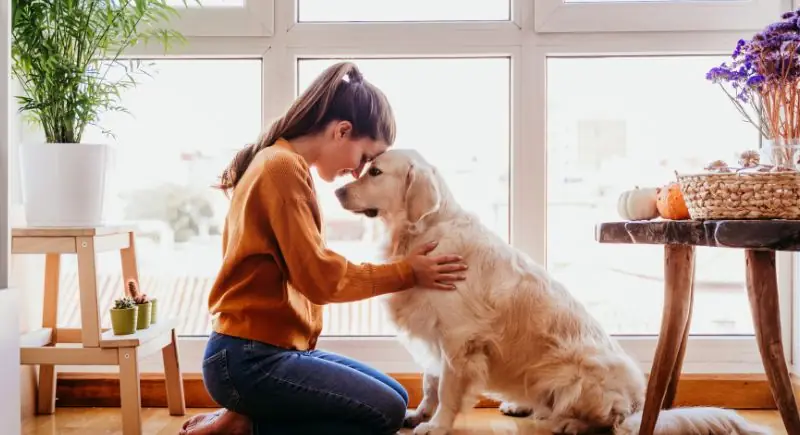
Subtle cues give you away. Picking up your bag, putting on shoes, or even grabbing a water bottle might trigger a reaction. Dogs tie those actions to being left alone and often respond with pacing or attention-seeking behavior.
The Tone of Voice Speaks Louder Than Words

Dogs may not understand the words, but they hear your tone. Say something in a happy voice—even if it’s nonsense—and you’ll likely see a tail wag. A sharp tone, on the other hand, gets their attention in a different way.
They Sense When You’re Under the Weather

When you slow down, stay in bed, or skip routines, your dog notices. Many become more attentive by following you from room to room or resting nearby. It’s one way they show concern when something isn’t right.
Playing Favorites Doesn’t Go Unnoticed

If one dog consistently gets more attention, treats, or privileges—like extra cuddle time on the couch—others often notice. Some may respond by acting out: barking, getting into things they usually don’t, or even becoming clingy. Others might quietly distance themselves or shift their attention to the person who gives them the most affection.
They’ve Figured Out How to Get Their Way
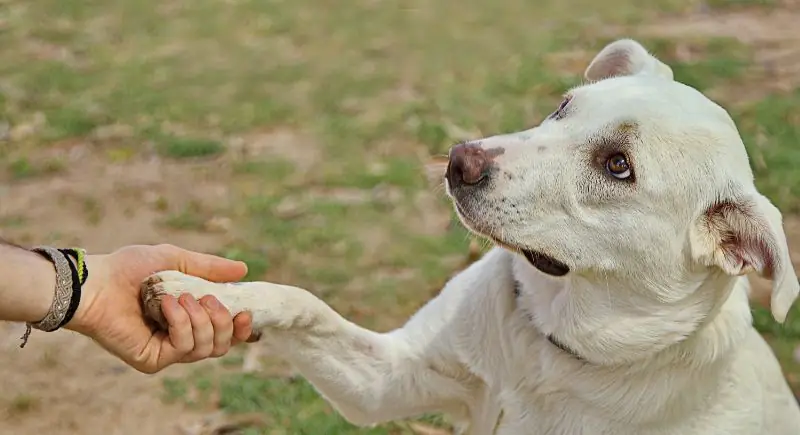
Over time, your friendly pal will learn which actions get results. A head tilt, a soft whine, or a paw on your leg might earn them treats or affection. They don’t forget what works—and they’ll try it again when it counts.
Your Stress Rubs Off on Them

Dogs often mirror your mood. If you’re restless or anxious, they may become clingy or act unsettled. Their ability to read your energy is strong, and it often shows in how they behave when you’re overwhelmed.
Your Scent Stays With Them

Even after you leave, your scent lingers. Dogs use smell to recognize people and places. That’s why a favorite blanket or shirt can comfort them. It brings back a strong sense of connection.
That “Guilty” Face Isn’t What You Think

What looks like guilt is usually a response to your tone and posture. Remember, your four-legged friend doesn’t feel guilty the way humans do. They’re reacting to how you’re acting, not to what they did two hours ago.
They Know When You’re Not Fully Present

When your focus shifts to your phone or computer, your canine may notice—and act up. Many dogs nudge, bark, or grab toys to pull you back in. They know when they’re being ignored, even if it’s not on purpose.
You’re Not Just a Pet Owner—You’re Family
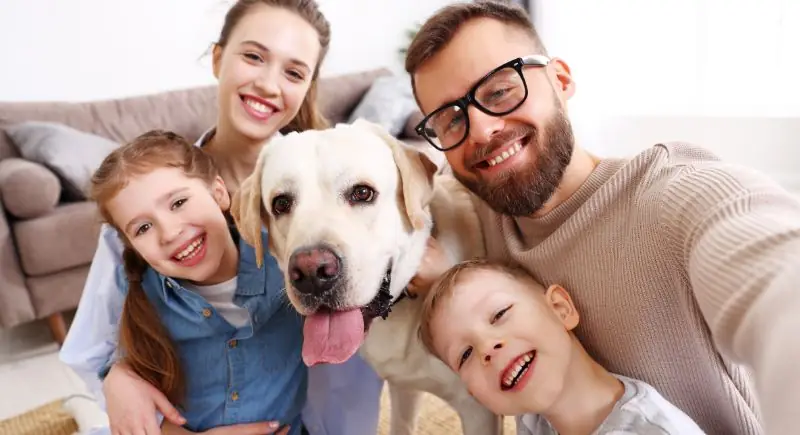
Studies show dogs form emotional bonds with their humans. Their brains release oxytocin, the same hormone that strengthens human relationships. This connection helps explain their loyalty, protectiveness, and affection.
They Can Understand Dozens of Words
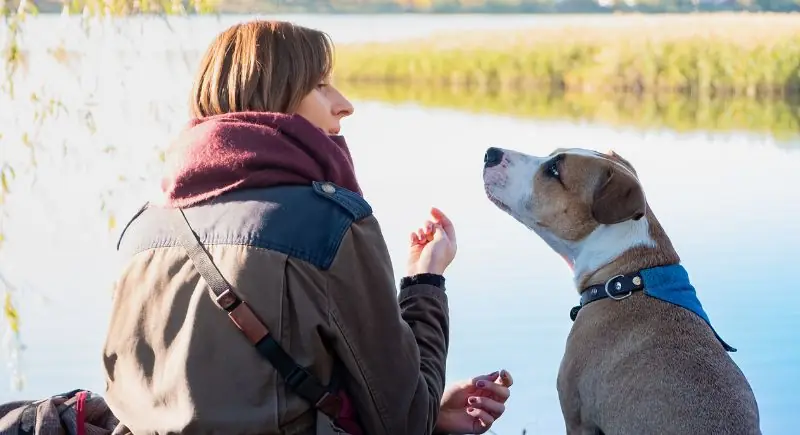
Some pups respond to over 100 different words or phrases. They learn the names of toys, routines like “go outside,” and commands beyond just “sit” or “stay.” What you say—and how you say it—matters more than you think.
Being Left Alone Hurts More Than You Know
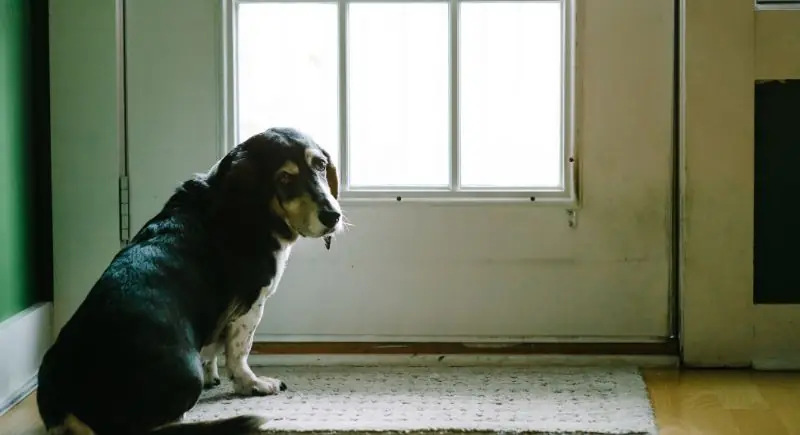
When you leave, your dog doesn’t just miss you—it may feel distress. Studies show that pets experience spikes in cortisol, a stress hormone, when separated for too long. Regular alone time is okay, but they thrive on human connection.
They Can Smell Time Passing
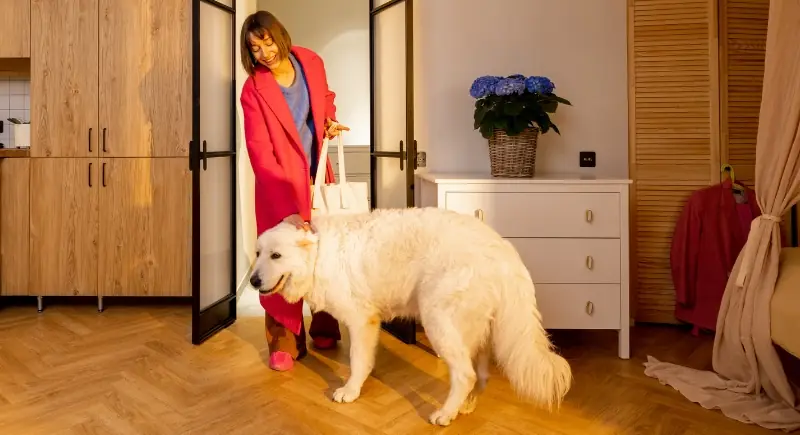
It sounds wild, but dogs may actually sense time through scent. As hours pass, your smell inside the house fades and shifts. Research suggests dogs notice those tiny changes. That might explain why some head to the door right before you usually get home. Your schedule lingers in the air.
They Understand What It Means When You Point

Point at a toy across the room, and most dogs will follow your finger without hesitation. That is not something many animals naturally do. Studies show dogs are unusually skilled at reading human gestures. It is another sign that living alongside people shapes how closely they pay attention.





