

Senior dogs have a special charm that melts hearts, but as they slow down and snuggle more, some sneaky health issues quietly creep in. This article lists the most overlooked health issues in senior dogs, so every golden oldie can enjoy their twilight years in tail-wagging comfort and top dog style.
Vision Loss

Cataracts, glaucoma, and retinal degeneration sneak up with age. Your dog might start hesitating at stairs or bumping into furniture—subtle signs that get shrugged off. Vision loss in dogs is often underdiagnosed because dogs adapt fast, but that doesn’t mean they’re comfortable.
Dental Disease
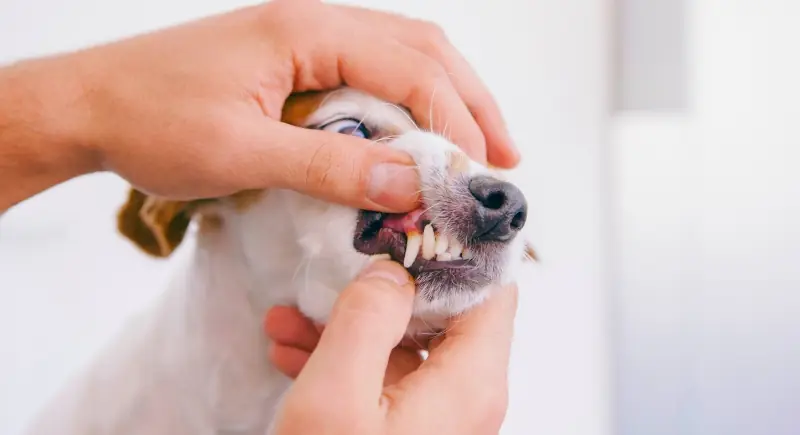
Doggy breath is like a bacterial party you definitely didn’t RSVP to. Plaque buildup, gum inflammation, and decaying teeth can lead to infections affecting internal organs. The American Veterinary Dental College says more than 80% of dogs over three already have dental disease. Now imagine that in a senior.
Cognitive Dysfunction (Canine Dementia)
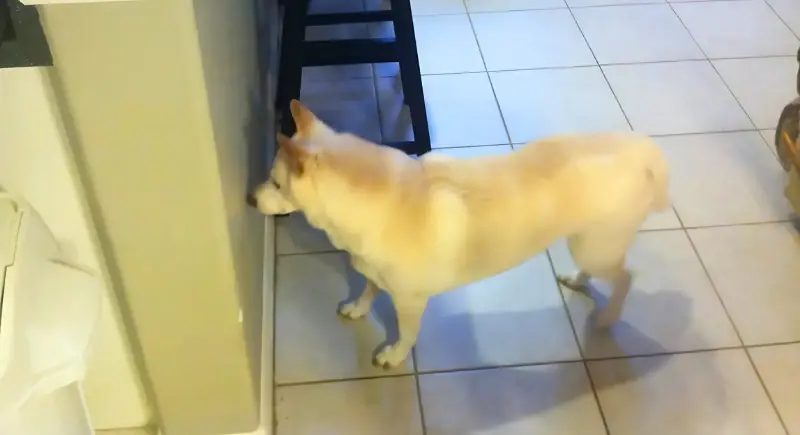
A dog that forgets where the door is, stares at walls, or gets stuck in corners isn’t just being quirky. Canine Cognitive Dysfunction (CCD) affects brain function much like dementia in humans. The signs creep in gradually. It’s not curable, but it’s manageable with the proper diet, mental stimulation, and sometimes medication.
Weight Fluctuations
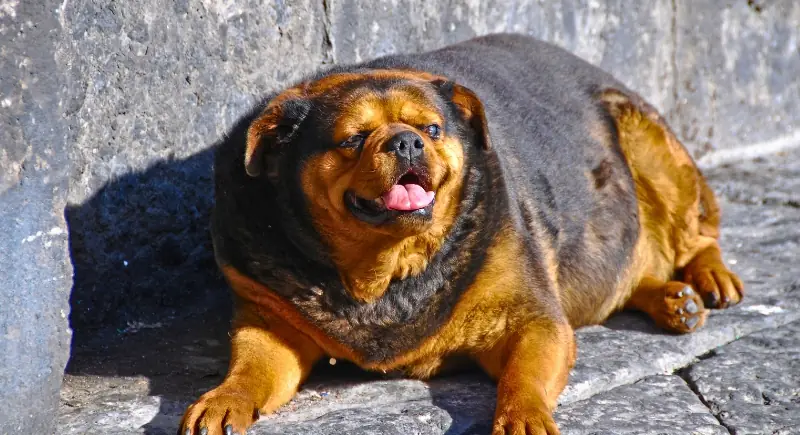
Senior dogs rarely gain or lose weight for no reason. A sudden pudge might be linked to a sluggish thyroid, while unexplained weight loss could mean kidney trouble, diabetes, or even cancer.
Skin Growths and Lumps
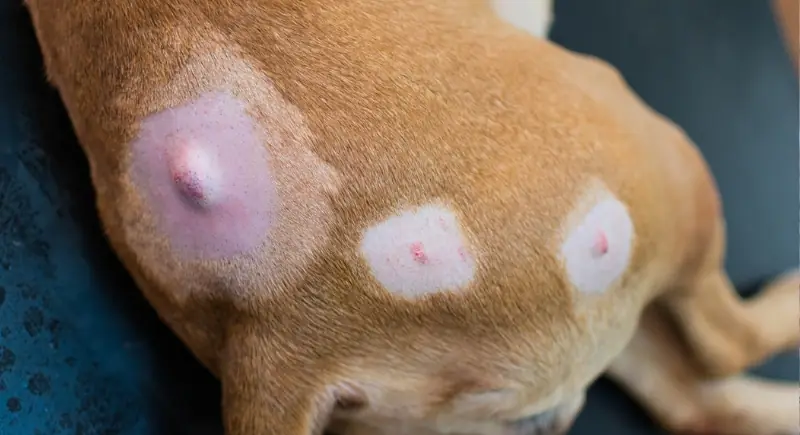
Not every bump is bad news, but ignoring them is risky. Senior dogs commonly sprout fatty tumors, cysts, or warts. Most are harmless, but some can be cancerous. These growths often look the same on the outside. If a lump changes size, shape, or texture, have it checked.
Hearing Loss

Dogs won’t tell you their ears are shot—but they’ll start missing cues, ignoring calls, or jumping at sudden noises. It’s often blamed on stubbornness or aging, but it’s usually gradual hearing loss. Vets say age-related deafness happens when the tiny hair cells in the inner ear wear down.
Kidney Disease
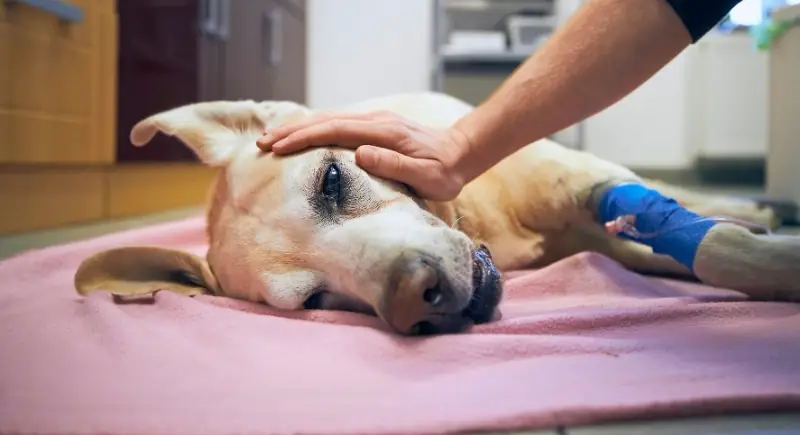
The kidneys keep things balanced, but the signs are easy to miss when they start slipping. Extra water bowls, frequent peeing, or mild nausea often go unnoticed. Chronic kidney disease is one of the most common conditions in older dogs, mainly affecting breeds like Cocker Spaniels and Shih Tzus.
Hypothyroidism
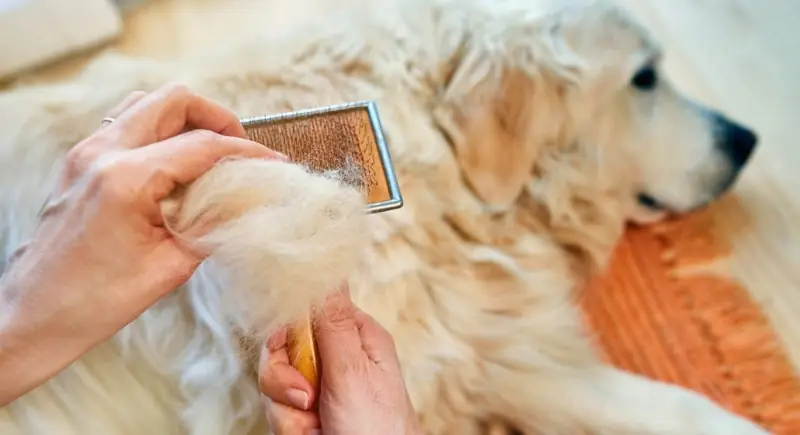
When the thyroid slows down, so does everything else. Dogs with hypothyroidism often gain weight, lose fur, and act sluggish. Some even seem depressed. This hormonal disorder is more common in middle-aged to senior dogs, especially Golden Retrievers and Dobermans. The good news, however, is that it’s super treatable.
Cancer (Especially Hidden Tumors)

Not all cancers show up as lumps on the skin. Many grow silently inside, causing subtle changes like appetite loss, unusual fatigue, or unexplained weight loss. Hemangiosarcoma, for example, hides in the spleen or heart and rarely gives early warning signs. Cancer is sadly one of the leading causes of mortality in senior dogs.
Digestive Problems
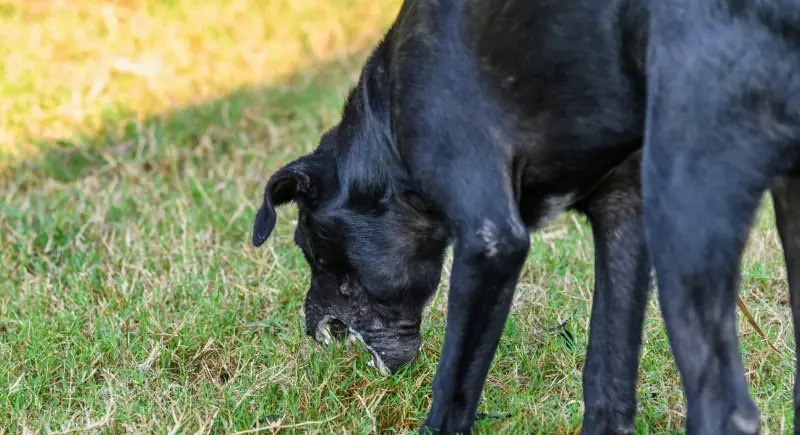
An older stomach just doesn’t bounce back the way it used to. Senior dogs might develop food sensitivities, slower digestion, or chronic inflammation. Diarrhea, gas, and occasional vomiting become more frequent, and often get brushed off. However, consistent gut trouble could signal pancreatitis, irritable bowel syndrome, or a low-grade infection.
Incontinence or Urinary Issues

A few indoor puddles might seem forgetful, but senior dogs’ bladder issues are more than just “oops” moments. Incontinence affects spayed females more often, and older males can struggle too, especially with prostate problems. Leaks during sleep, frequent dribbling, or constant licking back there are common signs.
Anemia

When a dog looks pale, tired, or just doesn’t have that usual spark, anemia could be to blame. It’s not a disease, but a symptom that often points to chronic illness, internal bleeding, parasites, or autoimmune issues. Gums that look more bubblegum-pink than red are a common red flag.
High Blood Pressure
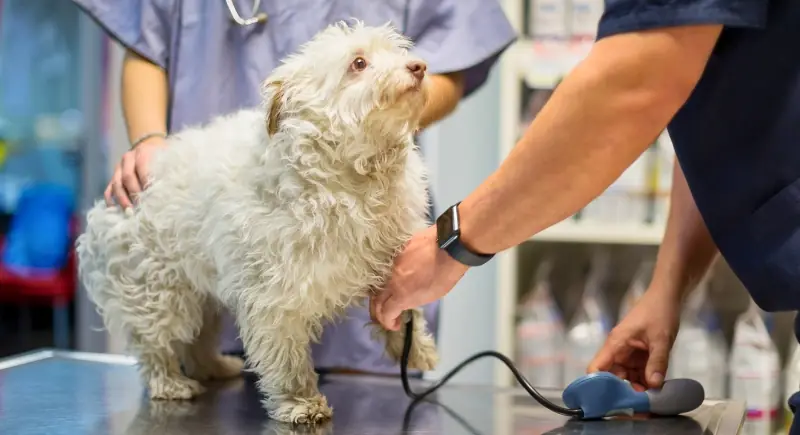
It’s not just a human thing—dogs can develop hypertension too. Senior pups with kidney disease, heart conditions, or endocrine disorders are at higher risk. You won’t see symptoms right away. Instead, it creeps quietly by damaging eyes, brain, and organs over time. Sometimes it causes sudden blindness or seizures.
Anxiety or Behavioral Changes

That clingy, pacing, suddenly-needy behavior isn’t just a personality shift. It might already be anxiety. Older dogs can become more sensitive to noise, separation, or routine changes. Some develop nighttime restlessness or seem uneasy without obvious triggers. Age-related anxiety ties closely to cognitive decline, loss of hearing, and vision changes.
Muscle Loss (Sarcopenia)

A once-brawny pup turning bony and frail is likely to have sarcopenia, age-related muscle loss. It happens slowly by starting with thinning legs or a sagging back end. It affects mobility, balance, and overall energy. Older dogs that nap more or avoid exercise tend to lose muscle faster, and it becomes a cycle.
Orthopedic Pain and Mobility
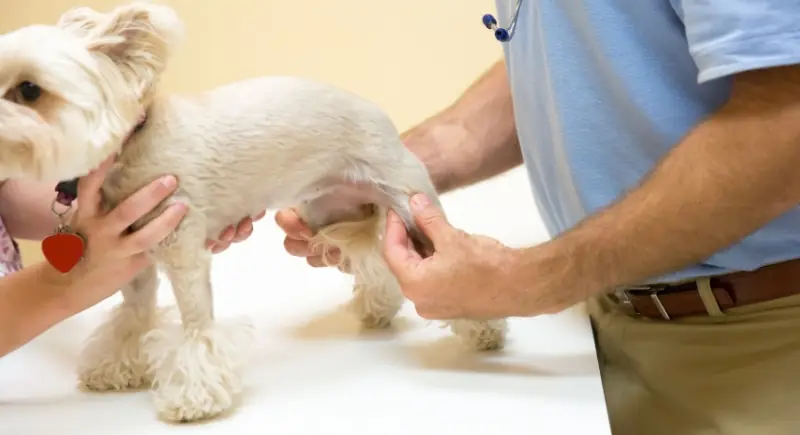
Vets note that slowing down is often dismissed as “just getting old,” but it is frequently undiagnosed osteoarthritis. Chronic pain can manifest as hesitating before car rides, slipping on hardwood floors, or shifting weight while standing. In 2026, targeted pain management and physical therapy are standard for helping seniors maintain their stride.
Heart Valve Disease

Degenerative Mitral Valve Disease is incredibly common in senior small-to-medium breeds, but often goes undetected until a routine checkup. A subtle cough, especially at night or after exercise, can be the first red flag. Early detection through heart murmur screening allows for medication that can significantly extend a senior dog’s quality of life.





