
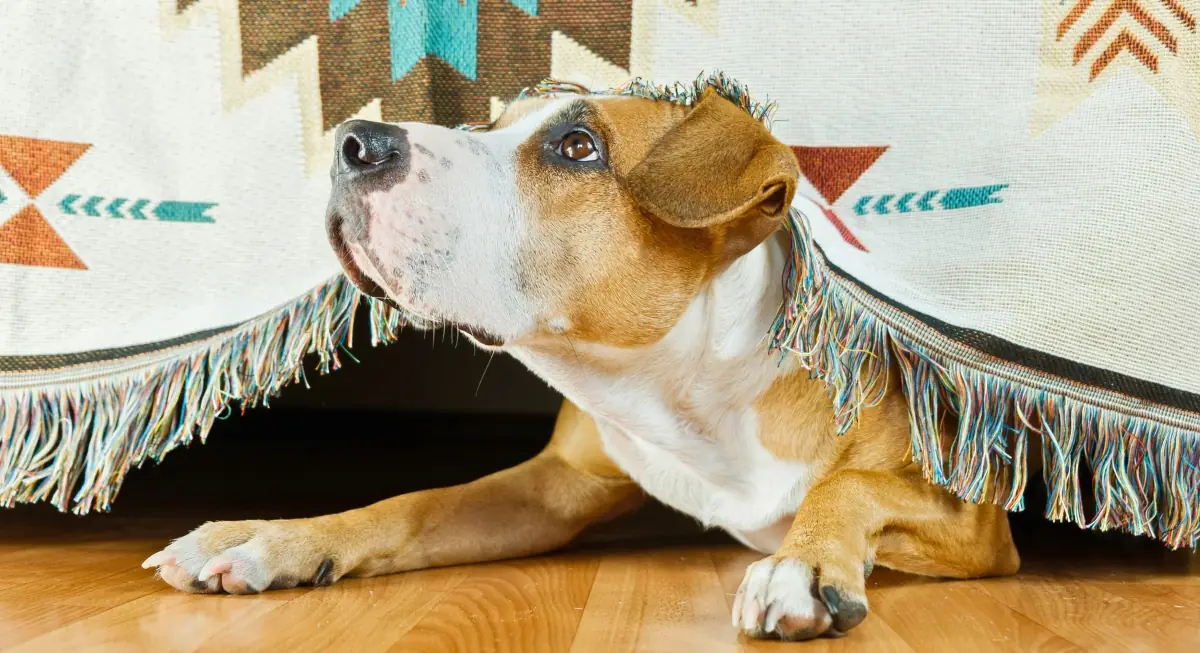
Your dog might not be howling at the moon or shredding the couch, but that doesn’t mean they’re totally chill. Anxiety in dogs is sneaky and shows up in ways that are easy to miss until you know what to look for. This list breaks down signs that can help decode a dog’s secret stress signals.
Excessive Barking
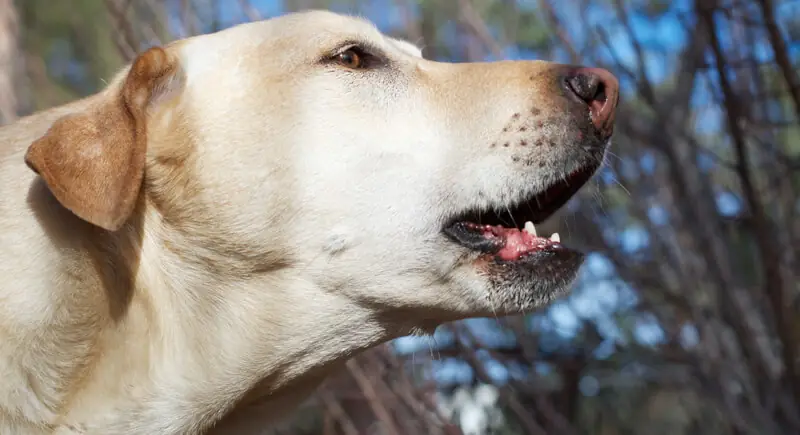
Dogs bark, but something is off when it’s nonstop or triggered by the most minor things. This might happen when left alone, in new environments, or around unfamiliar people. Anxious barking tends to sound higher-pitched, frantic, or desperate.
Tucked Tail
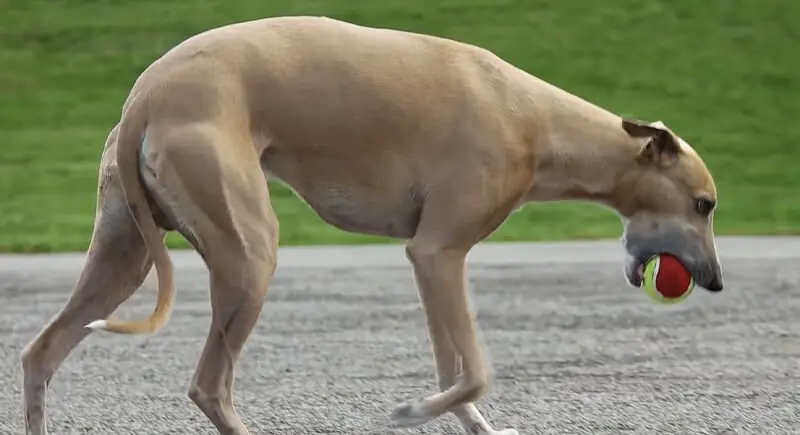
This is often seen in fearful situations, such as during thunderstorms, at the vet’s office, or when meeting a particularly overenthusiastic toddler. Some dogs even tuck their tail when they sense an argument brewing in the house.
Avoiding Eye Contact
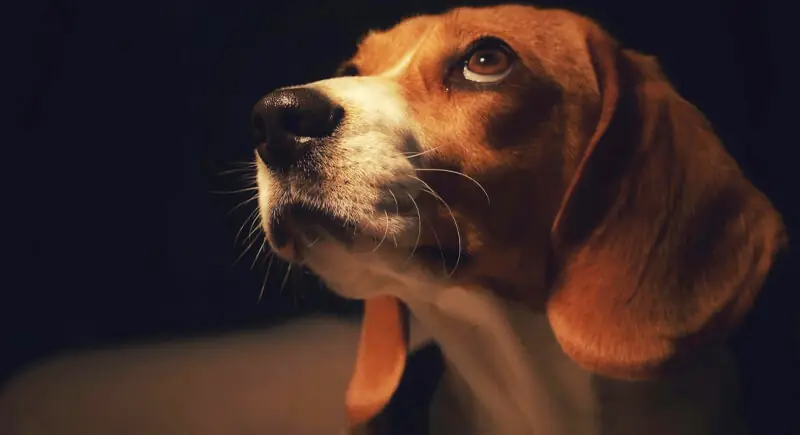
Dogs use eye contact to communicate, but sometimes, they avoid it on purpose. Prolonged eye contact can be challenging in the dog world, so an anxious dog may prevent it altogether. If your dog suddenly won’t meet your eyes, check the environment. A stressful trigger, like a new guest or an unfamiliar noise, might be at play.
Excessive Yawning
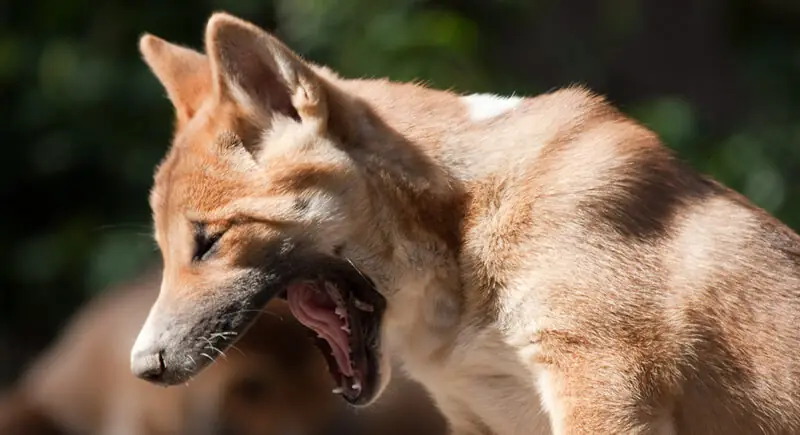
Dogs also use yawning to calm themselves in stressful moments. It’s like a nervous tic, except way cuter. If your dog lets out a dramatic yawn when there’s no nap in sight, it could be feeling anxious. A single yawn isn’t a big deal, but frequent yawning paired with other stress signals means it’s time to intervene.
Lip Licking
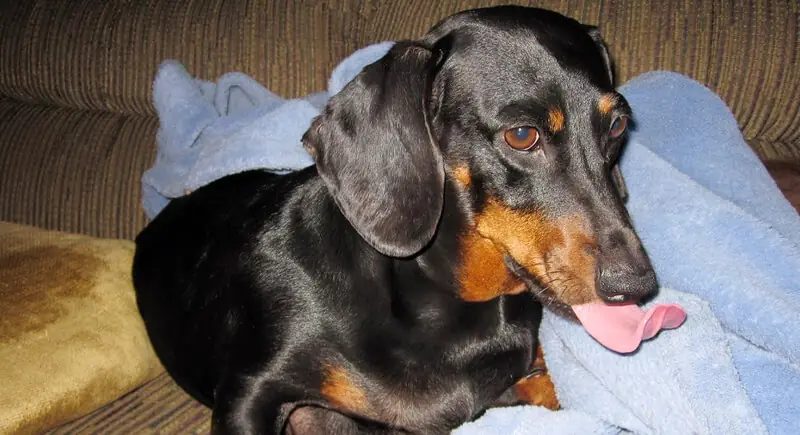
A dog licking their lips after a treat is typical, but doing so when there’s no food in sight is stress alert. You might see this in response to scolding or loud noises. If this happens frequently, check for stressors and try redirecting their focus with a fun activity or a comforting touch.
Pacing
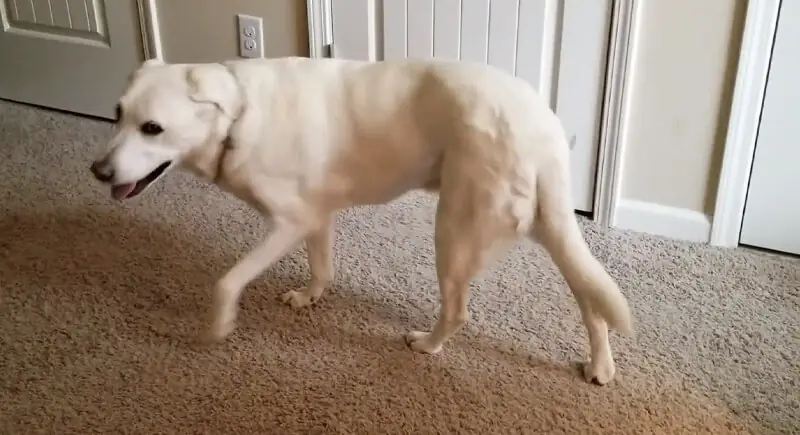
Pacing back and forth is often a sign of a restless mind. Dogs need an outlet for their nervous energy, and pacing is one way to burn it off. A structured routine, mental stimulation, and extra exercise can work wonders. Calming aids like pheromone diffusers or anxiety wraps might also help.
Panting
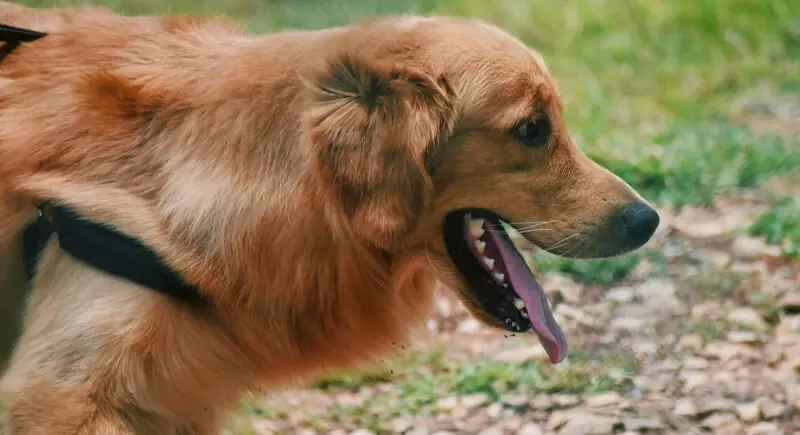
Anxiety-driven panting often happens with no apparent physical reason and can be accompanied by other stress signs like trembling or whining. It’s their version of a nervous sweat. If panting seems out of place, try speaking calmly, offering a familiar object, or removing them from the stressful environment.
Dilated Pupils
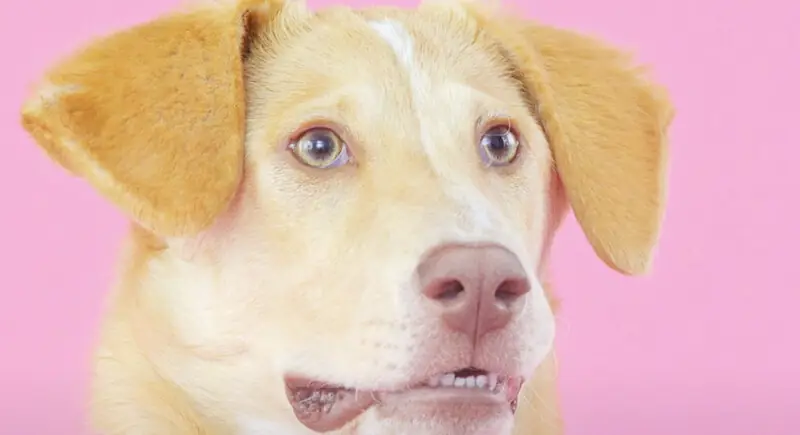
A dog’s eyes reveal more than most people realize. When a pup feels anxious, its pupils may dilate, which could make its eyes look rounder or darker than usual. This happens because stress activates the fight-or-flight response and increases alertness.
Ears Pulled Back
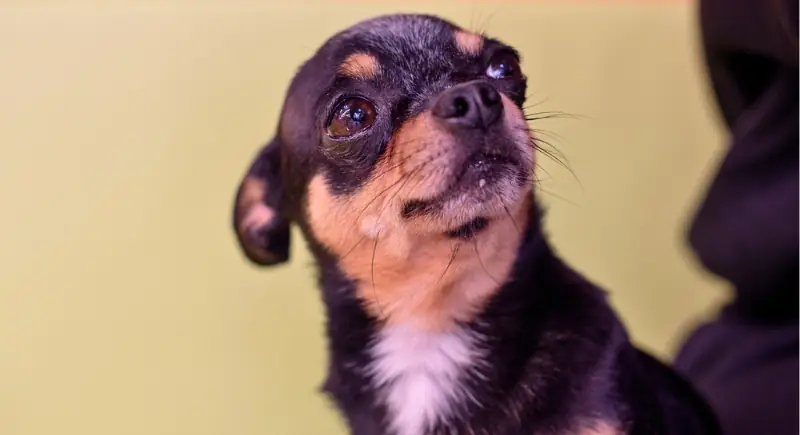
When a dog pulls its ears flat against its head, it often means it’s uneasy or scared. This body language is common at times when they hear loud fireworks or meet an intimidating dog at the park. Some dogs even do this when they sense their owner’s frustration.
Destructive Behavior
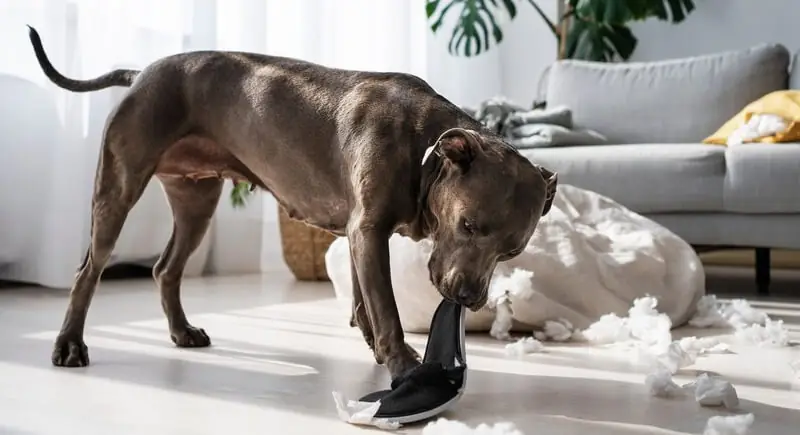
Chewed-up shoes, shredded pillows, and gnawed-on furniture aren’t just signs of a mischievous pup—they can be clues that anxiety is at play. Dogs with separation anxiety cope through destructive behaviors, which help them release nervous energy and self-soothe.
Excessive Licking
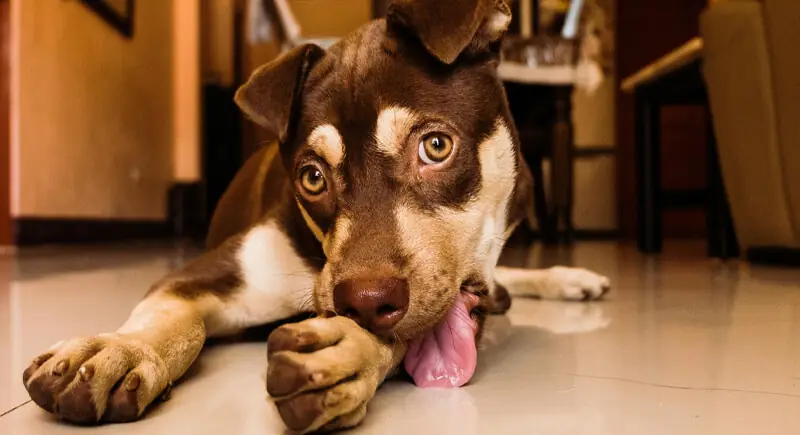
Excessive licking often serves as a self-soothing habit similar to nail-biting in humans. Stress reduction techniques, interactive toys, and even anti-anxiety supplements help curb this behavior. Checking for medical issues like allergies or pain is also a good idea—sometimes, there is physical discomfort causing the habit.
Loss of Appetite
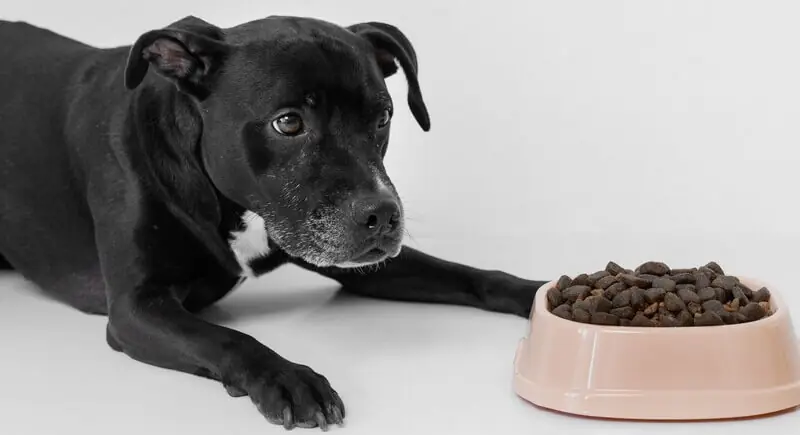
Food is usually a highlight of a dog’s day, so if they suddenly turn their nose up at dinner, something’s wrong. Stress dampens their appetite and makes them uninterested in meals or treats. This happens during significant life changes, like moving to a new home.
Frequent Urination
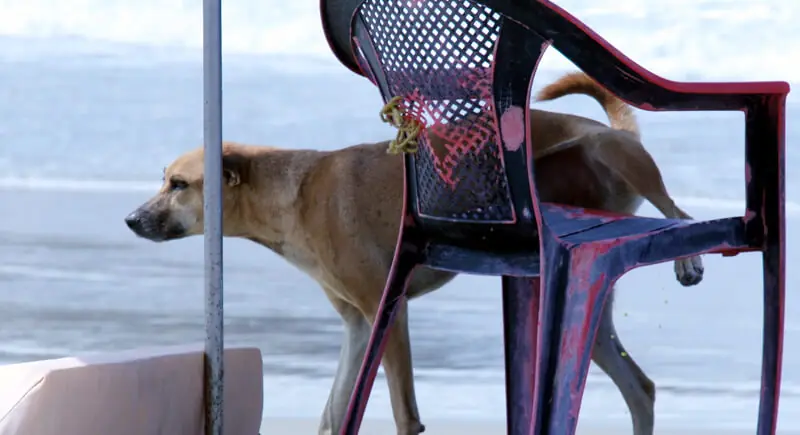
Anxiety affects a dog’s digestive and urinary systems. This is especially common in situations where they feel overwhelmed, like during thunderstorms or when left alone for too long. Reducing anxiety triggers, giving frequent potty breaks, and using positive reinforcement for calm behavior can help. If it continues, checking for medical issues is a smart move.
Defecation in the House
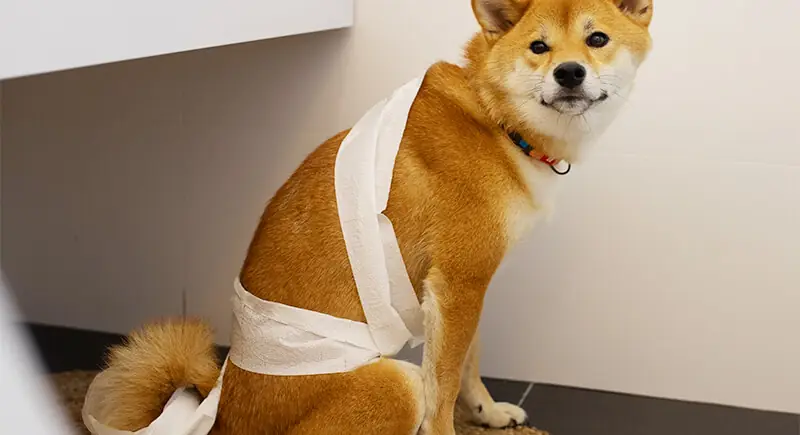
If a fully house-trained dog suddenly starts having accidents, stress could be the reason. Nervousness triggers an overactive digestive system and makes dogs go when they usually wouldn’t. Scolding won’t help; it’ll only make the anxiety worse. Instead, address the root cause.
Changes in Sleep Patterns
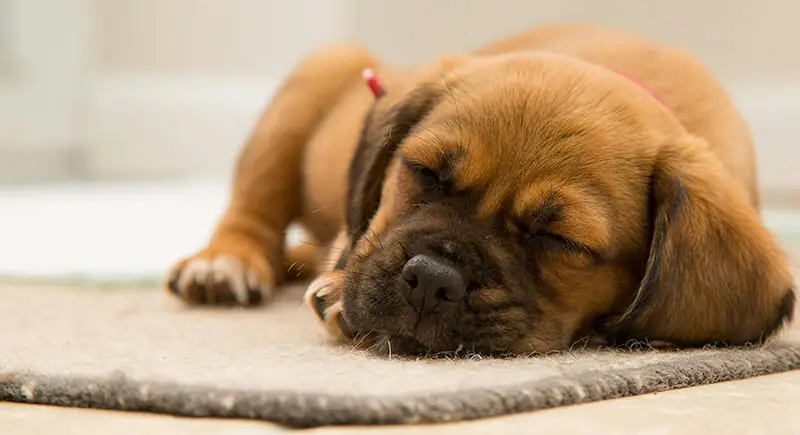
A dog that usually snoozes through the night but suddenly becomes restless might be stressed. Anxious dogs may wake up frequently, pace around, or struggle to settle. Others sleep excessively to escape stress.
The “Wet Dog” Shake (When Dry)
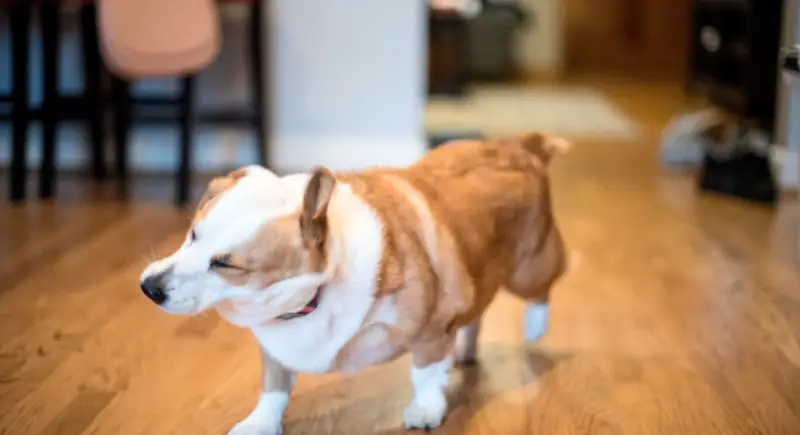
That full-body shake usually follows a bath, but anxious dogs do it to release tension. It often arises after a stressful moment, such as a loud noise or an awkward interaction. Think of it as a physical reset button, shaking off nerves when emotions run high.
Sweaty Paw Prints
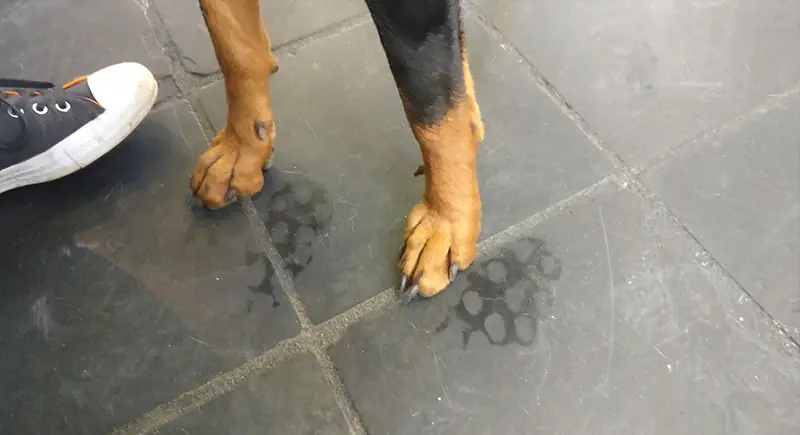
Dogs sweat through their paws, so damp prints on the floor can be a quiet stress clue. Anxiety triggers adrenaline, which ramps up moisture fast. If paw prints appear during car rides, vet visits, or thunderstorms, nerves are likely driving the mess, not a warm room.





