
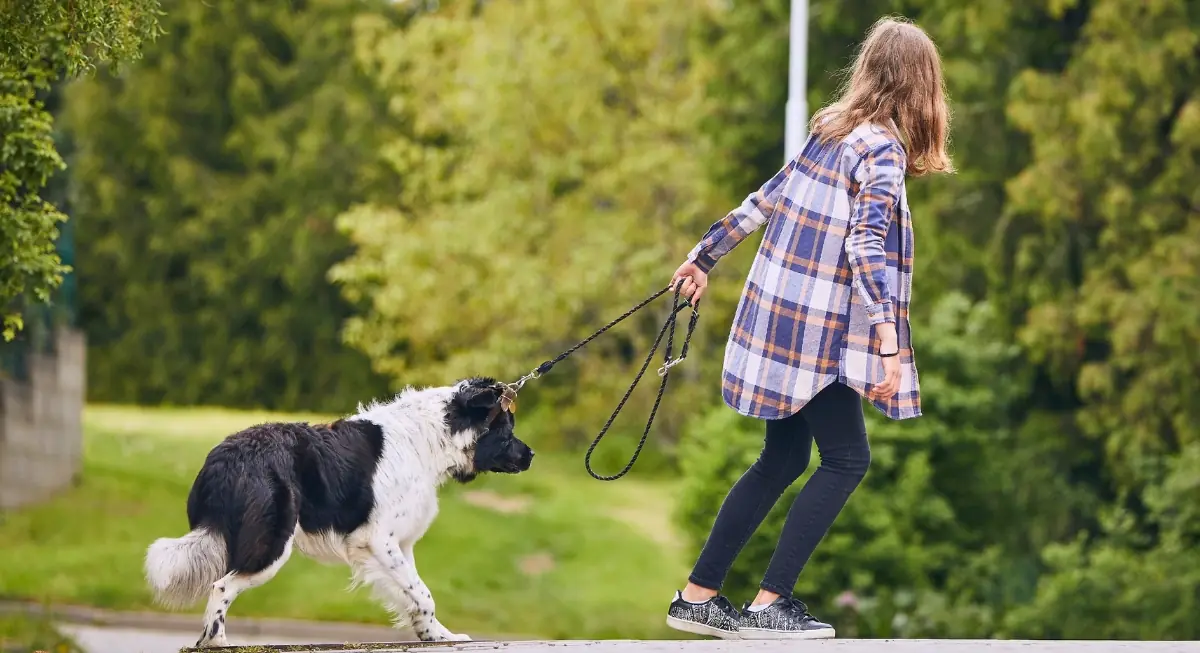
Not every dog responds easily to training. Certain breeds have strong instincts, high independence, or a deep focus on their surroundings, which makes them slower to respond to directives. Their stubbornness just signals a different kind of thinking.
The following list includes breeds known for this independent streak.
Akita
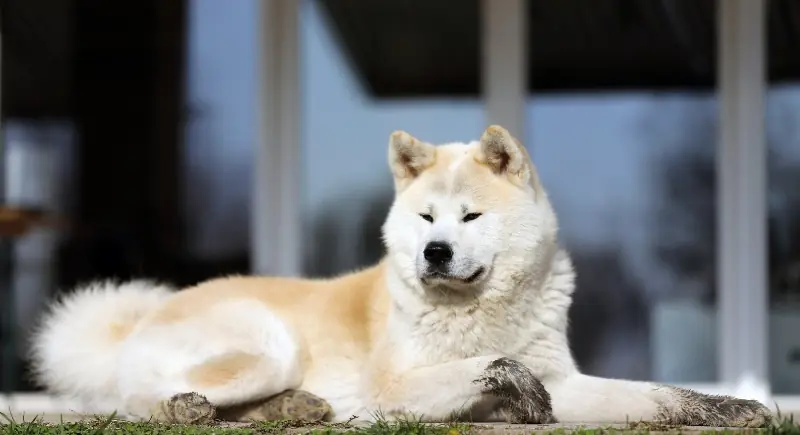
Ignoring commands isn’t unusual for this strong-willed companion. The Akita’s role as a solo hunting dog in Japan shaped its preference for independence over obedience. It observes before reacting, mostly deciding that your request doesn’t need immediate action. For anyone hoping to train an Akita, patience and consistency matter more than sheer repetition.
Shiba Inu
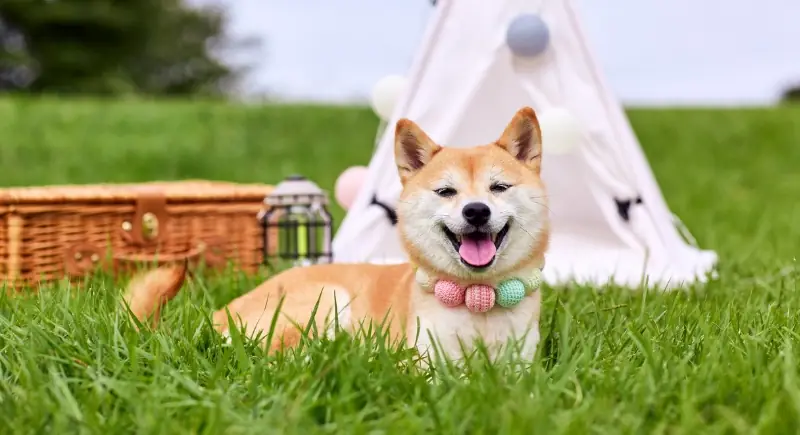
Shiba Inus don’t resist out of confusion, but because they prefer making their own choices. Instructions like “come” or “stay” often get ignored unless there’s something in it for them. Attempts to physically guide them can trigger a shutdown or even their signature “Shiba scream”—a high-pitched, dramatic vocalization.
Afghan Hound
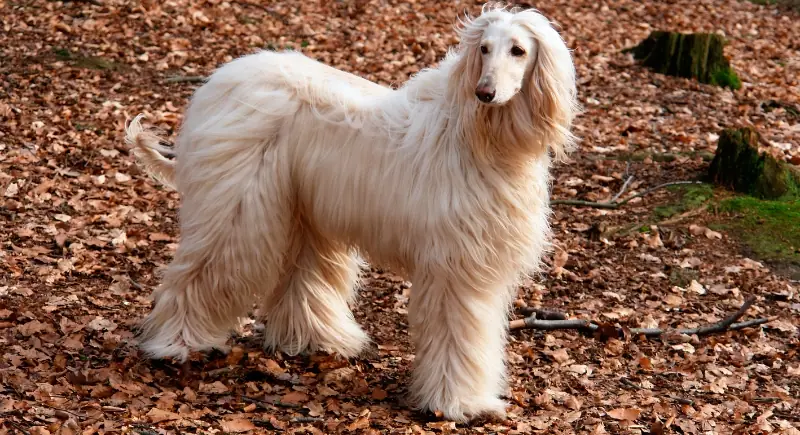
Chasing prey across rough terrain demanded fast judgment, not direction—and that habit hasn’t left Afghan Hounds to this day. They scan their surroundings mid-command and weigh options before reacting. It’s not in their nature to respond well to pressure or repetition, and they usually shut down when pushed.
Basenji
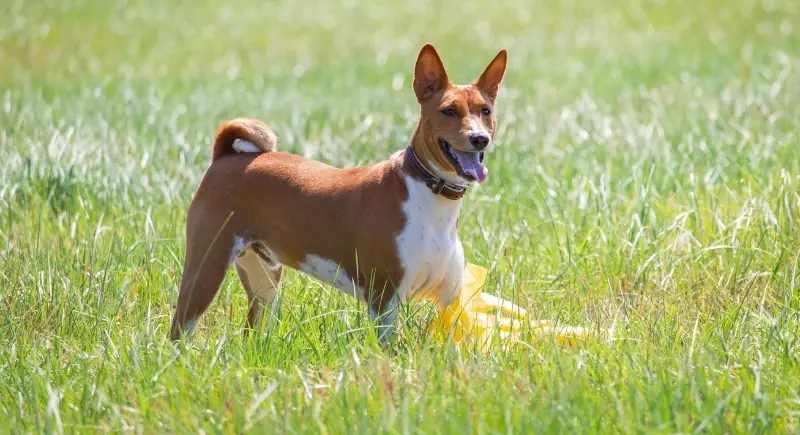
Say “sit,” and your Basenji might stare back blankly, then turn and leave the room. These pups tend to ignore repeated directives without hesitation, showing no sign of guilt or confusion. If a leash appears but they’re not ready, they simply won’t move. Instead of barking, they communicate refusal with posture, like turning their back or lying down mid-instruction without budging.
Schnauzer
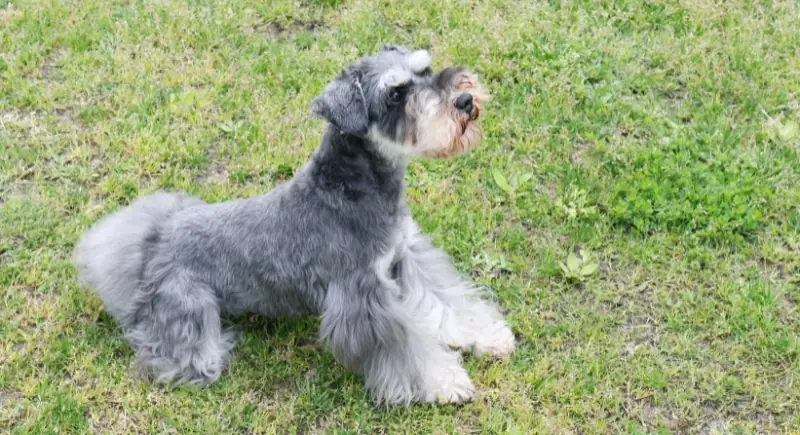
Distraction may look like defiance in this busy, curious breed. Schnauzers were raised as farm watchdogs and ratters, which makes them highly alert and reactive. They tend to notice every movement before finishing a task. To work with them, use dynamic routines and limit verbal clutter.
Beagle
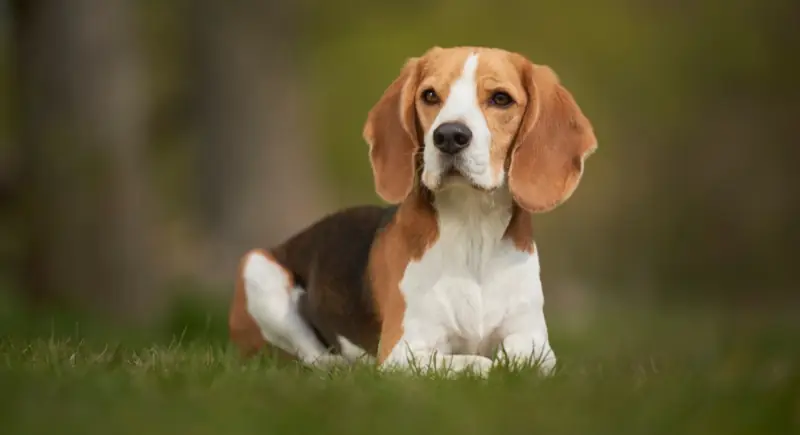
Call their name, and you might get nothing back, especially if a scent just caught their attention. Beagles are tracking dogs through and through. Once they’re on a trail, they’re gone in mind if not body. The key is food-based reinforcement and routines that mimic the chase. Indoors, they can be responsive and affectionate, but outside, instincts take over fast.
Scottish Terrier
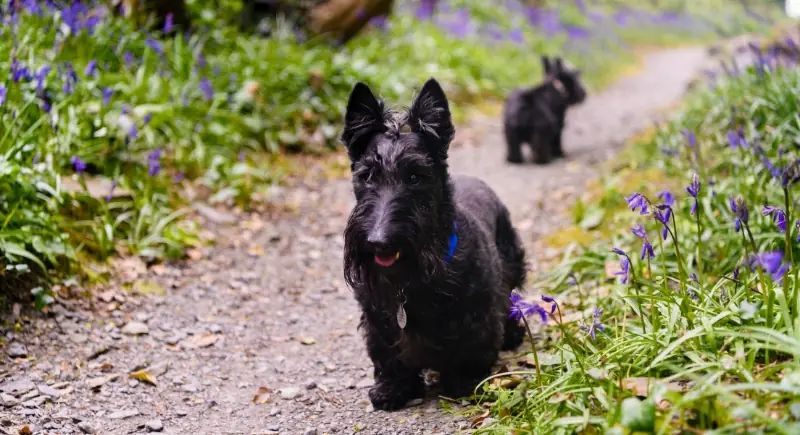
In Stanley Coren’s obedience study, Scottish Terriers ranked in the lower range for working intelligence, often needing 40 to 80 tries to master a directive. Still, they aren’t slow thinkers. They just prefer doing whatever they want, like ignoring cues and tasks they find unimportant.
Siberian Husky
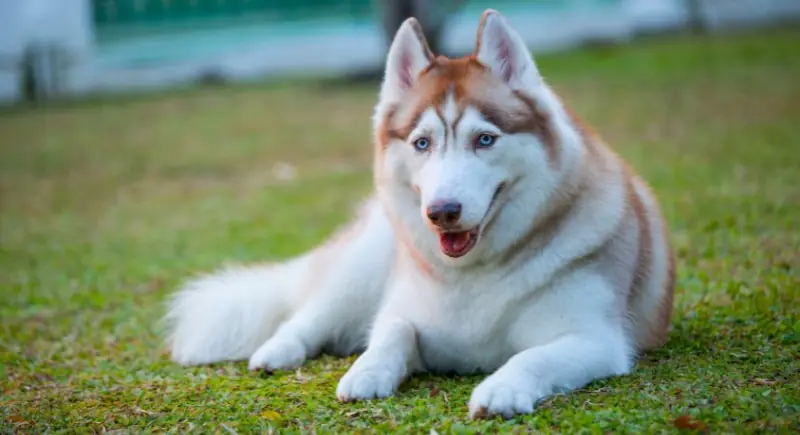
Recall training matters a lot when raising a Husky. Their recall ability is notoriously unreliable, especially in open spaces. Effective training would have to include long-leash sessions, high-value rewards, and practiced name recognition in distraction-heavy environments.
Chow Chow
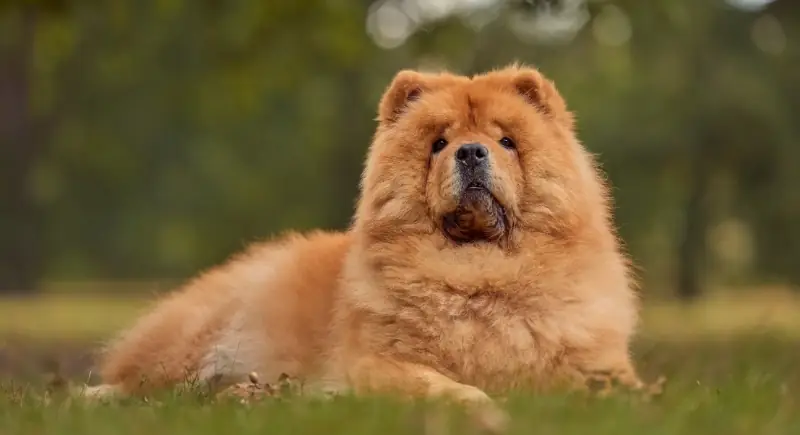
When a Chow Chow doesn’t agree with what’s being asked, it simply doesn’t move. Attempts to push harder can make things worse. They may back away, turn their head, or walk off entirely. In some cases, stubborn behavior turns into withdrawal or guardedness, especially without early socialization.
Pekingese
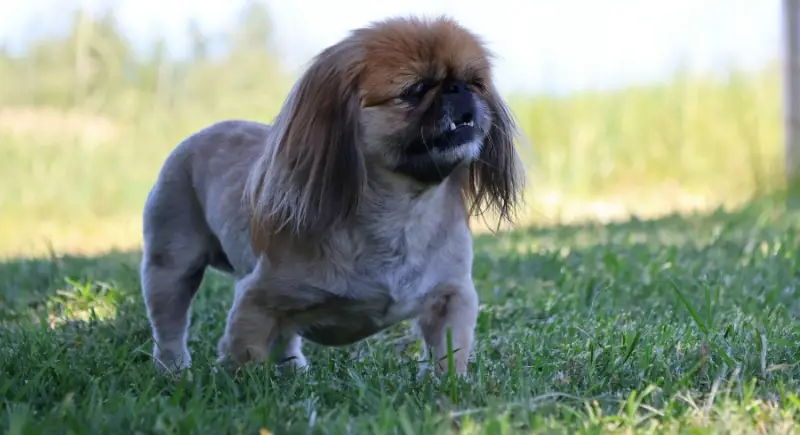
Though small, Pekingese hold firm opinions about how they’re handled. According to Helton’s 2010 morphology study, small breeds like these rank among the least trainable and slow to respond due to their size and deliberate nature. Pet parents report needing more than 80 repetitions before a demand registers.
Bloodhound
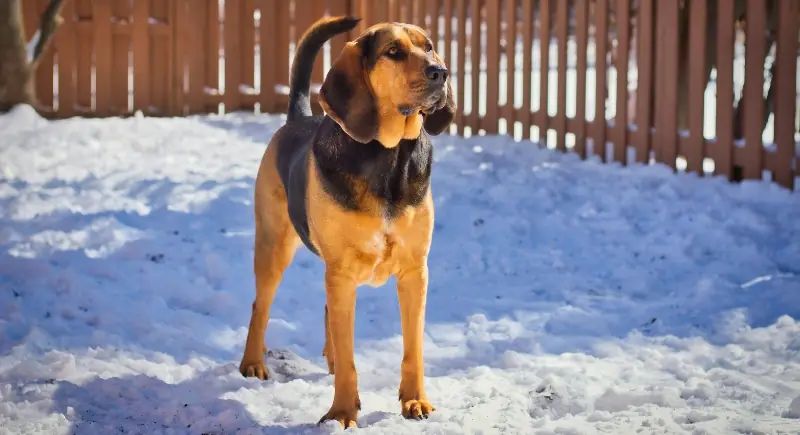
Once on a scent, this tracker won’t stop to listen. A Bloodhound’s nose contains nearly 300 million scent receptors—more than any other breed. That level of focus turns training into a challenge. This is why recall becomes nearly impossible unless it is built early with strong motivators.
Dachshund
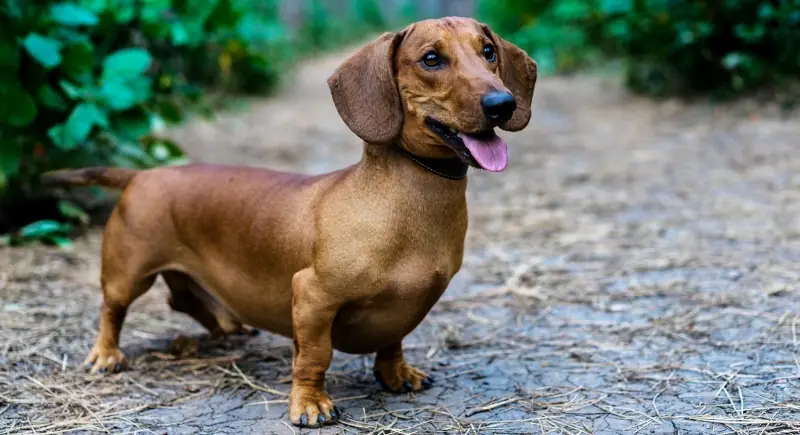
Refusal during training is common with this short-legged but strong-minded dog. For years, Dachshunds would chase burrow-dwelling prey without hesitation, which left them with a stubborn streak. They like to think first, then decide whether your request fits their priorities.
Rottweiler
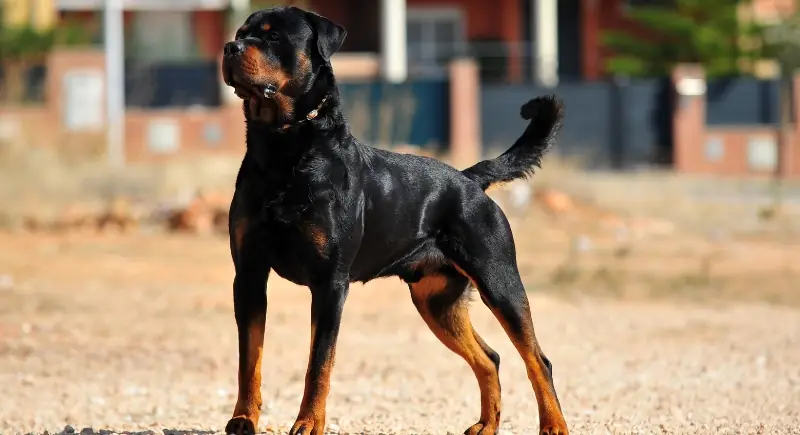
A 2022 canine behavior study showed that these dogs delay their response when leadership lacks clarity. Sessions should remain simple and repeated throughout, with balanced correction and praise. As soon as they understand expectations, they show strong cooperation, but never respond to mixed signals.
Bulldog
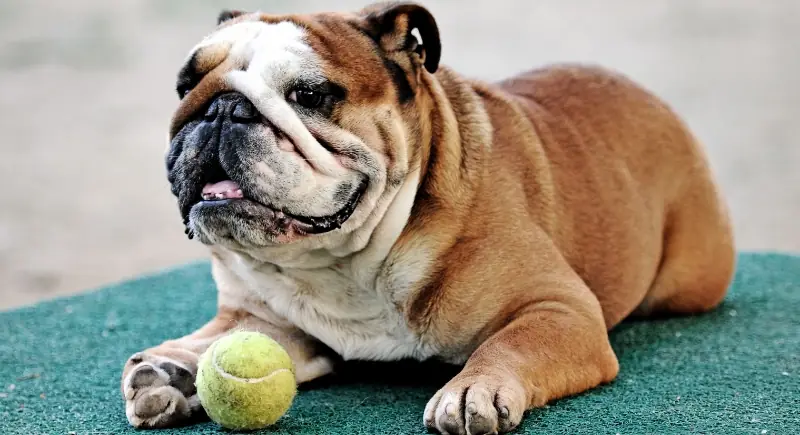
Loud voices and fast-paced training often have the opposite effect on Bulldogs. Your canine will respond best in quiet, predictable spaces where they aren’t rushed or overwhelmed. Sudden changes in tone or setting can cause them to freeze or become completely blank. Their steady, unhurried nature makes them sensitive to pressure.
Jack Russell Terrier
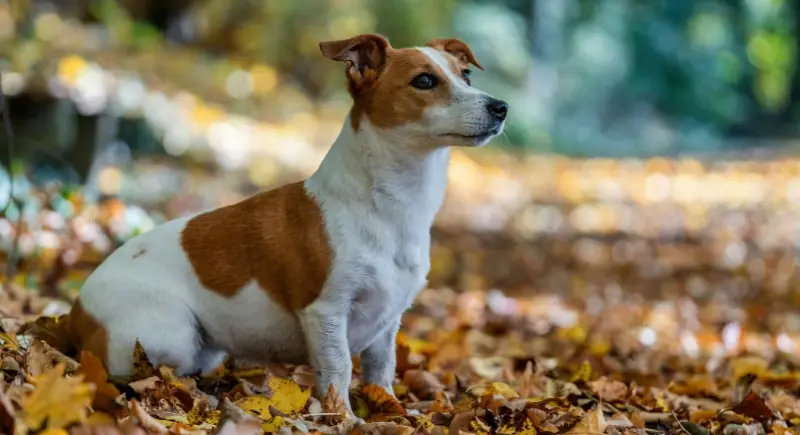
Lacking enough challenge, the Jack Russell Terrier quickly turns training into a game of resistance. Rebellion is their way of coping with boredom. These dogs need problem-solving tasks to stay engaged. When sessions drag or repeat, they check out or invent their own activities.
Tibetan Terrier
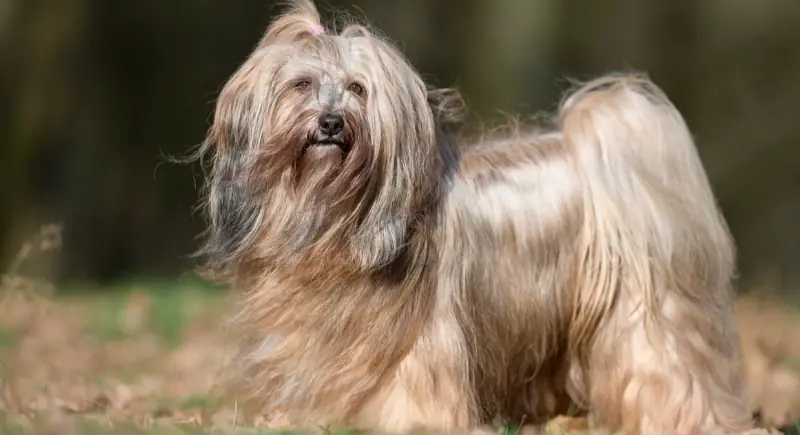
The Tibetan Terrier may look like a shaggy lapdog, but training one can feel like a negotiation. Say “come,” and it may pause to consider the offer. This breed learns fast, yet repeated drills can lose its attention. Keep lessons short, use rewards, and let it think the idea was mutual.
Karelian Bear Dog
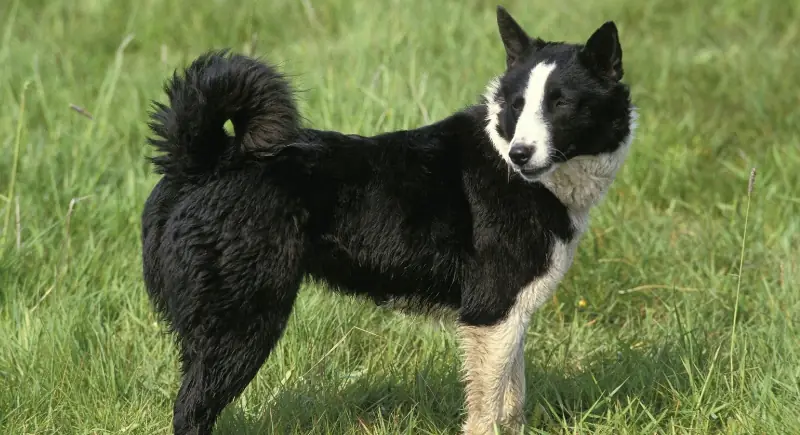
The Karelian Bear Dog was built for serious work, not living by committee. This Finnish hunter tracks game, barks to mark it, and trusts its own judgment. That independence shows up at home. A command may get weighed before it gets followed, especially when a scent, sound, or movement steals focus.





