
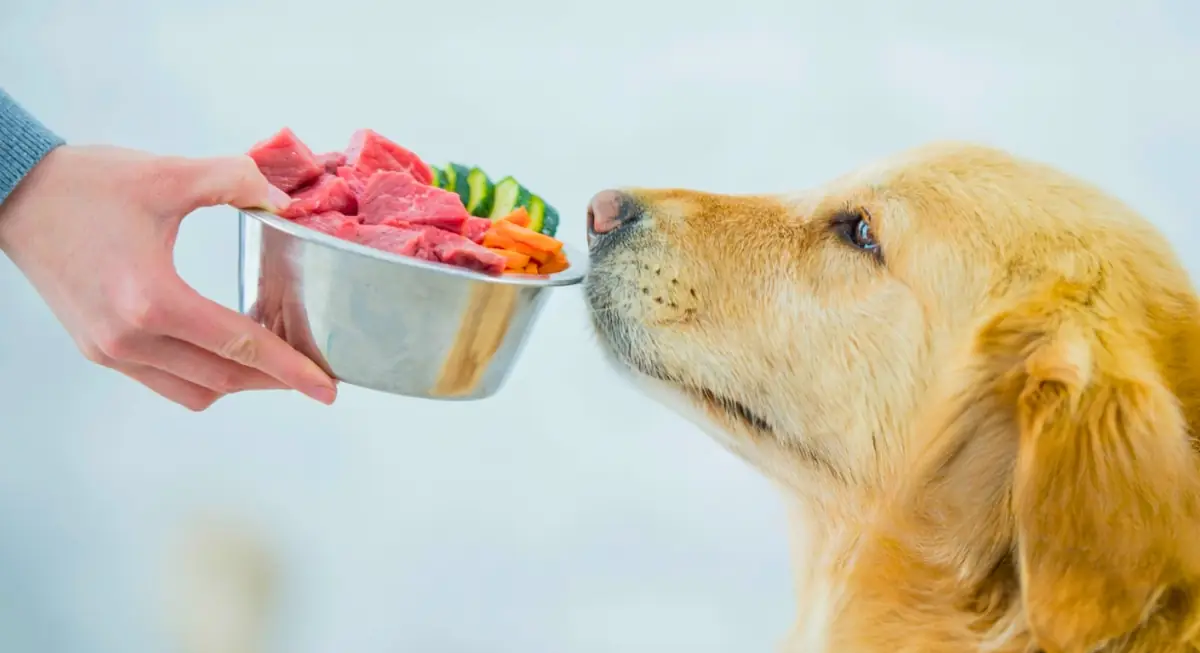
Feeding your dog raw meat has become more popular, but it’s not a decision to take lightly. While some owners swear by the benefits, others run into health problems, high costs, or unexpected complications.
It is safe to say that this kind of routine takes time, research, and a solid understanding of your dog’s needs. Before you make any changes to their dietary regime, here are a few things you should know to help you decide if this meal plan is the right fit.
It’s More Than Just Meat

Taking on a raw-based approach isn’t just tossing your dog a chicken breast. A proper plan includes organs, bones, and possibly some produce. Each part serves a role, and missing ingredients can create health issues over time. Balance is key to doing it safely.
Your Vet Might Disagree
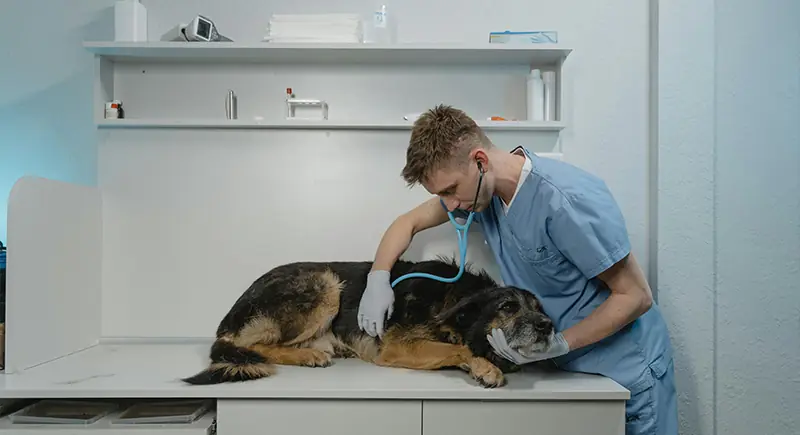
Not all veterinarians approve of this kind of food intake. Some worry about nutritional gaps or illness. Before switching, speak with your vet or find one who understands the concept. It’s better to get input than to guess.
Bones Aren’t Always Safe
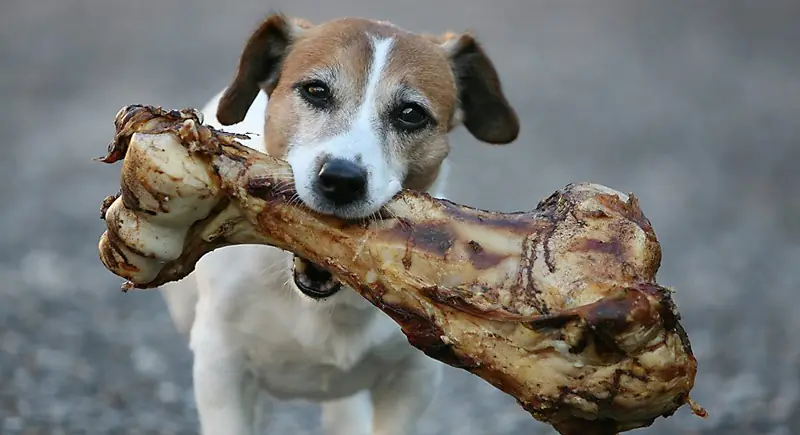
Despite the stereotype that couples dogs and bones together, bones are not necessarily safe for them and even uncooked bones can cause problems. They might splinter, damage teeth, or block the digestive tract. Some dogs handle them well; others don’t. Know your dog’s chewing style and monitor them during mealtime.
Bacteria Can Spread Easily
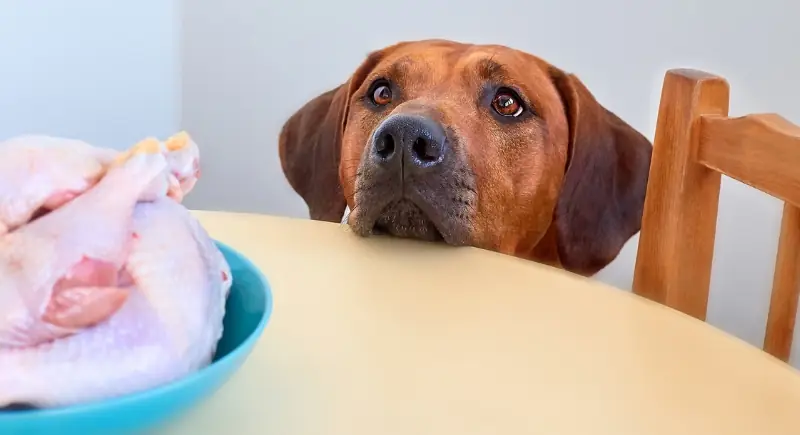
If you choose not to cook your pup’s meat, be prepared to be exposed to harmful bacteria like Salmonella or Listeria. These germs don’t only affect dogs—they can make people sick, too. Handwashing, disinfecting prep surfaces, and careful storage are important for everyone’s safety at home.
Expect Higher Costs
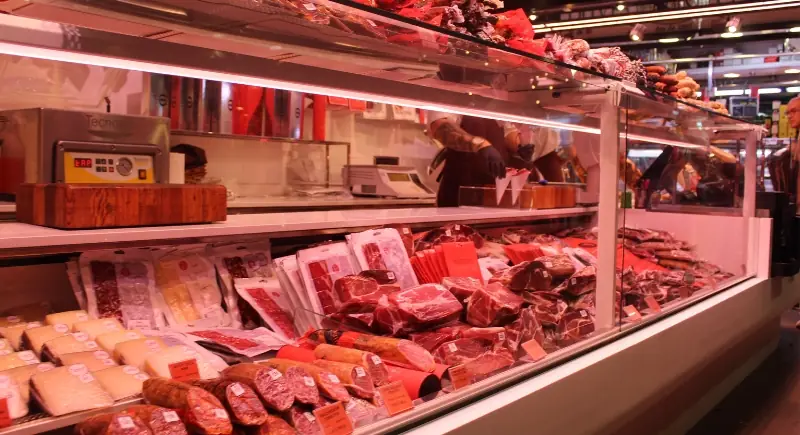
A raw meal time for your furry friend usually costs more than traditional food. Buying quality ingredients, adding supplements, and proper storage all raise expenses. If you’re planning to switch, it’s smart to compare monthly spending in advance.
It Takes Work

Preparing meals of this nature means more time in the kitchen. You’ll measure, portion, and clean more than usual. It’s not as quick as pouring kibble. Some owners enjoy the process; others find it too much to manage daily.
Not Every Dog Will Adjust Well

Some dogs thrive with a meaty diet, but others react poorly. Symptoms like upset stomach, lethargy, or diarrhea can show that your pup is not ready for the switch. Keep an eye on how they respond, especially in the beginning.
Puppies Have Special Requirements

Growing dogs need precise nutrition. A plan designed for adult dogs won’t meet a puppy’s needs. If you start this meal plan early, work with an expert to ensure the right nutrient levels for healthy development.
Supplements Might Be Necessary

Even a well-planned diet can lack certain nutrients. Dogs may need added calcium, fish oil, or vitamins. Don’t guess; it’s always recommended to consult a professional who can help identify what’s missing so you avoid health issues later.
You’ll Need Freezer Space
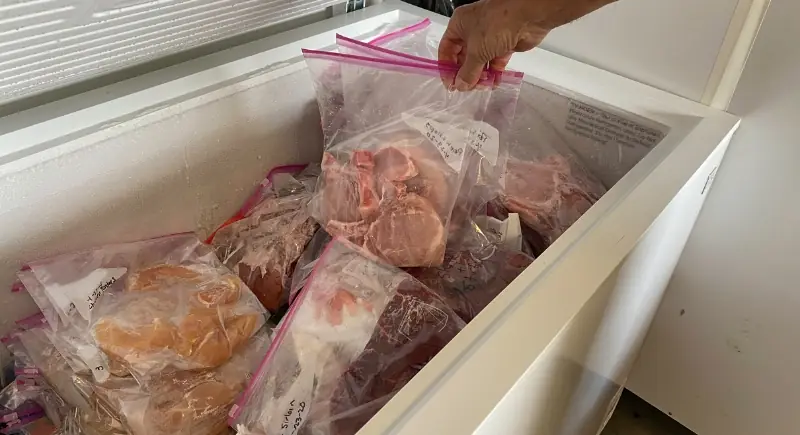
Keeping ingredients fresh means freezing in bulk. You’ll also need a way to thaw safely and avoid waste. If you don’t have space in your fridge or freezer, this can be a serious challenge.
Travel Gets Complicated

Taking raw food on the road requires planning. Coolers, ice packs, and safe thawing methods are part of the process. Many owners switch to freeze-dried meals when away from home, but that adds cost and complexity.
Feeding Styles Differ

When filling up their furry friends, some use the BARF model, while others follow the prey model. The BARF model (Biologically Appropriate Raw Food) includes raw meat, bones, organs, fruits, and vegetables to mimic a more balanced, natural diet. The Prey Model Raw (PMR) focuses strictly on whole-animal components—meat, bones, and organs—excluding plant matter entirely to simulate what a wild canine might eat. Choose one that fits your dog and lifestyle.
Their Waste May Change
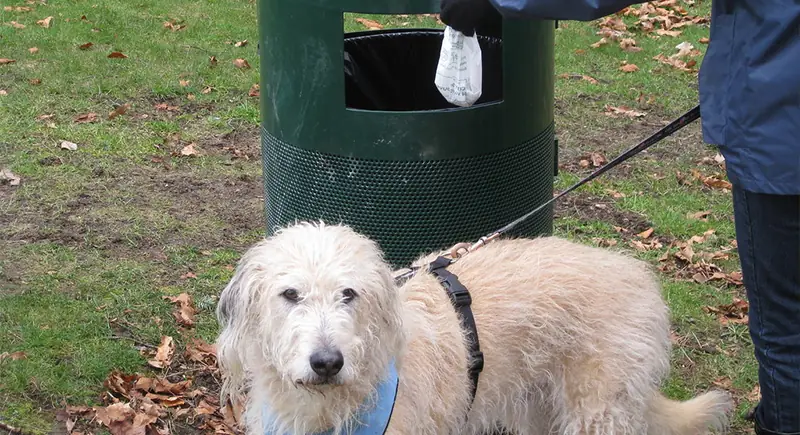
Dogs fed uncooked food often produce smaller, firmer waste. That’s normal. But if their stool becomes runny, oddly colored, or overly foul, something may be off. Track changes and make adjustments as needed.
Slow Switching Is the Best
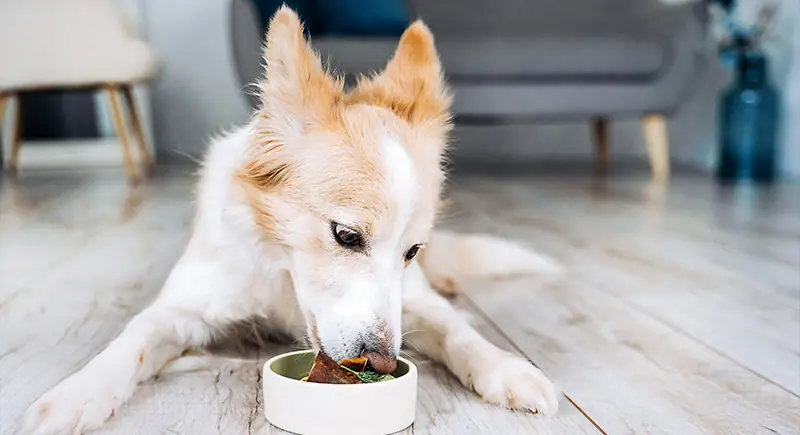
Don’t switch meals overnight. A sudden change can upset your dog’s stomach. Most owners make the change slowly while mixing it with their existing diet over several days. This helps the gut adjust and reduces the risk of sickness.
Learning Never Stops
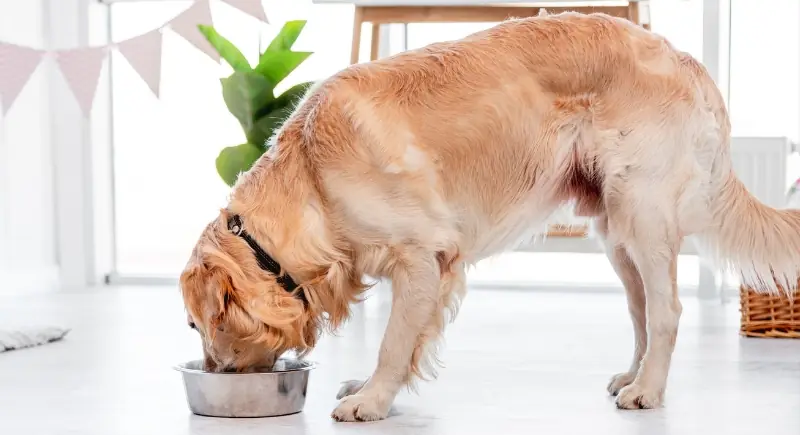
Giving raw to your four-legged pal means staying informed. Dog nutrition is complex, and small mistakes can have long-term effects. You’ll need to read, ask questions, and possibly work with experts to do it right over time.
Dental Health Is a Bonus, Not a Guarantee

Some owners hope raw meaty bones will automatically clean teeth, but it does not work that way for every dog. Chewing can help scrape away buildup, yet plaque and gum issues can still develop. Regular brushing and vet dental checks still matter, no matter what fills the bowl.
The Impact on Bloodwork

Diet shifts can show up in lab results, sometimes in ways owners do not expect. Higher protein and fat levels may influence certain values, which can appear unusual compared to those of dogs on commercial diets. That is why vets often recommend baseline bloodwork before switching, then follow-up tests to monitor changes safely.





