
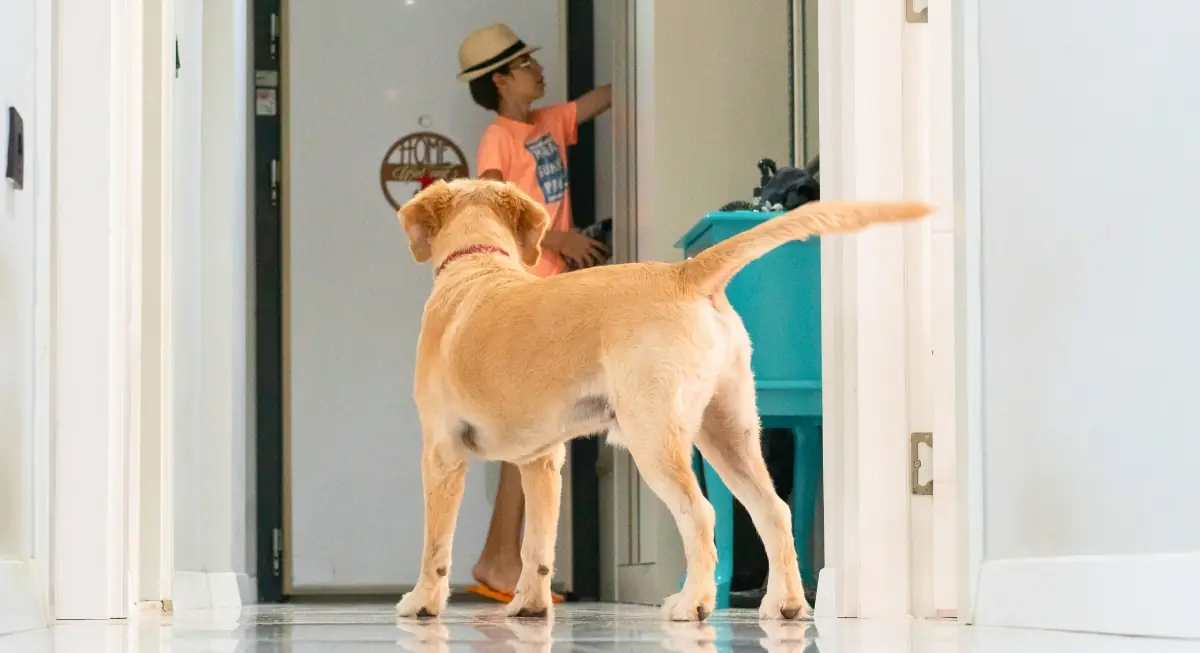
Dogs don’t need a calendar or a wristwatch to know you’re about to walk out the door. They study your every move, down to the way you grab your shoes or where you leave your phone. Here’s a list of surprisingly weird things you do that basically scream, “See ya later, pup!” even if you’re trying to be subtle.
That “Leaving Voice” You Suddenly Use

Ever notice how you talk differently right before heading out? A higher-pitched, overly sweet “Bye buddy, be good!” acts like a blaring siren. Dogs tune into vocal tones with the same sensitivity as toddlers, says canine researcher Dr. Juliane Kaminski. So when your goodbye voice kicks in, your dog isn’t fooled.
Grabbing the “Leaving Bag”
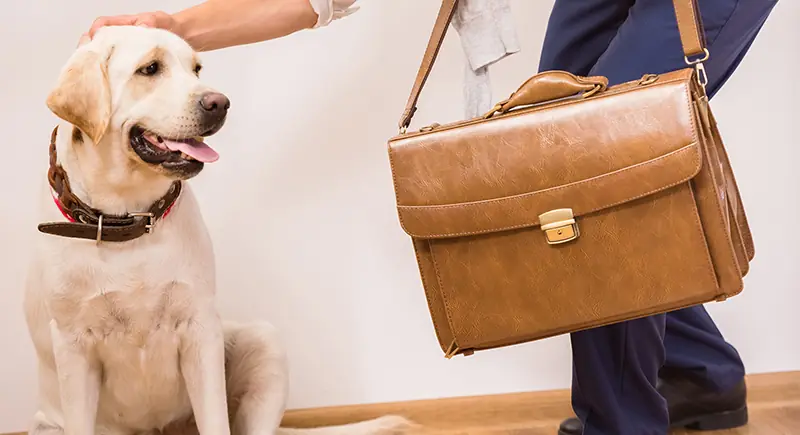
Dogs pay close attention to objects tied to routines. If you always use the same bag for work, they’ll come to recognize that it usually means a longer absence. A grocery tote or gym bag might signal something different. They’re not guessing—they’ve just seen the pattern enough times to know what follows.
Perfume = Absence

A quick spritz might feel like a finishing touch, but for your dog, that scent often means you’re gone all day. Dogs have around 220 million scent receptors, so any strong perfume is learned, especially if that only ever shows up when you vanish for work, errands, or date night.
Shoe Choice Signals Everything
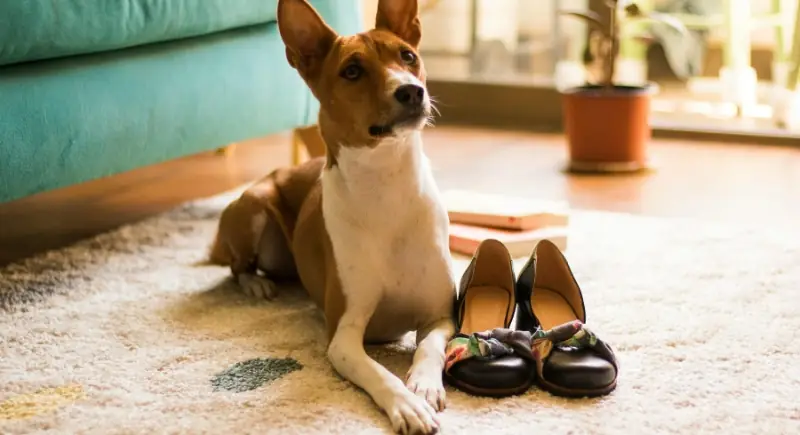
Shoes are like status updates in the dog’s world. They can distinguish between the sneakers you wear on walks and the dress shoes that never lead to fun. They notice the sounds of different soles, the drawer or closet you use, and the pattern of your movements after putting them on.
Turning Off Lights
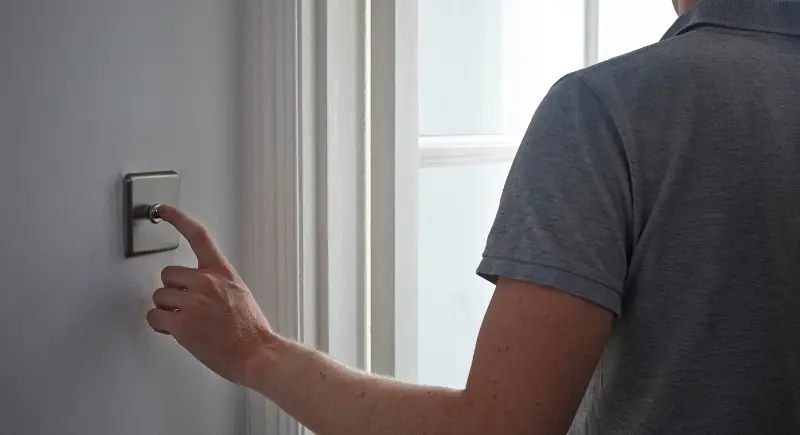
Dogs have learned that when the lights go dim—especially in the middle of the day—it’s not nap time, it’s “my human is out for a while” time. Since most owners turn off lights to save energy when leaving, dogs eventually link that tiny action to hours of waiting.
That Speedy Walk Around the House
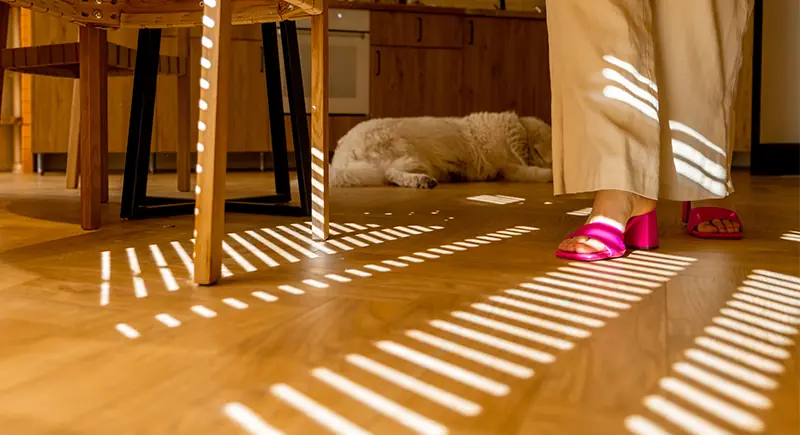
People tend to get brisk and focused when preparing to leave, and dogs absolutely notice that sudden urgency. A University of Portsmouth study found that dogs are hyperaware of human motion patterns. That last-minute pacing between the bedroom is an unmistakable “exit sequence” they’ve seen hundreds of times before.
Touching Your Keys, Even Once
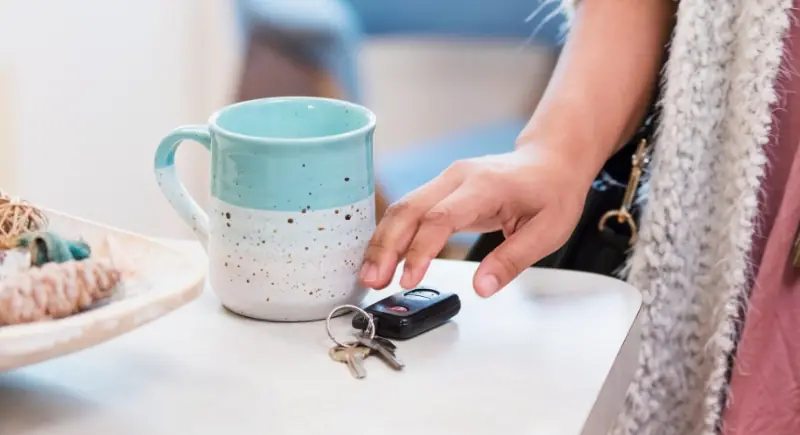
The sound of jangling keys is a universal departure cue. Many dogs respond instantly to the faintest jingle, and hundreds of repetitions have reinforced this. Dogs also associate the keys with the door opening, engine noise, or the disappearing act of the driveway.
Brushing Your Teeth Outside Normal Hours
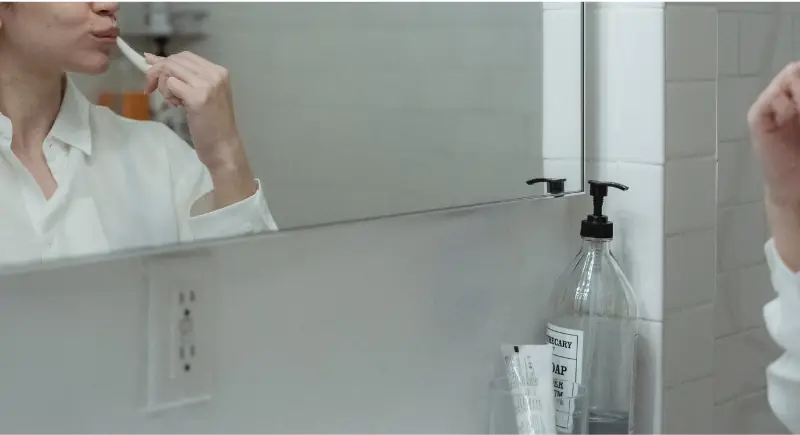
Morning brushing is totally normal, but your dog takes note if you start scrubbing away in the middle of the afternoon or right after dinner. Dogs use timing and sequence to understand what’s next, and a toothbrush appearing at an odd hour can send mixed but familiar signals that you’re about to leave.
Locking a Specific Door
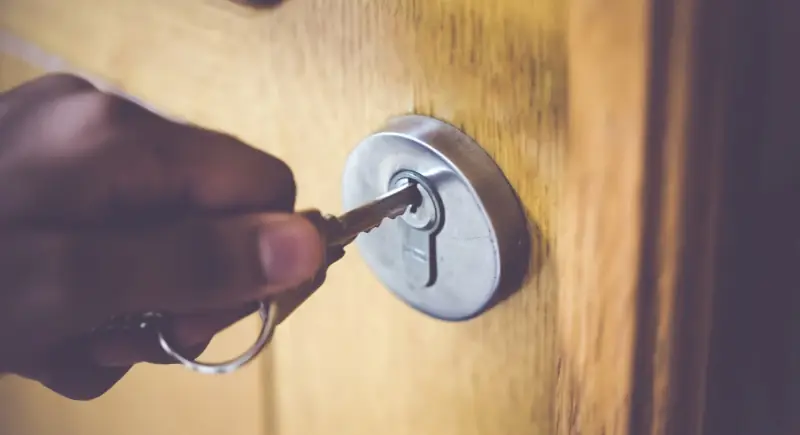
Most people have a go-to last step before they leave: locking the back door, bedroom door, or even securing the garage. Over time, dogs associate this step with the sound of you leaving and the long wait that follows.
Applying Makeup or Grooming Products

Dogs pick up on these tiny beauty rituals. A 2021 survey by the ASPCA found that 68% of dog owners noticed their pets becoming restless as they started their morning grooming routine. They even associate it with longer departures more than any other prep behavior.
Closing Your Laptop Dramatically
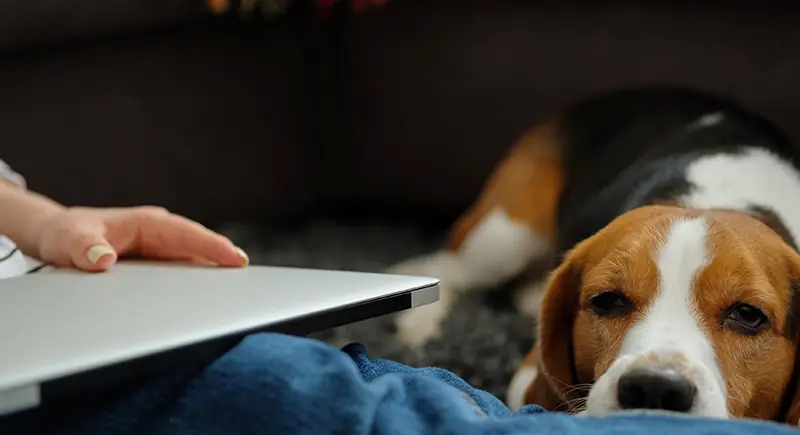
The act of shutting your laptop—especially with a decisive clap—can be a big red flag for dogs. That sound often precedes your getting up and heading to the door. Dogs notice not just the sound, but the follow-up body language: grabbing your bag, checking your phone, stretching.
Checking the Time (Out Loud)

Muttering “Oh look, it’s already 3:30” might sound like nothing to you, but dogs can associate repeated verbal cues with routines. It’s not the words, but the pattern. Dogs don’t know what 3:30 means, but they know what usually comes right after.
Moving Your Phone from One Spot to Another

Your phone’s journey tells a whole story. When it moves from the table to your hand, then into your bag or coat pocket—that’s all part of your dog’s mental flowchart. It’s a flashing sign that your focus is shifting away from them and onto the outside world.
Wearing a Jacket—Even in Warm Weather

When you put on a jacket in the middle of July, your dog immediately senses something’s different. Wearing clothing that’s unusual for the moment signals abnormal activity. Jackets, especially, have strong associations with leaving, since they’re almost never used for lounging around the house.
Setting the Alarm System
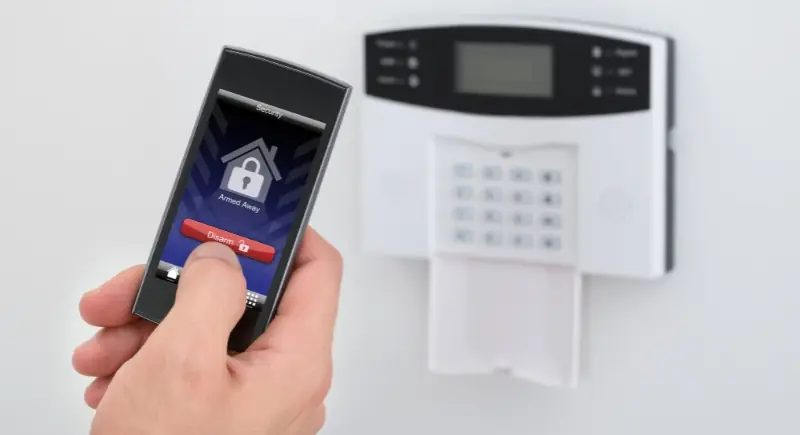
Alarm systems make very specific sounds; once those beeps become part of your daily routine, they take on meaning. For your dog, it’s less about home protection and more about what always follows: silence, solitude, and hours of hoping you come back before dinner.
Opening the Garage Door
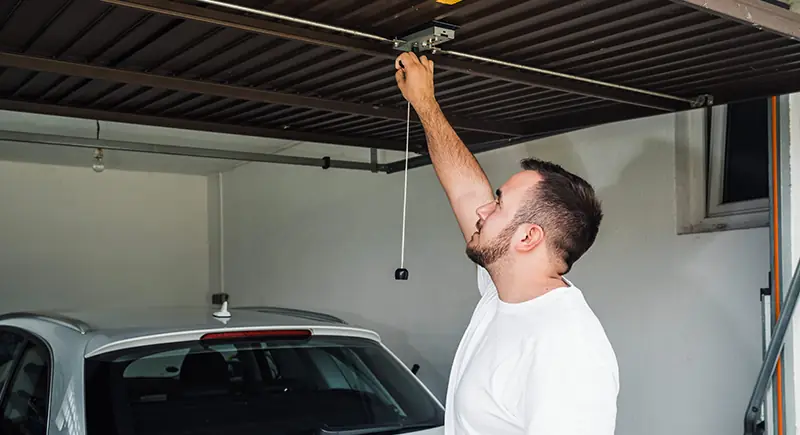
The rumble of the garage door can change your dog’s mood before the car even moves. After hearing that sound enough times, many dogs connect it with the next part of the routine. They may follow you to the door, watch from the window, or settle in because they know what comes next.
Making the Bed Before You Leave

Making the bed may seem like another chore, but dogs notice routines that repeat each morning. If that task always happens before work or errands, it becomes another clue. Your dog watches the pattern unfold, then starts waiting by the door before you even reach for the keys.





