
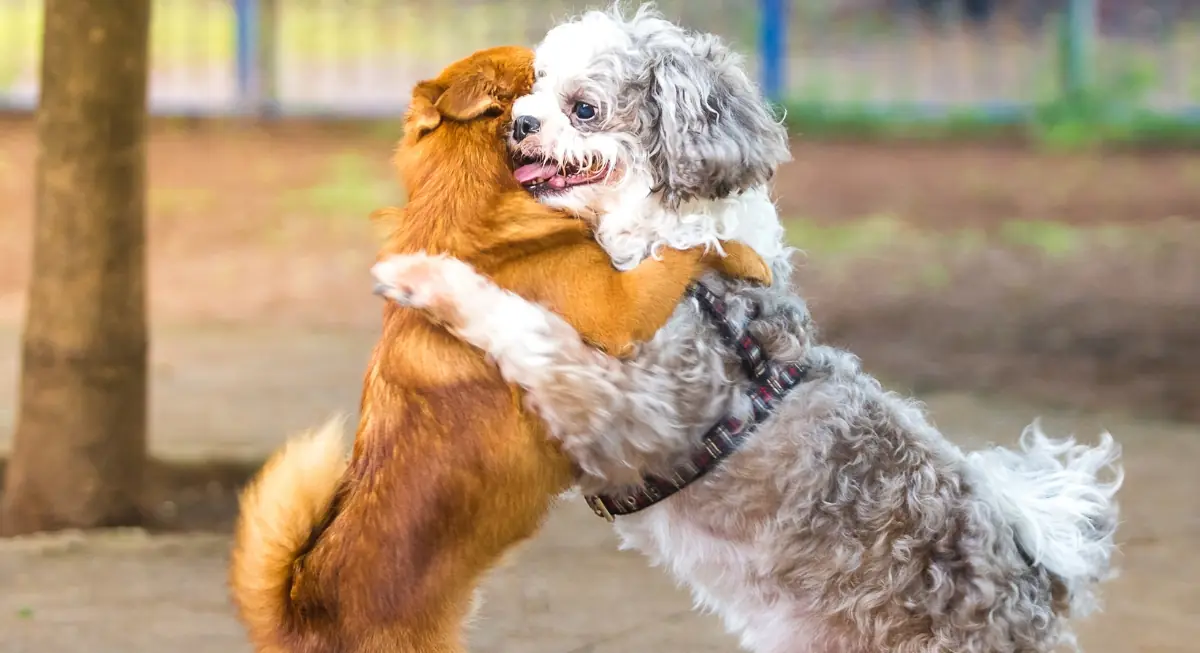
Dogs say a lot without making a sound. Their conversations unfold through small cues like posture changes, tail movements, and quick flashes of expression. One move people notice most is when a dog puts a paw on another dog. It looks adorable, sometimes even funny, but for them it’s a genuine form of communication. What it means depends on who the dogs are, how well they know each other, and what’s happening in that moment.
Social Invitations and Play Signals
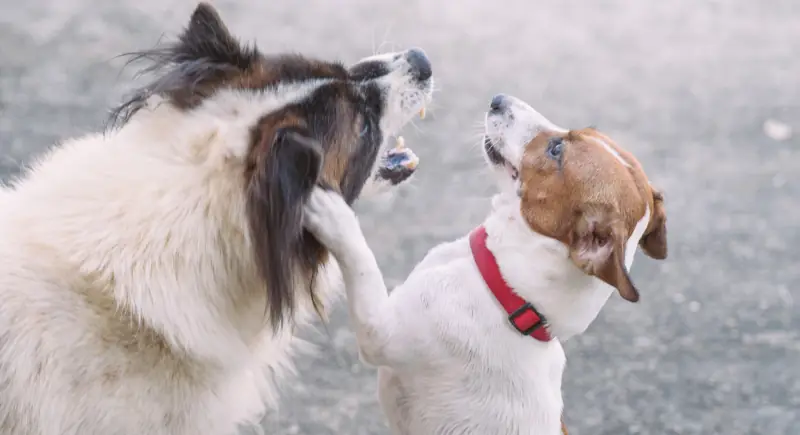
Many dogs use their paws as a way to initiate social interaction. A gentle tap, a light reach, or a small bounce forward can serve as an invitation to play. Puppies, in particular, often pair a pawing gesture with a soft whine or a playful bow, signaling that they want to engage. Older or more energetic dogs may make firmer contact, sometimes a two-paw “pounce” onto another dog’s shoulder or torso. This can look forceful, but it often reflects enthusiasm rather than aggression.
Whether the invitation is well received depends on the second dog’s response. If both dogs remain loose and relaxed, the pawing serves its intended purpose. If one dog tenses up or withdraws, it may indicate that the invitation is unwanted.
Testing Boundaries or Establishing Space
Pawing can also function as a way for dogs to gather information about their social standing. A dog placing its paw on another dog’s back may not be acting aggressively; in many cases, the gesture is a moment of social testing or mild assertion.
A relaxed dog typically accepts the gesture without issue, while a dog that stiffens, holds its head high, or steps away may be setting a boundary.
Adult dogs, especially those with calmer temperaments, sometimes use a paw to redirect or slow down a younger or overly energetic dog. A gentle push or firm placement can communicate, “That’s enough,” or “Give me some space.”
Dogs familiar with one another usually navigate these exchanges smoothly, but dogs with limited social experience may misinterpret the signal, leading to frustration or escalation.
Moments of Affection and Social Bonding
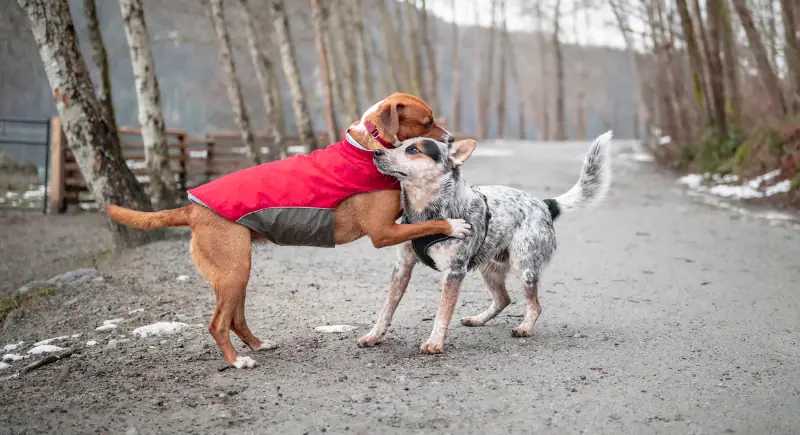
Some dogs use their paws during calm, friendly interactions. A relaxed paw draped across another dog during rest or quiet time is often a sign of comfort and trust.
This behavior is most common in dogs that share a strong bond, whether they live together or have formed a close friendship through repeated positive experiences.
When Pawing Requires Intervention
Although pawing can be benign, there are situations where owners should step in. A dog being repeatedly pawed despite showing signs of discomfort—such as a stiff posture, lowered body, pinned-back ears, or avoidance—may feel pressured or stressed.
Persistent unwanted pawing can quickly shift from mild tension to a disagreement between the dogs. Conflicts are more likely when resources are present, including toys, food, or preferred humans. Monitoring both dogs’ body language helps prevent misunderstandings before they escalate.
Early Canine Socialization Matters
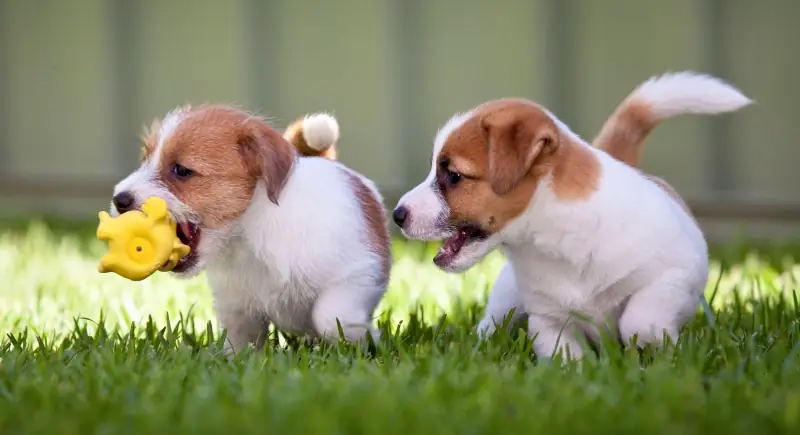
Paw-based communication begins early in puppyhood. Puppies learn from their mother and littermates how to negotiate space, respond to correction, and de-escalate tension. Dogs that do not receive consistent early socialization may struggle later in life during adult interactions, especially with unfamiliar dogs.
Because no single gesture can be interpreted in isolation, owners should observe the entire sequence, from what occurred before, during, and after the pawing. Loose movements, soft eyes, and relaxed ears typically signify playful or social intent. In contrast, stillness, direct weight-bearing, or repeated insistence point toward a more assertive or corrective message.
By recognizing the nuances of this behavior, owners can support healthy communication between dogs.





