
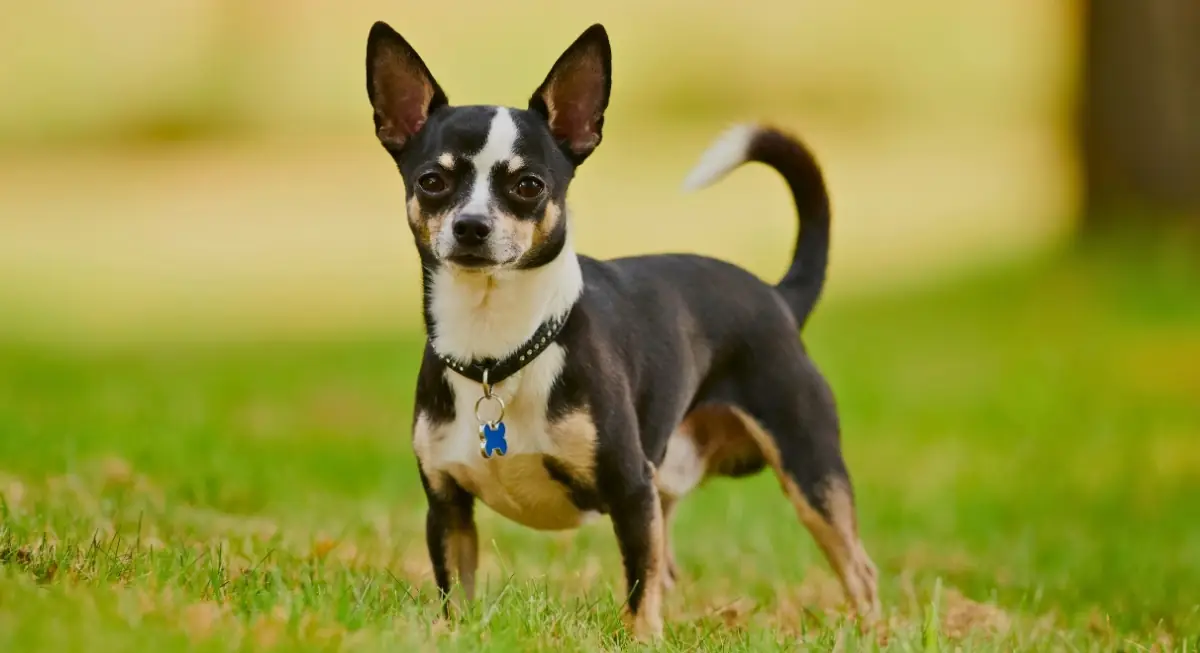
Weight-pull competitions keep surprising trainers, veterinarians, and judges. Verified results show small dogs hauling loads that look more like industrial equipment than their body size would suggest. Pound for pound, some lightweight competitors are moving weight that seems hard to believe at first glance.
While sled breeds like the Alaskan Malamute built their reputation on strength, tiny dogs such as Chihuahuas, Rat Terriers, Papillons, and Brussels Griffons are posting pull ratios once linked to larger working breeds. Their performances are pushing experts to reconsider muscle efficiency, conditioning strategies, and what truly drives canine motivation.
Why Size Doesn’t Limit Pulling Power
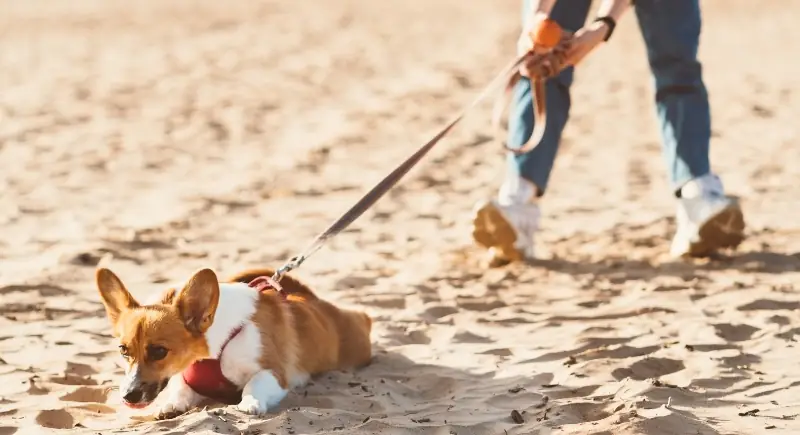
A dog’s pulling power depends more on body mechanics, conditioning, and smart technique than sheer size alone. Smaller breeds such as the Rat Terrier and Papillon carry dense muscle for their frame, helping them create quick bursts of force when they lean in to pull. In competition, judges compare load to body weight directly.
In organized events, dogs usually pull carts or sleds across roughly 16 feet within about 60 seconds. Loads increase each round, and elite small competitors like Chihuahuas and Yorkshire Terriers have recorded pulls reaching dozens of times body weight. Rare cases approach or exceed the 100-times range under rail-cart conditions, where friction remains low, and movement remains consistent.
Breed history is still important because many competitors trace behavior traits back to working breeds like Siberian Huskies and Newfoundlands that historically hauled freight or supplies. Modern training channels those instincts into sport performance.
How Training Turns Tiny Dogs Into Strength Specialists
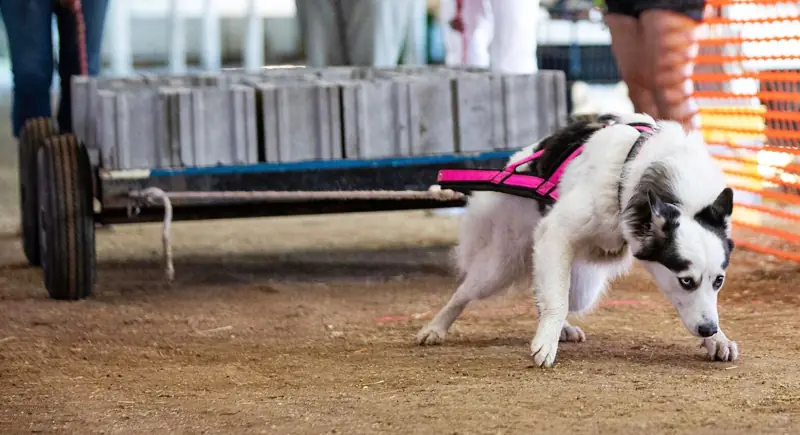
Training always begins light. Handlers start with empty carts, small tires, or light drag chains so the dog builds confidence with the motion first. The method stays consistent whether the dog is a Brussels Griffon, Miniature Poodle, or a small mixed breed. Sessions are kept short, usually five to ten minutes, to protect joints and keep attention sharp.
Progress happens through steady, gradual increases in weight over weeks or months. Many dogs add sprint drills, hill walks, swimming, or resistance harness walks to build strength and stamina. Cross-training boosts cardiovascular capacity and recovery, a strategy also used with larger competitors like German Shepherds and American Pit Bull Terriers in heavier classes.
During sanctioned events, handlers depend on voice cues, clapping, or body movement instead of food in the pull lane. That approach confirms the dog wants to work and avoids pushing limits for a treat. Nutrition matters too. Many competition dogs eat high-protein diets, and some handlers use collagen supplements to support nail strength for better traction during pulls.
The Science Behind Extreme Pull Ratios
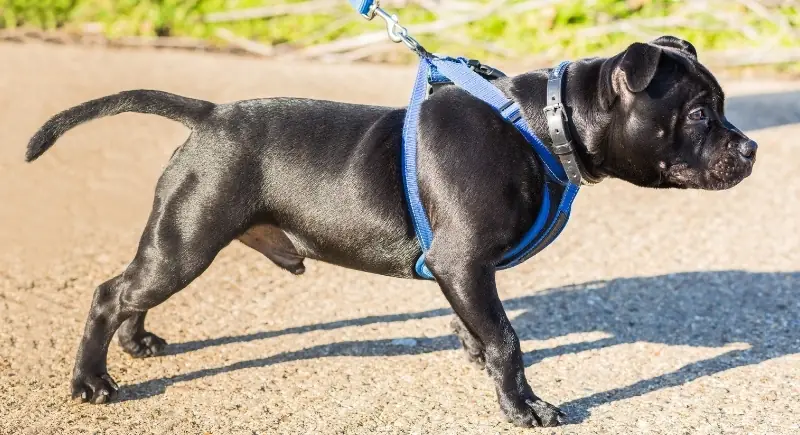
Dogs naturally carry a body position that supports forward-pulling efficiency. Specialized weight-pull harnesses distribute force across the chest and shoulders rather than the neck or spine, improving safety and output for breeds large and small, including Rottweilers and Beagles competing in different divisions.
Surface type can change the results. Rail carts often allow higher totals because friction is minimal, and wheeled carts on carpet or dirt usually reduce total pull weight but still test strength effectively. Age and skeletal maturity are also considered. Most trainers wait until growth plates close, usually around 12 to 18 months, before serious resistance work begins. Veterinary clearance remains common among responsible competitors across breeds.
Why Tiny Competitors Keep Getting Attention
Lightweight divisions keep expanding across North America and Europe. Organizations like the North American Weight Pull Association and the American Pulling Alliance track performance records across multiple size classes, which now include strong small breeds like Chihuahuas, Papillons, and Rat Terriers.
Small dogs also travel widely for events. Some follow structured sleep schedules, diet adjustments, and training cycles similar to human strength athletes. The most surprising detail remains consistency. Small breeds keep repeating extreme ratios across multiple competitions, not just isolated events. Each verified pull keeps raising expectations, forcing trainers and spectators to rethink what canine strength actually looks like once size stops being the primary measurement.





