
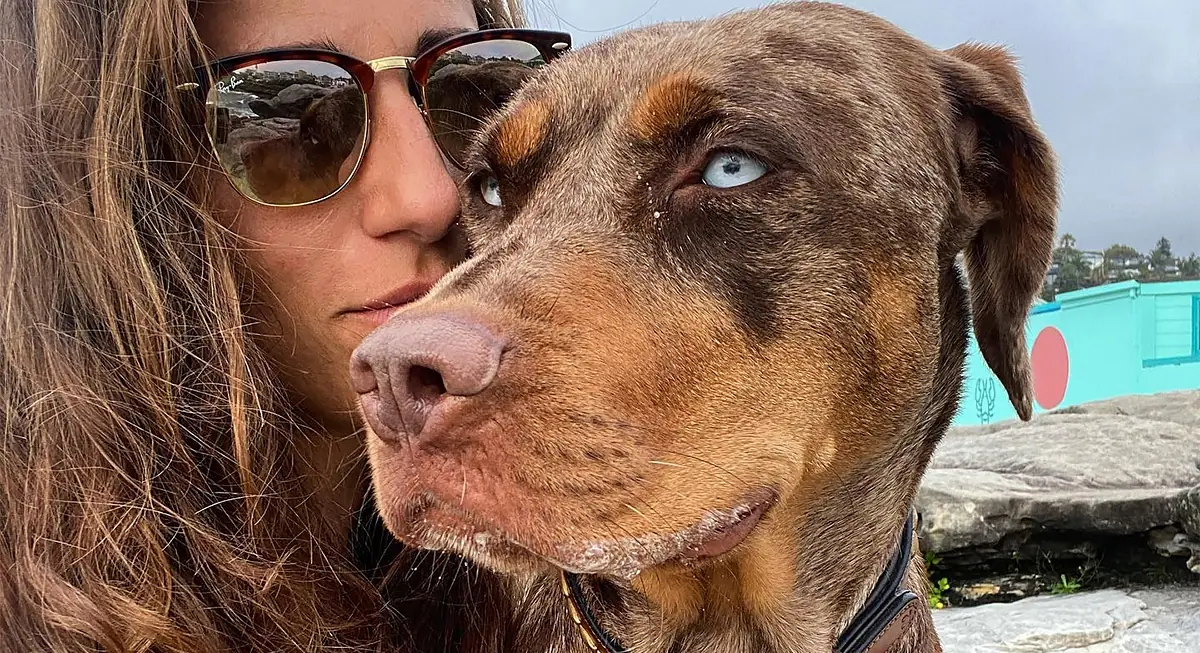
The Catahoula Leopard Dog is packed with surprises. It roared to popularity for its wild, marbled fur and piercing eyes, but this Louisiana native has a personality as bold as its appearance. Curious about what makes these rugged canines so unique? This list will make you fall in love or fear them!
Louisiana State Dog
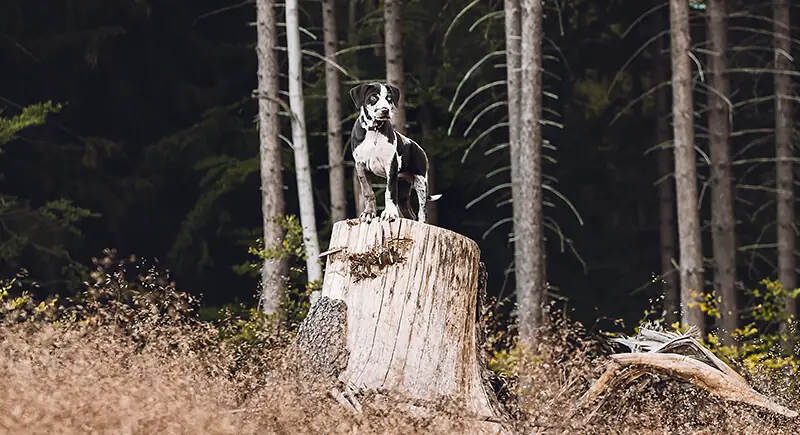
Not every dog is honored to represent an entire state, but the Catahoula Leopard Dog holds that title in Louisiana. This breed was recognized as the state’s official dog in 1979 and has deep roots in the Bayou State. It has become an essential part of the state’s culture and was developed for herding, hunting, and farm work.
Mysterious Ancestry
There’s plenty of debate about its origin. Some historians believe Catahoulas descend from war dogs brought by Spanish explorers in the 1500s, which were then bred with Native American dogs. Others suggest they have a mix of Bloodhound, Greyhound, and Beauceron in their lineage. One wild theory even links them to the now-extinct red wolves that once roamed Louisiana.
Name Origin

Catahoula isn’t just a cool-sounding name—it has a deeper meaning. The word is believed to come from the Choctaw language, with one possible translation being “sacred lake.” This makes sense, considering Louisiana’s landscape is full of lakes, swamps, and marshes where these dogs initially worked.
Aloof with Strangers
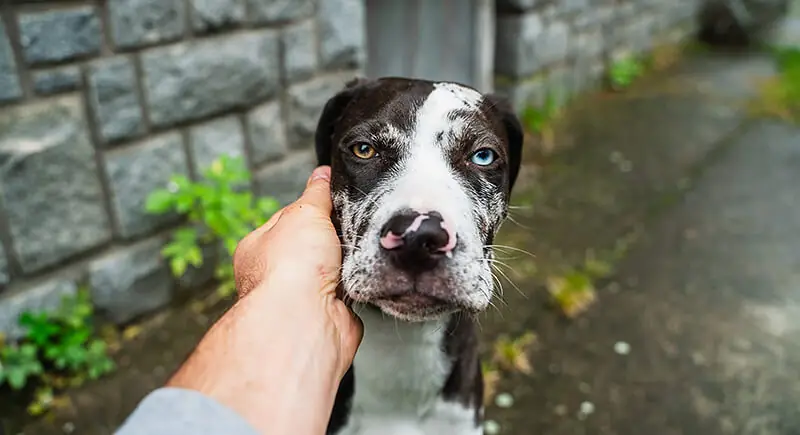
Catahoulas tend to be reserved around strangers and keep their distance before they decide that someone is worth their attention. It’s just their natural wariness, a trait that makes them excellent watchdogs. Once they warm up, they can be incredibly affectionate. If a Catahoula welcomes you, congratulations—you’ve passed their unspoken loyalty test.
Not Ideal for Apartments
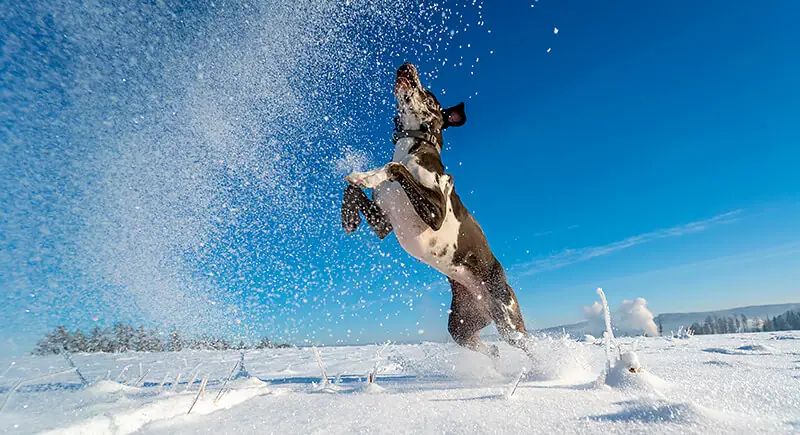
If there’s one thing a Catahoula Leopard Dog needs, it’s space. They are built for movement, whether running, herding, or hunting. Keeping one in an apartment would be like putting a race car on a go-kart track—frustrating for everyone involved. They need room to roam, preferably with a job to do.
Leopard Coat
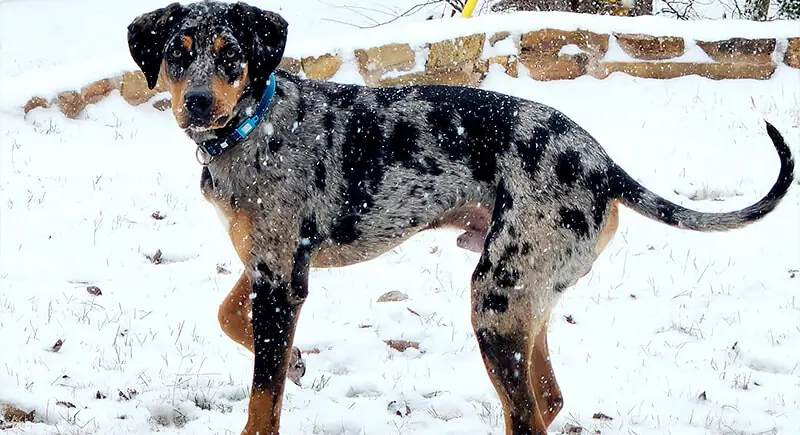
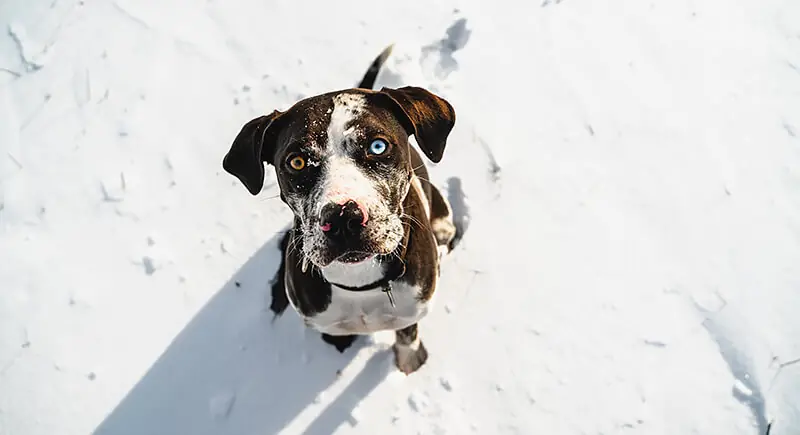
Catahoulas have a merle pattern that gives them a spotted, leopard-like appearance, but no two coats are the same. The color combinations can include blue, red, brindle, and even solid tones. Genetics also play a significant role, with some dogs having a more subtle pattern while others are covered in striking patches.
Eye Variations
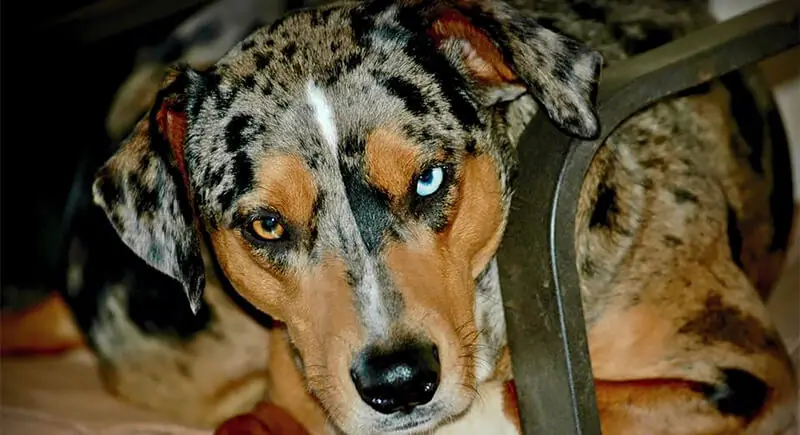
These dogs are known for “glass eyes,” which can be pale blue, almost white, or even a mix of colors. Some have one brown and one blue eye, while others have eyes that are half one color and half another due to their genetics. It doesn’t affect their vision and adds to their charm.
Webbed Feet
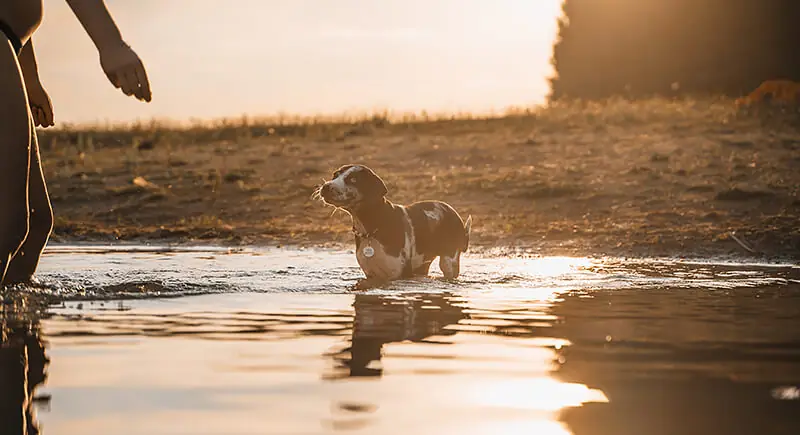
Catahoulas thrive in swamps, rivers, and marshy terrain because of their webbed feet. This helps them move quickly through the water, and they are also excellent swimmers. Initially, Catahoulas needed to navigate Louisiana’s wetlands while working alongside hunters and farmers, and their webbed toes gave them an advantage.
Versatile Workers

Catahoulas take their tasks seriously. They are intelligent and love solving problems, from farm work to search and rescue operations. Unlike some breeds that are specialized for one task, Catahoulas can adapt to different challenges. As long as they have a purpose, they’re in their element.
Independent Thinkers
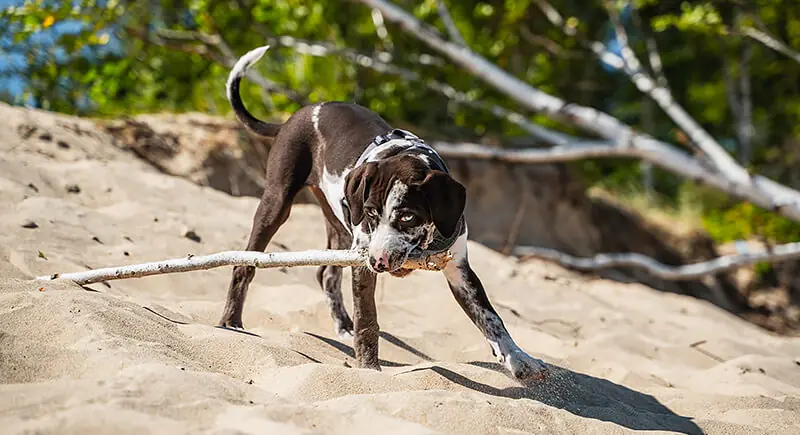
Catahoulas don’t wait around for commands. They figure things out on their own. They were raised to work independently and make split-second decisions while herding cattle or tracking prey. This trait makes them incredible problem solvers, but it can also challenge first-time dog owners.
Protective Nature
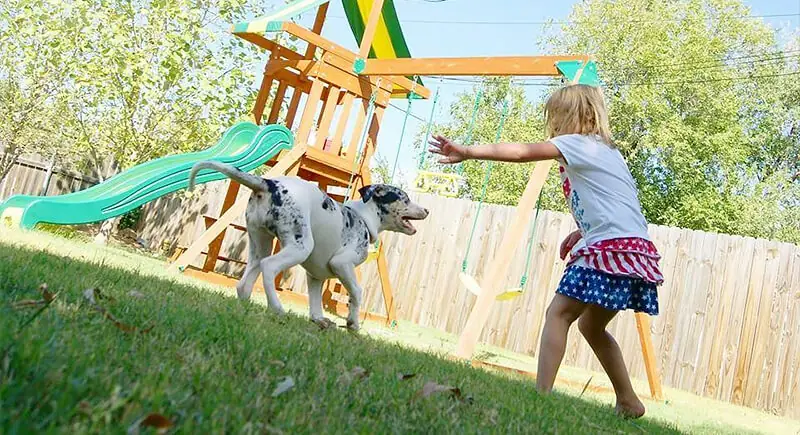
If something—or someone—seems off, they won’t hesitate to step between their family and potential danger. Catahoulas have an ingrained instinct to protect their home and people. Once they know you’re part of the pack, they’ll relax—but until then, they’re on duty and keep an eye out for anything suspicious.
Historical Hunting Role
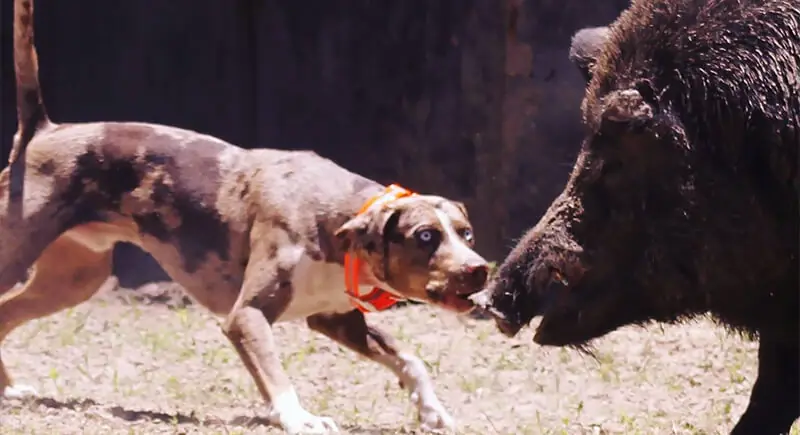
Before they became beloved family dogs, Catahoulas had a dangerous job: hunting wild boars. Unlike traditional hunting breeds that rely on speed or brute strength, Catahoulas developed a strategic approach. They worked as a team and used their agility and intelligence to surround the prey and hold it in place until the hunter arrived.
Unique Vocalizations
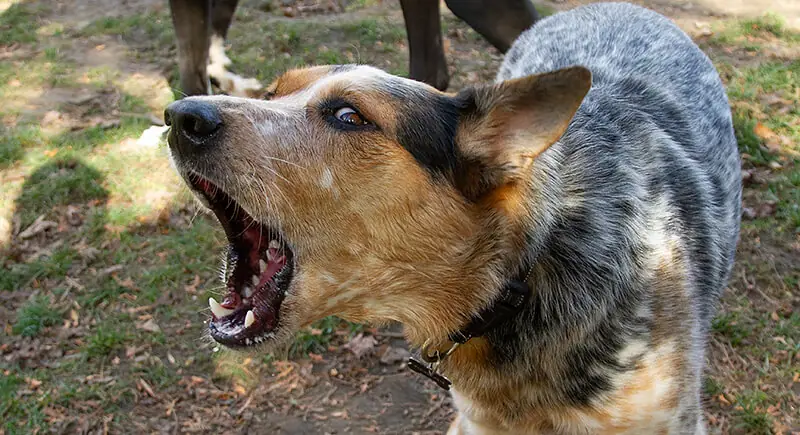
Catahoulas have an entire vocabulary. Their vocal range includes howls, yips, growls, and even something that sounds like a yodel. Some owners describe their Catahoula’s voice as almost “talkative,” especially when trying to get attention or express excitement. They may use different sounds to communicate with other dogs or their handlers while working.
Rare Outside the U.S.
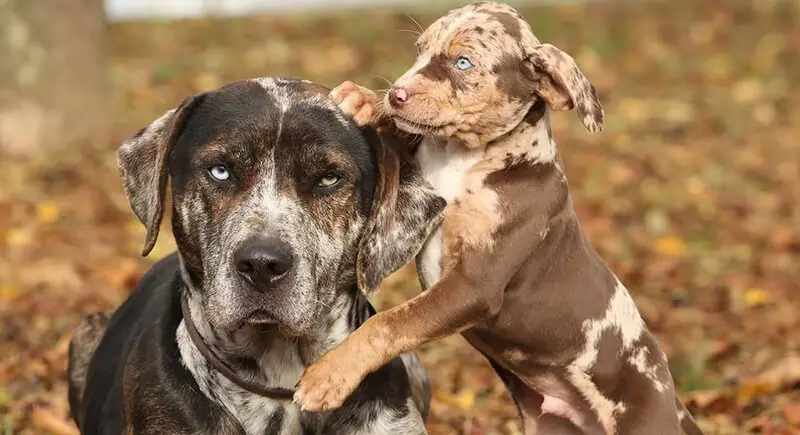
In Louisiana, Catahoulas are well-known, but outside of the United States, they’re practically unheard of. They never gained the international recognition that some other working breeds did since they were bred specifically for the swamps and farmlands of the American South. Their lack of global fame makes them a hidden gem—loyal, hardworking, and one of America’s best-kept dog secrets.
The “Tree-Climbing” Trick
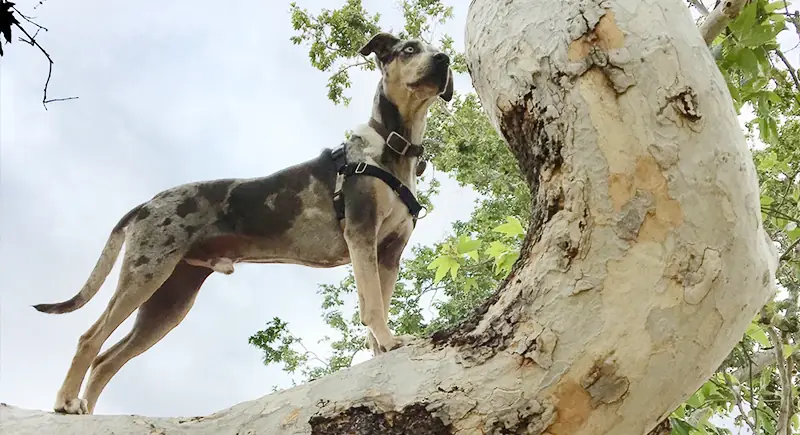
Catahoula Leopard Dogs are famous for an unusual hunting skill that surprises first-time owners. These dogs can climb trees to help track prey, using strong hind legs and fearless focus. It may look wild, but it stems from generations of working alongside hunters in dense Louisiana terrain.
Ear Maintenance
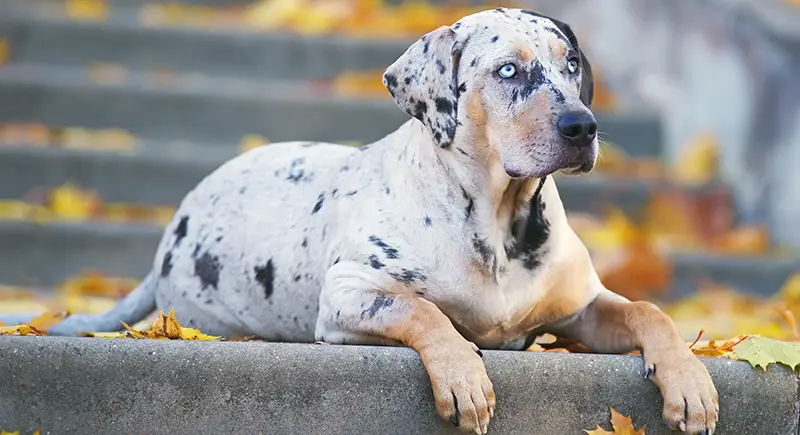
Those expressive ears need more care than many owners expect. Catahoulas have ears that can trap moisture, dirt, and debris, especially after outdoor adventures. Regular cleaning helps prevent infections and irritation. Failing to care for your dog’s ears can lead to problems, particularly for dogs that love swimming, playing in mud, and spending long days outdoors.





