

A dog’s trust is one of the most genuine connections you’ll ever experience, and it’s surprisingly fragile. It builds slowly through steady hands, soft encouragement, and the little promises you keep without speaking. When that silent agreement shatters, the impact can be heartbreaking. Knowing what behaviors put your bond at risk is the first step toward protecting it for life.
Understanding Builds Stronger Bonds
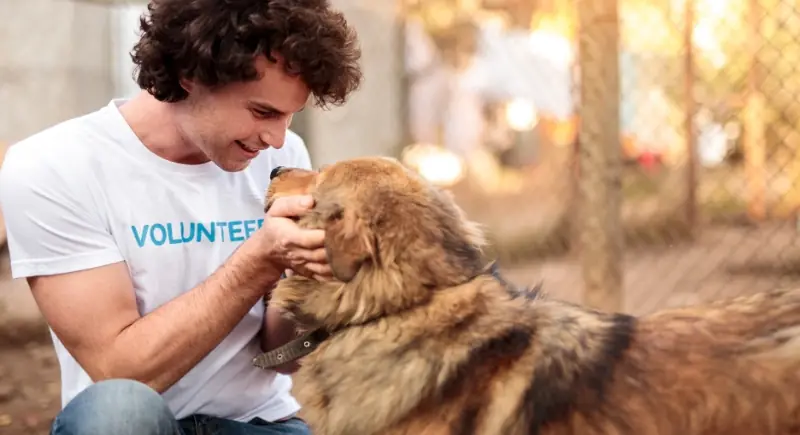
You can’t force your way into a dog’s heart. It’s earned by listening to what they cannot say out loud. True confidence comes from patience: easing into new experiences, cheering for tiny victories, and showing your dog you are listening every step of the way.
Forcing a Dog Into Scary Situations
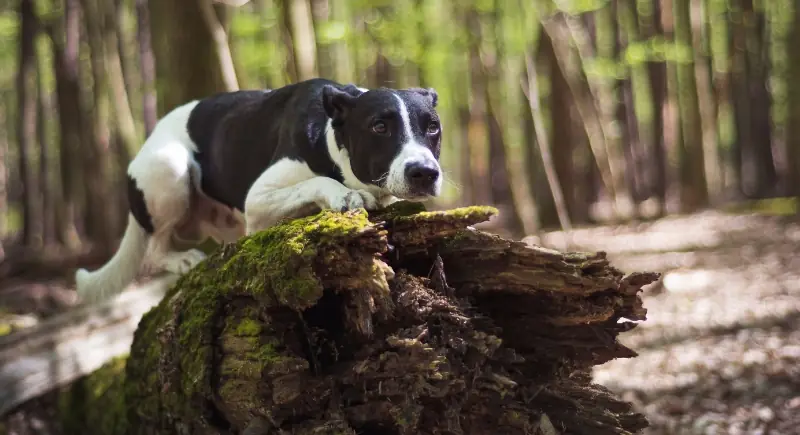
Dogs are constantly reading the world around them, and they expect you to do the same. Exposing them too quickly to overwhelming environments, like loud crowds or unfamiliar places, teaches them that their feelings are ignored.
Taking Away Their Treasures
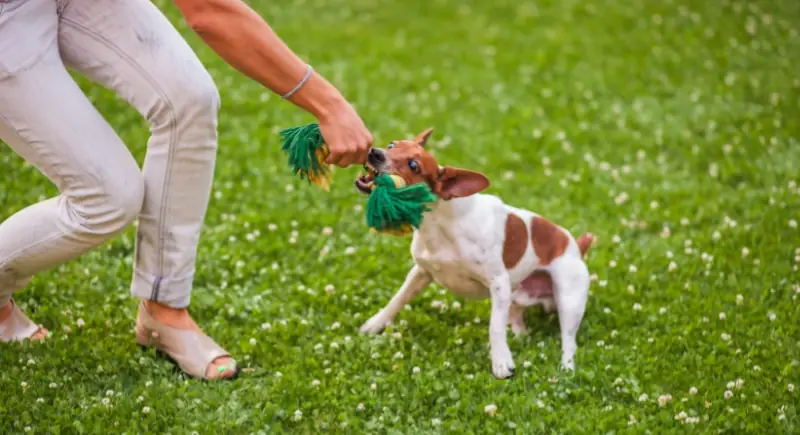
To a dog, belongings are treasures, and losing them repeatedly sparks anxiety and defensive instincts. Resource guarding often grows from this kind of insecurity. Trading instead of taking; offering a treat or an even better toy, shows dogs that giving something up leads to good things.
Ignoring Subtle Warning Signs

A quick lip lick, a slow yawn, or a head turned slightly away are all part of their silent language. Eventually, those soft warnings can turn louder and sharper. Tuning in early, respecting their signals, and adjusting your approach shows your dog that what they feel matters, laying the groundwork for a stronger, safer connection between you both.
Not Shielding Them From Discomfort

Each time you step in to shield your dog from an uncomfortable encounter, you prove they can count on you. Standing silent while a stranger pushes into their space or another dog gets too close tells a different story: they are left fending for themselves. Protecting their boundaries, like stepping between them and a pushy dog, shows you have their back.
Overlooking Breed-Specific Needs

Every dog carries a little history in their paws; tapping into that history is key to truly connecting. A Border Collie craves mental workouts just as much as a Greyhound craves the thrill of a chase. Overlooking what makes your dog tick can leave them bored, frustrated, and out of sync with you.
Setting Up Inconsistent Rules
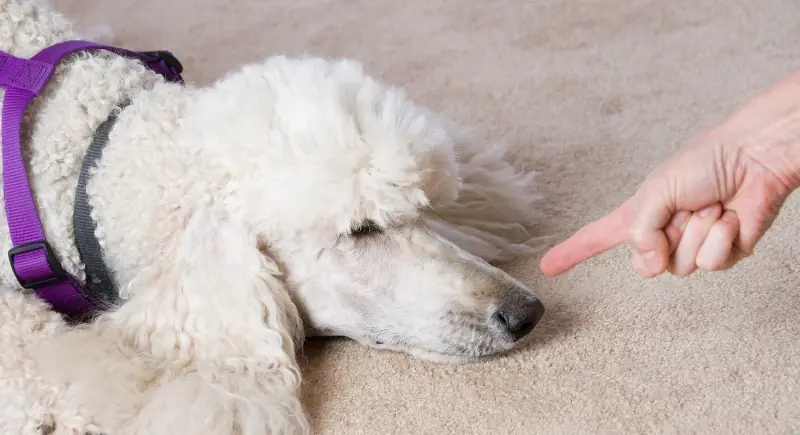
Being allowed on the couch one day and scolded for it the next leaves them confused and uneasy. Inconsistent training chips away at their confidence, making them second-guess everything. Clear, steady rules help your dog feel secure and understood. When everyone’s on the same page with commands, rewards, and boundaries, your dog knows exactly what to expect.
Not Allowing Them to Socialize
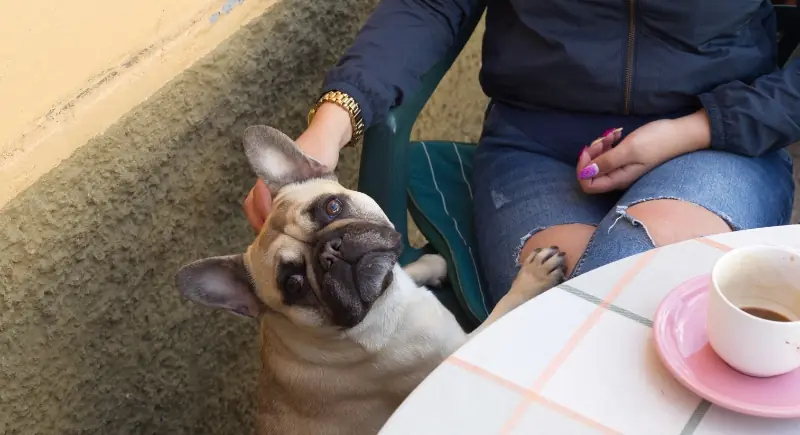
A dog raised without positive exposure to people, animals, and places grows up suspicious and fearful. Socialization involves gradually showing them that the world is mostly friendly and safe. Without this foundation, curiosity shrinks, and anxiety takes root.
Using Punishment Like Hitting

Physical force or fear-based tools like shock collars often ignite fear that mutates into defensive aggression. Studies show fear-based methods usually spark more aggression and make learning harder, not easier. Building a genuine connection means choosing encouragement over intimidation. Every treat, every cheer, every patient moment plants seeds of trust.
Leaving Them Alone For Long

Dogs are social creatures. Leaving them isolated for hours on end breeds loneliness and distress. Without regular reassurance, even the most independent dogs start to fray emotionally. Building trust means balancing independence with connection and finding ways to ease their solitude whenever possible.
Neglecting Mental Stimulation

Mental boredom is as damaging as physical neglect. Without daily challenges, clever dogs quickly invent destructive “games” to entertain themselves. Enrich their days with puzzles, new tricks, or scent adventures, and you’ll tap into the deep satisfaction they get from solving problems and learning.
Forgoing Vet Visits And Basic Needs

Skipping vet visits or ignoring grooming needs might seem minor, but to a dog, it speaks volumes. Letting minor issues fester makes them feel vulnerable and overlooked. Showing up for their basic needs, not just when it’s convenient, proves that you value their comfort and safety daily.
Cutting Off Their Sniff Exploration

A dog’s nose is their passport to the world, picking up scents like we pick up headlines. Cutting off their exploration mid-sniff isn’t recommended. Interrupting a dog’s natural exploration instincts can leave them stressed and disconnected. Giving them time to investigate and using calm, clear cues to guide them forward leads to a partnership.
Turning the Crate Into a Punishment Zone

A crate is your dog’s bedroom, not a time-out corner. Turning it into a punishment zone teaches your dog to associate it with fear instead of comfort, making every crate experience like a trap. They might start avoiding it altogether, whining or trying to break free.
Breaking Eye Contact During High-Stress Moments

When your dog looks to you during a tense moment, they are searching for reassurance. Turning away or checking out too quickly can leave them feeling alone in something they do not understand. Over time, that absence of support chips away at trust, making them less likely to rely on you when it matters most.
Using Their Name Only for Scolding

A dog’s name should feel like a safe, familiar sound, not a warning. If it only comes up when something is wrong, they start to associate it with stress or punishment. Eventually, they may hesitate to respond or avoid you altogether, unsure whether they are about to be corrected rather than welcomed.





