
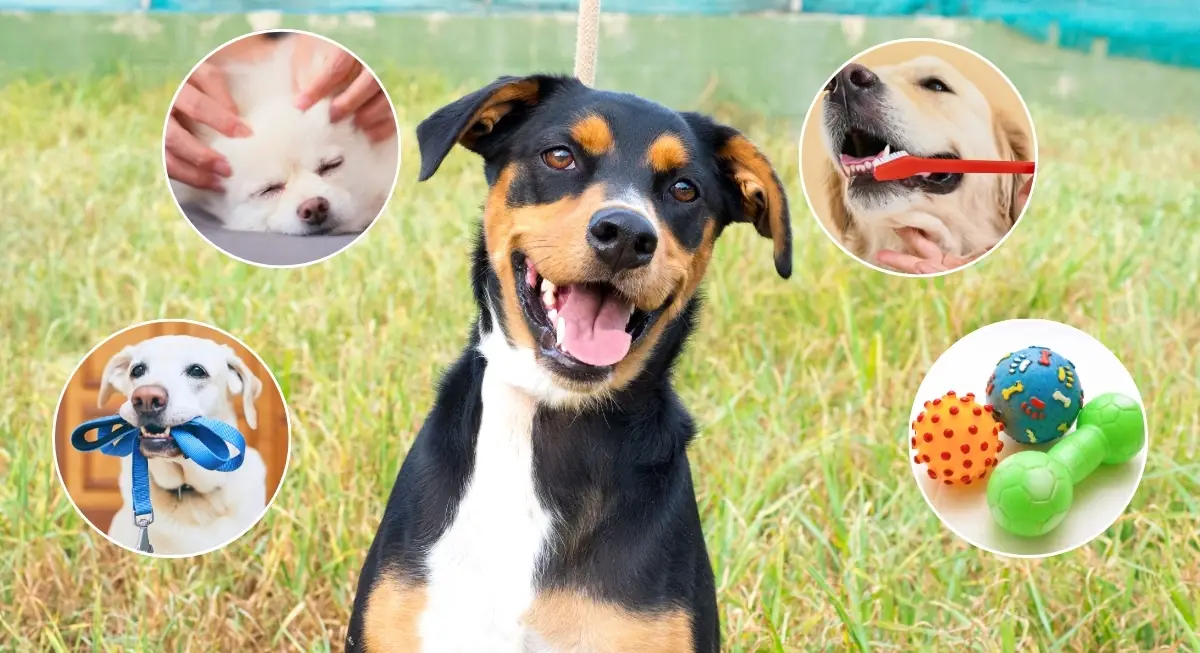
Most dogs are content with routine, but that doesn’t mean they’re fulfilled. A good life includes mental challenges, physical outlets, and real connection. You’ll notice it when those things fall into place, less frustration, more focus, and a calmer home overall. Here are some ideas to help you achieve just that.
Give Them Praise
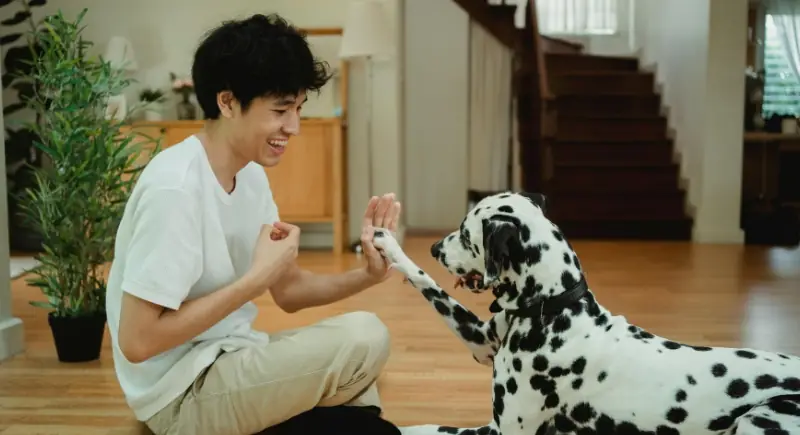
Many owners stop giving verbal praise once training ends, but dogs still rely on clear feedback. According to research, consistent positive reinforcement strengthens memory and reduces stress. Even common phrases, said calmly, signal approval. Praise works best when it’s part of each day, not just reserved for commands.
Vary Walk Routes
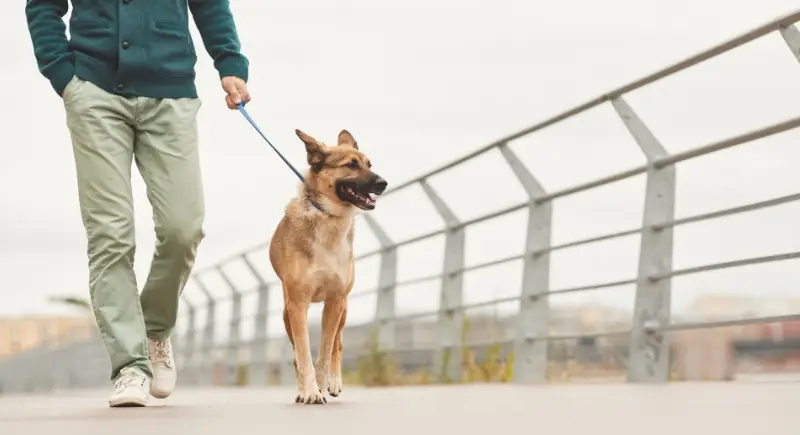
Smells drive how animals interpret the world. Walking the same path every day dulls that experience. But new routes activate the brain’s olfactory and memory systems and create a more enriching walk. Adding variety, even twice a week, enhances attention and reduces leash pulling.
Rotate Toy Sets
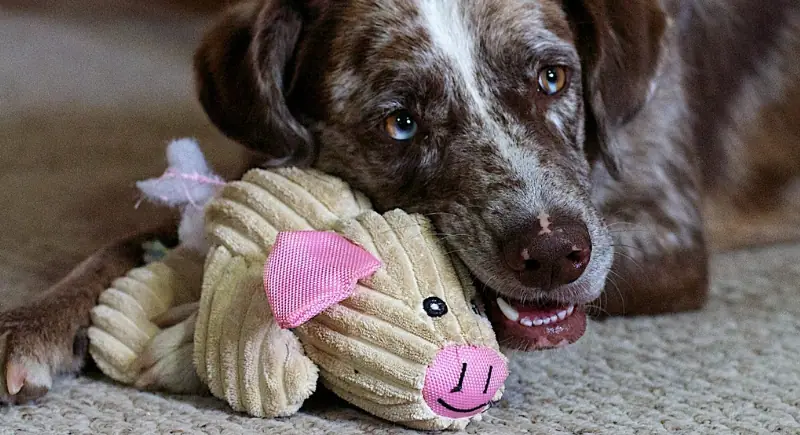
Rotate toys by dividing them into smaller groups and keeping some out of sight. Reintroduce a different set every few days to renew interest. This change makes it easier to see which toys hold your pet’s attention. You don’t need to buy more toys, just manage what you already have.
Match Play Style
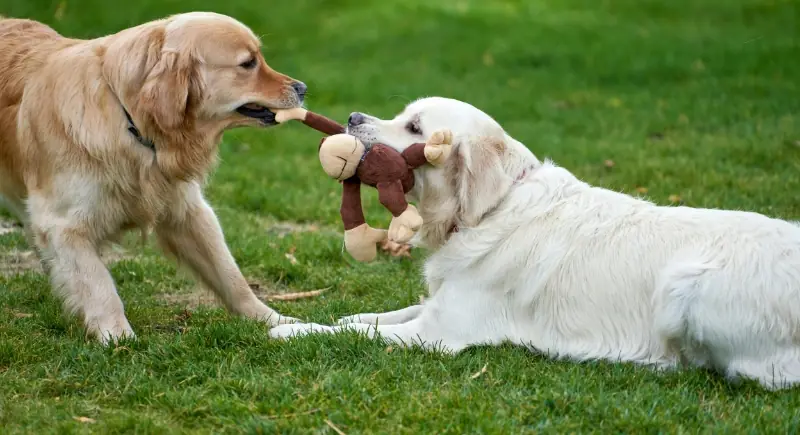
Not every dog likes fetch. Some prefer sniffing games, others like tug or directional movement. These preferences often reflect natural tendencies. A border collie won’t play the same way a basset hound will. Instead of forcing general games, observe and follow their lead.
Brush Teeth
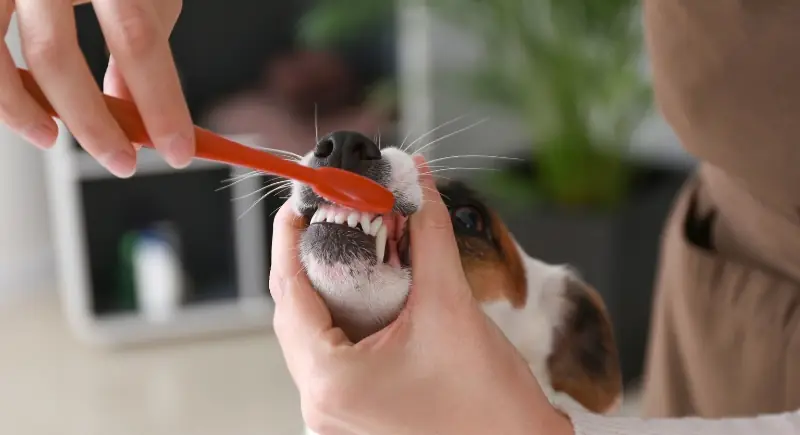
Most dogs show signs of periodontal disease by age three. Left untreated, it can lead to pain, tooth loss, and systemic infections affecting organs like the liver and heart. Brushing with canine-safe paste twice or thrice a week significantly lowers these risks. Take it slow, link the habit to an existing activity, and offer a reward afterward.
Improve Food Quality

Many commercial pet foods rely on corn, soy, or wheat as base ingredients. These fillers don’t offer the same nutritional value as whole proteins or vegetables. Extended use of these diets can lead to bloating, skin issues, and weight gain. Better food supports clarity, healthier digestion, and stronger immunity.
Add Sunlight Time

Place a bed near a sunny window or schedule outside time mid-morning. This small modification can help upgrade nighttime calm and overall stability, especially in older animals or those adjusting to new habits. Direct sunlight also aids in regulating melatonin and serotonin levels, which influence sleep and mood.
Try Puzzle Feeders
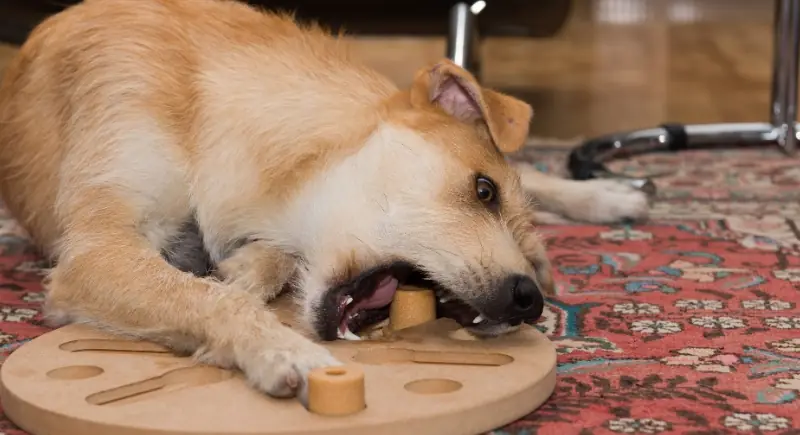
Fast eaters may finish in seconds, but it will leave them hungry for stimulation and with poor digestion. Slow feeders, lick mats, and treat puzzles change that. These tools extend mealtime, increase satisfaction, and redirect nervous energy into an organized task. For anxious or energetic pets, one puzzle-fed meal a day makes a noticeable difference.
Structure Alone Time

Extended isolation leads to issues like chewing, pacing, and over-attachment. But the solution isn’t your constant company. Set up an activity before leaving: a frozen chew, a smell mat, or a durable puzzle toy. This approach allows the animal to build tolerance and reduces the anxiety that tends to show up when daily activities lack purpose or variation.
Introduce Scent Games
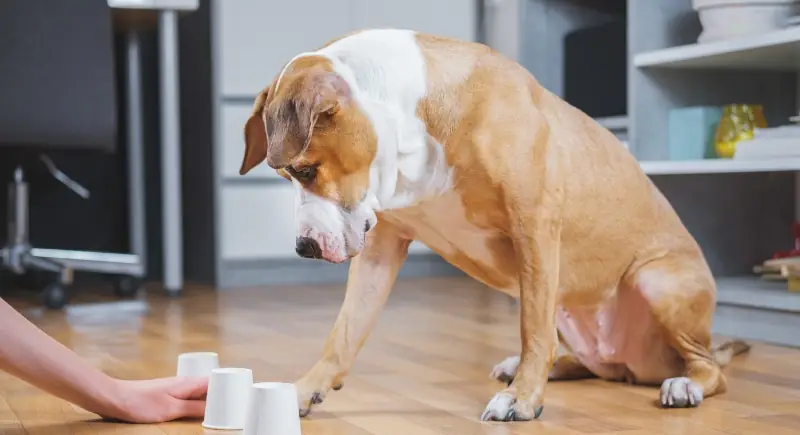
The canine nose contains over 200 million scent receptors, far more than a human’s. Hide treats around the house or in rolled towels to encourage independent searching without stepping in too early. Start simple and add complexity. This activity works well for older or recovering animals since it does not require speed or agility.
Use Gentle Massage
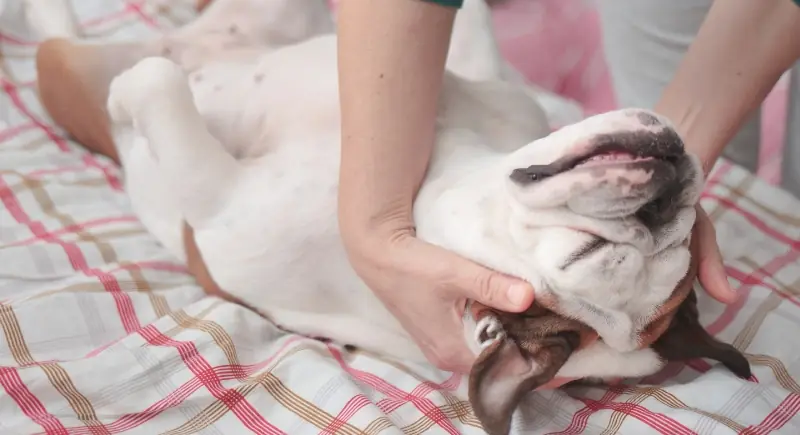
Therapeutic touch increases circulation, decreases tension, and provides quiet interaction. Begin with light strokes down the shoulders and along the spine. Avoid pressing on joints or moving too quickly. The good news is that regular sessions can ease arthritis discomfort and support aging muscles.
Balance Routine Naturally

Predictable routines create stability, but when every day looks identical, energy levels dip and engagement fades. Small variations, like swapping in a new toy, introducing a cue, or altering the walking route, can bring focus back without causing any disruptions in the day-to-day.
Assign Everyday Tasks
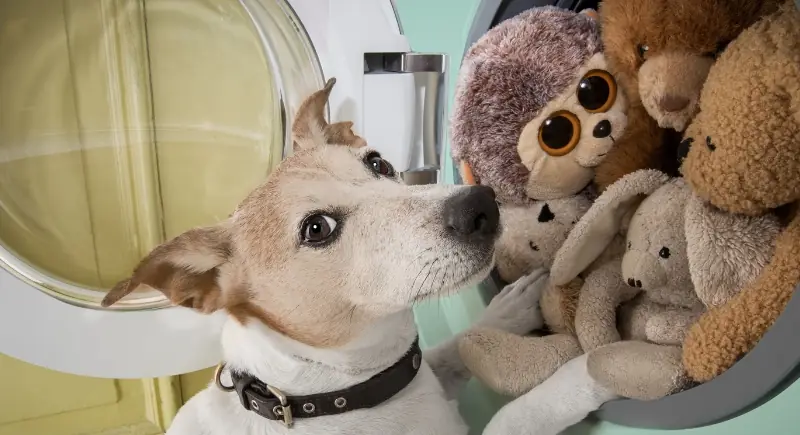
Basic tasks like fetching, carrying, or tidying up toys add structure to the day. Skipping them leaves animals under-stimulated and unsure of what to do with themselves. Try assigning just one “job” per day. That little effort adds to clearer communication and a more grounded, responsive animal.
Clean Ears Weekly

Ear infections cause discomfort that builds gradually. Early symptoms, like tilting, persistent scratching, or an unusual smell, tend to go unnoticed. Once an ear infection is present, treatment requires medication, vet visits, and sometimes sedation. Weekly wiping with a soft pad and gentle solution removes buildup and keeps inflammation at bay.
Offer Daily Chews
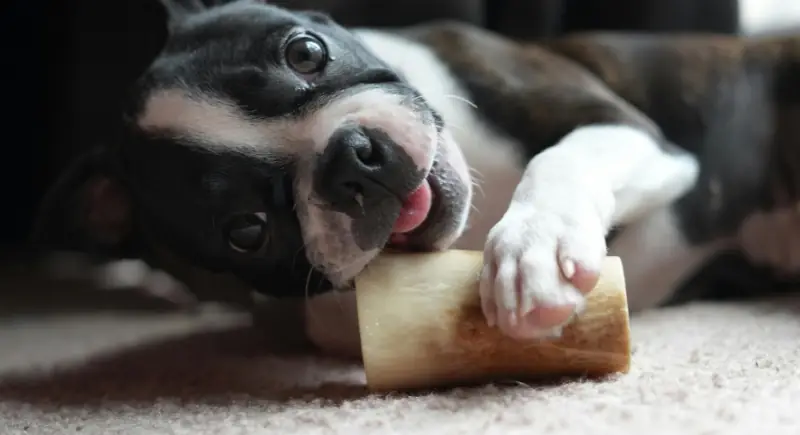
Chewing helps regulate stress, especially when energy shifts, after a walk, before rest, or during downtime. It lowers cortisol and gives the body something productive to do. Without a consistent outlet, that need can turn into destructive behavior, munching on furniture, grabbing at clothes, or pacing with frustration.
Create a “Sniffari” on Walks
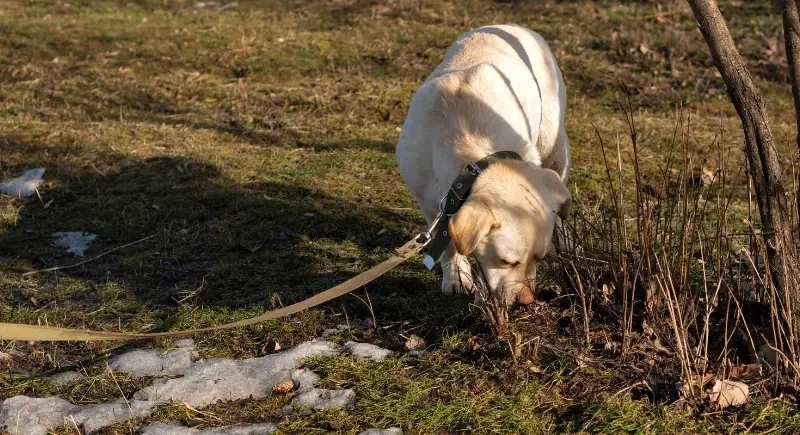
Some dogs do not care how far the walk goes. They care about what they can smell along the way. Let them stop. Let them investigate tree trunks, grass patches, and mailboxes without rushing every few seconds. A slow walk packed with scent work can leave a dog more settled than a long march.
Schedule Playdates With Other Dogs
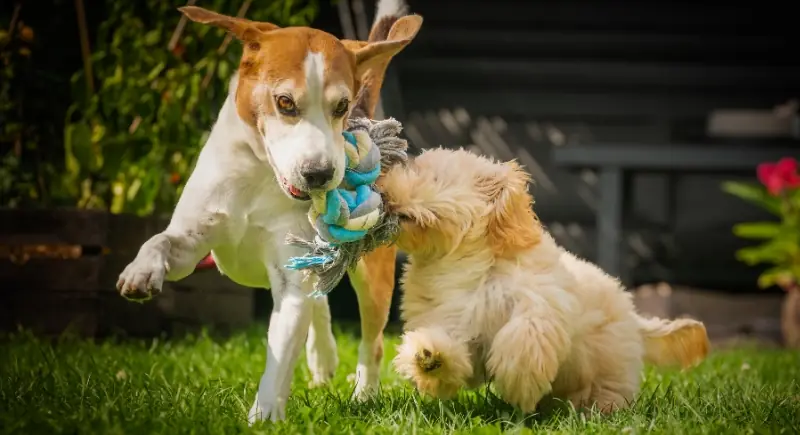
Dogs learn from each other in ways humans cannot fully replace. One good play session can burn energy, sharpen social skills, and break up the week. Watch two dogs play chase games in a yard for 10 minutes, and the difference becomes obvious. The house feels calmer later. The nap afterward lasts longer, too.





