
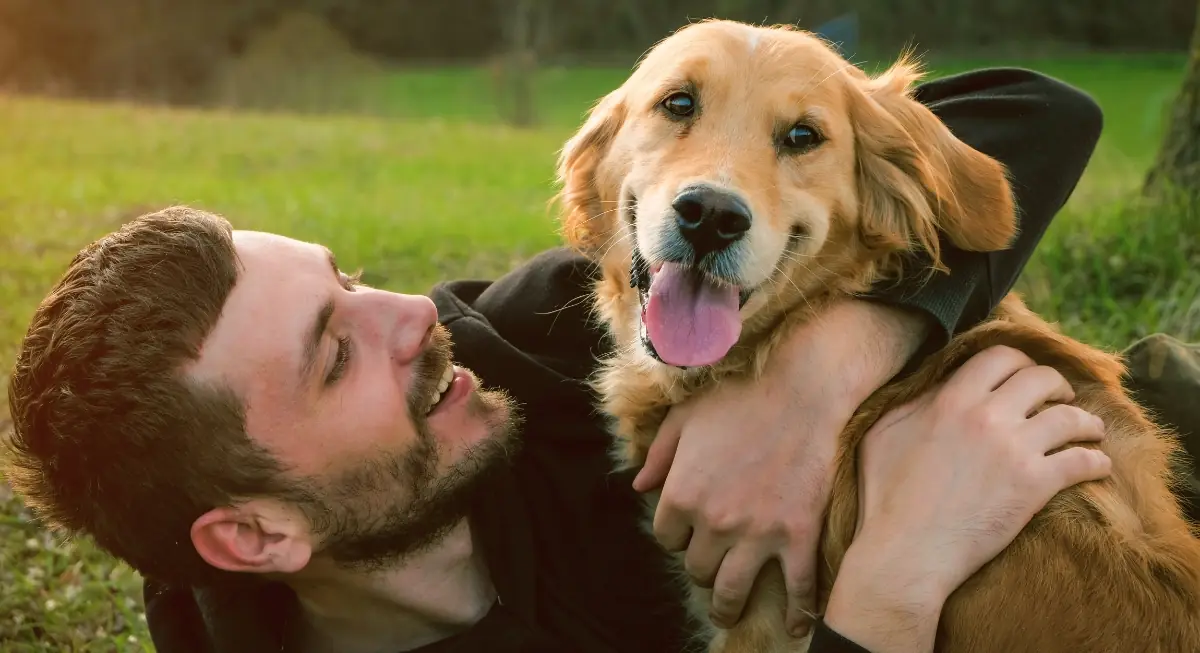
Training your dog builds a deeper connection. The time you spend practicing commands, playing structured games, or walking the same route each day gives your dog a sense of clarity and safety. Good training also helps your dog understand what’s expected and makes it easier for you to understand their needs. That back-and-forth creates teamwork. These shared efforts make life together easier, smoother, and more rewarding for both of you.
Consistent Routines Create Predictable Safety

Dogs respond best to predictable schedules and steady expectations. Regular, short sessions at familiar times help dogs settle into patterns they can anticipate. Consistent routines support adjustment to household rhythms and improve cooperation.
Positive Reinforcement Links Learning With Trust
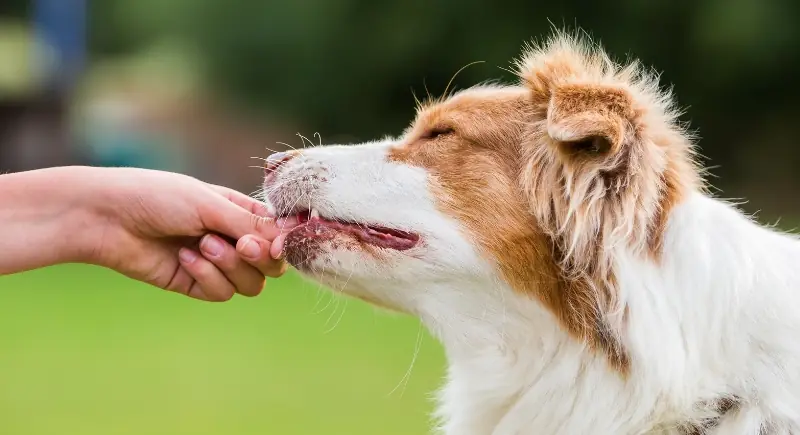
When dogs connect listening to you with treats or praise, it changes how they interpret feedback. Instead of guessing or bracing for correction, they look to you with anticipation. The consistent link builds a foundation of mutual trust.
Foundational Commands Improve Safety And Reliance
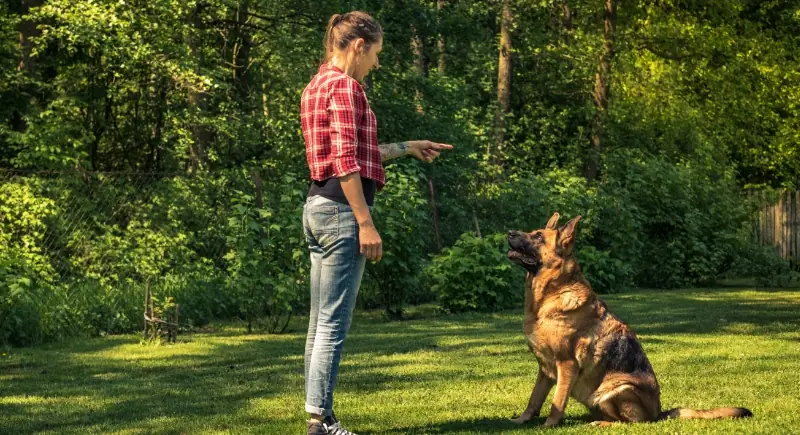
Teaching “sit,” “stay,” and “come” helps build a sense of safety. These skills allow owners to manage risk in real environments. When dogs respond reliably, handlers gain confidence in shared activities, and dogs learn to look to their person for direction in changing situations.
Social Exposure Builds Confidence Through Guidance
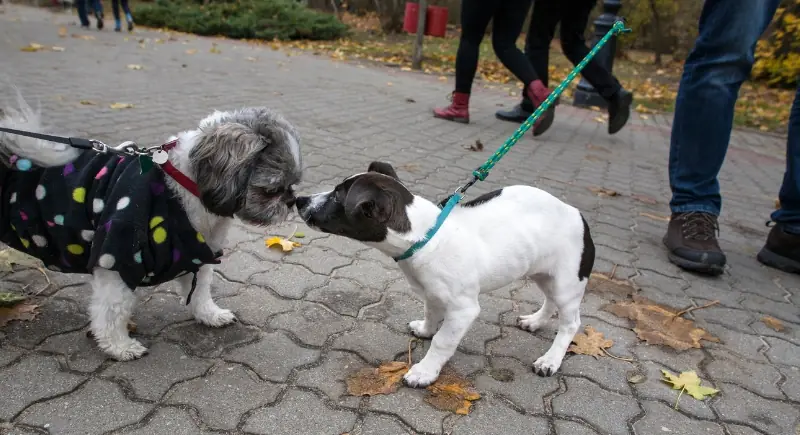
New faces, dogs, and places can be unsettling. Controlled introductions guided by you help dogs read cues calmly. When they’re used to you navigating new situations, it reduces the likelihood of stress-related reactions and builds their confidence in unfamiliar environments.
Structured Tug Teaches Control Within Play
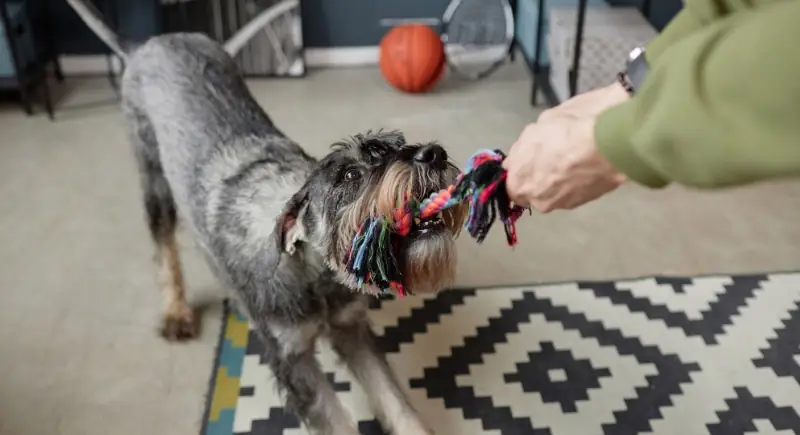
Professional trainers describe tug as a way to build connection while practicing self-control through cues like “get it” and “out.” Keeping tug toys for interactive use reinforces the human–dog partnership and reduces destructive chewing. The game becomes a cooperative activity that channels excitement into controlled engagement.
Hide And Seek Reinforces Recall Through Interaction
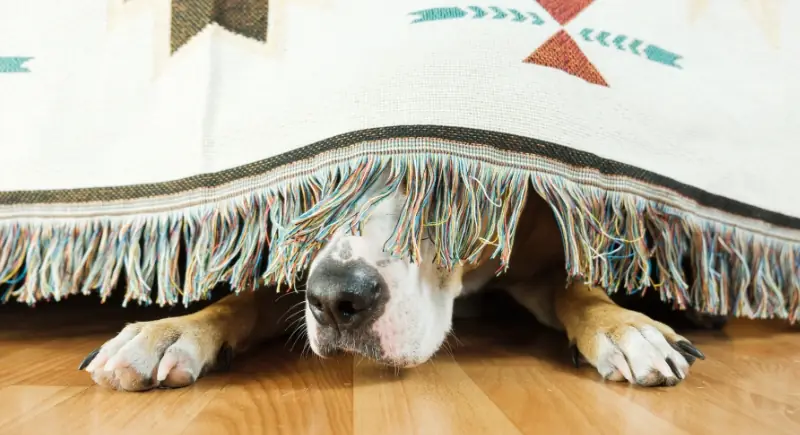
Trainer guidance frames hide-and-seek as a home activity that practices “stay” and recall in an engaging way. The structure pairs obedience with a shared goal, building attention to the handler’s cues. Repeated practice strengthens responsiveness during everyday situations that call for reliable recall.
Enrichment Connects Learning To Mental Stimulation
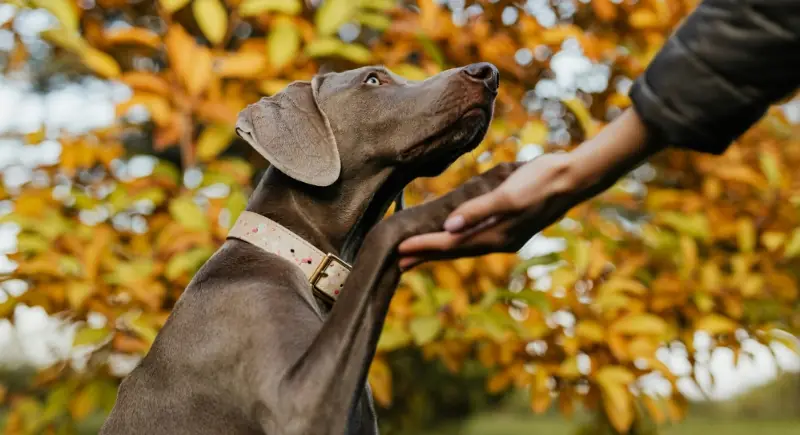
Dogs think with their noses and ears. Scent trails, puzzle feeders, and audio exposure exercises offer stimulation that standard walks don’t provide. Trainers say these activities help dogs concentrate better during sessions because they’re using more of their natural instincts.
Physical Handling Builds Comfort With Care Tasks
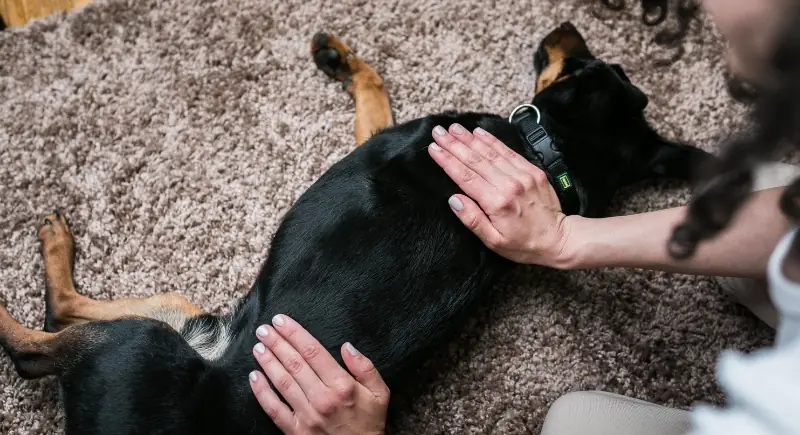
Trainers advise gentle massage and learning a dog’s preferred touch to improve comfort with body handling. This prepares dogs for nail trimming and veterinary exams by pairing touch with calm experiences. Repeated, respectful handling during training builds trust around necessary care that can otherwise cause tension.
Addressing Behavior Issues Through Consistent Practice
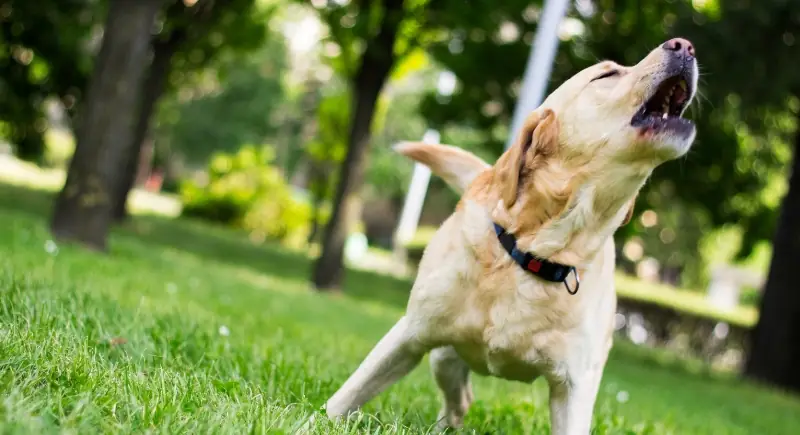
Jumping, pulling, or excessive barking usually won’t disappear after one fix. But if your dog knows a structure is in place and you’re patient with corrections, they’ll start adjusting. Consistency turns misunderstandings into habits. It also helps everyone in the household respond to behaviors consistently.
Realistic Goals Support Steady Progress
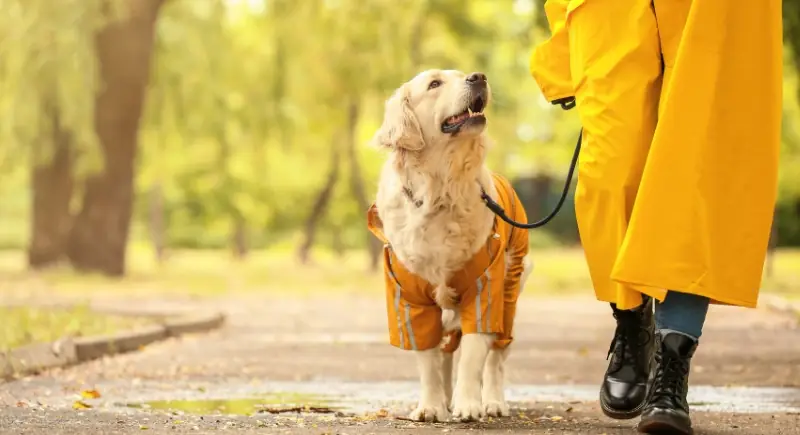
Expecting quick mastery can tank motivation for both you and your dog. Recognizing tiny improvements makes it easier to stay consistent. Progress might look like two extra seconds of eye contact or fewer corrections on a walk. Those gradual shifts add up.





