

Some foods that humans enjoy are either disliked by dogs or downright dangerous. If you want to know how to keep your four-legged friend happy, here are some of the common treats that they tend to keep their distance from or shouldn’t eat in the first place.
Onions
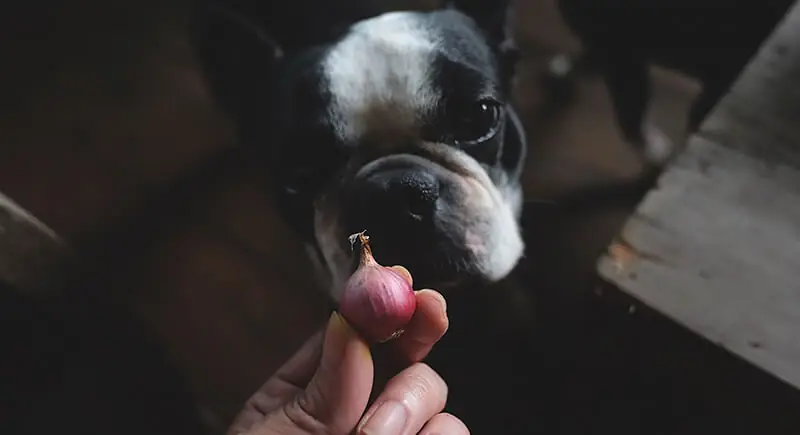
Most dogs avoid onions entirely and back off as soon as they catch the smell. That natural reaction helps them, since onions can damage red blood cells and cause anemia. Even small amounts—cooked, raw, or powdered—pose a risk. Onion powder in soups, sauces, or seasoning blends can be harmful.
Citrus
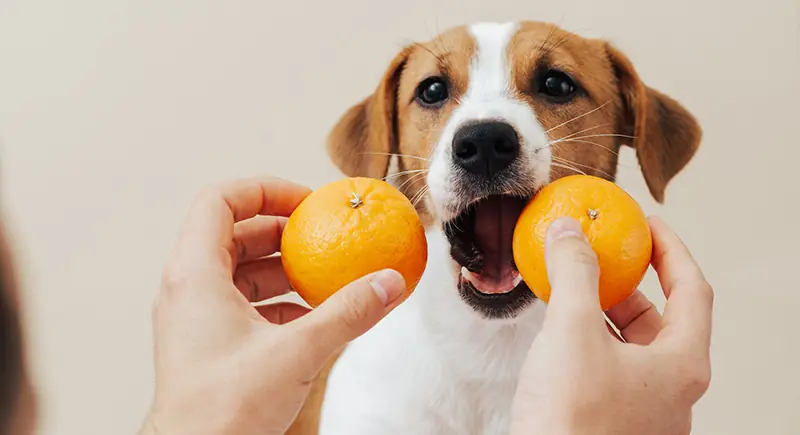
The scent of citrus fruits may confuse your pup. This is because it is too sharp, while the taste is overwhelming, and their stomachs don’t handle it well. Dogs often recoil from lemons or limes. The essential oils and acids in citrus can also irritate the digestive tract.
Grapes And Raisins
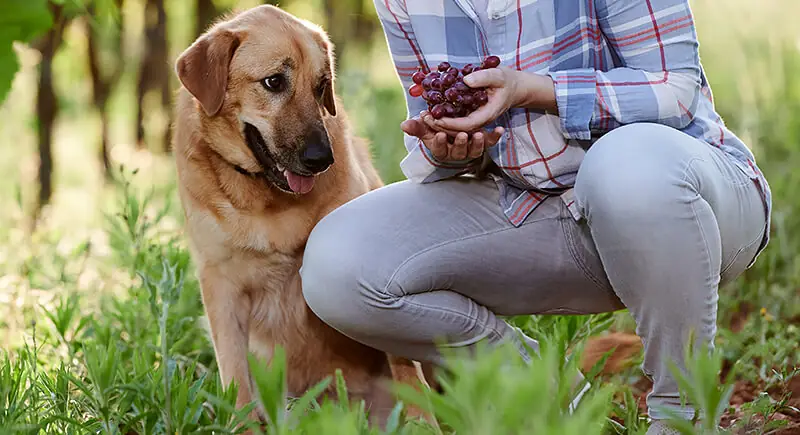
Veterinary researchers began warning about grapes and raisins in the early 2000s. Cases of sudden kidney failure appeared in dogs that had eaten only a few. The exact cause remains unclear, but the pattern is consistent. Canines who eat them may vomit within hours or show signs of lethargy and reduced appetite.
Garlic
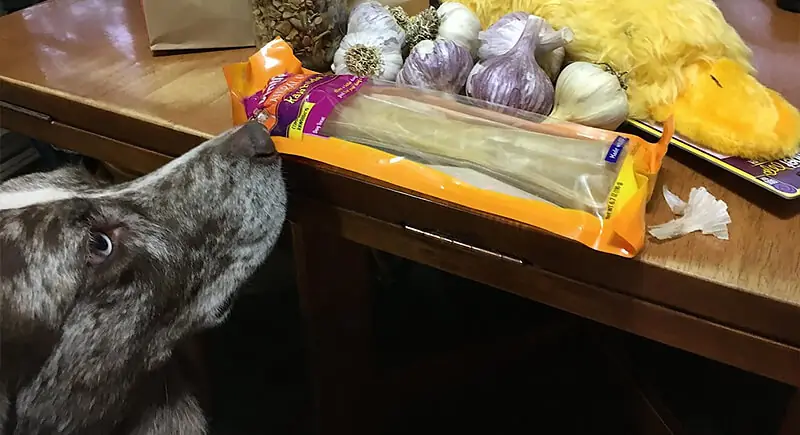
Your furry companion might seem fine after eating garlic, but internal damage can build quietly. Garlic harms red blood cells and can lead to hemolysis, a condition in which the cells rupture. Some dogs are drawn to garlic-seasoned meats, which only increases the chance of repeated exposure and long-term health issues.
Ice Cream
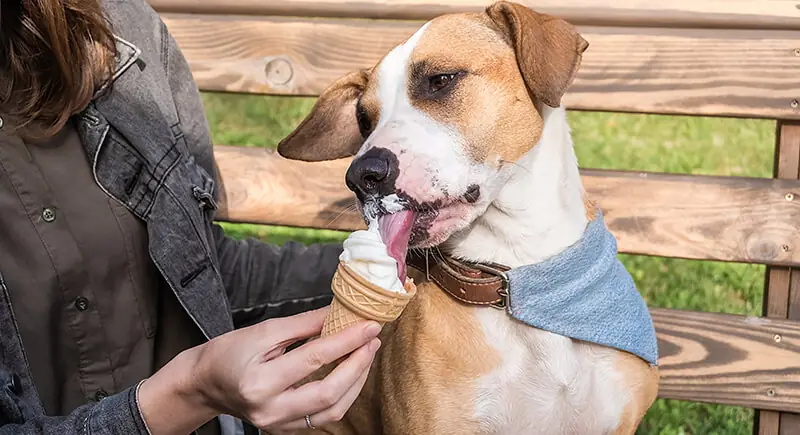
Various pet parents pick up “dog-friendly” ice creams, thinking they’re a safer alternative, but those contain unnecessary sugars or additives. Dogs don’t need sweeteners to enjoy a treat, and too much sugar can still negatively impact their health. In case your pup is craving something cold, frozen banana slices or plain ice cubes work just fine.
Chocolate

It surprises many people how often dogs end up in emergency vet clinics because of chocolate. Thousands of cases are reported every year, mostly due to accidental snacking. Chocolate is made up of theobromine and caffeine, both of which pups can’t metabolize well. Pups can’t sense the danger, so it’s on parents to keep chocolate, wrappers, and baking chips out of reach.
Pickles
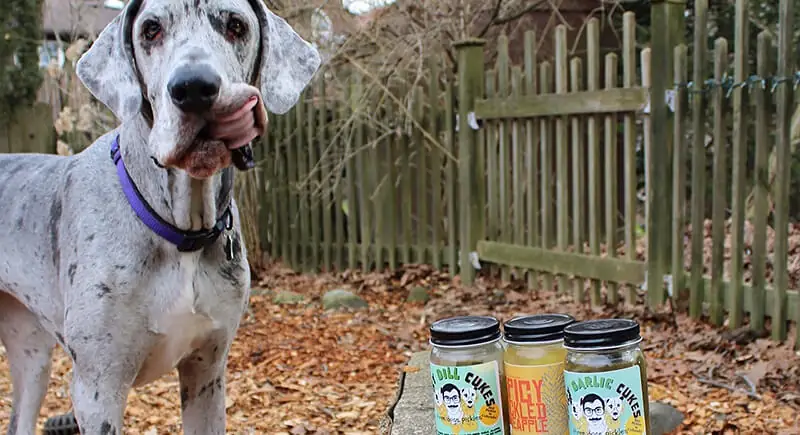
Pickles contain a heavy dose of sodium and can deliver up to 300 milligrams in a couple of slices. That’s more sodium than a small dog should have in a day. A large number of pickles are also made using onion or garlic powder, which can be toxic.
Rhubarb
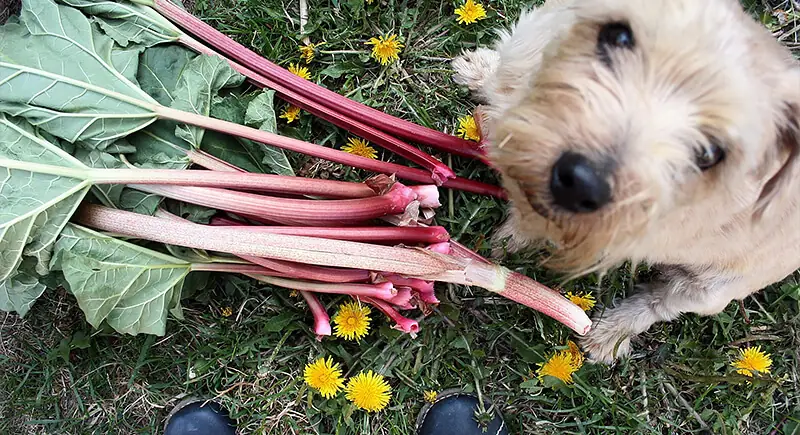
What looks like an ordinary pie ingredient can be harmful for dogs in ways most don’t expect. Rhubarb contains soluble oxalates, which bind with calcium in the body and can cause tremors, kidney issues, or dangerously low calcium levels. Sugar tends to mask its tartness in baked goods, which makes it easier for dogs to consume unnoticed.
Spicy Foods
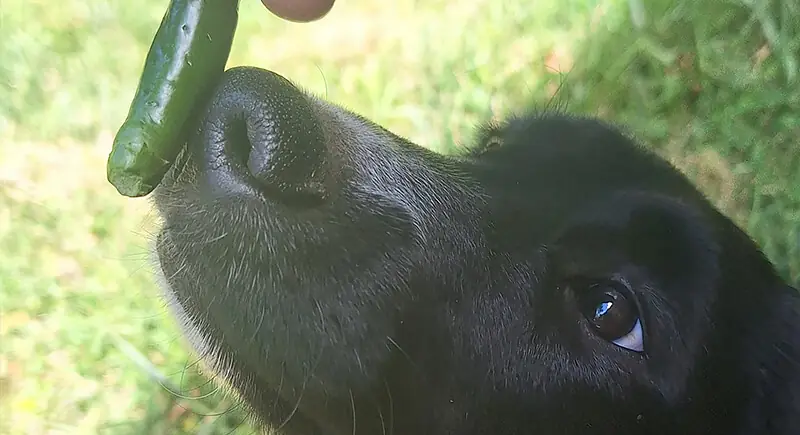
Only a few owners realize how intense spicy food can be to dogs. Without receptors for heat, they can’t make sense of the burning sensation and may react with pawing, drooling, or pacing. If your dog eats something spicy, rinse their mouth right away and watch them closely for signs of gastrointestinal trouble.
Mushrooms
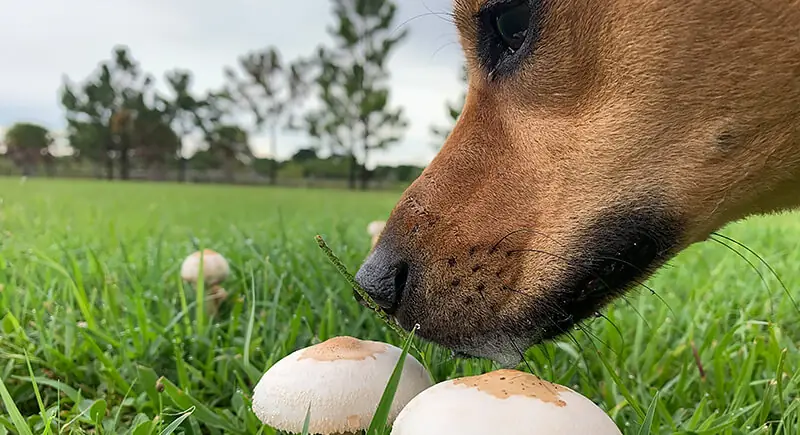
Sniffing mushrooms and walking away is quite natural for canines. That instinct makes sense, since some wild mushrooms can kill a dog with a single bite. Even store-bought varieties aren’t worth the risk. They provide no nutritional benefit, and the smell and texture rarely appeal to them anyway.
Cherries

A small cherry dropped on the floor can quickly turn into a health scare if a dog gets to it first. They contain amygdalin in the pits, stems, and leaves, which converts into cyanide when chewed. Just a few can affect oxygen levels in the body. In the event of your pup swallowing cherries, especially whole, call your vet and monitor for symptoms like red gums or vomiting.
Broccoli
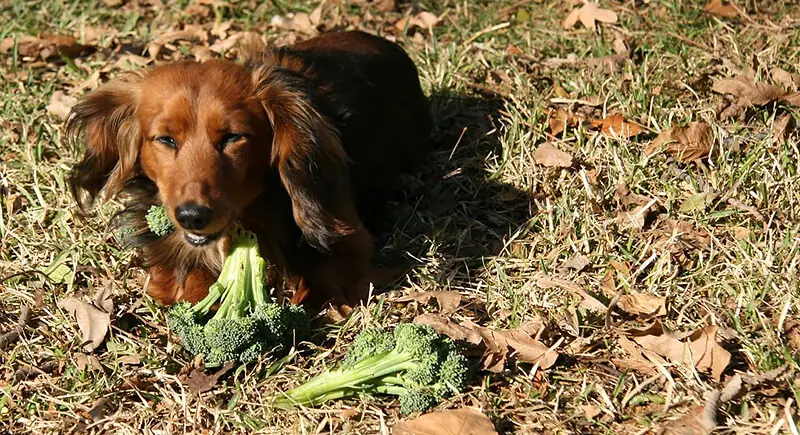
While broccoli isn’t toxic in small amounts, it causes gas and stomach discomfort when eaten in larger servings. Even when cooked, it doesn’t go down easily. Some pet owners try to sneak vegetables into their dogs’ meals for health reasons, but broccoli gets picked out and left behind.
Sugar-Free Snacks
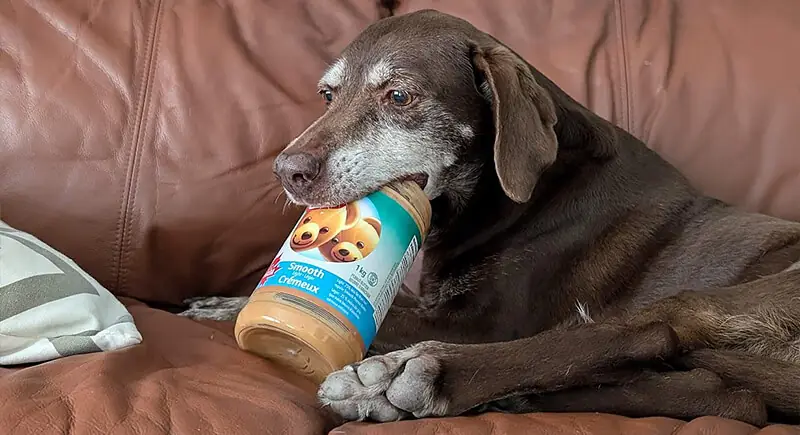
Xylitol poisoning has increased sharply in the past decade, largely due to its presence in everyday items like gum, mints, peanut butter, and protein bars. It is a sugar substitute used to reduce calories in products labeled “sugar-free” or “low carb.” Your pup does not have the ability to tell it apart from sugar, so make sure to read the label carefully.
Milk
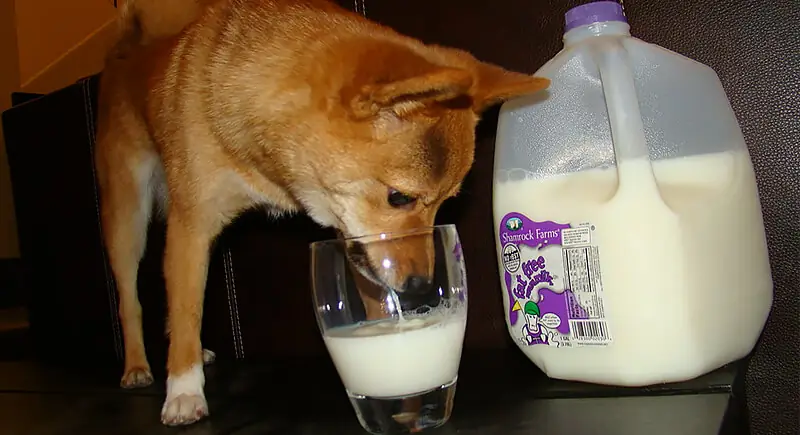
Adult dogs have low levels of lactase, the enzyme needed to break down milk sugar. As puppies, they can digest milk easily, but that ability fades over time. This is why clean, fresh water is the better option, especially after exercise, when canines need hydration more than extra calories.
Avocados
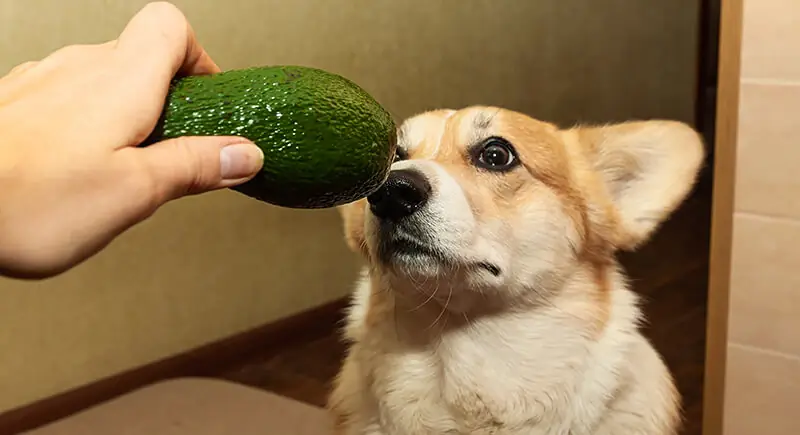
Assuming avocado is healthy for dogs can lead to problems. It contains persin, a naturally occurring toxin that may cause stomach upset and, in higher amounts, heart-related issues. The pit adds another danger, posing a choking risk or potential intestinal blockage if swallowed.
Celery

Celery gets the hopeful handoff. Then comes the pause. Your dog sniffs the stalk, hears the crunch, and may still walk away like you offered a stick from the yard. It is safe in small pieces, and vets list it as a low-calorie treat, but plenty of pups want meat, not salad.
Radishes
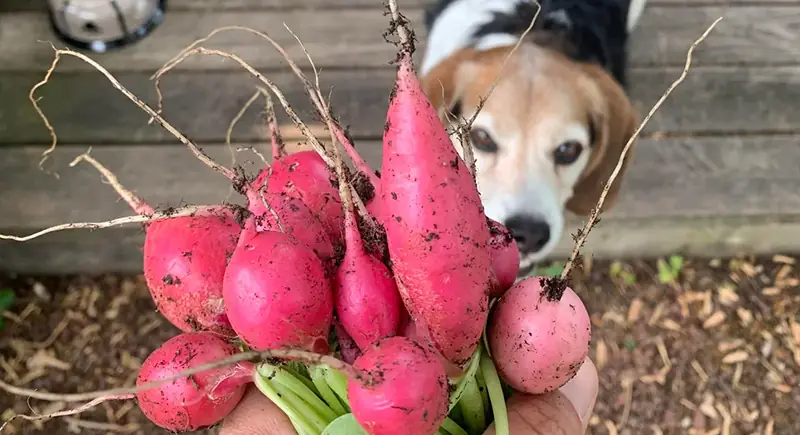
Radishes bring attitude. One bite has that peppery snap, and many dogs treat it like a prank from the cutting board. The root is safe in small amounts, but the leaves can upset a dog’s stomach. So if your pup spits it out, no hard feelings. That face says enough.





