

Most pets learn routines and commands, but some absorb subtle behaviors just by watching the people around them. Researchers have found that dogs reflect their owners’ moods, habits, and even personality traits as time passes. These patterns build slowly through constant exposure.
Let’s check some of them out below.
Matching Sleep Schedules
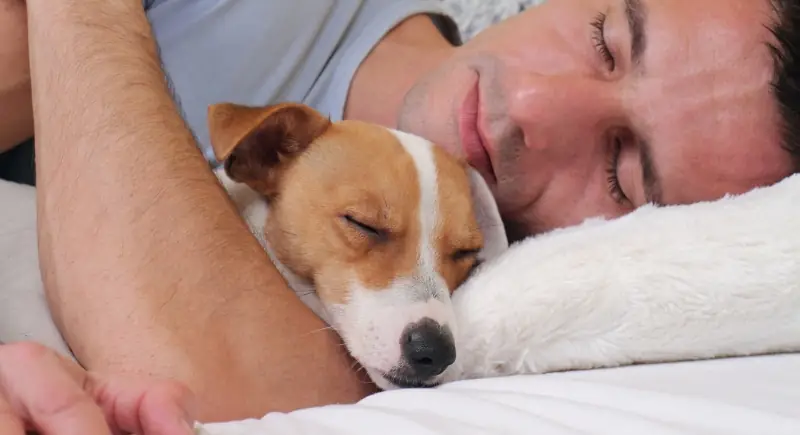
Dogs sleep more overall than humans, but their main rest periods often shift when they live close to people. Many begin adjusting their sleep to match your routine by waking with the alarm or dozing off when the lights go out. They naturally prefer to rest nearby, and once they recognize when that usually happens, they adapt.
Mirroring Emotional Stress
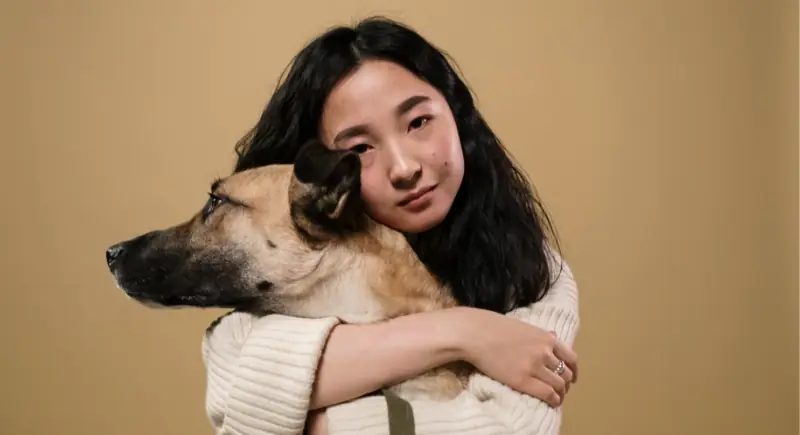
Tension doesn’t go unnoticed. If someone in the house feels anxious often, that energy becomes familiar to the animal living with them. Researchers have linked owner anxiety to fear-based behaviors in dogs, such as pacing, avoidance, or barking at small triggers.
Reflecting How You Show Affection
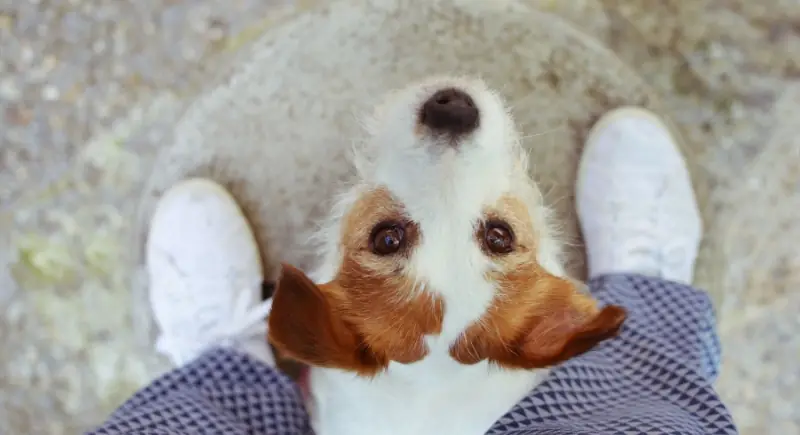
You may see that your pup curls up beside you, presses against your leg, or follows you around constantly, whereas you’ve seen other canines show care from a distance. These preferences reflect how affection is expressed in the home. If you tend to offer physical touch, your animal likely becomes comfortable with closeness and vice versa.
Expecting Food When You Eat
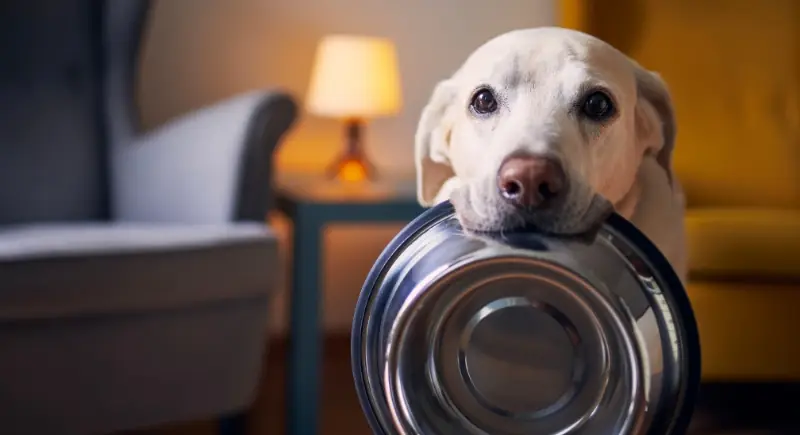
Feeding routines matter, but what really builds anticipation is your conduct. If dinner happens at the same time nightly, or you snack around certain cues—TV, music, or phone calls—your animal connects those dots. Our furry companions are particularly attentive to food-related sound patterns.
Imitating Injury Behavior
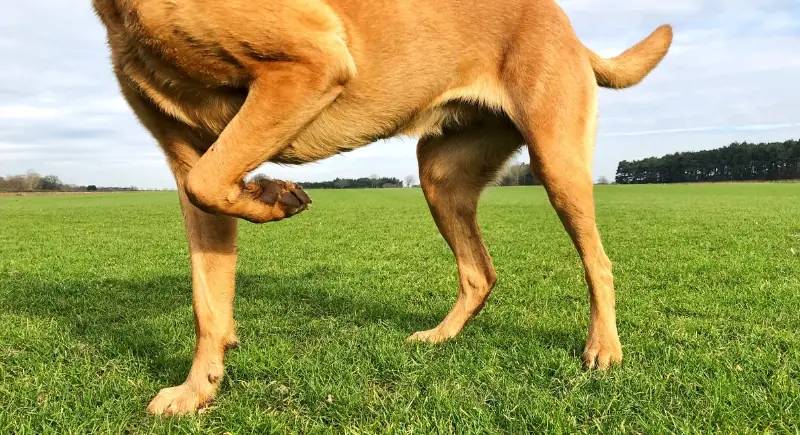
There are real cases where healthy dogs began limping after their owner suffered a foot or leg injury. Vets ruled out any physical cause and attributed the behavior to mimicry. This response is called automatic imitation. Although it may seem playful or strange, it reflects how closely they monitor your movement.
Reading Your Social Cues
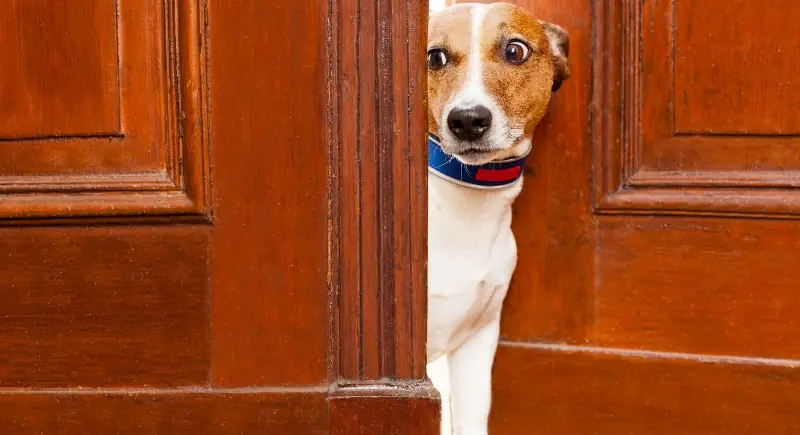
The way you greet a visitor usually becomes the model for how your four-legged friend acts. Smile, walk toward the door, or speak in an upbeat tone, and they interpret that as a sign it’s safe to engage. Stay seated, go quiet, or pause with hesitation, and they may hang back or watch silently.
Adopting Your Walking Style
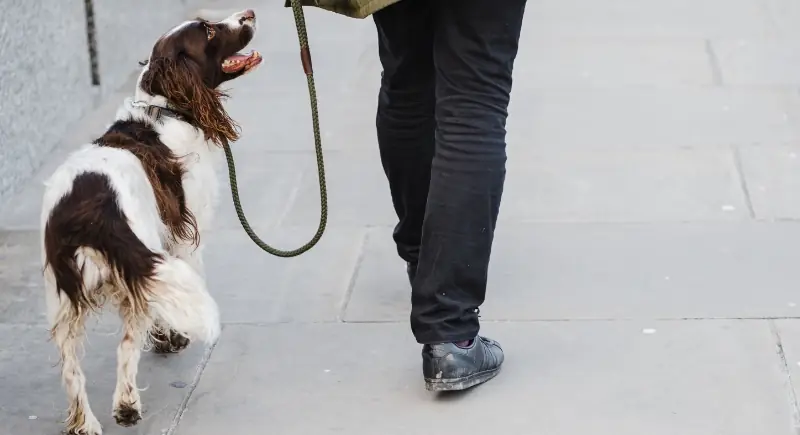
Researchers have observed that pet dogs adjust their walking pace and location to align with their humans’ movements, even without training. One study found that dogs will stay close, walk when their owners walk, and pause when they pause. Meanwhile, another paper suggests this synchronization relies on a mirror-neuron system, where observing an action activates a similar brain response.
Following Your Exercise Routine
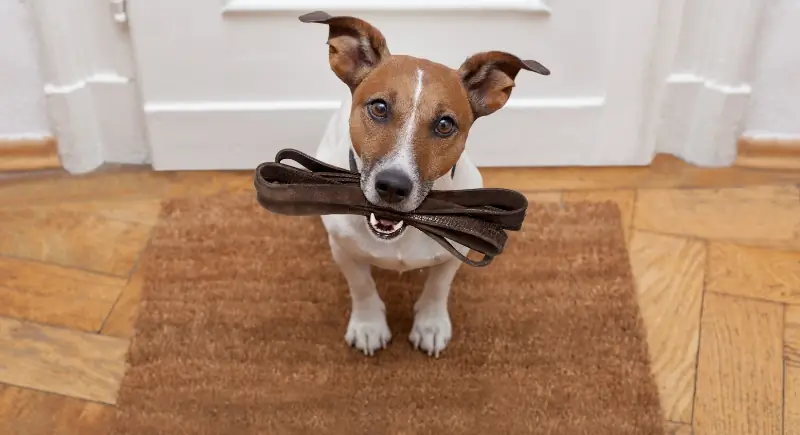
You may not notice how often you grab a leash at the same time or wear the same shoes before going outside, but your pet does. Those signals build consistency, and their conduct follows that structure closely.
Echoing Vocal Energy
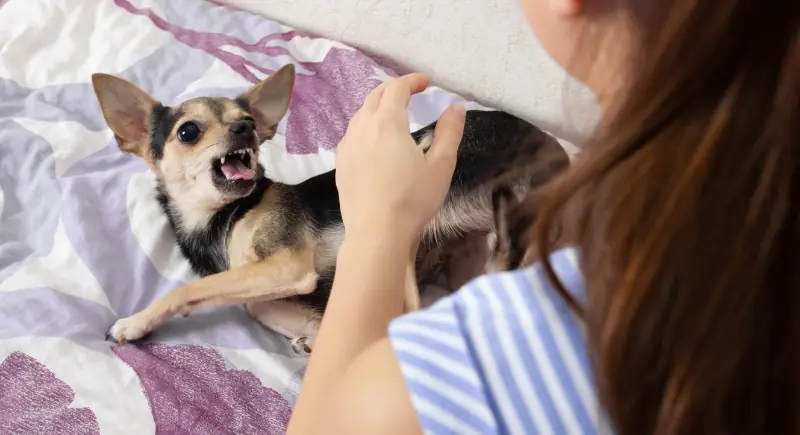
Some pets “talk” back when you speak to them. Owners who use a playful or expressive tone notice their companions barking, grumbling, or howling during conversation. These sounds usually happen with timing that mirrors speech.
Responding to Shifts in Mood
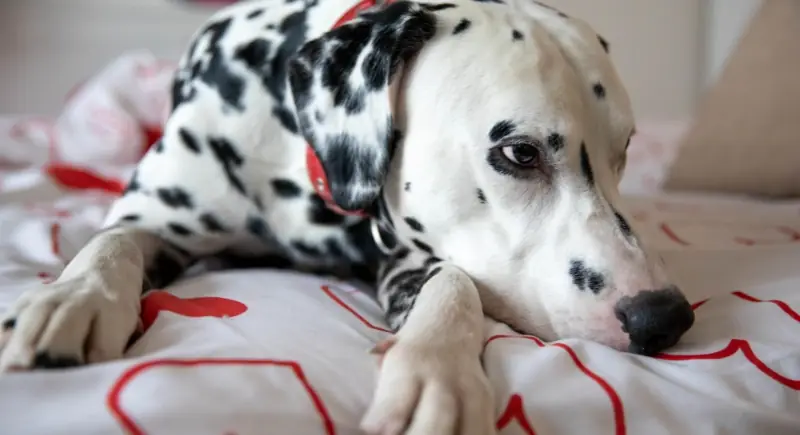
Noticing changes in your tone, pace, or expression makes your furry pal adjust their own actions. Studies show they perform better when owners express happiness, but react more slowly and show signs of uncertainty when sensing sadness or frustration.
Reacting to New Environments Like You Do
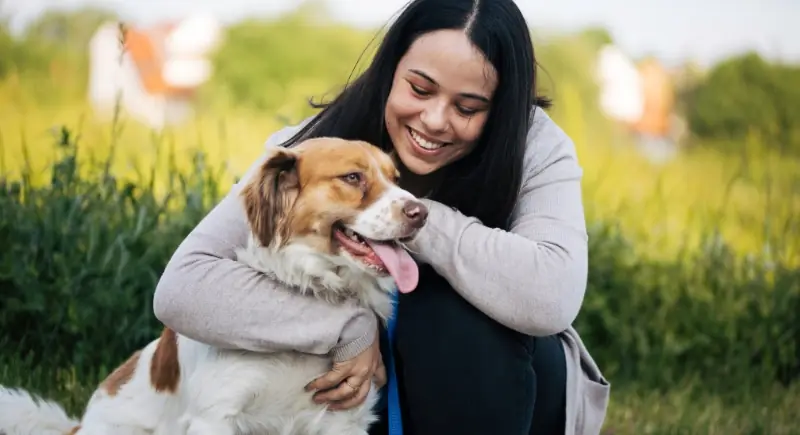
In unfamiliar places, your behavior becomes the reference point. If you walk in calmly, your canine stays steady, but if you tense up or look uncertain, they jump into alert mode. Trainers use this to build confidence in anxious animals.
Copying Your Practices From Other Animals
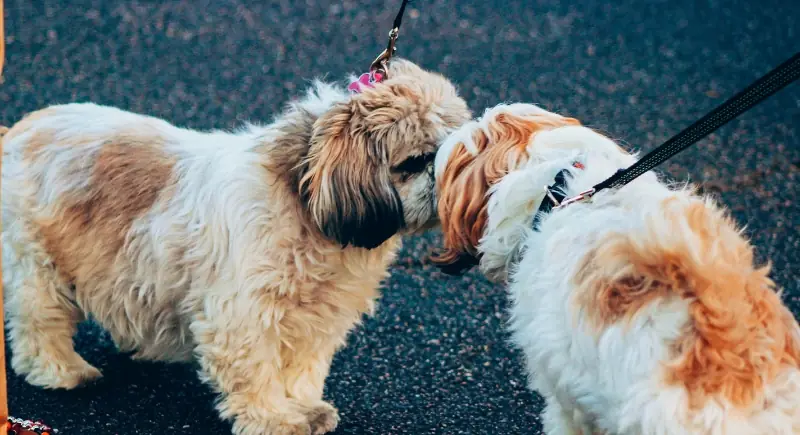
By responding to your body language during animal encounters, pets form their own comfort zones. Avoiding certain dogs or pulling the leash tighter near unfamiliar animals sends a clear signal. Your preferences slowly become the framework they follow during their interactions with fellow animals and dogs.
Recognizing Movement

Small actions like standing up, reaching toward a shelf, or stepping away from the couch turn into cues over time. Dogs link these movements with specific outcomes—going outside, getting fed, or being left alone. They don’t wait for commands because your actions tell them what’s coming.
Picking Up on Technology Use

A pup lying quietly under the table might spring up the moment a call ends. The sound of a notification, the closing of a laptop, or a change in your voice during a video chat can all act as prompts. They’ve become reliable indicators that something—attention, movement, or absence—is about to happen.
Synchronizing Alertness to Household Sounds
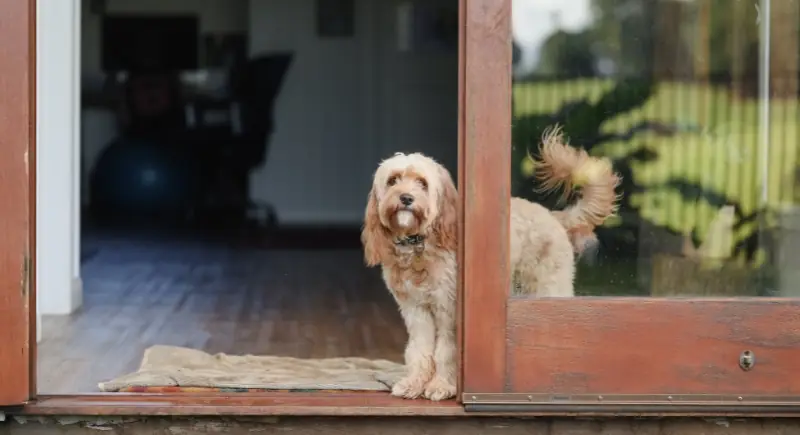
One study found that dogs can distinguish over 200 words and sounds, but many of their reactions come from learned context rather than recognition. This ability allows them to anticipate changes in the home before anything is said, like knowing when a visitor has arrived or when it’s time to eat.
Collecting Rocks
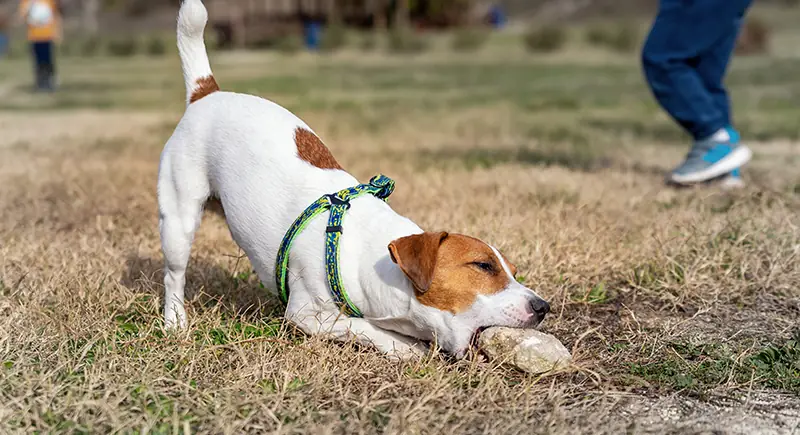
A walk can turn into a treasure hunt when you stop for stones, shells, or sticks. Dogs notice the pause, the bend, the pocket check. After enough trips, some begin nosing at rocks too. One may even carry a favorite home, proud as if the driveway just handed over a prize.
Watching Television

If the couch becomes part of the evening routine, your dog may start joining before the show begins. Some dogs react to movement on the screen, animal sounds, or familiar voices. Others settle because the household has settled. The habit grows from repeated cues, close contact, and whatever catches their attention.





