
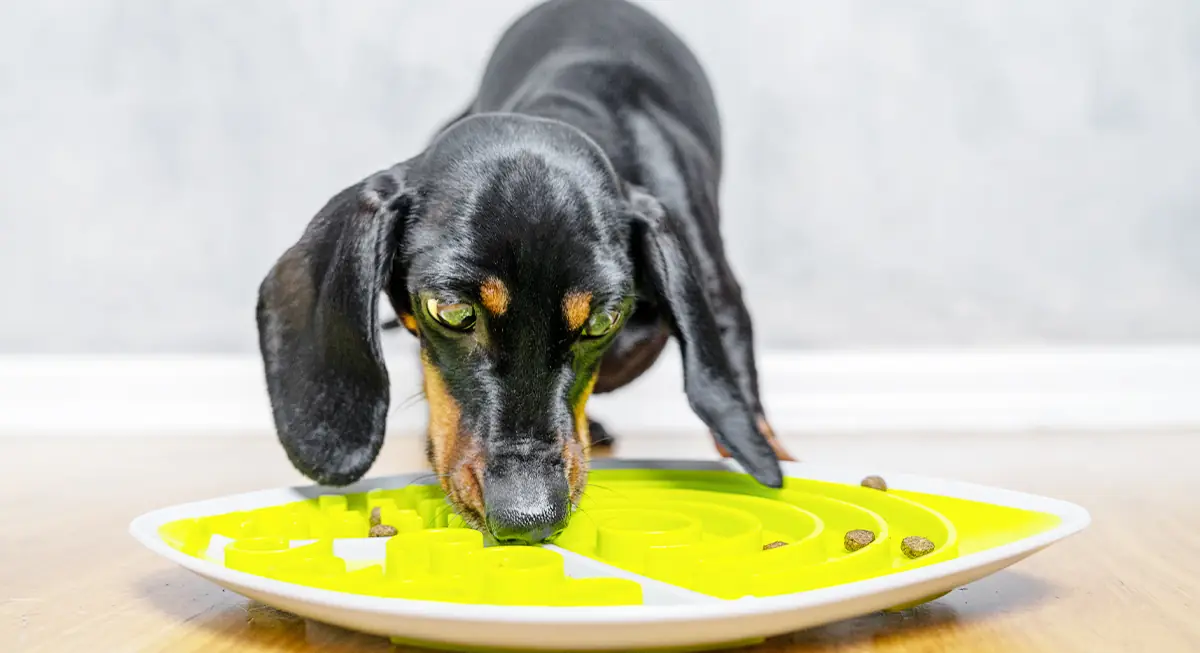
Dog owners are starting to notice something simple but easy to miss. A long walk doesn’t always leave their dog feeling settled. Some dogs come back home still restless, looking for something to do. That’s because movement is only one part of how dogs experience the world. Many of them need a way to use their instincts, whether that means sniffing, chewing, or figuring things out.
Puzzle toys give dogs something to work through. Food is hidden inside, and they have to figure out how to get it, which holds their attention longer than a walk usually does. Vets often point out that this kind of mental engagement helps reduce boredom and manage excess energy. That’s why many owners are starting to rely on these toys alongside regular walks, especially when their dog needs more than just time outside.
The Behavioral Switch Owners Didn’t Expect
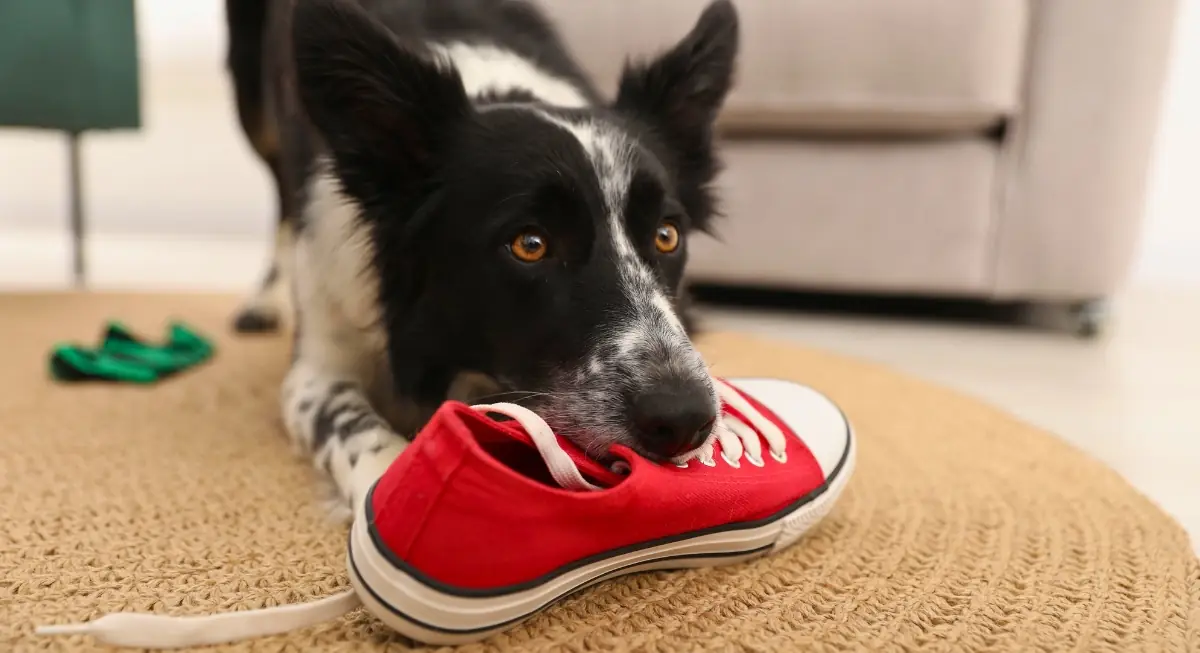
When dogs don’t have enough to do, it shows. Furniture gets chewed, barking picks up, and they struggle to settle. Trainers and vets often link this to a lack of mental engagement, not just missed exercise.
Puzzle toys help shift that. They give dogs something to work on with a clear reward at the end. Many owners also notice a difference in anxious behavior. Dogs that usually get stressed when left alone tend to settle more easily when they have a puzzle to focus on during those first few minutes.
Why Some Owners Are Cutting Back on Extra Walks
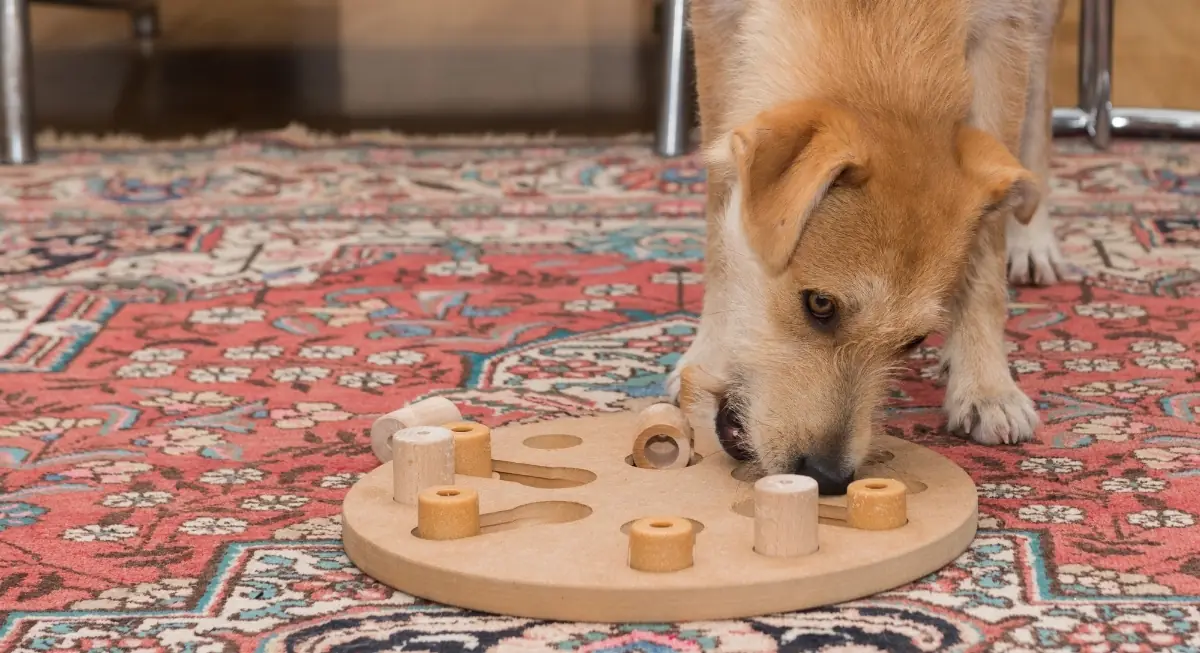
Busy days make it hard to fit in long walks every time. Puzzle toys give owners another option when time is short. A treat toy or snuffle mat can keep a dog occupied for a while, especially if you switch them up so they don’t get bored.
There’s still some movement involved, too. Dogs nudge, paw, and roll the toys around as they try to get the food out. It’s not the same as a run outside, but it helps fill that gap. Vets often point out that this kind of mental effort can tire dogs out in a similar way, which is why many owners are seeing their dogs settle more easily afterward.
Mealtime Has Silently Become a Training Tool
One of the biggest changes is happening during feeding time. Instead of bowls that empty in seconds, more owners are switching to slow feeders and interactive toys. Fast eating has real health risks. It can lead to vomiting, poor digestion, and in severe cases, gastric dilatation-volvulus, also known as bloat. Slowing that process down makes a measurable difference.
Puzzle feeders force dogs to take smaller bites and work for their food. Over time, that reduces gulping and helps regulate digestion. There’s also a behavioral benefit. Dogs stay focused, calmer, and less likely to overeat. Lick mats and treat-dispensing toys add more to this. The repetitive licking motion has been linked to stress relief, which makes these tools useful for high-energy or anxious dogs.
The Variety Keeps Dogs Interested
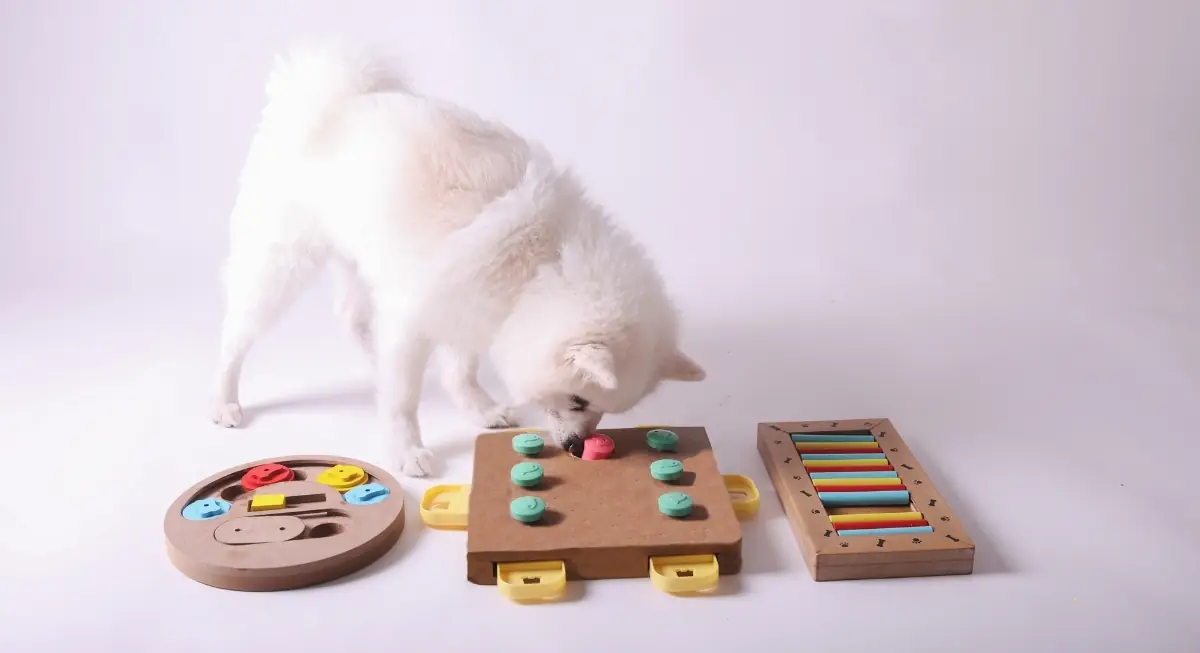
Another reason puzzle toys are gaining traction is the range of options available. There are beginner-level toys that release treats with minimal effort, as well as advanced puzzles that require multiple steps to solve. Snuffle mats encourage scent work, treat balls reward movement, and puzzle boards challenge coordination and memory.
Some toys even combine feeding and play into a single routine. Trainers often recommend rotating toys to keep things fresh. Dogs quickly learn patterns, so switching designs prevents boredom and keeps engagement high.
Vets Are Fully On Board
Veterinarians are increasingly recommending puzzle toys for overall canine health. Mental stimulation reduces stress and anxiety. Slower eating improves digestion and lowers health risks. Structured play helps manage weight and energy levels.
Even bonding improves when owners guide dogs through new challenges. What started as a niche idea has become part of everyday pet care. It fits modern lifestyles while addressing real behavioral and health concerns.





