
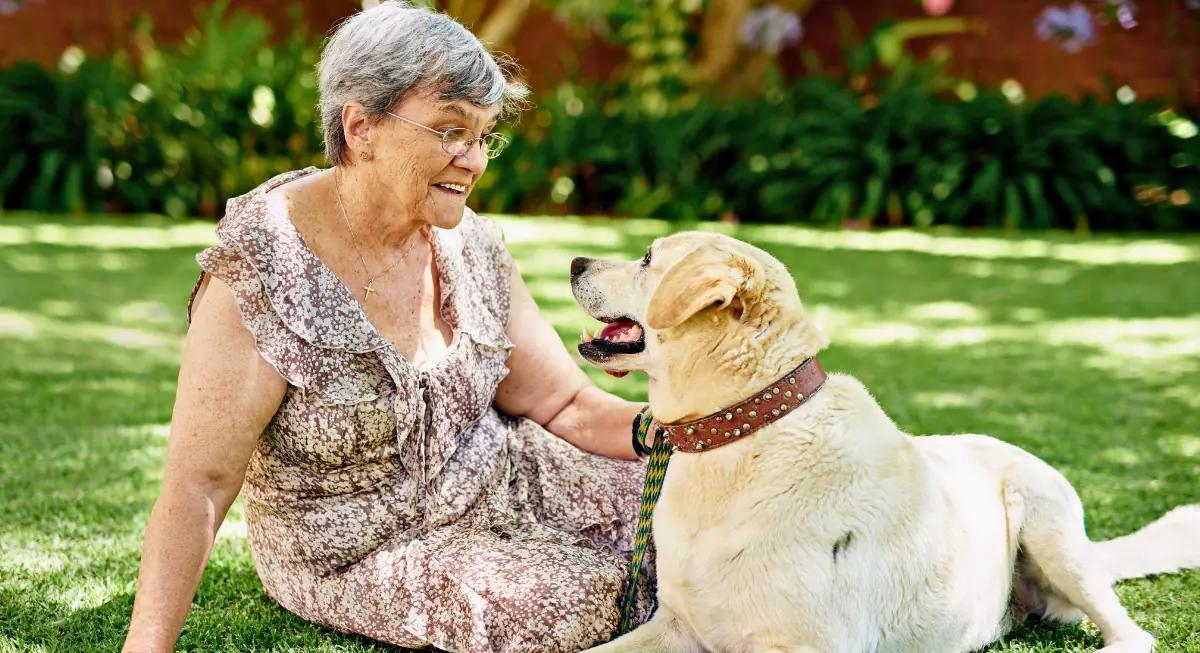
Finding the right dog can bring comfort and companionship, especially for seniors, but not all pups fit the bill. The sweet spot is finding a breed that doesn’t overwhelm the lifestyle: low-maintenance, affectionate, and just the right size to share a calm, happy routine.
Wolf Hybrids
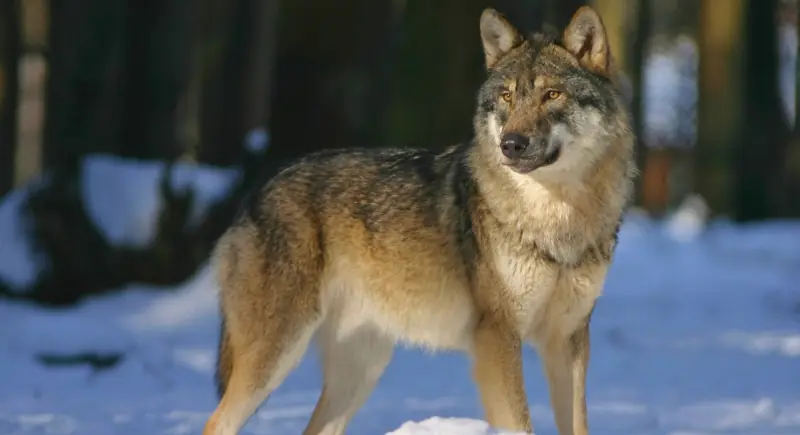
Wolf hybrids can be beautiful animals, but they’re not fit for seniors who want an easygoing, manageable pet. These animals combine domestic dog traits with wild wolf behavior, which makes their actions harder to predict. They tend to be territorial, high-energy, and need more physical activity than most older adults can comfortably provide.
Tibetan Mastiff
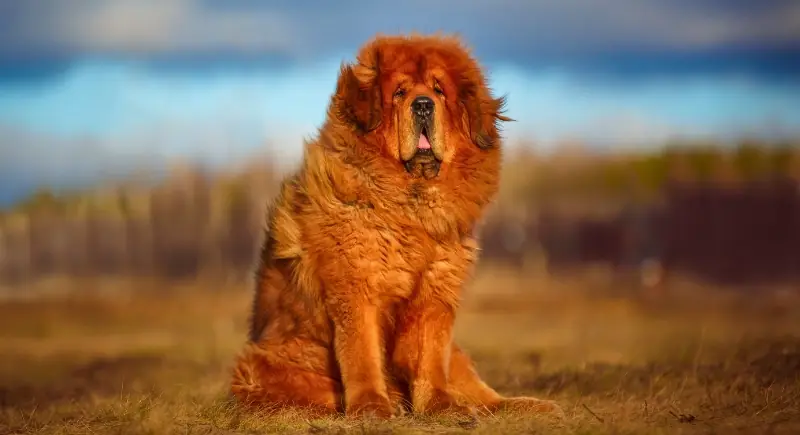
The Tibetan Mastiff is an impressive dog, both in looks and size; some males can top out at 150 pounds. But size isn’t the only thing that makes them a handful. They’re highly independent, often choosing their path over following commands. They’re also notorious for late-night barking, which won’t win points in quiet neighborhoods.
Kangal Shepherd Dog
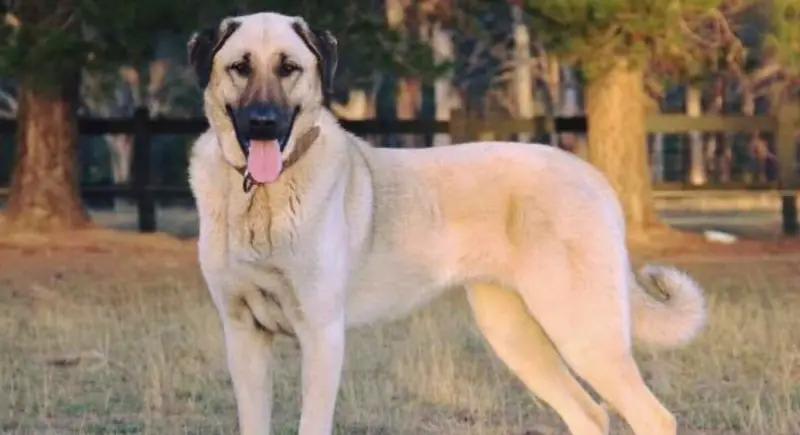
Kangals aren’t for apartment living or casual strolls around the block. They need daily challenges, both mental and physical to stay balanced. Without enough to do, they’ll invent their own tasks, including barking, digging, or guarding things that don’t need guarding.
American Pit Bull Terrier
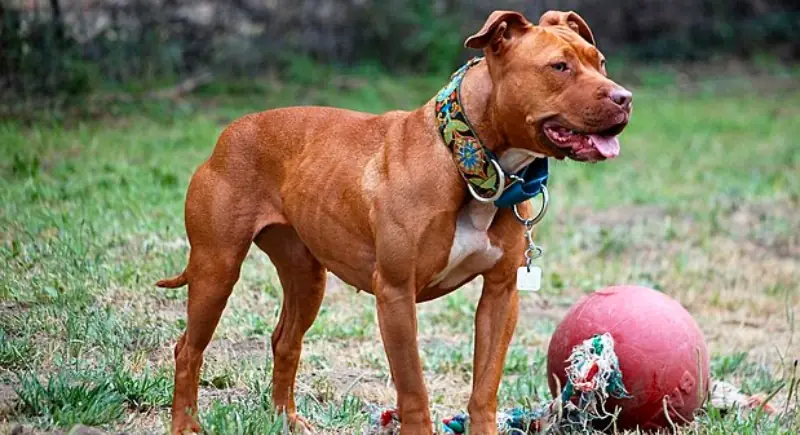
The American Pit Bull Terrier has a serious personality in a compact, muscle-packed frame. They’re deeply affectionate and fiercely loyal, but their strength and enthusiasm can be a bit much for seniors who prefer a slower pace. These dogs crave connection and don’t like being left on their own for too long; solitude often leads to mischief.
Tosa Inu
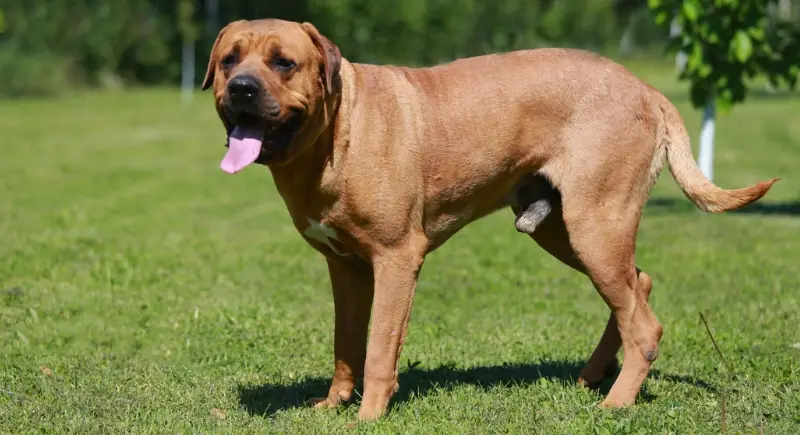
The Tosa Inu doesn’t do anything halfway. Originally developed in Japan for power and endurance, this heavyweight breed can reach 200 pounds and moves with a calm, unmistakable authority. Despite a short, low-maintenance coat, the Tosa’s size brings extra responsibilities: joint care, heart health, and regular vet visits are all part of the package.
Caucasian Shepherd
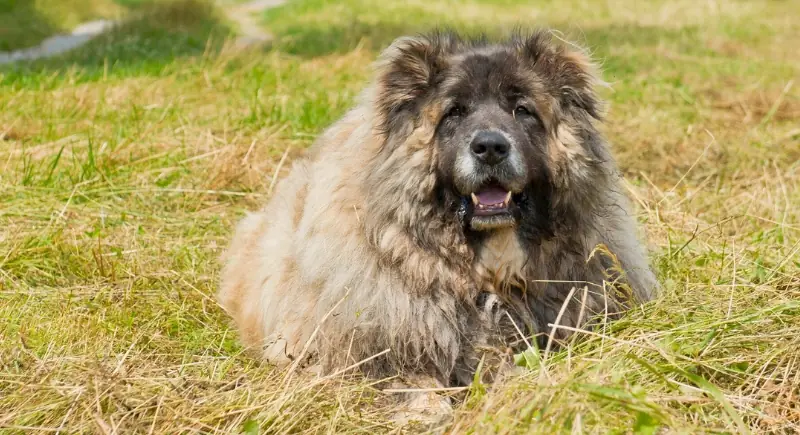
The Caucasian Shepherd Dog was built to stare down wolves in the mountains. Its loyalty runs deep, but so does its instinct to guard. It can grow overly suspicious of anything unfamiliar whether it’s a visitor or a squirrel.
Argentino Lino (Dogo Argentino)
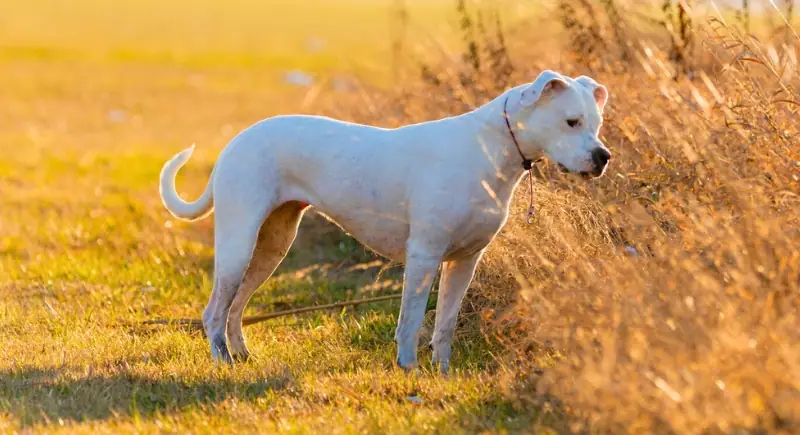
While fiercely loyal to family, the Dogo Argentino isn’t pre-programmed for easy living. Early training and clear leadership are essential to channel their natural protectiveness and high prey drive. Their independent streak can become a full-time job.
Presa Canario

The Presa Canario carries the kind of confidence that doesn’t need flashy entrances or loud barking to make an impression. Bred on Spain’s Canary Islands to guard farms and livestock, they are used to doing serious work. Pet owners’ real challenge is their need for structured exercise and clear leadership.
Boerboel
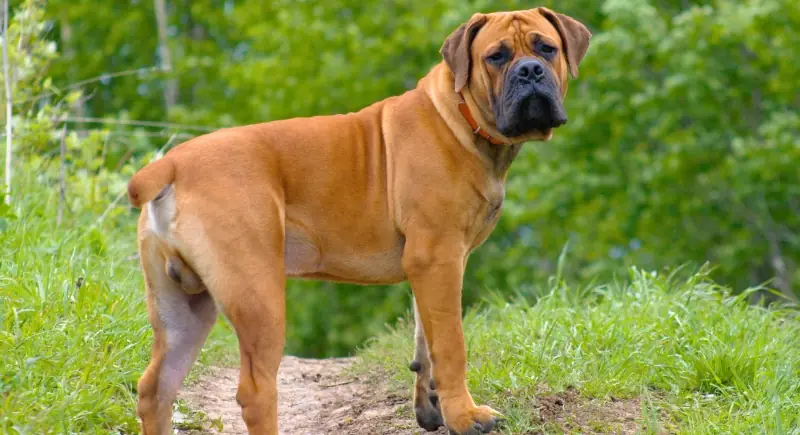
Daily life with a Boerboel means serious commitment: at least two hours of exercise, structured mental challenges, and clear leadership. Without it, boredom and stubbornness can creep in fast.
Central Asian Shepherd (Alabai)
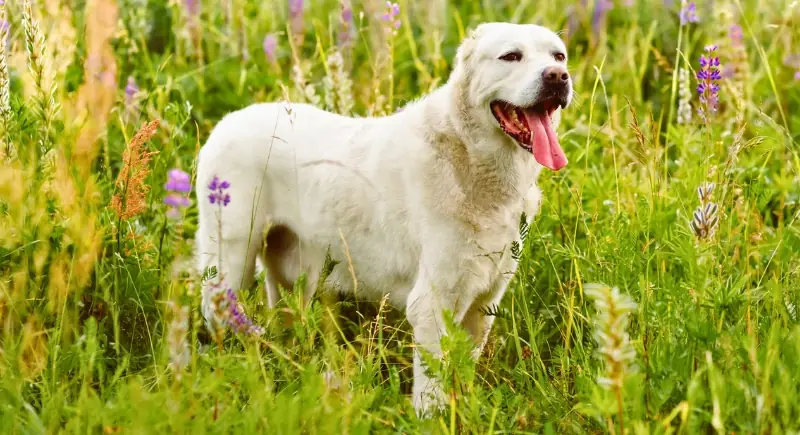
The Central Asian Shepherd, better known as the Alabai, shines brightest with owners who respect its strength and give it the space and purpose it was bred for. These dogs are deeply loyal but highly independent, preferring to think and act on their own terms.
Brazilian Mastiff (Fila Brasileiro)
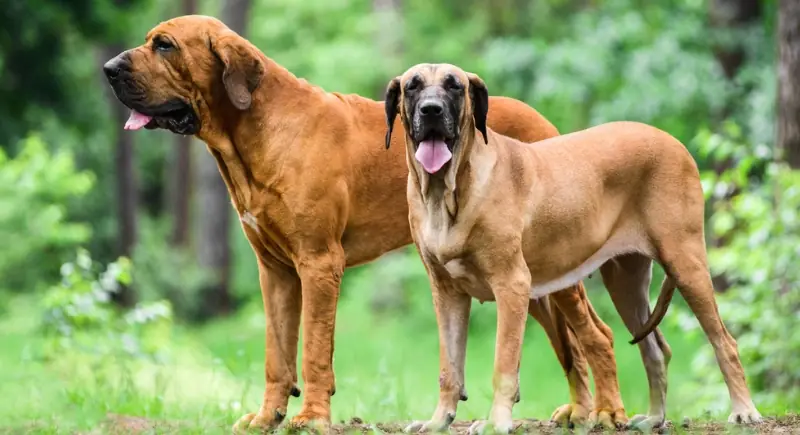
The Fila Brasileiro moves through life like it’s got a mission, and usually, it does. Raising a Fila takes consistency, confidence, and a plan. Their loyalty to family runs deep, but so does their instinct to size up every stranger as a potential threat. Around those they love, they’re all heart; around outsiders, they stay alert and serious.
Afghan Hound
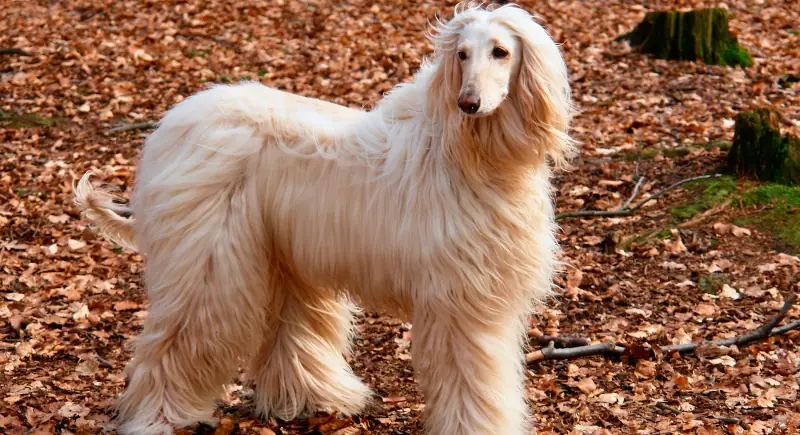
The Afghan Hound’s long, delicate coat needs constant attention, with daily brushing and regular baths to keep tangles and mats from taking over. This breed can quickly feel like a full-time job for seniors or anyone hoping for a low-maintenance grooming routine.
Akita Inu
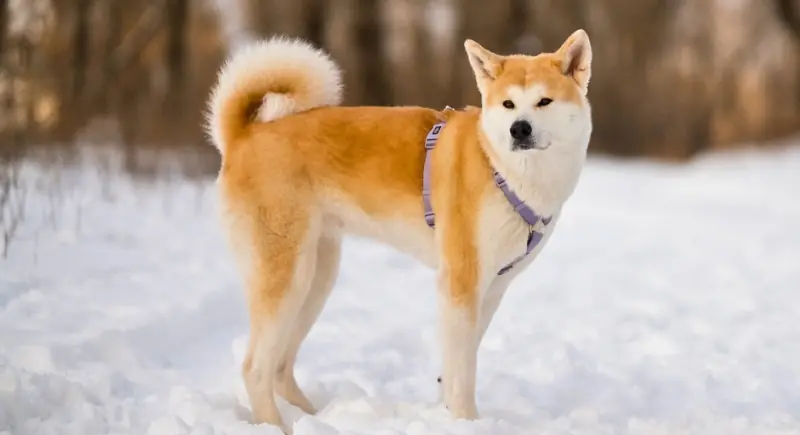
Originally bred in Japan for strength and loyalty, Akitas aren’t ones to fawn over strangers. They must exercise daily: at least an hour, to keep both body and mind engaged. Their strong prey drive means off-leash freedom only works in secure, enclosed areas.
Persian Sarabi
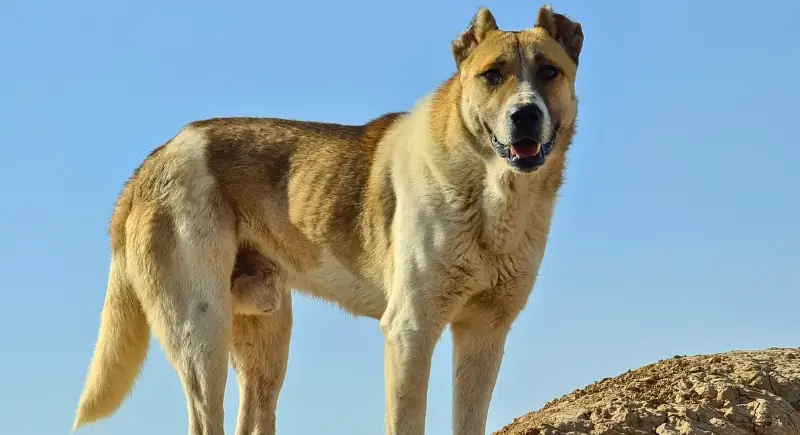
Persian Sarabi need daily exercise and mental engagement to keep boredom (and destruction) at bay. While generally sturdy, their size makes them a tough match for seniors looking for a manageable pet. The Sarabi thrives where there’s room to roam, a purpose to fulfill, and an experienced hand at the helm.
Belgian Malinois
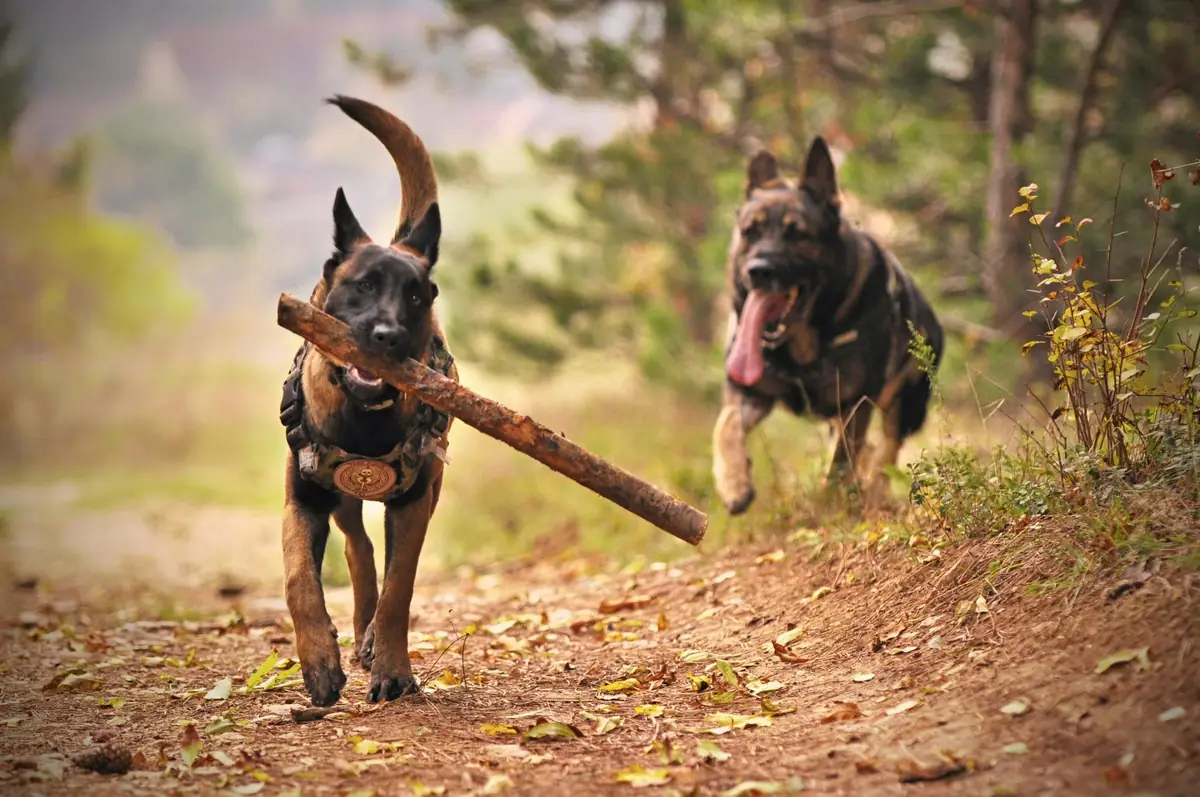
The Belgian Malinois is a Navy SEAL in dog form. It is brilliant, athletic, and always switched on. Its brain runs at full speed, meaning boredom turns into chaos quickly. For seniors looking for peace and a steady walking buddy, this breed’s energy and drive to “work” might be way more than they bargained for.
Irish Wolfhound
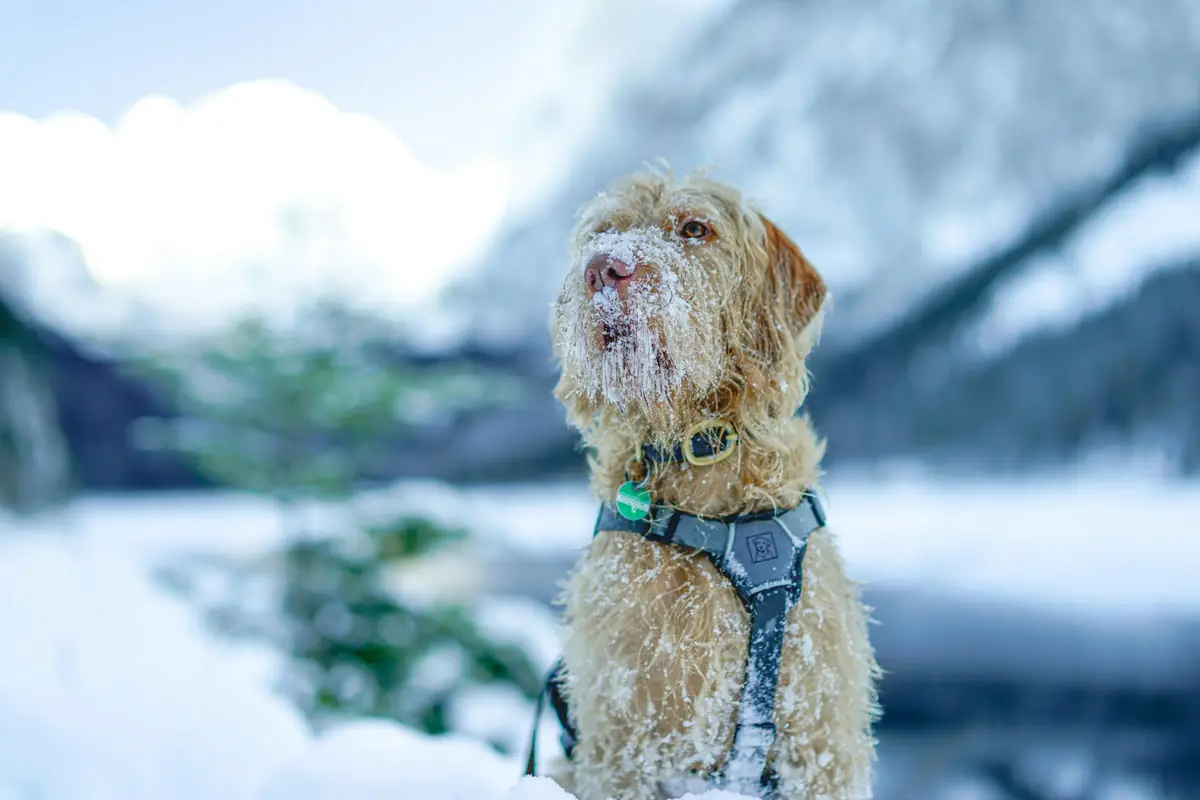
Gentle? Yes. Manageable? Not exactly. The Irish Wolfhound may be a sweetheart, but it’s also a living, breathing sofa with legs. Weighing up to 180 pounds, even getting them in and out of the car can feel like hauling furniture. Seniors with limited mobility might find this gentle giant just too giant.
Cane Corso
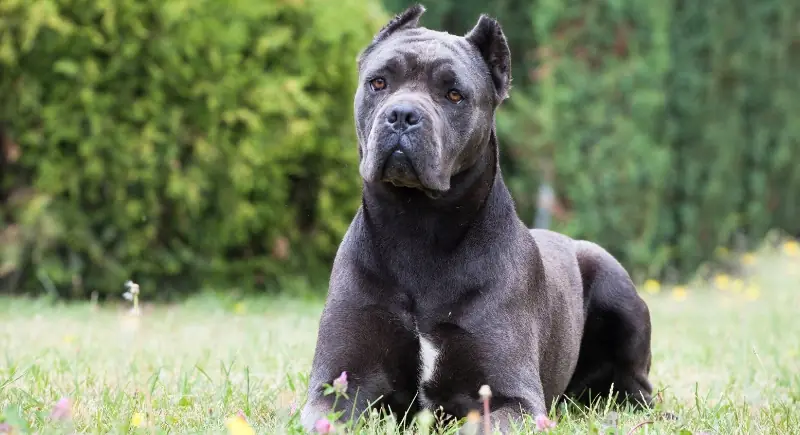
Cane Corso has roots tracing back to Roman war dogs, which explains its sharp thinking and strong sense of duty. That intensity needs to be shaped early. A couple of brisk walks a day and a job keep them balanced.
Weimaraner
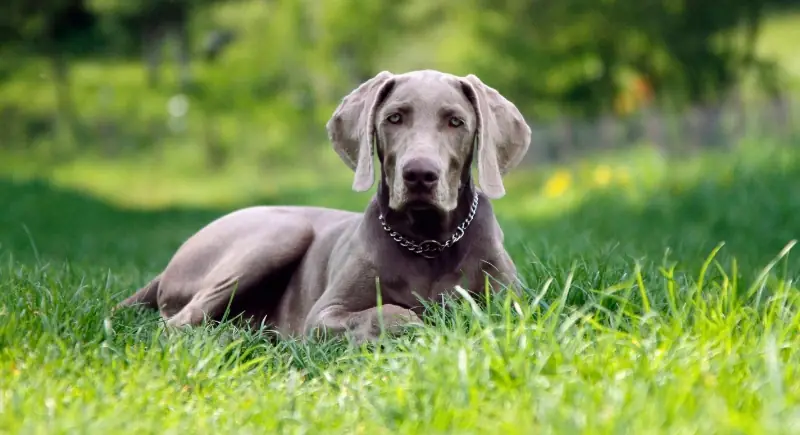
Weimaraners are sleek, stylish, and full of energy, but that’s precisely the problem. These dogs were bred for hunting and don’t do well with downtime. They demand constant mental and physical stimulation, or they’ll find their own (usually destructive) fun. Their separation anxiety can also be intense, making them a tough match for seniors looking for a more relaxed companion.
Chow Chow
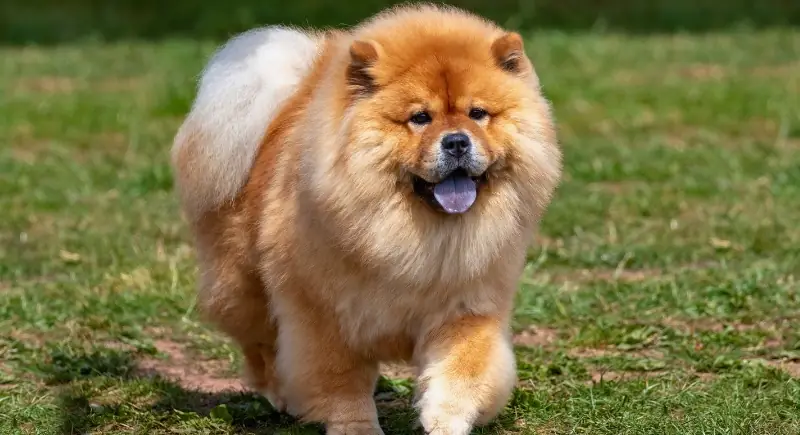
The Chow Chow may look like a living teddy bear, but don’t let the fluff fool you. These dogs are famously aloof and stubborn, often acting more like a cat than a companion. They’re not big on affection, dislike strangers, and need firm, consistent training. Their thick double coat also requires serious grooming…not ideal for seniors seeking low-effort maintenance.
Shiba Inu
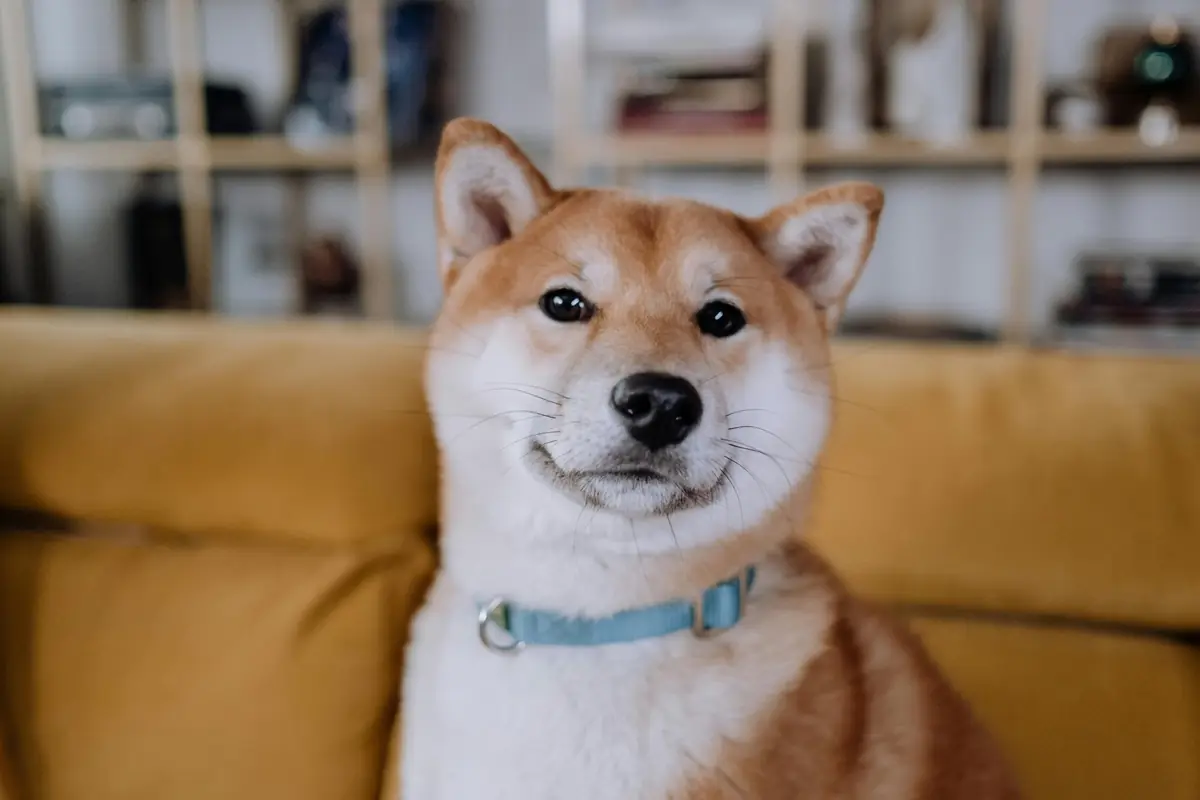
These foxlike pups are charming but notorious for their independence and stubborn streak. Combine that with an Olympic-level escape instinct, and you’ve got a breed more Houdini than housemate.
Dalmatian
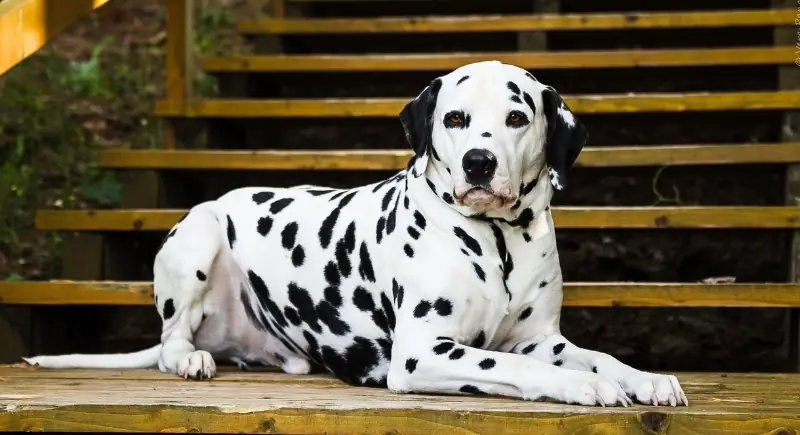
The Dalmatian may look elegant and calm, but it comes with a surprising amount of energy. Originally bred to run alongside carriages, this breed needs plenty of daily exercise to stay balanced. Without it, restlessness and destructive habits can creep in, which can feel overwhelming for seniors seeking a slower, more relaxed companion.
Jack Russell Terrier
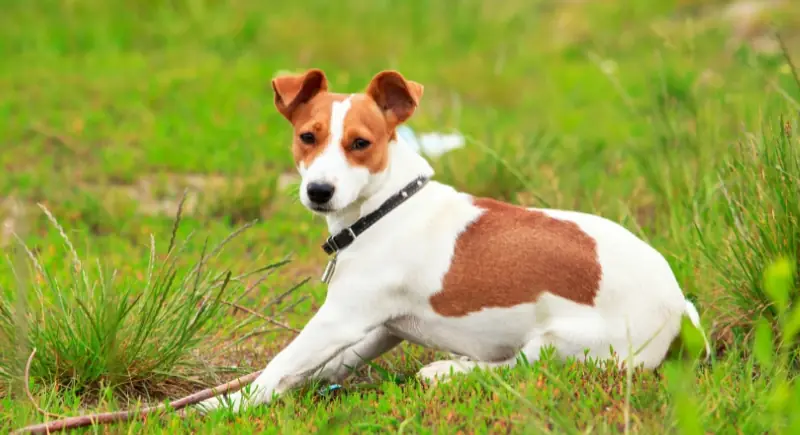
The Jack Russell Terrier is small in size but packed with nonstop energy and curiosity. Bred for hunting, this dog thrives on constant activity and mental stimulation. If those needs are not met, it can turn stubborn or noisy. For seniors wanting a calm routine, this level of intensity can quickly become exhausting.





