The cleaning changes I use to reduce strong smells, irritating residue, and household noise around my pets.
Strong cleaner fumes can make cleaning day rough on pets
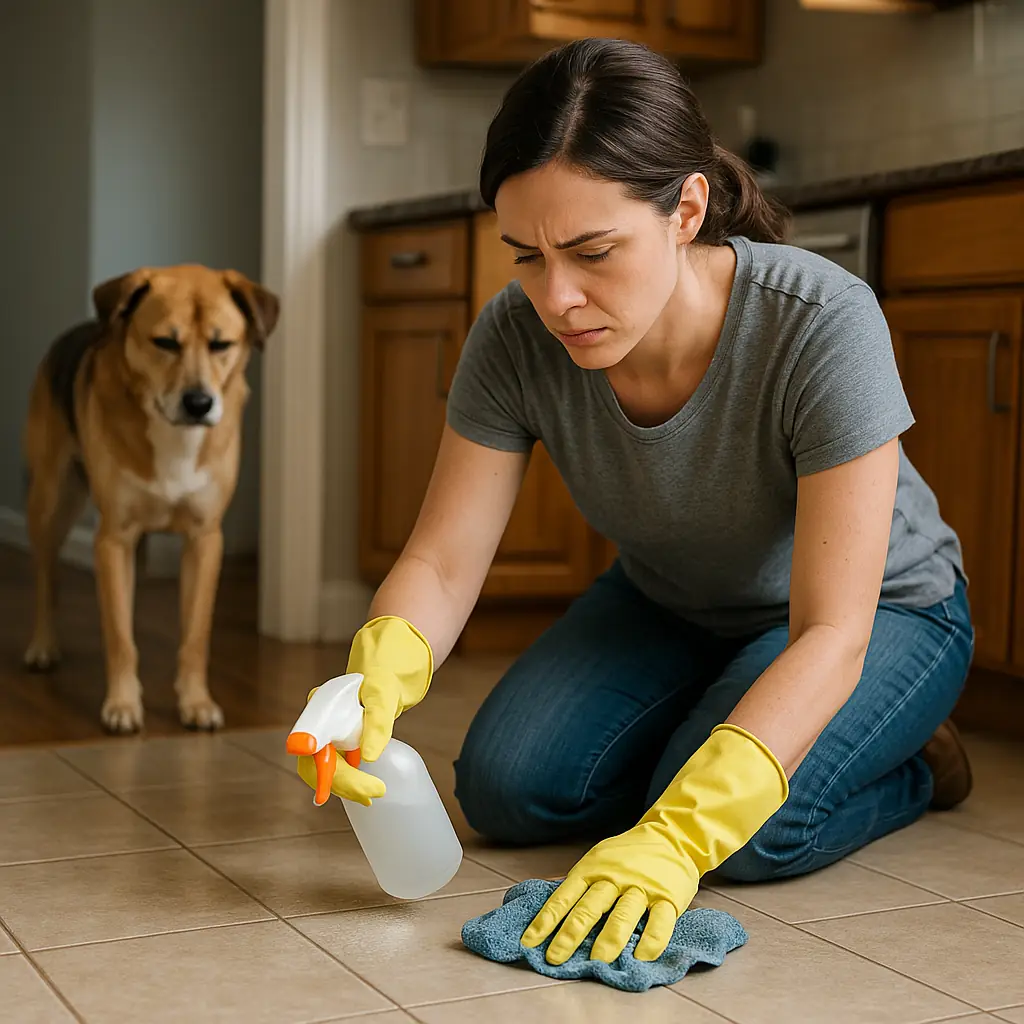
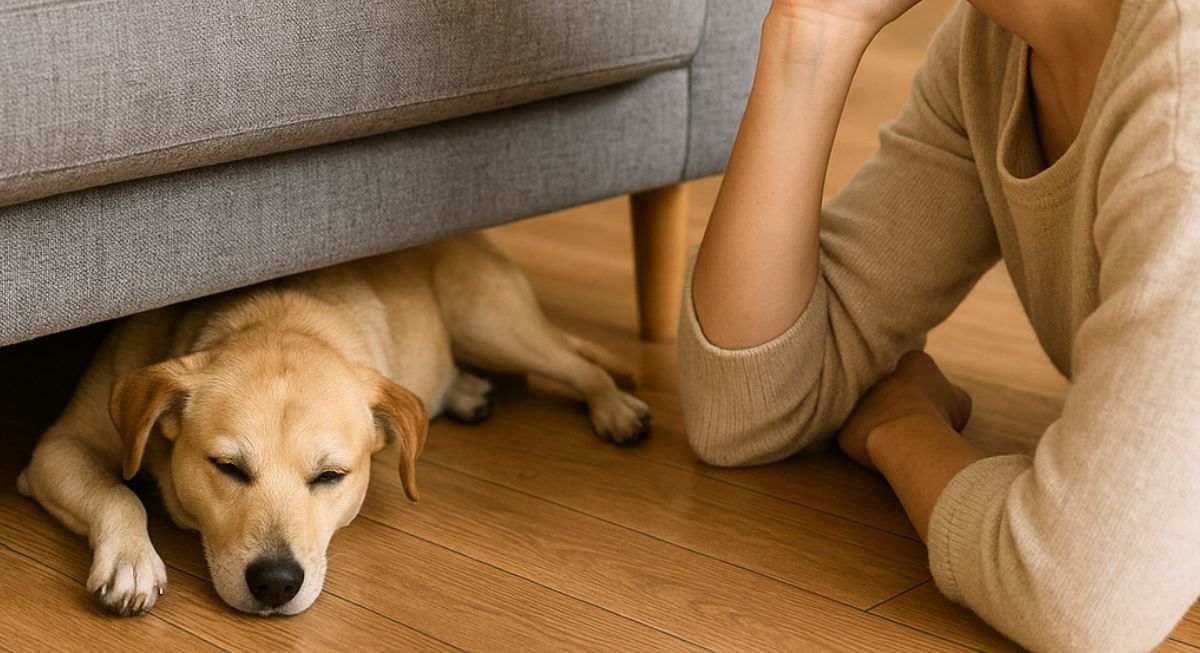
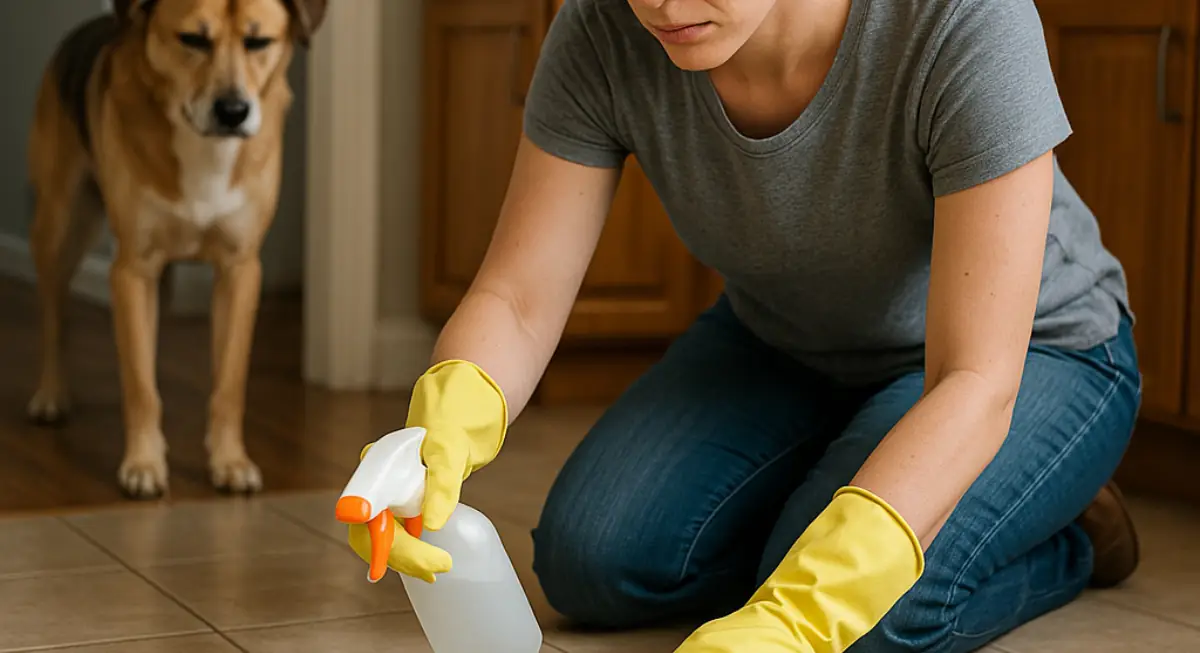
I used to reach for chlorine bleach whenever something was gross, because it felt like the only button that meant “clean.” Then I watched my dog do the whole sequence: nose down, sneeze, back up, then that tight-lipped “nope” face while he hovered in the doorway like the kitchen had become a weather event. If you live with an animal that tracks your steps, you already know how annoying it is when the room they need (water bowl, back door, favorite rug) is the room you just nuked with fumes.
For routine messes, I start with dish soap and warm water. If a surface actually needs disinfecting, I use an EPA-registered disinfectant appropriate for that surface and follow its label, including the required wet contact time, ventilation instructions, and any rinsing directions, before pets return. I never mix cleaning chemicals, and I keep pets away until the product has been used exactly as directed and the area is rinsed or dried as required.
For everyday pet messes on tile or sealed laminate, this approach handles most of what I need. The practical trick is ventilation and timing. I run the exhaust fan, crack a window, and don’t shut the animal in the same room with the smell. If your cat follows you like a supervisor, set them up in a different space with a treat puzzle and come back when the floor is dry. The win isn’t that it’s fancy. It’s that the room becomes usable again without that chemical cloud hanging around at nose height.
Essential oils need more caution around pets
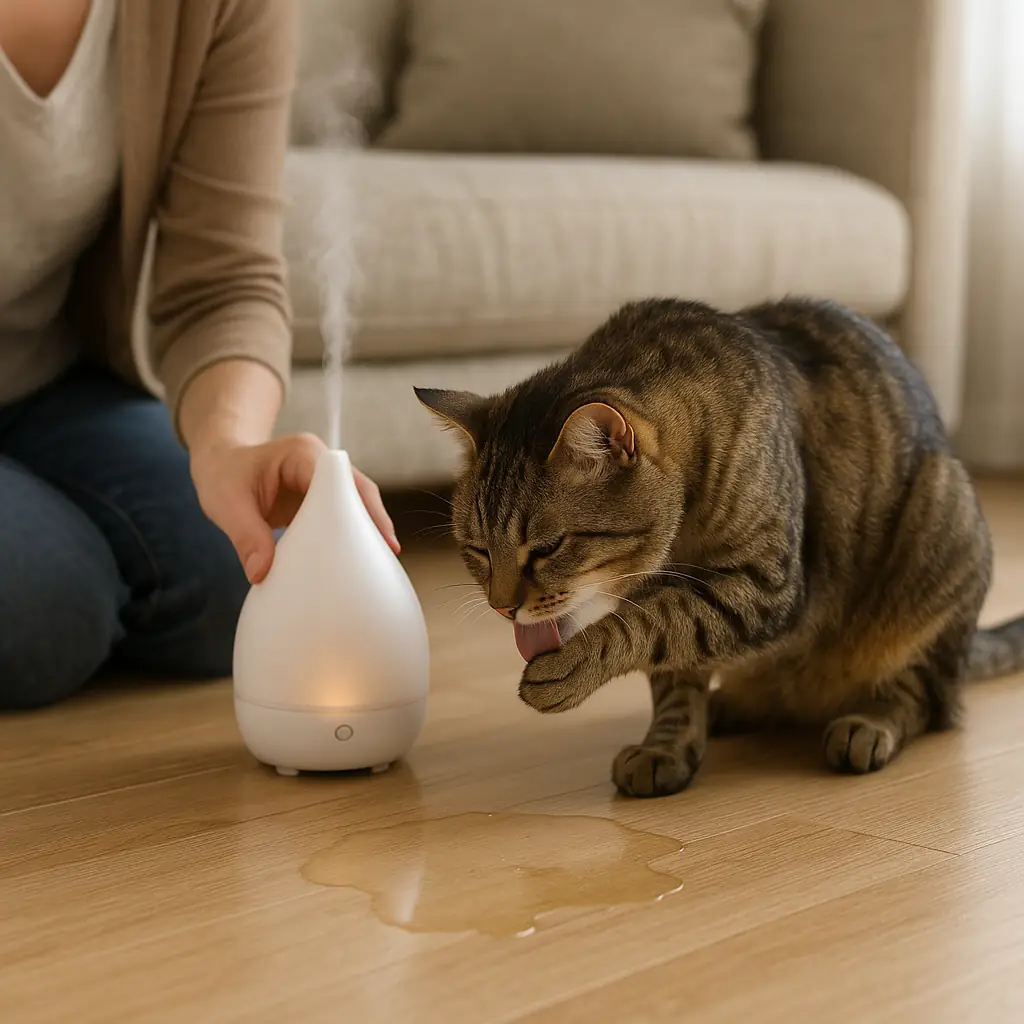
I get why people love a diffuser. You clean, you hit the button, and the whole place smells like a spa instead of wet dog and yesterday’s fish. Essential oils deserve extra caution around pets because the risk varies with the specific oil, concentration, diffuser type, route of exposure, and the animal’s health. I learned this the dumb way when I tried an oil-heavy “natural” floor cleaner that left a film. My cat didn’t just avoid the room. She walked in, sniffed the floor like it was suspicious mail, and then went to groom her paws for a full minute like she’d stepped in something she regretted.
Now my default for everyday cleaning is fragrance-free. Not unscented-with-a-cover-up, but truly fragrance-free. For most hard surfaces, I use a simple mix of warm water plus a small squeeze of dish soap in a bucket, then a clean rinse. If I want a deodorizing step in a litter box area or around a dog bed, I reach for baking soda in a targeted way: sprinkle it, let it sit, vacuum it up, then follow with plain water on anything that will get paw traffic. I avoid leaving powder where it can puff into the air or get tracked to a sleeping spot.
People ask about vinegar. I do use it sometimes, but as a tool, not a lifestyle. I sometimes use diluted white vinegar for glass or mineral deposits, but I check the surface manufacturer’s cleaning instructions first and avoid it on natural stone. The key point is residue. When a cleaner leaves an oily perfume layer, it doesn’t just smell. It becomes something your dog can lick off the floor later, or something your cat wears on their paws until the next grooming session.
If fragrance seems to bother your pet, fragrance-free cleaners and laundry products are the simpler choice, especially for bedding and other fabrics your pet regularly touches. If a fragrance feels overpowering to me, I take that as a cue to ventilate the room and keep my pets elsewhere until the air clears.
The vacuum can be the most stressful part of cleaning
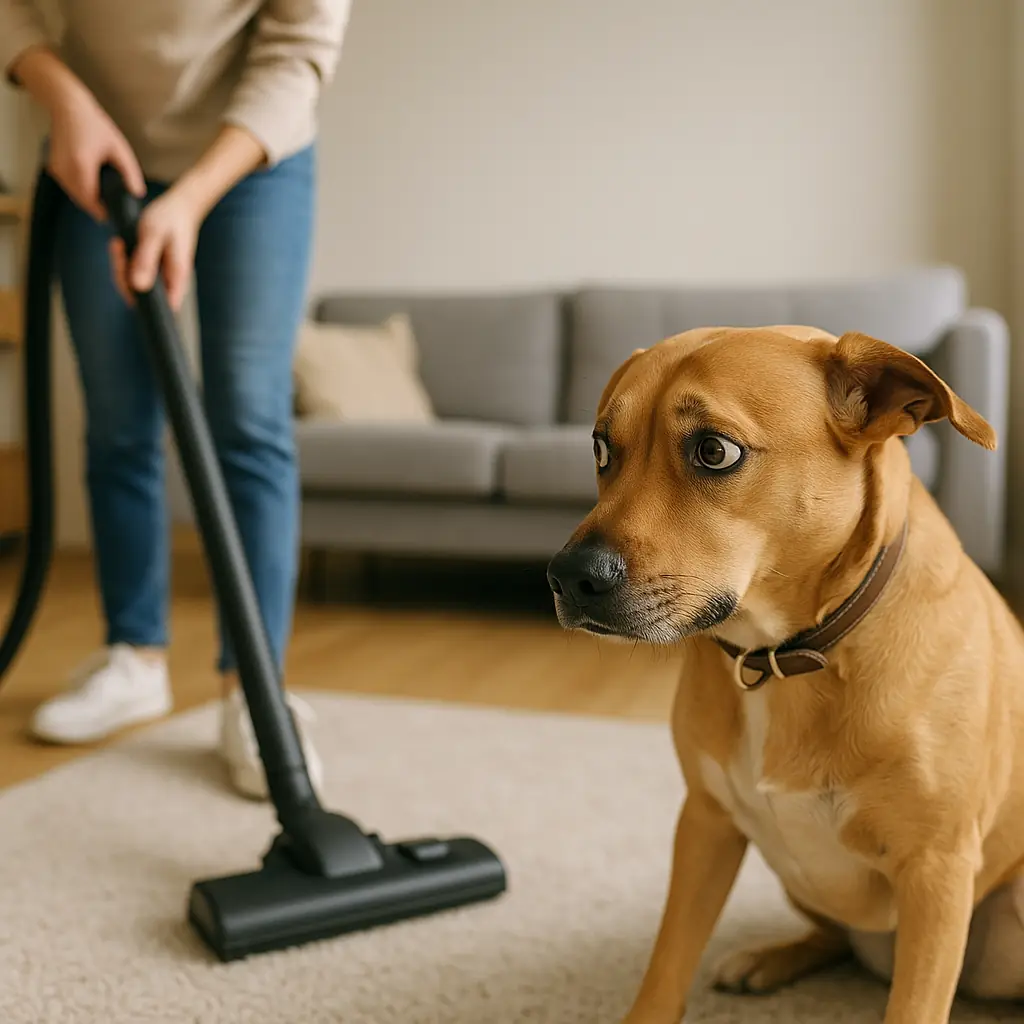
We talk about cleaning like it’s all about what you spray, but for a lot of animals, the stress spike is the appliance itself. My dog doesn’t care about a damp microfiber cloth. The vacuum, though, flips him from sleepy to alert in one second. You can see it in the small stuff: ears back, whale-eye, leaving the room, but not fully relaxing because the sound moves through the floor. Cats may hide or retreat to another room when household noise becomes uncomfortable.
I don’t try to train it out during my actual cleaning session. If I’m already rushed, I’m going to move fast, and fast makes it worse. Instead, I changed how I clean so it feels less like an ambush. I keep vacuuming sessions shorter when I can, rather than running the machine through the entire house at once. I keep the vacuum farther away when it starts and give my pet an easy route to a quiet room rather than switching it on right beside them. If I’m using a cordless stick vacuum, I avoid the turbo mode unless I need it, because the louder, higher-pitched setting seems to make him more uncomfortable.
For quick daily maintenance, I lean on quieter tools: a rubber broom for rugs (it grabs fur shockingly well), a lint roller for the couch, and a damp microfiber mop for hard floors. Then I vacuum less often, but more deliberately. When I do run the vacuum, I set up a safe station first. Not a big production, just a closed bedroom with water, a chew, and a fan on for white noise. It sounds obvious, but it’s the difference between an animal choosing to settle and an animal pacing because the monster is still in the hallway.
Strong scents and loud equipment can create two sources of discomfort at the same time. If I’m shampooing carpets or using a steam mop, I follow the product, appliance, and flooring manufacturer’s directions and keep pets away until the surface has cooled or dried as required. I treat that like part of the job: I don’t put their bed back down until the floor feels neutral under my bare hand, and I open a window even if it’s just for ten minutes.