
Animal intelligence takes many forms and often defies human expectations. Some species solve problems, communicate complex information, or coordinate with others in ways that were once overlooked or misunderstood. These abilities often serve practical purposes tied to survival and social structure.
When animals are studied within their own environments and on their own terms, patterns of intelligence become clearer. What emerges is not human-like thinking, but distinct cognitive skills that are both measurable and, in many cases, unexpected.
Pigeon
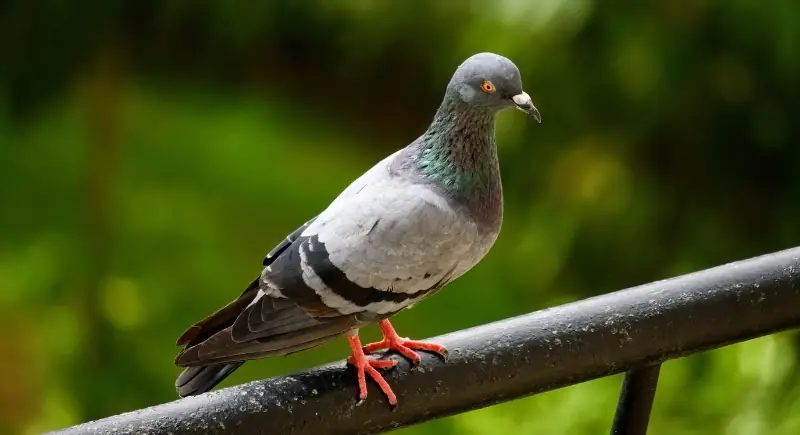
Pigeons earned a reputation as background city birds, yet lab tests show something sharper. They recognize hundreds of images years after training ends and sort paintings by artist. Those skills are evident in the earlier military use, where pigeons reliably navigated long distances without losing direction or focus.
Rats
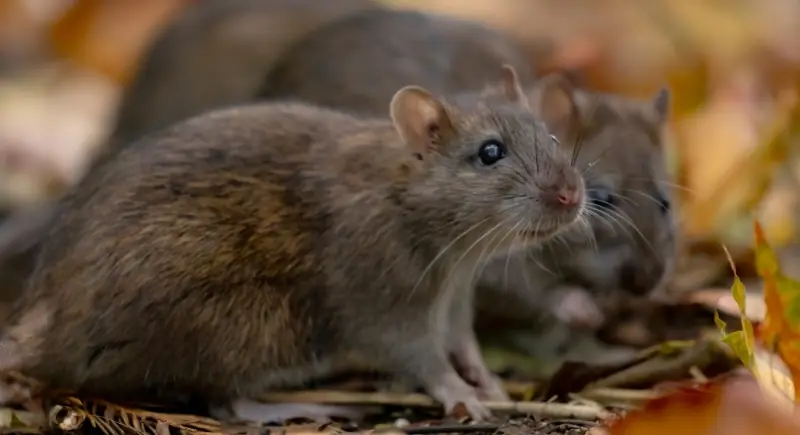
Rats exhibit flexible thinking that extends far beyond traditional laboratory tests. They detect tuberculosis samples with high accuracy and locate landmines faster than human teams. Observations also show them adjusting strategies mid-task and passing learned warnings through groups, a sign of social learning layered onto problem-solving.
Crows
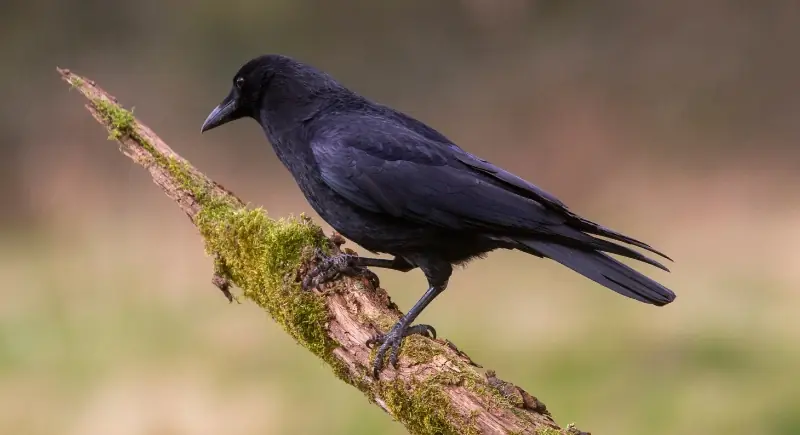
Crows build tools from unfamiliar materials and plan around human routines, including traffic patterns. They remember individual faces and communicate danger to others long after the encounter has ended. Field researchers also report instances of playful deception, which suggests decision-making that extends beyond simple trial-and-error learning.
Octopus
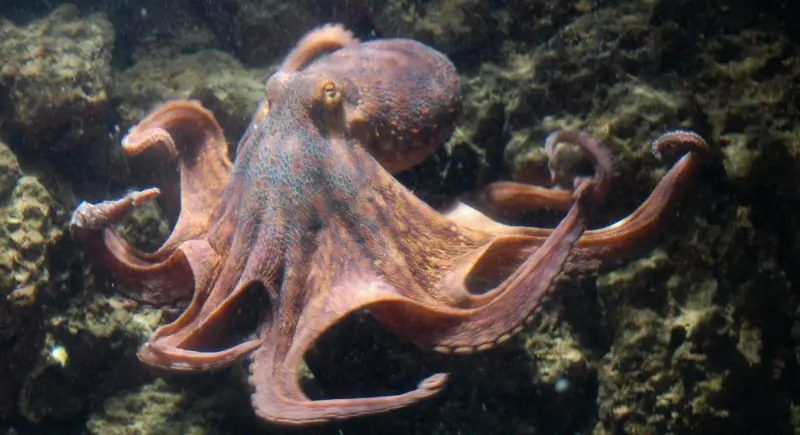
Octopuses open containers, navigate mazes, and handle unfamiliar objects smoothly. Each arm processes information on its own, producing a form of distributed cognition. Some octopuses gather portable items such as shells for later use, indicating foresight rather than responses to challenges.
Mirror Tests Aren’t Just for Apes
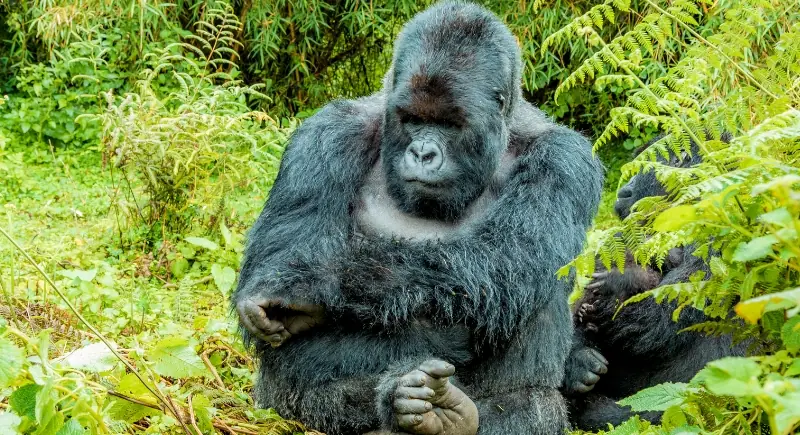
These animals adapt quickly when mirrors are introduced into a problem-solving task. After short exposure, they use reflections to locate hidden food and recall the method weeks later. Experiments also show strong responses to spoken cues and multi-step challenges, paired with spatial memory that stays consistent over time.
Bonobos
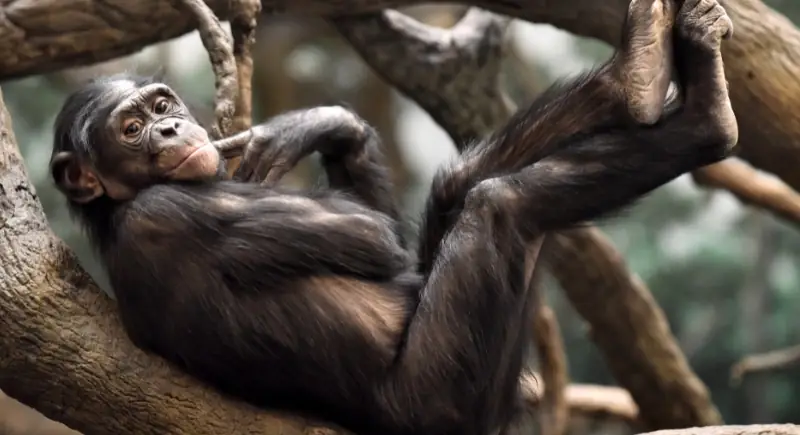
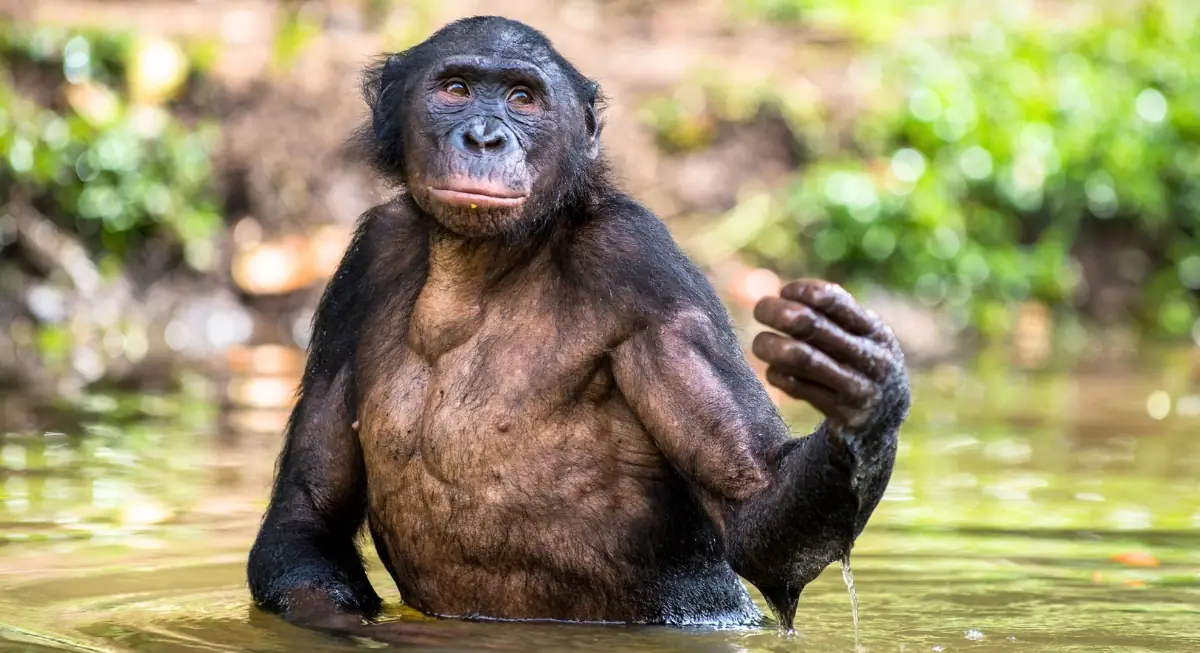
In communication studies, bonobos used lexigrams. These are visual symbols that represent words to share requests, ideas, and intentions. During food distribution experiments, they voluntarily included others rather than hoarding the food. They initiate joint actions with eye contact and gesture, which uses turn-taking patterns that resemble human conversation more than chimpanzee behavior.
Elephant
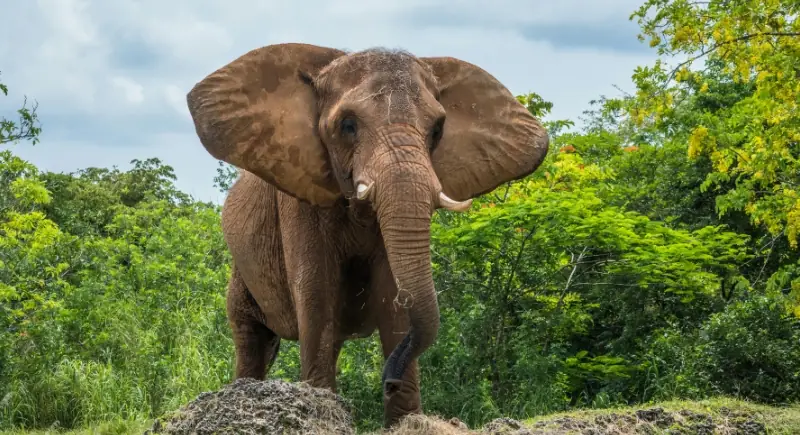
Field researchers have documented elephants identifying family members by scent and recalling individuals after years apart. They alter their behavior when approaching the bones of deceased relatives, pause during group decisions, and celebrate cooperative successes. Their tool use in the wild complements their emotional intelligence and long-term memory.
African Grey Parrot
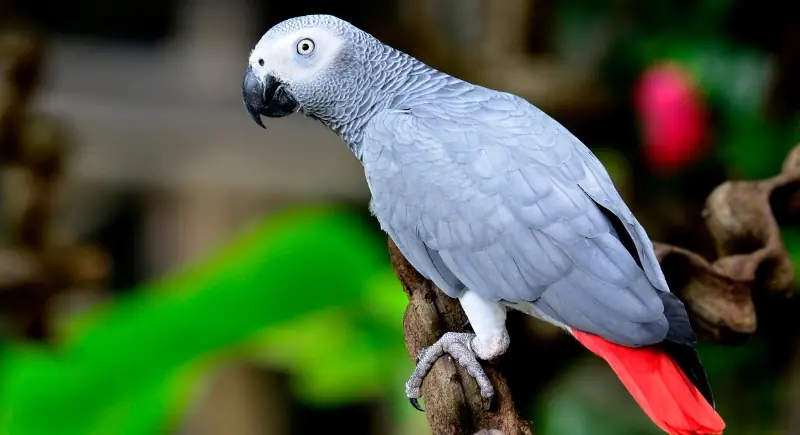
African greys don’t just mimic—they calculate, compare, and recall. One named Griffin consistently outperformed college students in visual memory challenges. Others, like Alex, understood numerical quantities and abstract traits like shape or material. These parrots don’t simply repeat. They interpret, which marks a higher level of cognitive function.
Dolphin
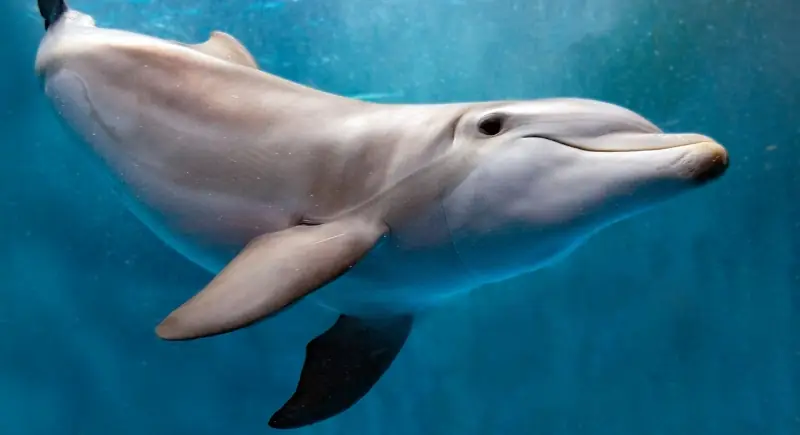
Certain dolphins use marine sponges to protect their snouts while foraging along the seafloor. Calves learn the technique over several years through observation, not instinct. Additional studies show dolphins following symbolic instructions and recalling complex training long after sessions end.
Dogs
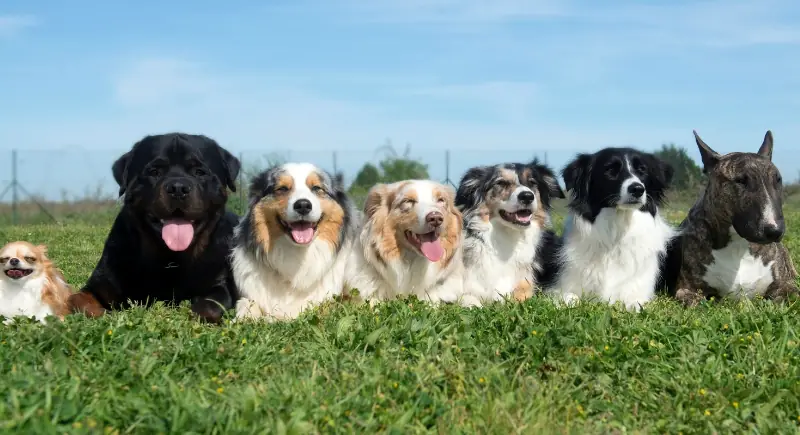
Dogs track facial expressions, voice changes, and body posture with impressive accuracy. A border collie named Chaser learned more than a thousand object names and retrieved them reliably. That success reflects how dogs read emotional signals and adjust behavior based on subtle human feedback.





