
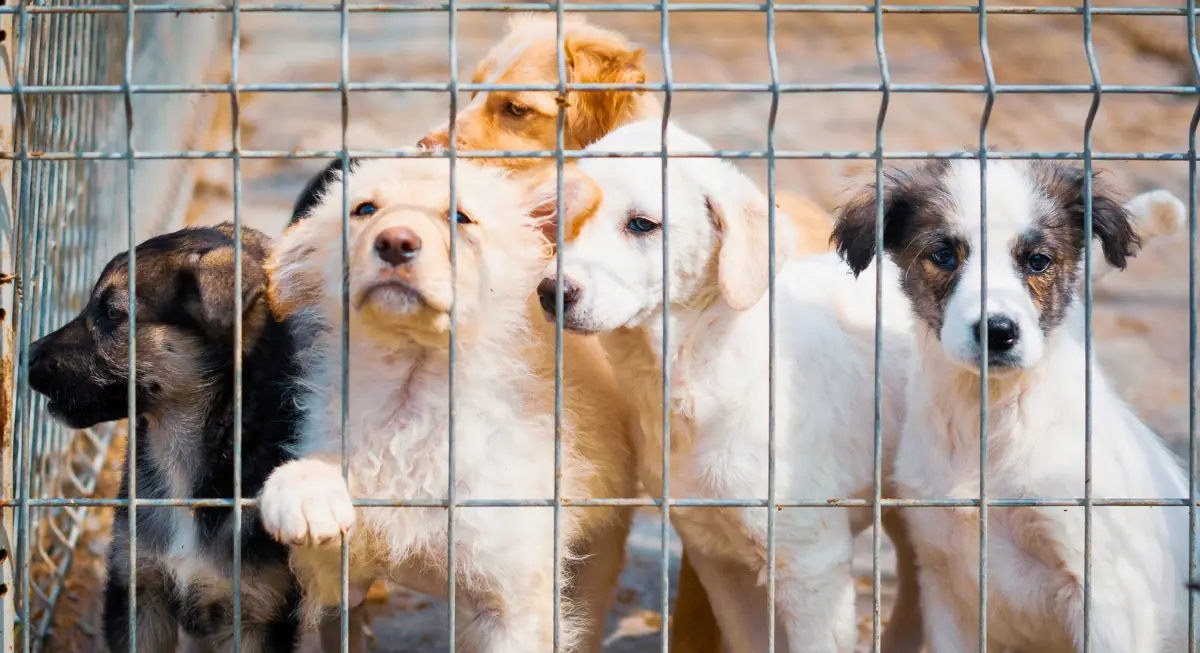
Across university labs and private research centers, the same pattern keeps surfacing: animals disappear in large numbers, and the facilities report heavy losses afterward. The group behind these break-ins doesn’t hold press conferences or build political campaigns. They move after dark, bypass security, and describe their actions as saving lives. Their opponents describe those same actions as sabotage. That conflict, between a claimed mission of liberation and a clear breach of the law, is the space this group occupies.
The Animal Liberation Front
View this post on Instagram A post shared by Inside History (@insidehistory)
The Animal Liberation Front, or ALF, first took shape in Britain during the 1970s, growing out of hunt-sabotage activism and a small cell called the Band of Mercy. By 1976, British activist Ronnie Lee and his circle had adopted a new name and a broader vision: an international, leaderless resistance dedicated to sabotaging animal exploitation.
ALF is less an organization than a banner. Any small cell that follows its guidelines can use the name. Those guidelines center on four points: freeing animals held for abuse, hitting the wallets of people who profit from that abuse, revealing hidden cruelty through direct action, and avoiding harm to humans or non-human animals as far as reasonably possible. There is no membership card, no headquarters, only loose coordination through “press offices” that publish anonymous claims and communiqués. That structure makes infiltration very hard and prosecution even harder.
Inside The Most Famous Raids
In 1985, activists broke into facilities at the University of California, Riverside during the night, damaging equipment and taking hundreds of animals out of psychology and biology labs. Estimates vary, but later reporting and academic summaries place the number near 468 animals and about $700K in damage.
A year earlier, another high-profile break-in at the University of Pennsylvania did not involve carrying animals out of cages, yet it arguably had even more impact. Activists stole roughly 60 hours of video that showed researchers inflicting traumatic head injuries on baboons with a hydraulic device. Edited into the documentary “Unnecessary Fuss,” that footage triggered national outrage, federal investigations, closure of the head-injury lab, probation for the university, and the firing of its chief veterinarian.
ALF cells have not focused only on universities. In 2003, activists claimed responsibility for opening cages at a mink farm in Washington state, releasing more than 10K mink and causing huge losses for the business targeted. Authorities and residents accused the raiders of causing chaos for both wildlife and the animals themselves, while ALF supporters argued that any chaos paled beside a lifetime in a wire cage.
Rescue Mission Or Domestic Terror Threat?

Ask activists, and they will tell you ALF practices “non-violent direct action.” Their rules stress serious effort to avoid harming humans or animals, with sabotage aimed at property and profit. Ask security agencies, and you hear something very different. The Counter Extremism Project describes ALF as a far-left extremist group with global activity, tied to arson and vandalism at research labs, fur farms, restaurants, and other businesses linked to animal use.
According to FBI testimony, ALF-linked cells helped drive a wave of eco-sabotage in the 1990s and 2000s, often alongside the Earth Liberation Front. Investigators blame this cluster for about 20 major fires across western states and more than $45 million in losses during that decade alone. United States officials have labeled ALF part of the country’s top domestic terrorism concern in hearings on eco-terrorism.
Where Vigilantism Leaves The Rest Of Us
So what do you call a network that slips into labs at night, carries animals out of experiments, smashes equipment, lights fires, and then posts anonymous communiqués online? The truth sits in a messier middle. ALF actions have unquestionably exposed ugly treatment of animals that official channels either missed or tolerated, and those revelations helped tighten welfare rules. At the same time, arson campaigns and mass releases carry risks for workers, firefighters, and even the animals that activists want to help.





