
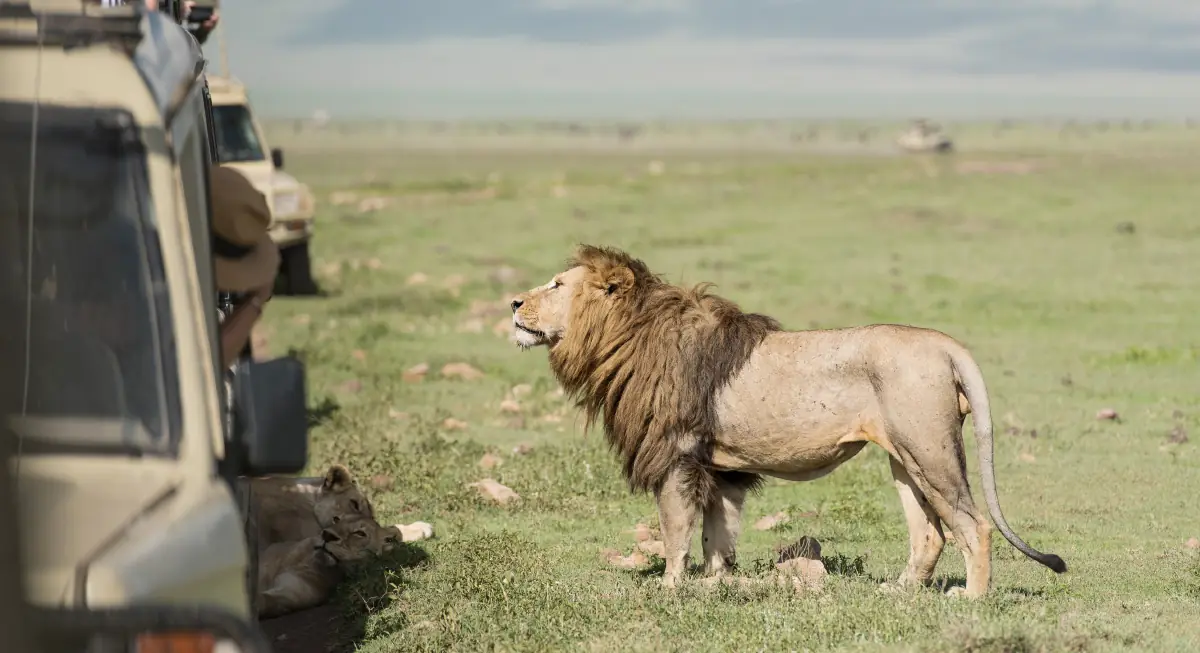
Safari experiences aren’t built around constant action. Much of your time will go into scanning the brush and listening closely for signs of movement. Those slower moments end up shaping the experience just as much as any sighting.
So, here is a list that focuses on the species that leave a lasting impression.
Lion
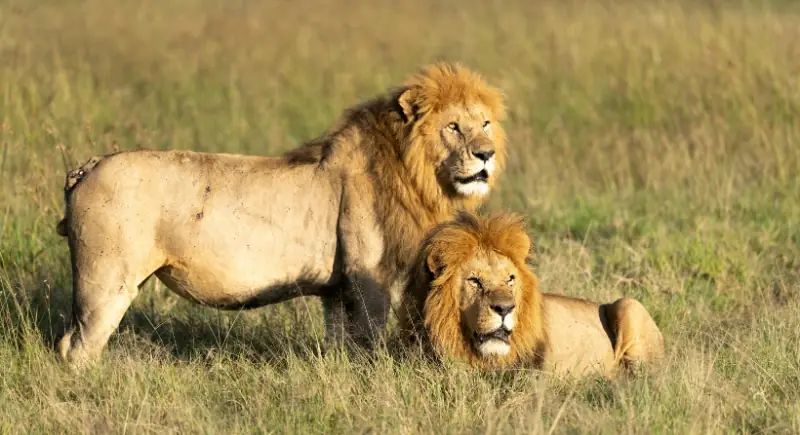
Tracking lions usually involves more stillness than motion. You have to wait patiently for them to reveal themselves. During the heat, they barely shift. Late afternoon brings more activity when the air cools enough for an attack. Spotting one means noticing what stops; calls go quiet, herds freeze, and eventually, a lion stirs or lifts its head with slow awareness.
Elephant
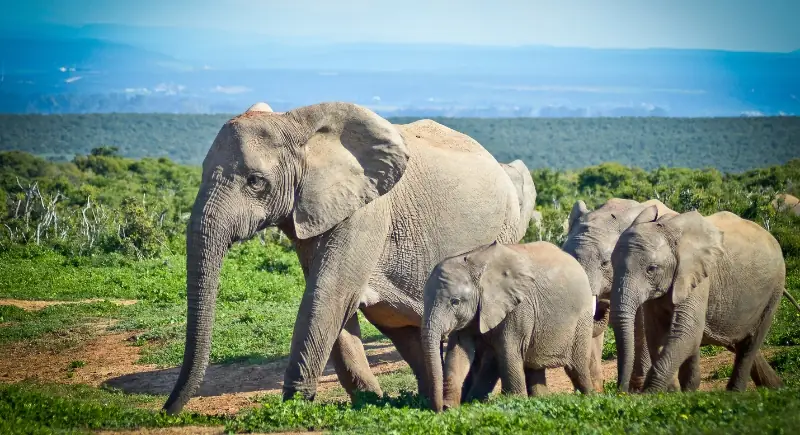
An elephant’s trunk holds both strength and control. It can tear bark from trees or gently lift a newborn calf to its feet. On safari, you often see them adjust course fluidly by turning as one after the matriarch lifts her trunk and makes a decision that needs no sound.
Mountain Gorilla
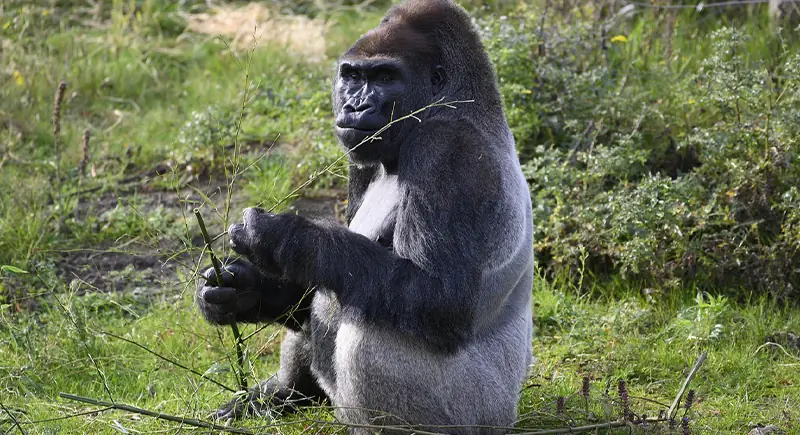
In Volcanoes National Park, trackers know individual gorillas by face. They follow each family’s habits daily and log activity and changes in hierarchy. Tourists arrive only after rangers locate the group. By the time you reach them, the gorillas have settled into their routines, pulling at leaves, shifting positions, or watching quietly.
African Leopard
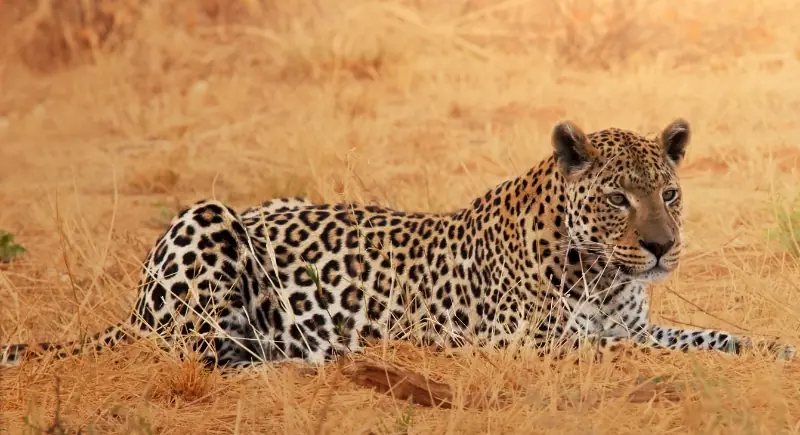
You rarely see leopards first. Often, you hear monkeys alerting with sharp cries or birds falling silent without warning. Then someone notices a tail hanging off a branch or a flicker of movement in deep shade. Leopards prefer elevation and cover, and they rarely stay in open view for long.
Rhinoceros
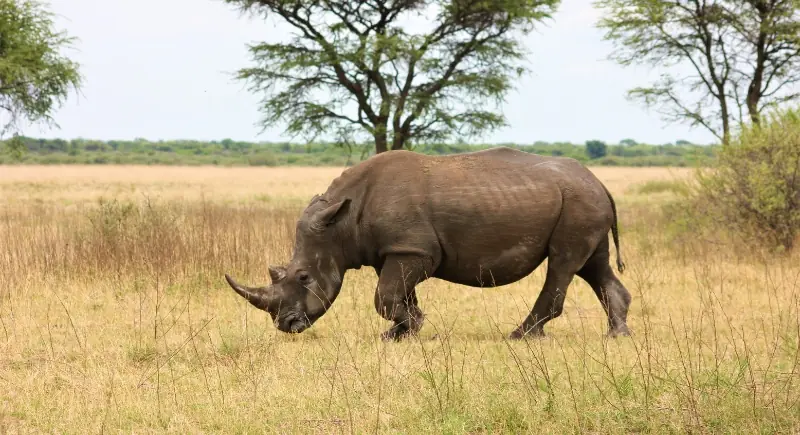
A rhino’s horn isn’t made of bone, it’s compressed keratin, the same material as fingernails. Despite that, demand in illegal markets has pushed rhino populations dangerously low. Seeing one up close is rare and brings the fragility of their survival into sharp focus.
Cheetah
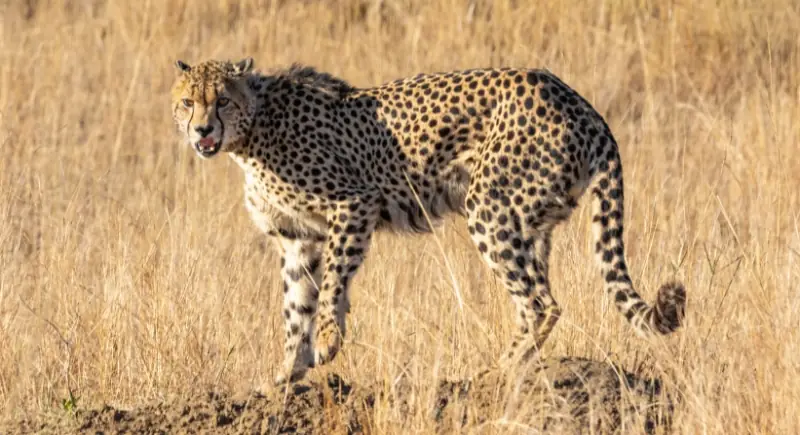
These cats rely on stealth and sprinting to bring down prey, reaching speeds over 60 miles per hour in short bursts. If you happen to see one on your trip, you’ll likely witness an intense burst of action followed by feeding. Once vultures circle or hyenas arrive, they retreat. They may rely on speed to hunt, but yield to stronger competitors when it comes to keeping the meal.
Giraffe
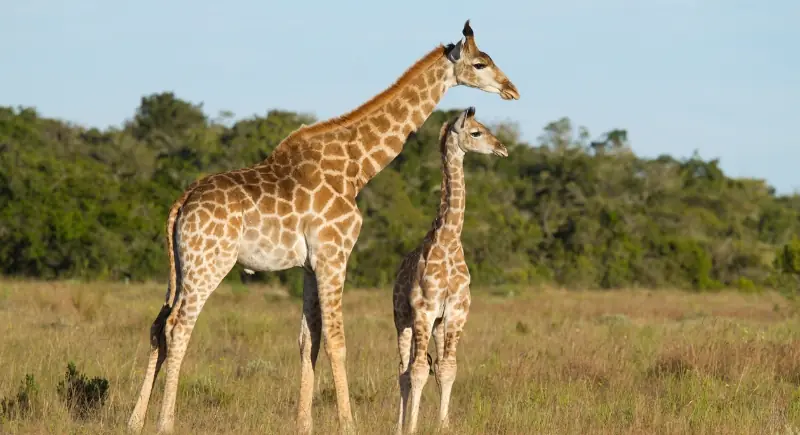
The way giraffes walk looks almost mechanical at first. Both legs on one side move together, giving their gait a swaying rhythm. But it’s efficient. Their long necks don’t contain extra bones, just elongated vertebrae that function like anyone else’s. When they lower their heads to drink, a unique valve system in the neck keeps blood from rushing too fast to the brain.
Flamingo
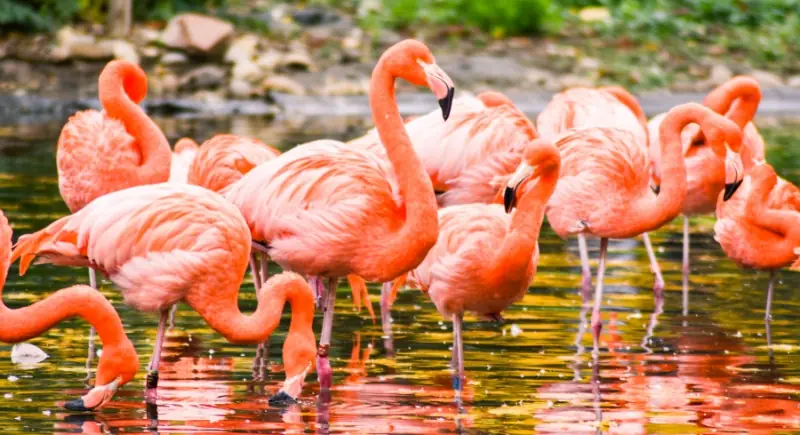
At Lake Nakuru, thousands of flamingos shift color against the surface. The pink comes from carotenoids in their algae-heavy diet, not from feathers themselves. When food becomes scarce, colonies move, sometimes overnight. Conditions change fast, and the scene that draws visitors one month may shift completely by the next.
Hippopotamus
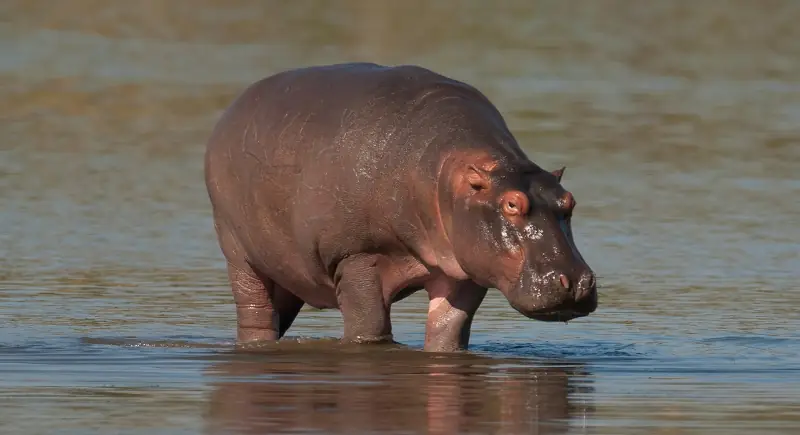
Hippos spend their days submerged, but at night they travel miles inland to graze. Rangers usually find their trails in the morning, narrow, trampled paths through tall grass. These animals do not like unpredictability and revisit familiar resting pools and preferred feeding areas.
Zebra
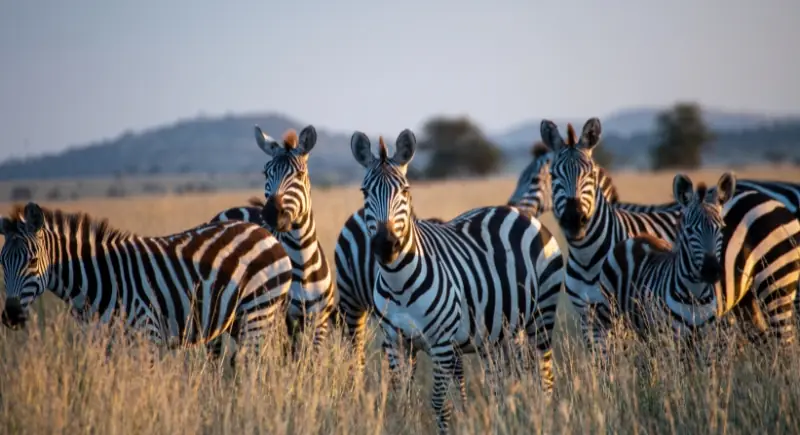
Every zebra has a unique stripe pattern, just like a fingerprint. Researchers can identify individuals by analyzing these stripes digitally, using software to track the course over the years. It’s easy to lump zebras into the scenery on safari, but up close, the pattern becomes less predictable.
African Buffalo
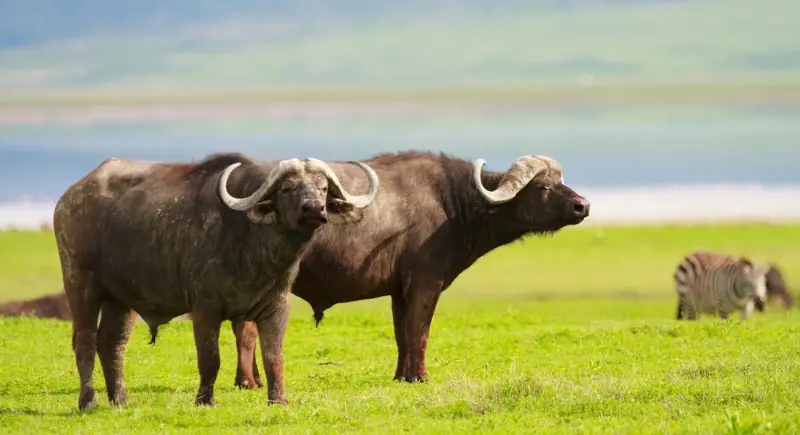
A buffalo herd controls its own space. When it approaches a waterhole, most other animals move aside. There’s no aggression unless provoked, but their posture suggests constant calculation. They form defensive circles when threatened, placing calves in the center. If some happen to surround your vehicle, your guide will start to pay close attention.
African Wild Dog
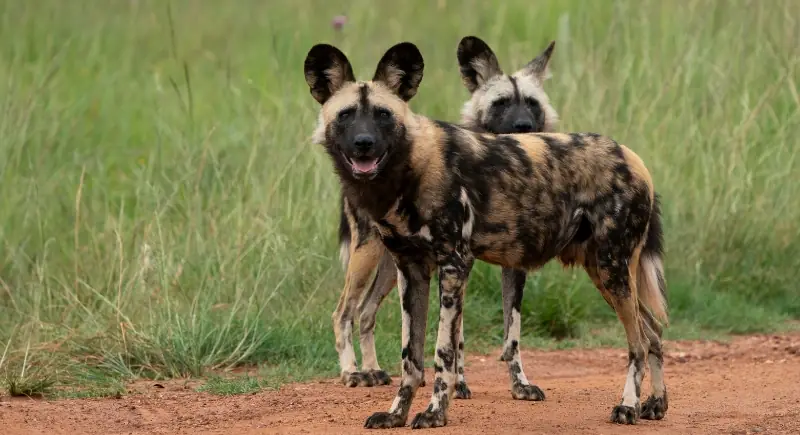
Few predators hunt with the coordination of wild dogs. Each pack member contributes, cutting off escape routes, flushing prey, and closing in with relentless pacing. Hunts last several kilometers, and most end in under ten minutes. After seeing how they hunt, most other group tactics feel disorganized by comparison.
Hyena
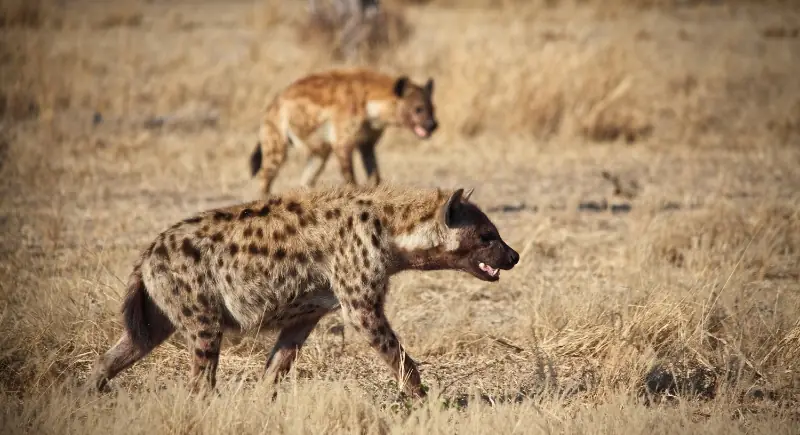
While on a safari, you may first hear a hyena before you see one, those uneven, eerie laughs break the night. Then they appear, trotting with heads low and ears alert, scanning for opportunity. Even when resting, they stay aware.
Chimpanzee
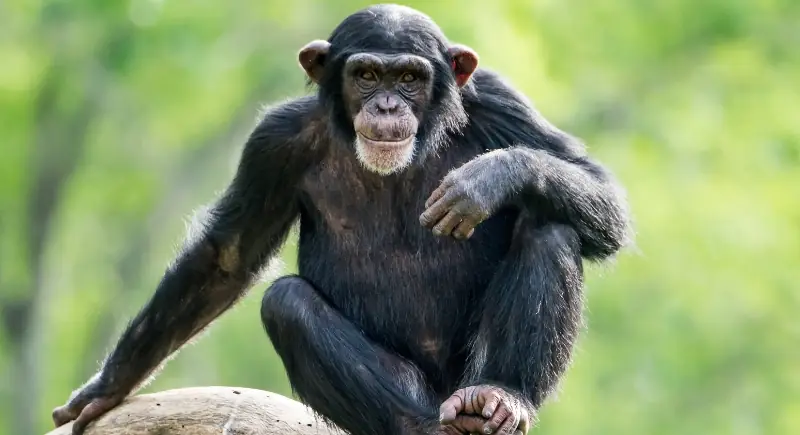
Chimpanzees in Gombe or Kibale don’t follow trails. They move fast through the undergrowth while navigating with muscle memory and sound. If you fall behind, you lose them.
Meerkat
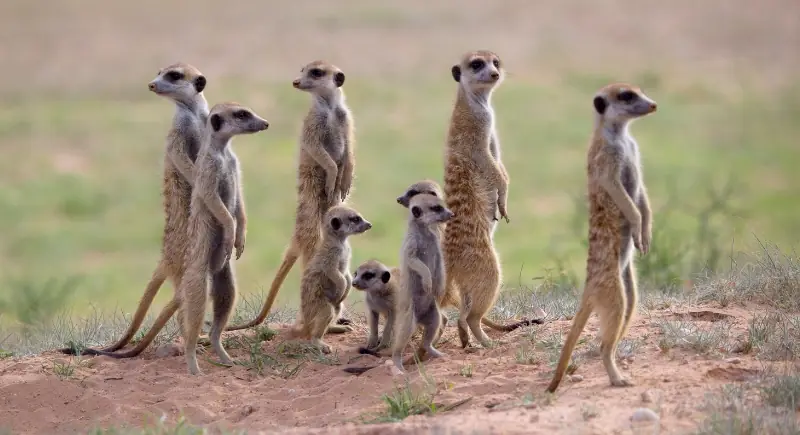
Sunrise near the Makgadikgadi Pans shows no sign of motion. Then a small head rises, and another follows. Within minutes, the group of Meerkats assembles around the burrow, adjusting to the light. One stands guard, perched on a low bush or rock, while the others begin digging.
Secretary Bird
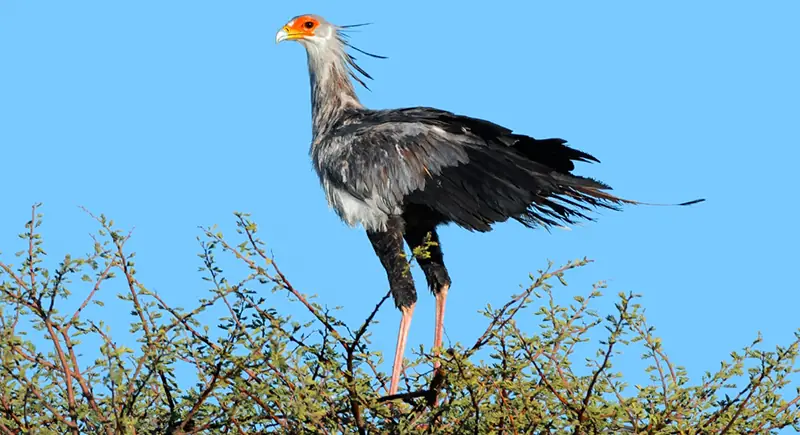
Standing over four feet tall on crane-like legs, this elegant raptor paces the open savanna like an eagle on stilts. They hunt entirely on foot, delivering precise, high-force stomps to flush out lizards or stun venomous snakes. Watching one stride methodically through the grass brings a unique, aristocratic grace to the landscape.
Wildebeest
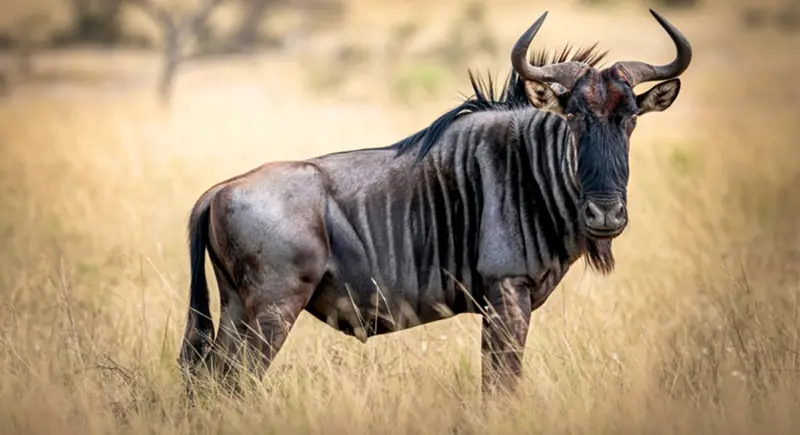
A single wildebeest feels chaotic, but a million moving in unison defines the Serengeti. Their endless migration is a restless, noisy journey driven by the search for green grass. Watching a massive herd pause anxiously at a riverbank before plunging forward is a sight of raw, unforgettable survival that alters the landscape completely.





