
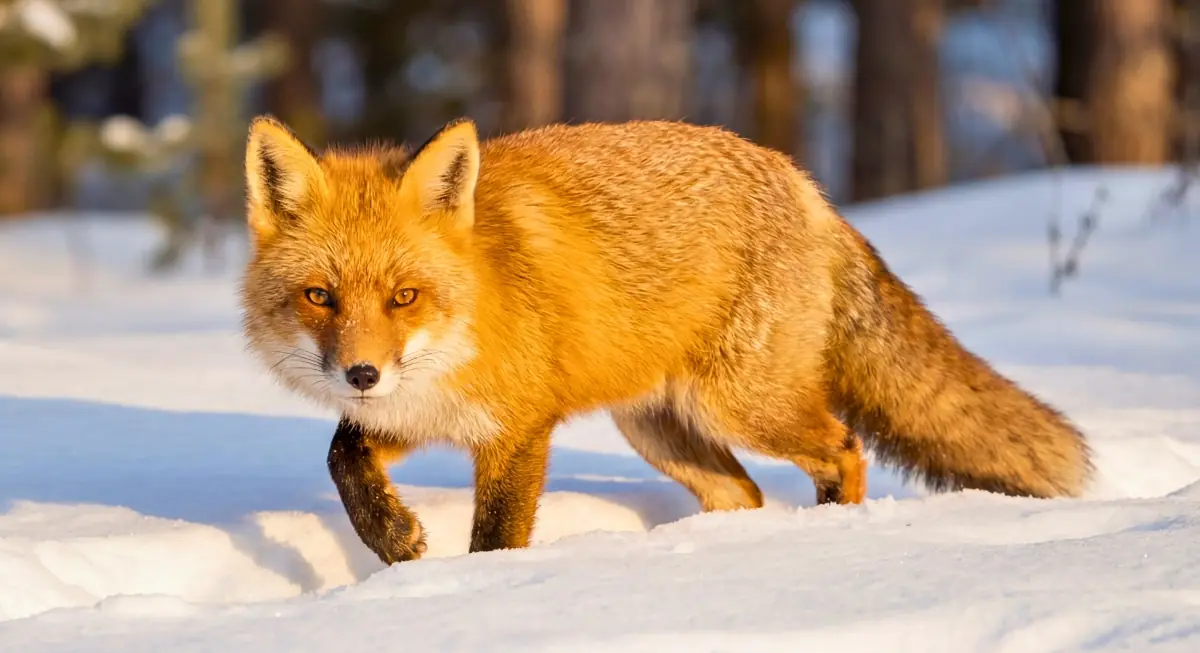
Most folks know these bushy-tailed mammals from backyard sightings or nature shows, but the real story is deeper than casual encounters. Foxes carry surprises, from ancient survival tricks to little-known biological quirks that defy expectations. Read on as we examine 10 unhinged fox facts that sounded made up until scientists and trackers confirmed them.
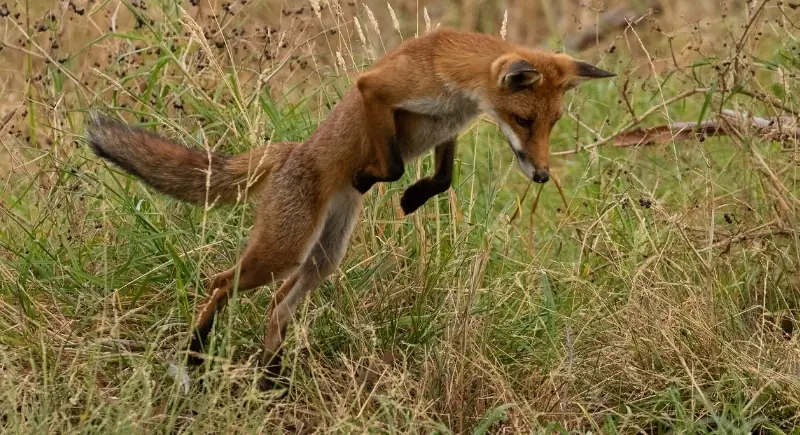
They Use Earth’s Magnetic Field
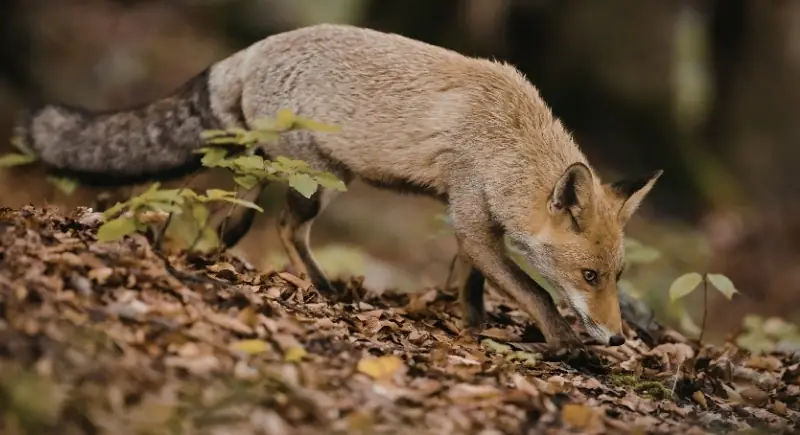
Researchers discovered that foxes utilize the planet’s magnetic field to hunt. When they leap into the air to pounce on prey hiding in tall grass or under snow, they are calculating distance and direction using magnetic fields. Some scientists speculate that their system may improve targeting accuracy by aligning with the magnetic field.
A Group of Foxes Has the Perfect Name

The collective noun for foxes is a “skulk,” and no other word could fit better. The term comes from a Scandinavian word meaning ‘to lurk’ or ‘to move stealthily.’ Anyone who has watched a fox move through a backyard at dusk knows they practically invented sneaking around. The word can be used as both a verb and a noun, so a skulk of foxes will skulk through the underbrush.
Their Tracks Look Different From Dog Prints
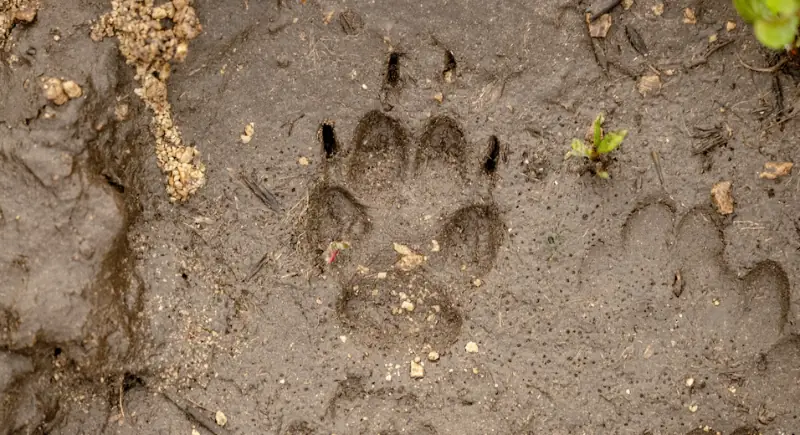
Fox prints appear in an almost straight line because they place their back feet in the exact spots where their front feet just were. This creates an efficient walking pattern that conserves energy. The prints themselves are more oval and compact than a dog’s rounder paw print. Another key difference is the lack of visible claw marks in many fox tracks since some species can retract their claws.
Baby Foxes Are Born Completely Helpless

Newborn fox kits enter the world unable to see, hear, walk, or regulate their body temperature. For the first couple of weeks of life, they depend on their mother for warmth and food. The vixen nurses her cubs constantly while the male fox hunts and brings food back to the den. Kits don’t open their eyes until around two weeks old, and they won’t venture outside the den for nearly a month.
Foxes Can Produce Dozens of Different Sounds

Most people think foxes only make that horrifying scream-like sound. That shriek is just one sound in an incredibly diverse vocal repertoire spanning multiple octaves. Foxes bark, yip, whine, howl, and make a “gekker” sound that resembles stuttering laughter when they feel threatened or playful. They have calls to sound alarm, make contact, and greet each other, and researchers have identified dozens of distinct vocalizations that they use.
Foxes Help Reduce Lyme Disease in Humans

Having foxes around can indirectly protect humans from Lyme disease. Mice are major carriers of Lyme-infected ticks, and when foxes actively hunt an area, mice spend more time hiding. This behavioral change means mice carry fewer infected ticks overall. Some areas with healthy fox populations tend to have lower rates of Lyme disease transmission to humans.
North American Red Foxes Are Evolutionary Loners

Some of the red foxes living in North America evolved separately. During the last ice age, glaciers isolated a group of foxes on this continent. For several millennia, these foxes bred with limited mixing for long periods. Despite being the same species as European red foxes, North American red foxes carry unique genetic markers from their glacial isolation.
They Burrow in Snow for Insulation
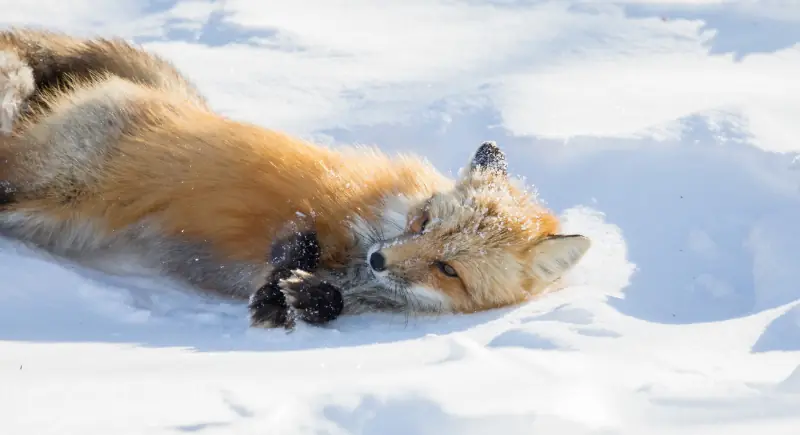
Watching a fox dive headfirst into a snowbank might look uncomfortable, but deep powder snow actually provides excellent insulation. The fluffy texture creates air pockets that trap heat radiating from the fox’s body and prevent it from escaping into the cold air above them. Their thick winter coats, combined with snow cover, can keep them warm even in freezing temperatures.
Foxes Sleep Underground in Deep Dens
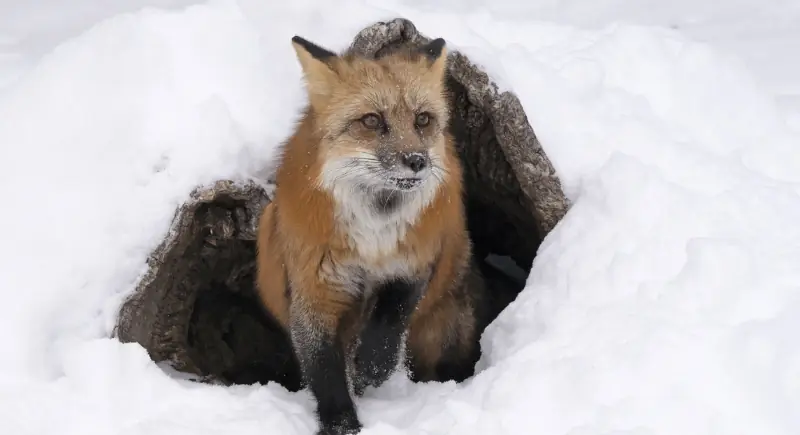
Some foxes dig impressive underground dens that can extend eight feet below the surface. These spaces protect them from predators, shelter them from extreme weather, and provide a safe space for their young. Foxes typically sleep about nine hours per day, in dens with sloped terrain that have good drainage. Some dens even get used by multiple generations of foxes over many years.
Foxes Have Hearing That Borders on Supernatural
Foxes can detect a mouse squeaking from a far distance and hear a watch ticking from 120 feet away. Research shows that some of them can even pick frequencies as low as those produced by small animals moving under the soil. This extraordinary ability aids nighttime hunts, during which they tilt their heads back and forth to pinpoint the exact location of prey.





