
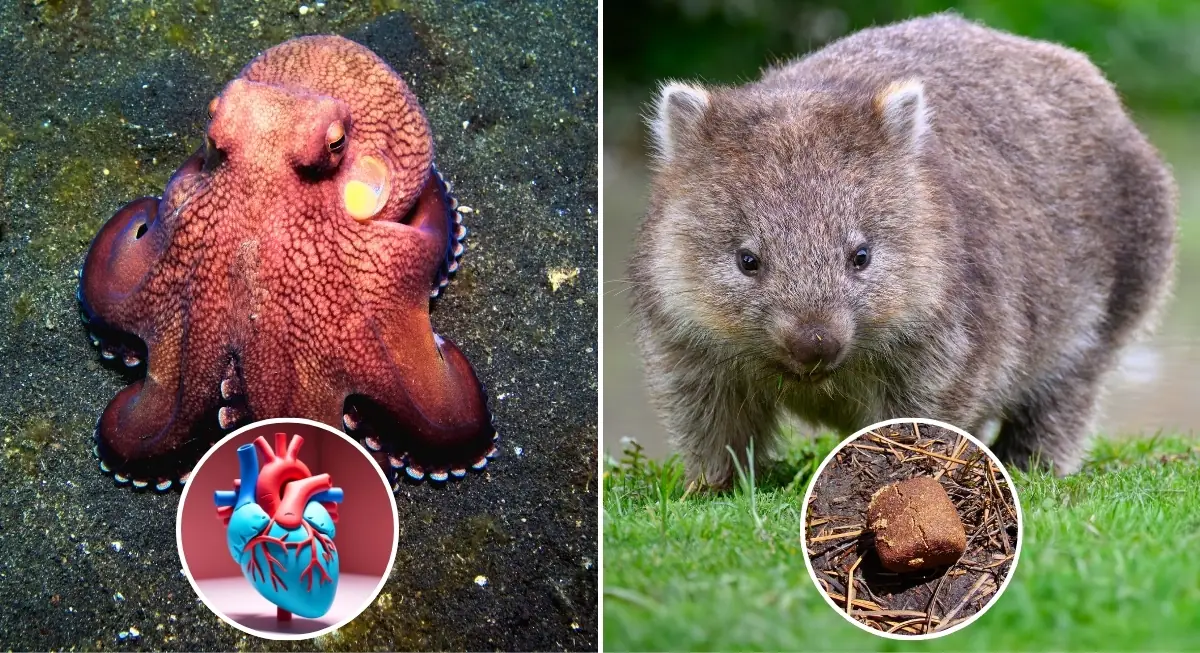
Some animal facts sound like internet exaggerations until you look at the research behind them. Biologists and field researchers have confirmed many of these traits through long-term observation, tracking technology, and genetic analysis in natural habitats. What once sounded unlikely often turned out to be real once scientists had better tools and more time to watch how animals actually live.
Wombat Poop Is Cube-Shaped
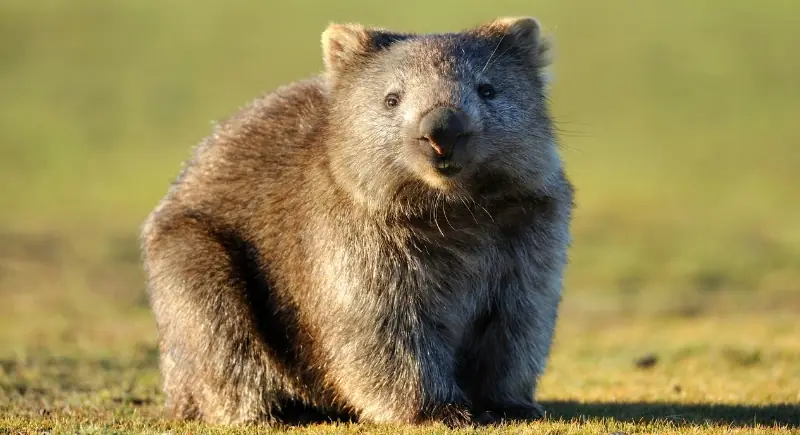
In rocky parts of Australia, scent marking needs to last longer than rain or wind would normally allow. Wombats solved that problem through digestion. Their intestines dry and compress waste unevenly, forming cube-like droppings that resist rolling off surfaces. Field researchers first noticed this pattern during territory studies rather than laboratory digestive research.
Mantis Shrimp Punch Creates Light
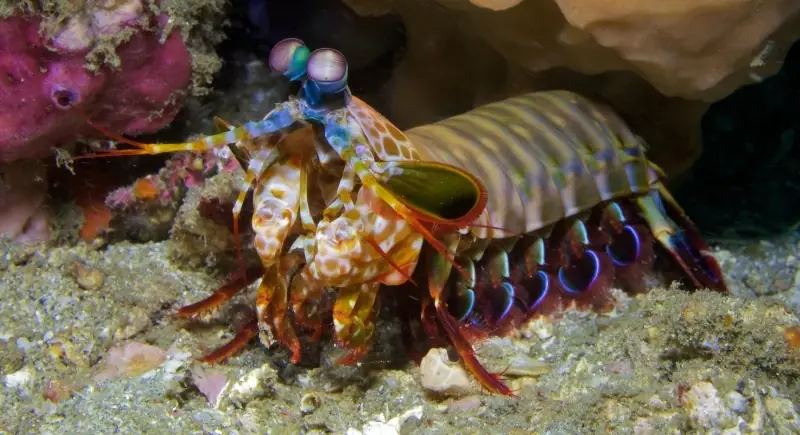
Scientists first paid attention to mantis shrimp because of unexplained damage to reef shells. High-speed footage later showed that their punch moves so fast it forms collapsing bubbles in the water. When those bubbles break, they release heat and a short flash of light. This lets the shrimp disable prey using water pressure, rather than sharp claws or teeth.
Sharks Existed Before Trees
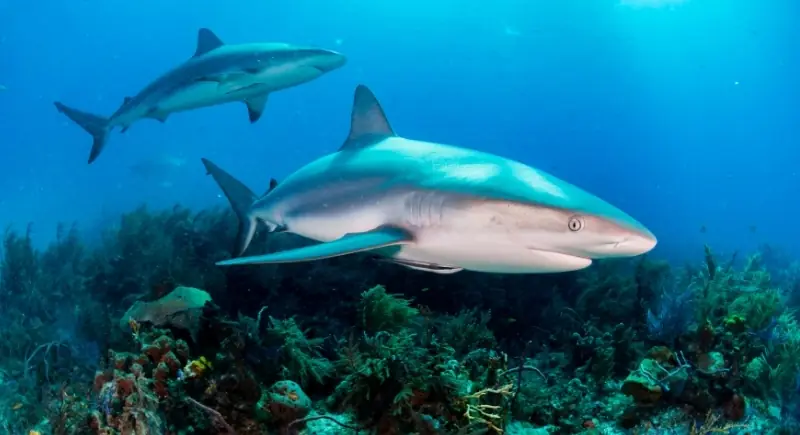
The earliest shark ancestors appeared hundreds of millions of years before forests dominated land ecosystems. During that period, most life existed underwater, and vertebrate evolution was still experimental. Sharks survived multiple extinction events partly because cartilage skeletons adapt faster than bone structures, helping them adjust to massive environmental shifts across geological time.
Platypuses Glow Under UV Light
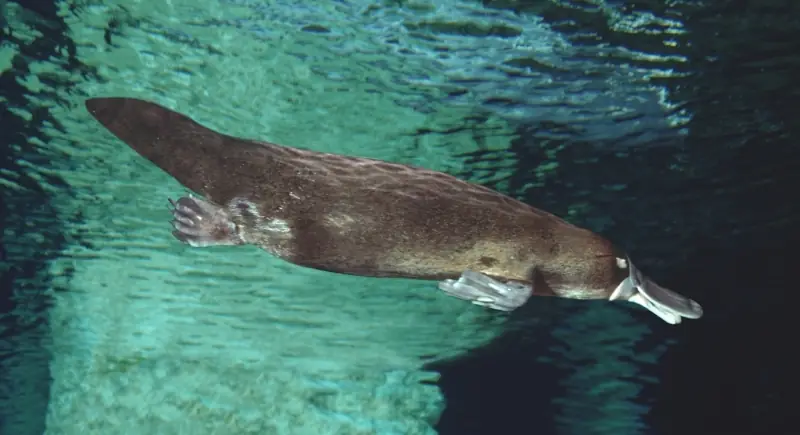
Researchers studying nocturnal mammal camouflage accidentally discovered platypus biofluorescence while testing museum specimens under ultraviolet light. The fur absorbs UV and reflects blue-green tones. Because platypuses hunt in low-light river systems, scientists suspect the glow may help reduce visibility against reflective water surfaces during nighttime movement.
Octopuses Have Three Hearts And Blue Blood
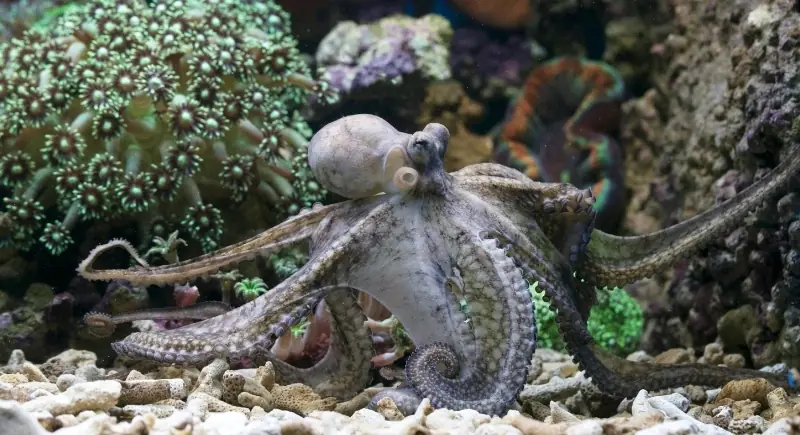
In deep and cold ocean habitats where oxygen levels drop, octopuses rely on a circulatory system built for low-oxygen survival. Two hearts move blood through the gills while a third pumps oxygenated blood through the body. Their blue color comes from copper-based hemocyanin, which carries oxygen more efficiently in cold seawater than iron-based blood proteins.
The Jellyfish That Can Reset Its Life
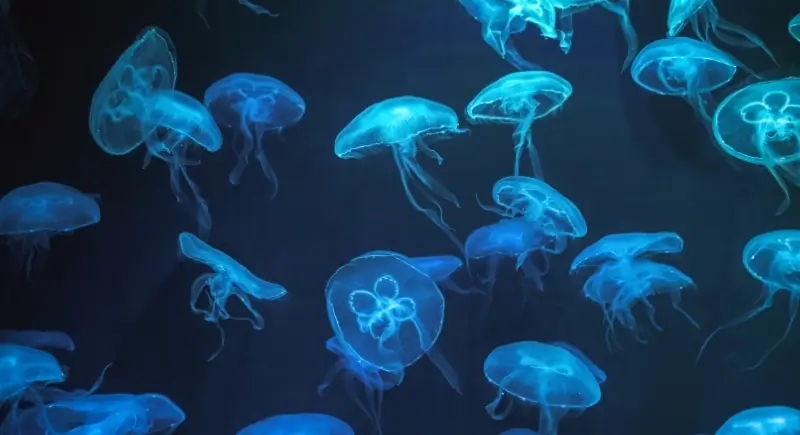
In Mediterranean and Japanese coastal waters, small populations of Turritopsis dohrnii have shown that when injured or stressed, they can revert adult cells into an earlier polyp stage. Instead of dying after reproduction, the organism restarts its development cycle, allowing the same individual to repeat life stages multiple times under certain conditions.
Horses Physically Cannot Vomit
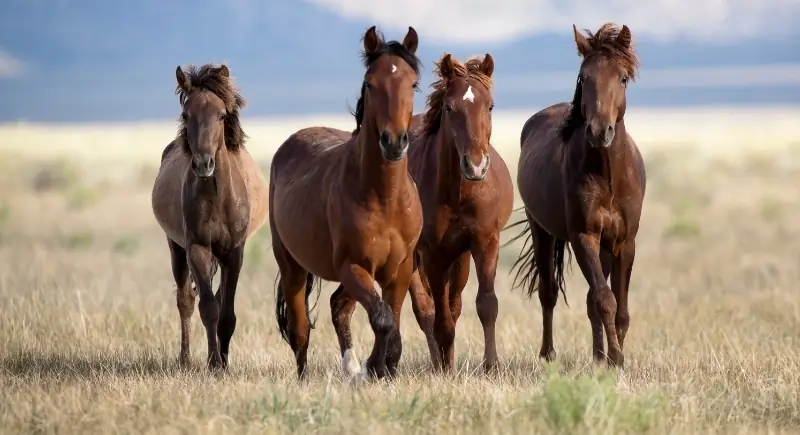
Veterinary emergency care for horses focuses heavily on digestive monitoring. A powerful lower esophageal muscle keeps food moving only toward the intestines. When blockages occur, pressure builds internally instead of being expelled. This is why sudden dietary changes or toxic plants pose a far greater digestive risk for horses than for many other mammals.
Male Seahorses Carry The Babies
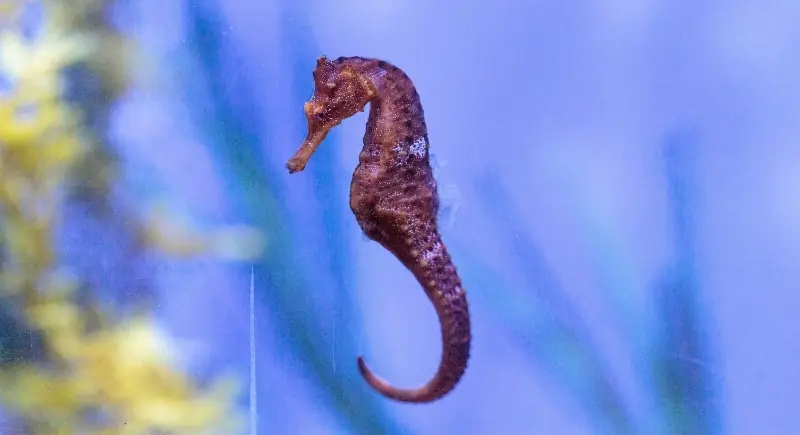
Along shallow seagrass coastlines, male seahorses spend much of the breeding season anchored to vegetation while developing embryos inside a specialized brood pouch. Females deposit eggs directly into this pouch, where internal fertilization occurs. The pouch regulates oxygen, salinity, and nutrient delivery until birth, allowing males to release fully formed juvenile seahorses into currents.
Pistol Shrimp Create Explosive Sound Waves
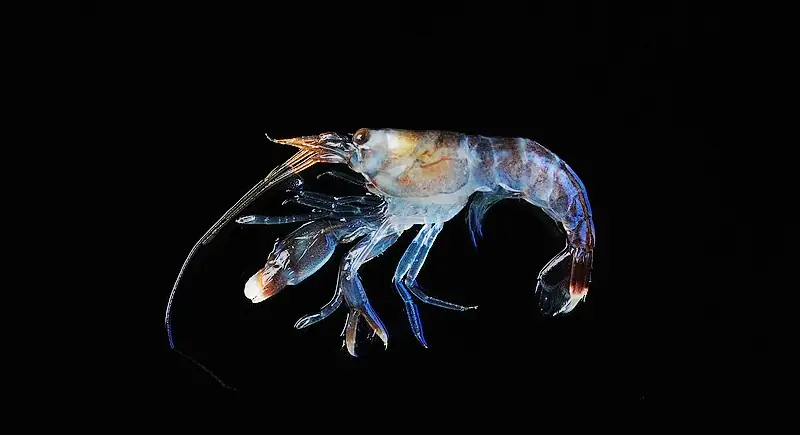
In coral reef ecosystems, snapping shrimp often dominate sound recordings of underwater environments. Their specialized claw closes fast enough to form a collapsing cavitation bubble. The implosion produces a shockwave that instantly stuns prey. In some coastal regions, dense shrimp populations create constant background noise detectable on naval sonar systems.
Wood Frogs Survive Being Frozen Solid
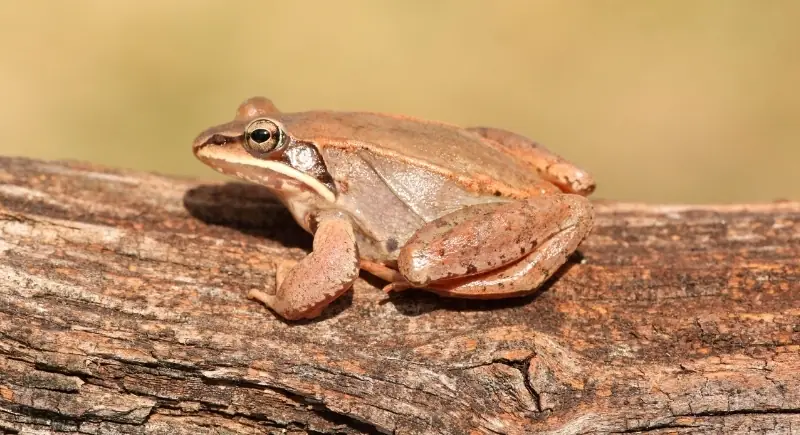
Northern North American wood frogs survive winter by allowing ice to form between cells while protecting vital tissues using glucose and urea as natural cryoprotectants. During freezing periods, heart activity and breathing stop completely. When temperatures rise in spring, circulation resumes and normal metabolism restarts within hours.





