
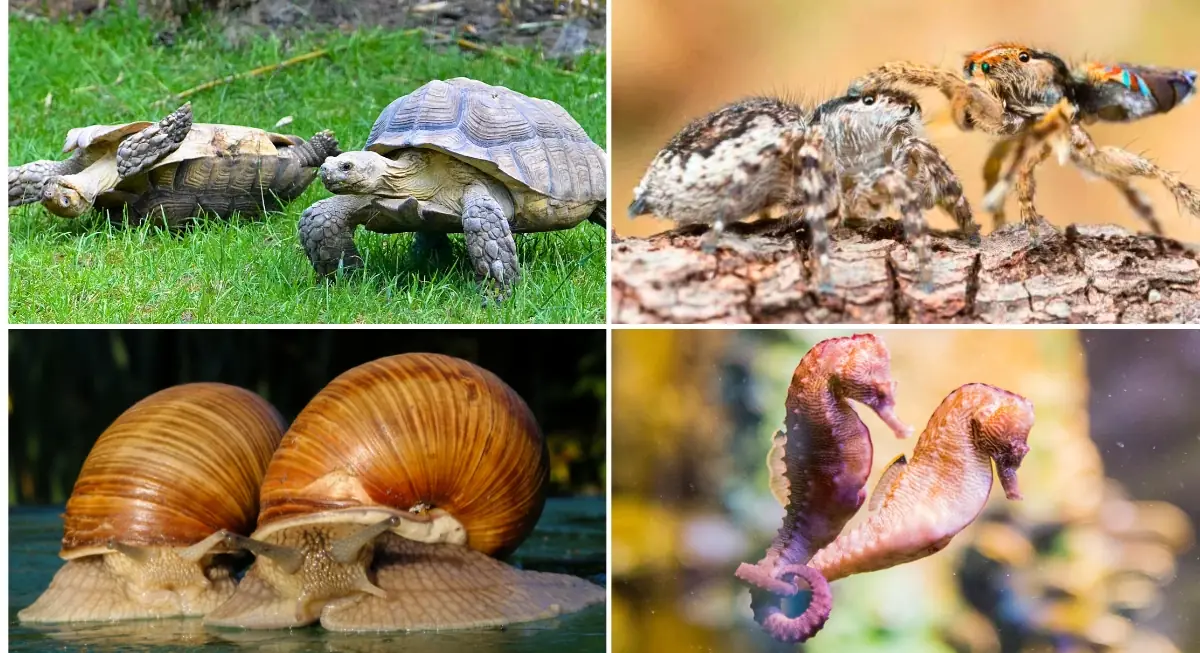
The mating game in the animal kingdom is nothing less than fascinating and somewhat weird. Some species pierce, clone, chew, or even fake their way through the mating process. To make survival possible, nature has shaped some truly bizarre reproductive methods that we’re about to disclose in this list.
So, if you’re a curious reader or just reading this for the weirdness (no judgment), these stories reveal how wildly creative nature can be when it comes to making babies.
Komodo Dragons Don’t Always Need a Partner
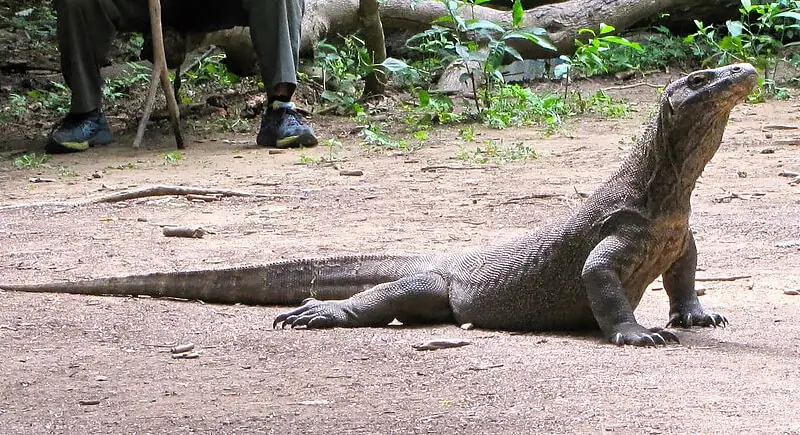
Female Komodo dragons can lay eggs without ever meeting a male. They do that through a process known as parthenogenesis, a rare ability that kicks in when no males are around. Scientists believe it’s a survival trick for isolated island populations, though it only produces male offspring. So weird!
In Seahorses, Pregnancy Belongs to the Boys
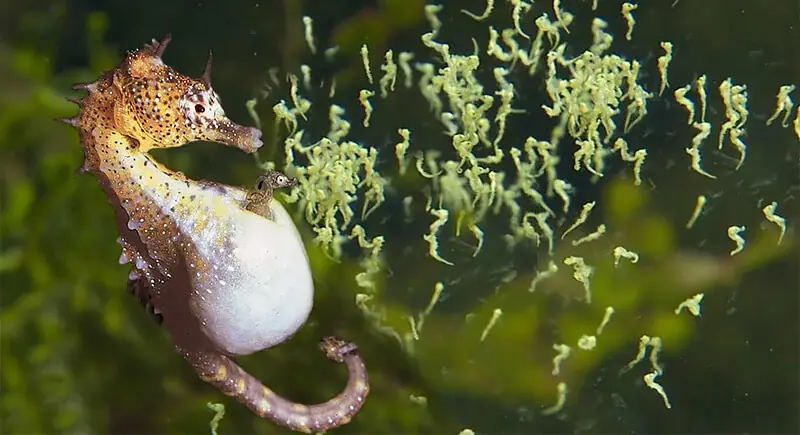
This love story comes with a twist. After a slow-motion courtship dance, the female seahorse transfers her eggs into the pouch of the male, who then fertilizes them inside his body and goes through a real pregnancy. When he gives birth, he experiences muscular contractions just like a laboring human.
Bed Bugs Make Mating a Bloodsport
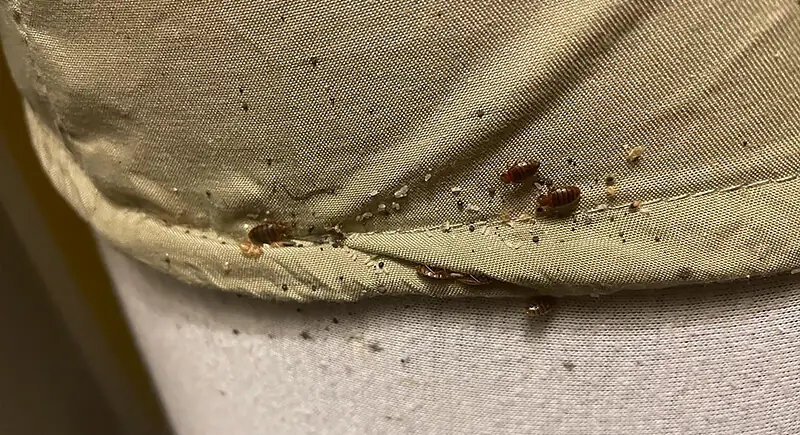
These tiny pests don’t believe in subtlety and use a method called traumatic insemination. In this process, they pierce the female’s abdomen with a needle-like organ to deposit sperm. It’s brutal and often cuts her lifespan short—but it speeds up reproduction in crowded infestations.
Flatworms Fight to Avoid Being Mom
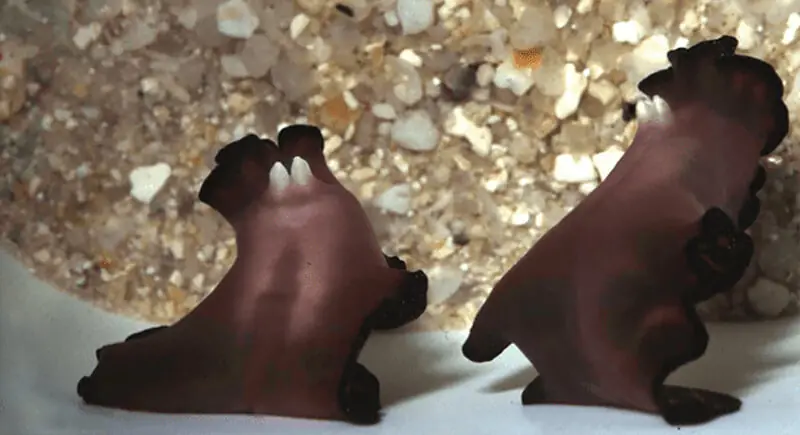
When two flatworms meet, reproduction turns into a duel. Since both are hermaphrodites, neither wants to be the one to carry the eggs. They engage in a form of combat using specialized reproductive organs, each trying to inseminate the other. The one that gets inseminated takes on the egg-carrying role.
Snails Use Tiny Spears Before Getting Intimate
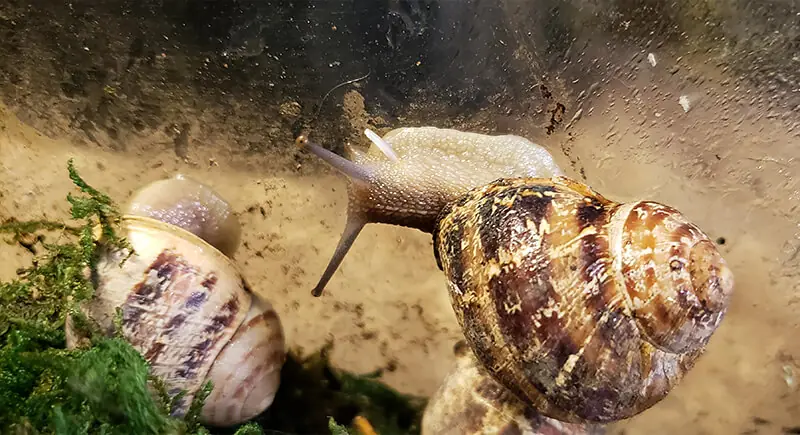
Snail courtship involves a specialized structure called a love dart. One snail fires a calcium spike into its partner and releases hormones that boost its sperm’s chances. It’s not exactly gentle and sometimes causes injuries. However, this dramatic move can make the difference between fatherhood and failure.
Some Spiders Take Overprotectiveness to the Extreme
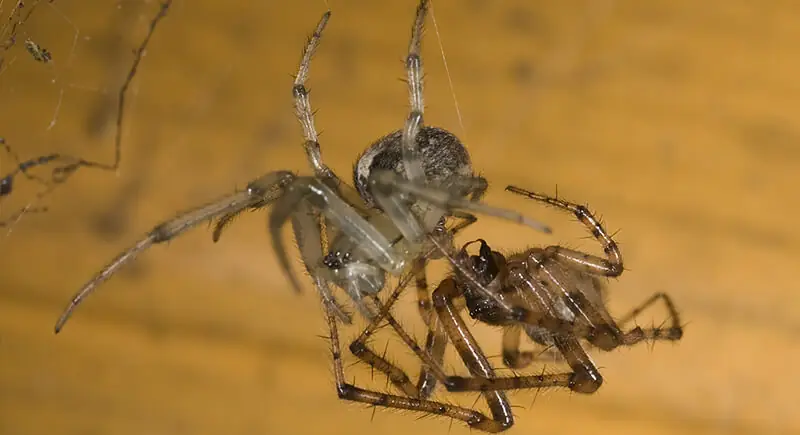
Male spiders in certain species have a post-mating move that would make any ex jealous. They leave a mating plug behind. This physical block stops other males from mating with the same female. In some cases, the male sacrifices part of his body to seal the deal.
Orchids Catfish Insects to Spread Pollen
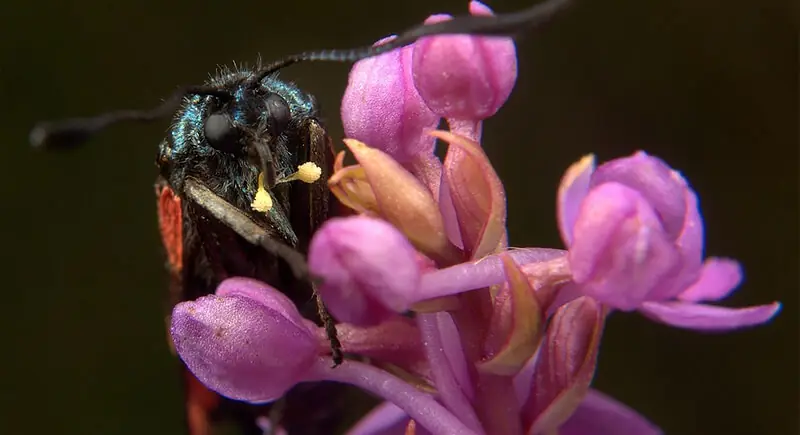
Some orchids are expert scammers and mimic the shape and scent of female insects so well that males try to mate with them. While the insect fumbles around in confusion, the flower slips pollen onto its body. The next time he falls for the trick, he pollinates again.
Palolo Worms Party in Sync With the Moon
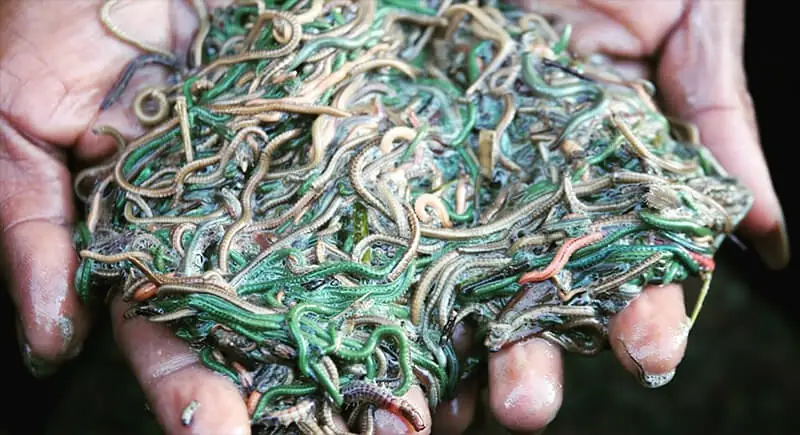
Once a year, millions of Palolo worms lose their tails on purpose. Those tail segments, filled with eggs or sperm, float to the surface during a full moon. This synchronized release increases the odds of fertilization—while also drawing a buffet of predators to the spawning event.
Mouthbrooding Fish Raise Babies Without a Crib
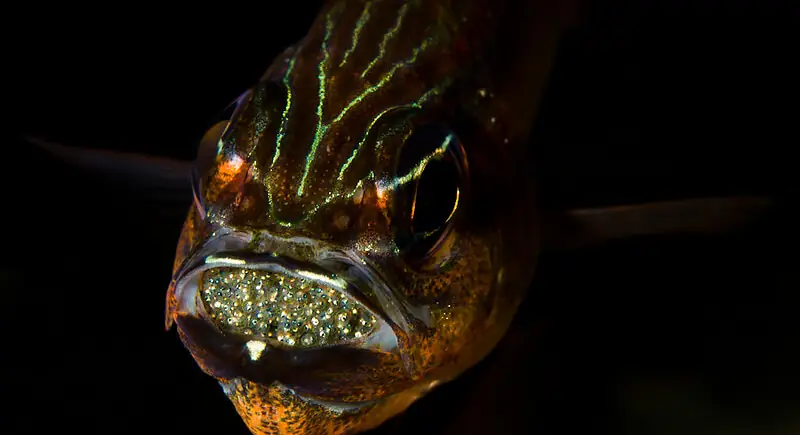
Species like African cichlids keep their eggs—and sometimes live babies—in their mouths. That’s the perfect example of multitasking. This protects them from predators but also means the parent can’t eat for days or weeks. The strategy trades hunger for higher survival rates, especially in dangerous freshwater habitats.
Bryozoans Build Living Cities Through Cloning
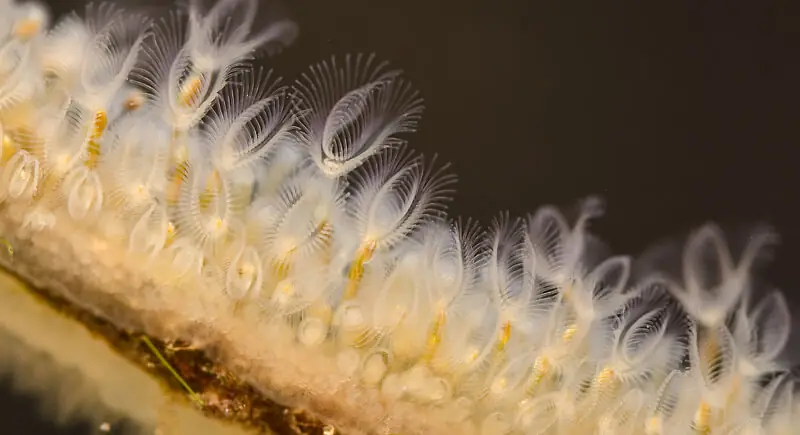
These aquatic creatures skip the messy part of mating and make copies of themselves. Bryozoans clone new units called zooids that connect into colony structures. Each zooid does a specific job, and together, they behave like a single organism.
Bears Delay Pregnancy Until They’re Ready
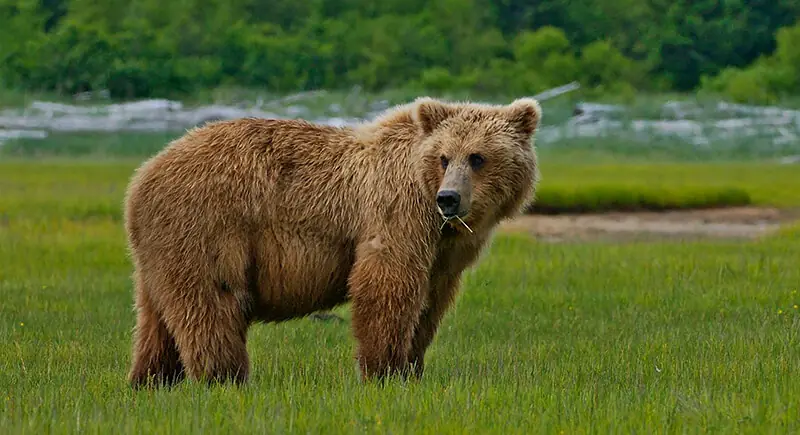
Bears don’t always implant fertilized eggs right away. After mating, the embryo floats in the uterus for weeks or months. It only attaches if the mother has gained enough weight for hibernation. If she hasn’t, the body quietly absorbs the embryo. No resources wasted, no cubs born at the wrong time.
Banana Slugs Sometimes Go Full Fatal Attraction
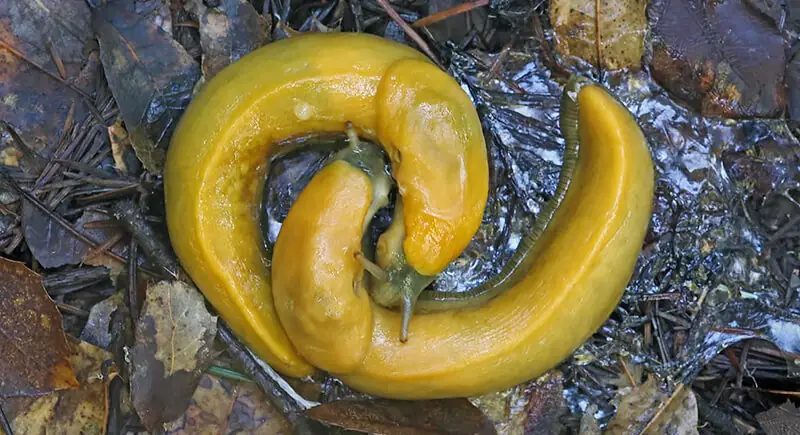
Mating for banana slugs is cooperative—until it’s not. After exchanging sperm, one slug may chew off part of its partner’s reproductive organ, a behavior known as apophallation. Once that happens, the affected slug can no longer reproduce as a male. Scientists are still debating the evolutionary advantage of this behavior.
Turtles Can Keep Sperm on Standby for Years
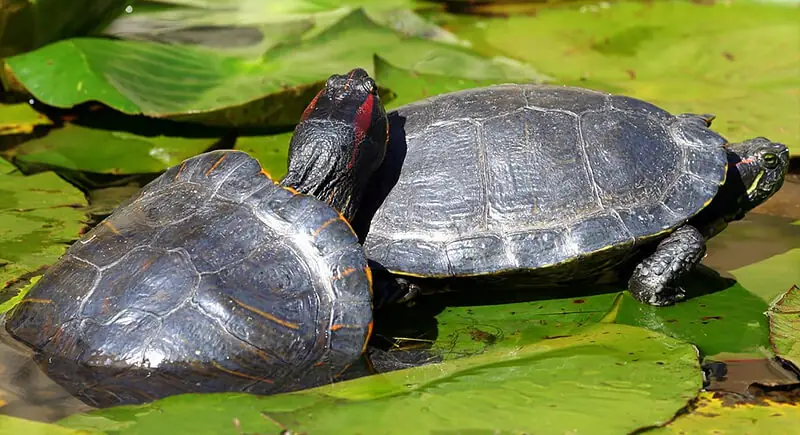
Female turtles don’t let biology rush them. They can store sperm inside their bodies for several years and choose the best time to fertilize their eggs. This ability helps them deal with unpredictable environments and also boosts genetic variety by mixing sperm from different mates.
Aphids Multiply Like It’s Their Full-Time Job
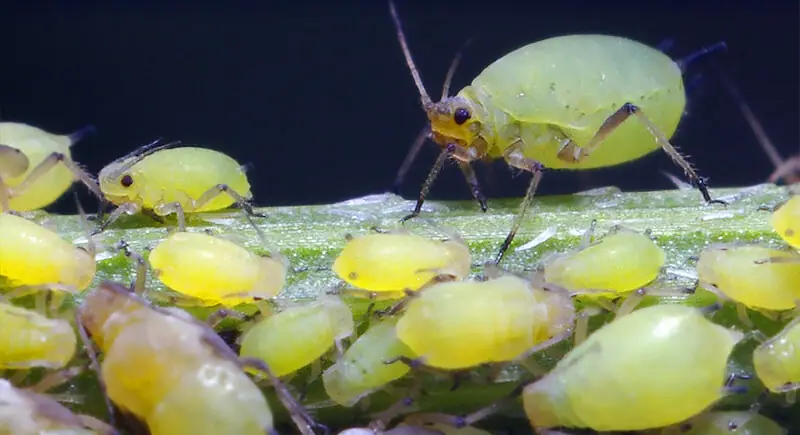
Under the right conditions, female aphids skip mating entirely and give birth to clones. They produce dozens of genetically identical daughters in a matter of days. If the environment changes, they switch back to mating. This flexibility has pushed them to become major agricultural pests.
Sea Slugs Take Turns and Keep Things Fair
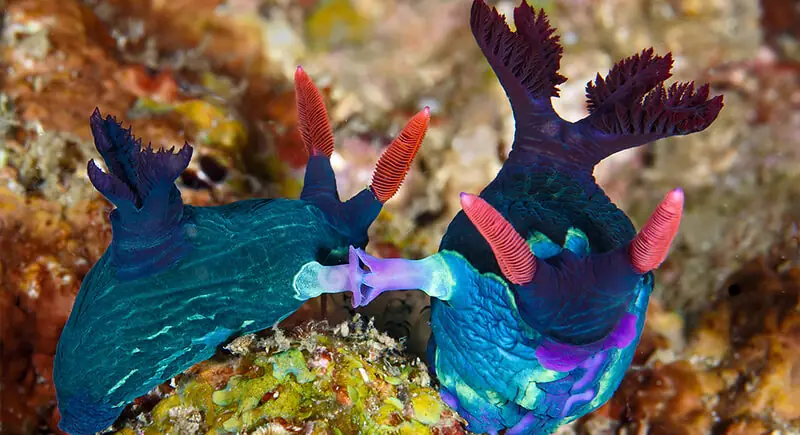
Some sea slugs are both male and female at the same time. When they mate, they don’t just donate sperm—they trade eggs, too. This method, called egg trading, keeps things balanced and ensures both partners pass on their genes. It’s a rare win for reproductive equality in the animal world.
Anglerfish Give a New Meaning to “Clingy”
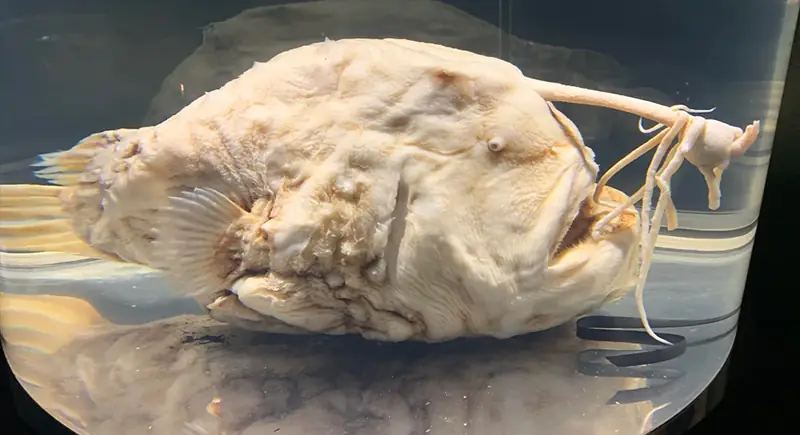
In some deep-sea anglerfish species, the male is tiny compared to the female and lives a wild romantic life. He bites onto her body, fuses with her tissue, and slowly loses his organs. In the end, he becomes little more than a sperm source, permanently attached for reproduction.
Praying Mantises and the Ultimate Sacrifice
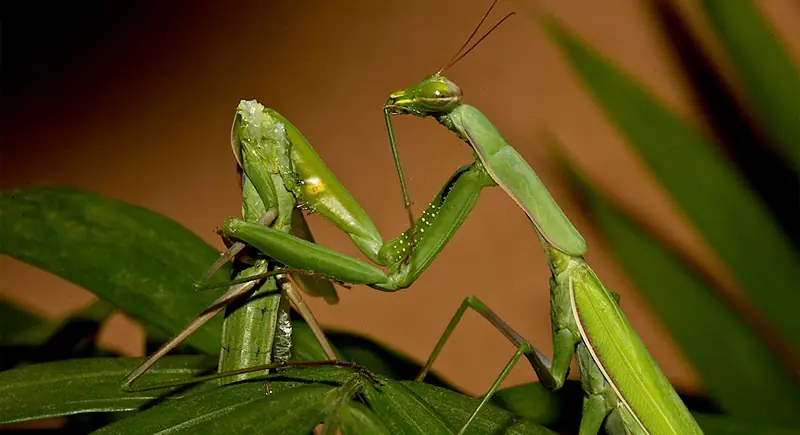
Praying mantis mating sometimes ends with a shocking twist. The female may eat the male during or after mating, which sounds brutal but can provide nutrients that support egg production. Not every encounter ends this way, yet the possibility has made mantises famous for one of nature’s strangest courtship outcomes.





