
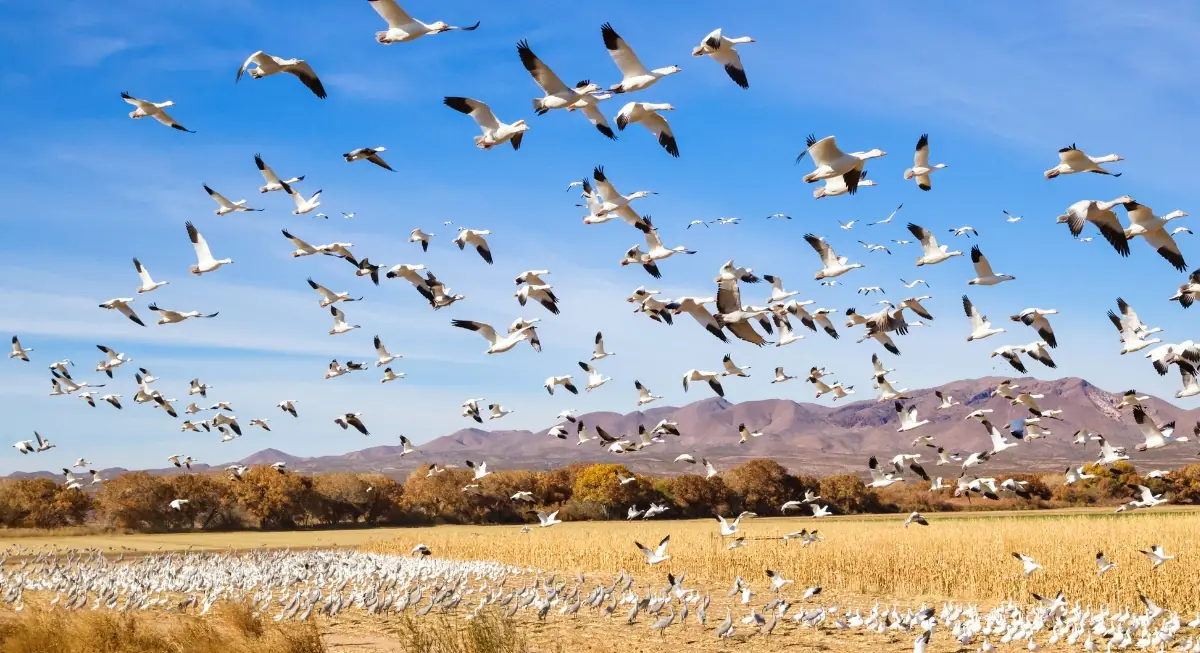
Every year, animals pass through neighborhoods, backyards, and local waterways on journeys that began long before roads and houses cut through their paths. A flock of birds may drop into a field overnight and be gone again by morning. Even a whale can surface offshore while someone nearby is just scrolling on their phone. The wildebeest migration might be happening in the Serengeti, but some migrations are happening close to home.
American Robin
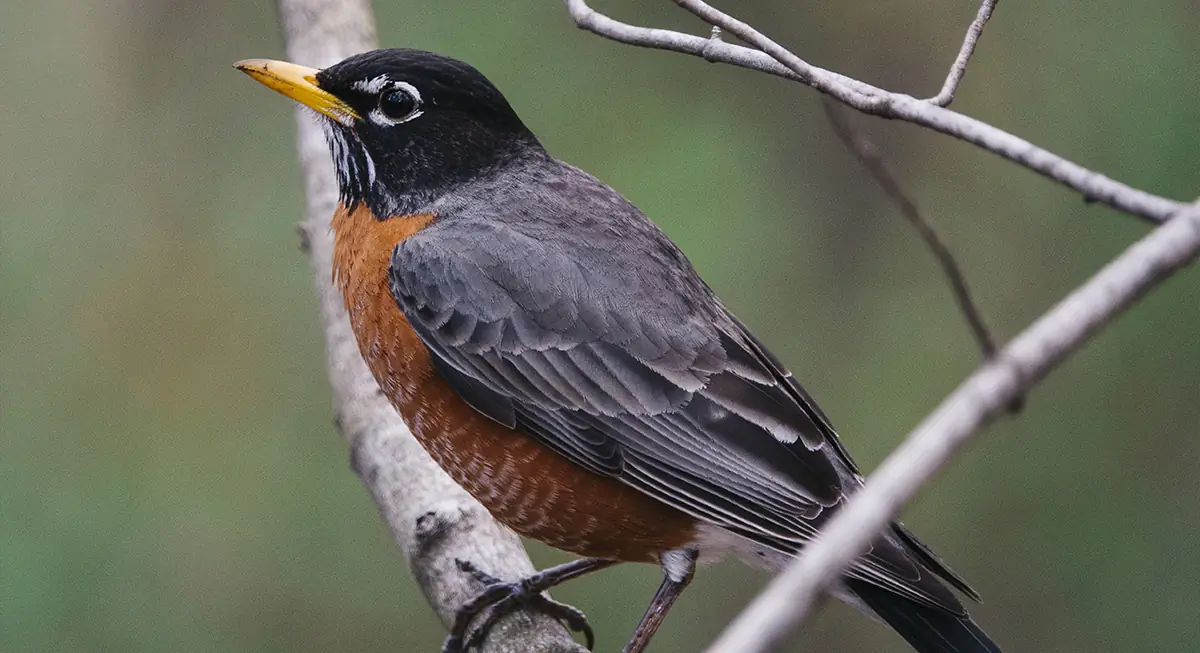
Most Americans grow up thinking the American Robin is a backyard regular that sticks around all year. In reality, robins migrate in large flocks, and the individual hopping across a lawn in spring could have wintered hundreds of miles south. The bird can move in response to fruiting trees and temperature, so flocks can show up in northern states even in January if berries are available.
Trumpeter and Tundra Swans
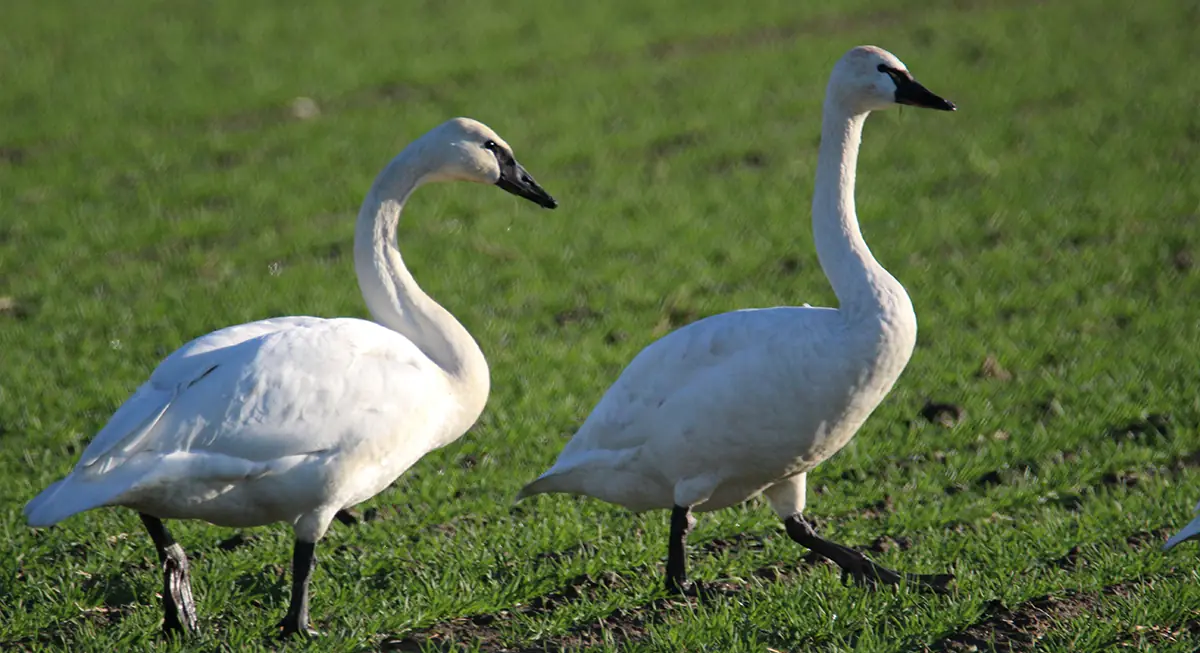
Every winter, thousands of Trumpeter and Tundra swans spread across wetlands and open fields. The trumpeter swan is the largest native waterfowl in North America, with wingspans ranging from 6 to 8 feet. Tundra swans are noticeably smaller, yet both swan species travel to some common breeding grounds and rely on agricultural fields left unharvested after fall to refuel before heading back north.
Bald Eagles
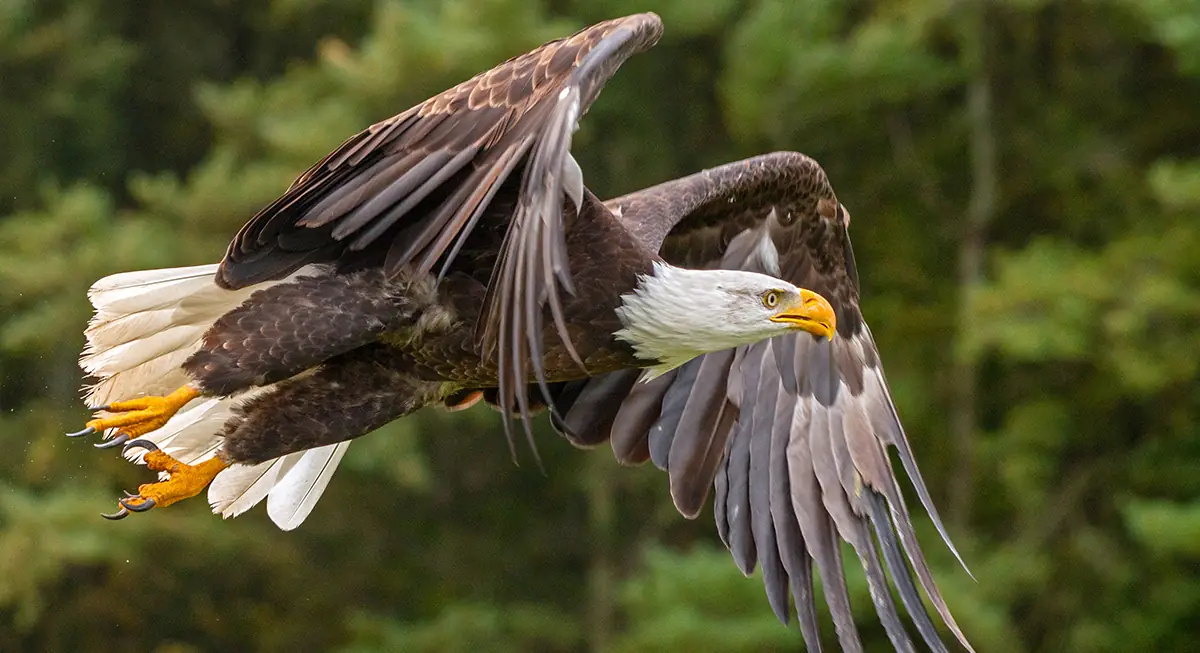
Bald eagle migration often migrate to find reliable food sources south as northern waters freeze over in late fall and winter. Eagles leave Alaska and Canada and follow salmon runs and waterfowl concentrations. The National Audubon Society notes that wintering congregations can be found in areas along the Mississippi River and waterways throughout the Pacific Northwest.
Sandhill Crane
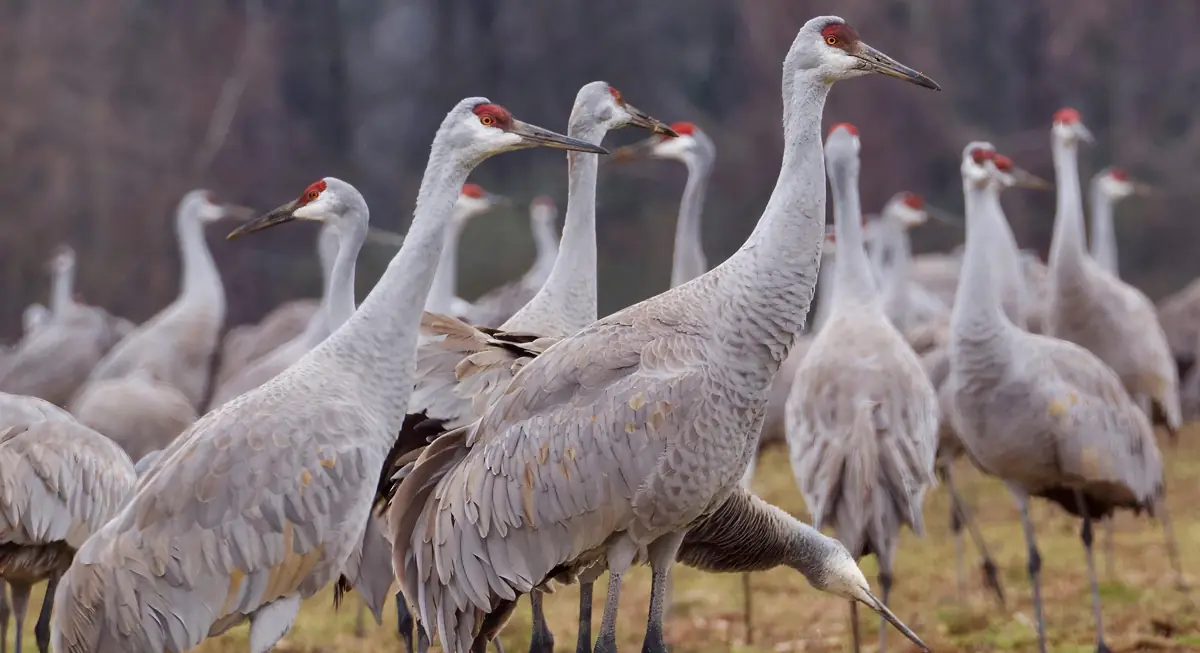
The records at the Smithsonian National Museum of Natural History indicate that sandhill cranes are among the oldest living bird species, with specimens dating back at least 2.5 million years. Every spring, an estimated 500,000 of them funnel through Nebraska’s Platte River Valley in one of the largest wildlife spectacles in North America. They call loudly in flight with a distinct sound that carries far across open land.
Gray Whales
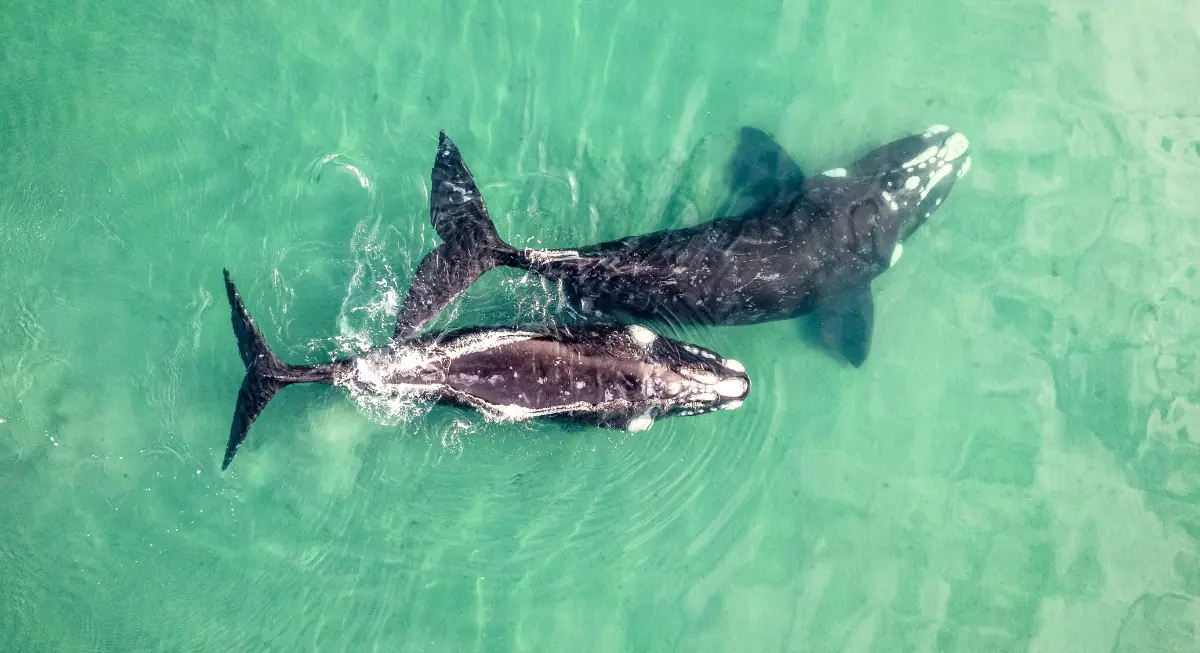
Gray whales travel more than 10,000 miles round-trip between feeding grounds off Alaska and wintering lagoons in Baja California, one of the longest migrations documented among mammals, according to NOAA Fisheries. In spring, they hug the Pacific coastline close enough for shore-based viewers to spot them without binoculars from beaches and coastal headlands in California, Oregon, and Washington.
Monarch Butterflies
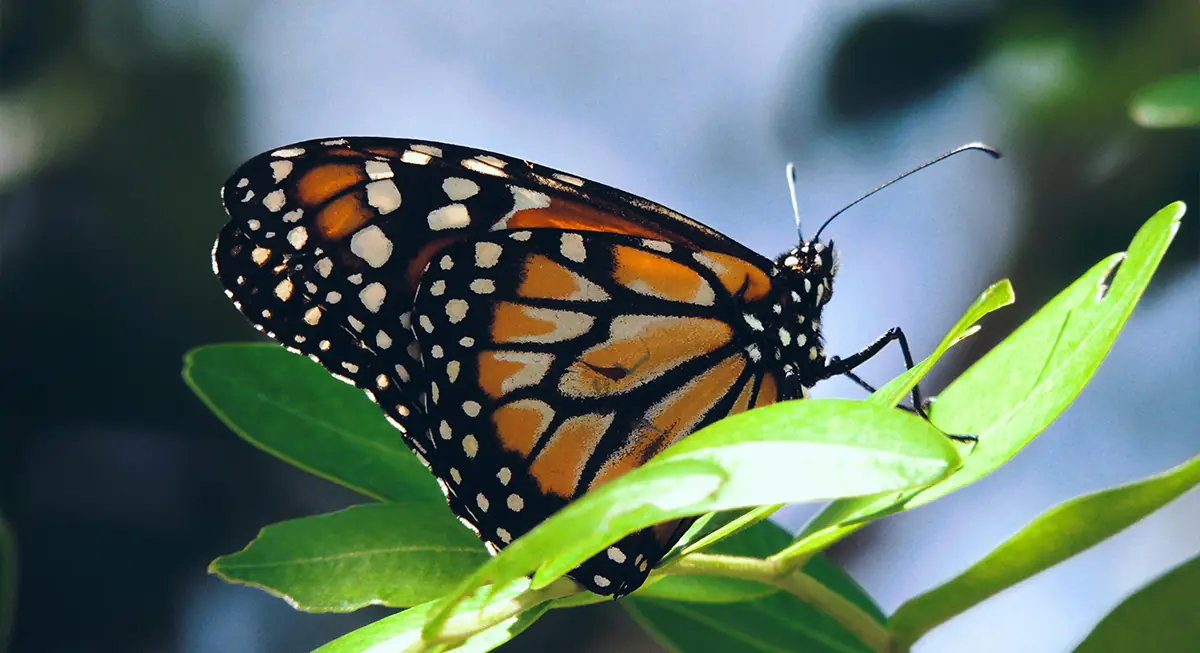
Scientists at the University of Massachusetts discovered that Monarchs carry a time-compensated sun compass in their antennae, which helps the eastern population find its way to overwintering forests in central Mexico year after year. The journey covers up to 3,000 miles and ends in the same mountain region their great-grandparents used. Despite a drop in their population in recent decades, fall migration remains visible across North America.
American White Pelicans
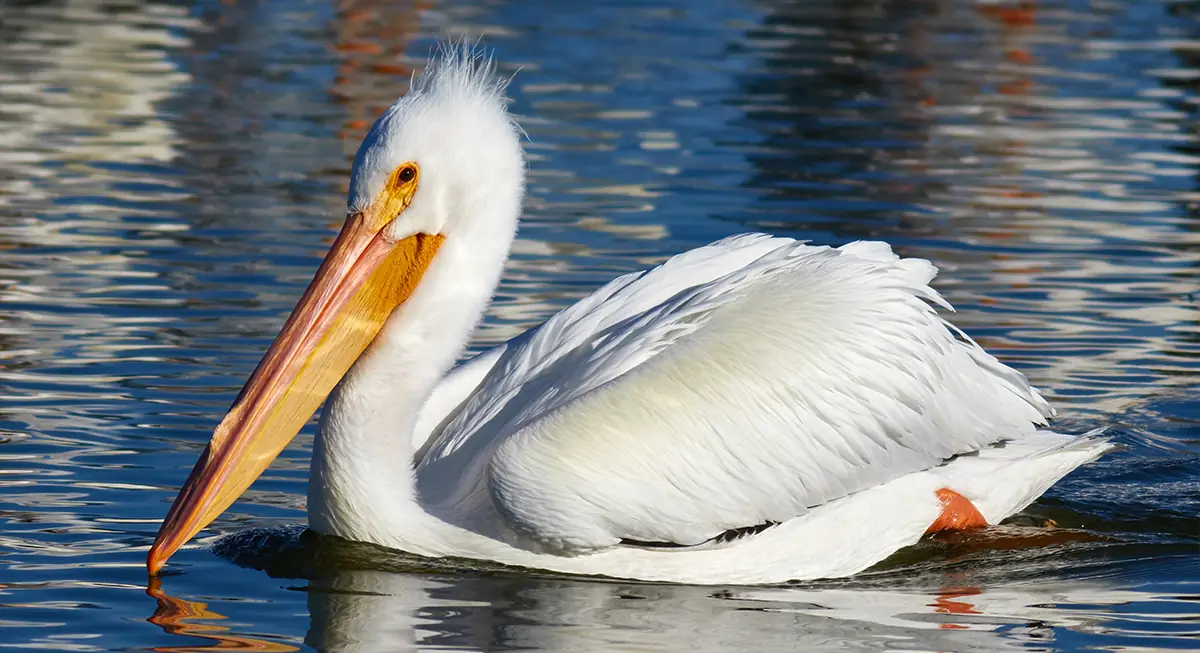
Every spring and fall, large flocks of American White Pelicans cross over Kansas, Nebraska, Missouri, and other landlocked states. They breed on remote lakes across the Great Plains and Canada and winter along southern coastlines and inland waterways, traveling long distances twice a year. Flocks travel in loose formation or circle together in thermals, moving across terrain most observers never expect to see them over.
Ruby-Throated Hummingbirds
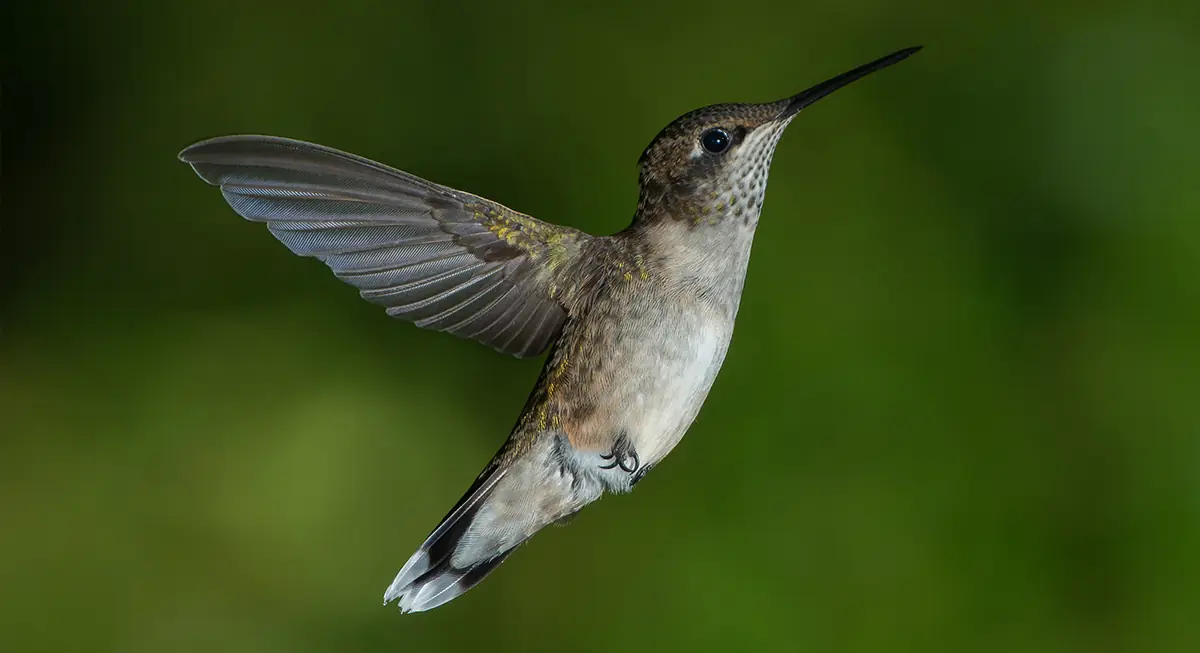
Crossing roughly 500 miles of open water nonstop is a serious undertaking for a bird that weighs less than a nickel, but some ruby-throated hummingbirds do it over the Gulf of Mexico. They nearly double their body weight in fat reserves before departure to make it possible. Some males typically head south to Central America before females and juveniles, and all of them travel alone.
Cedar Waxwings
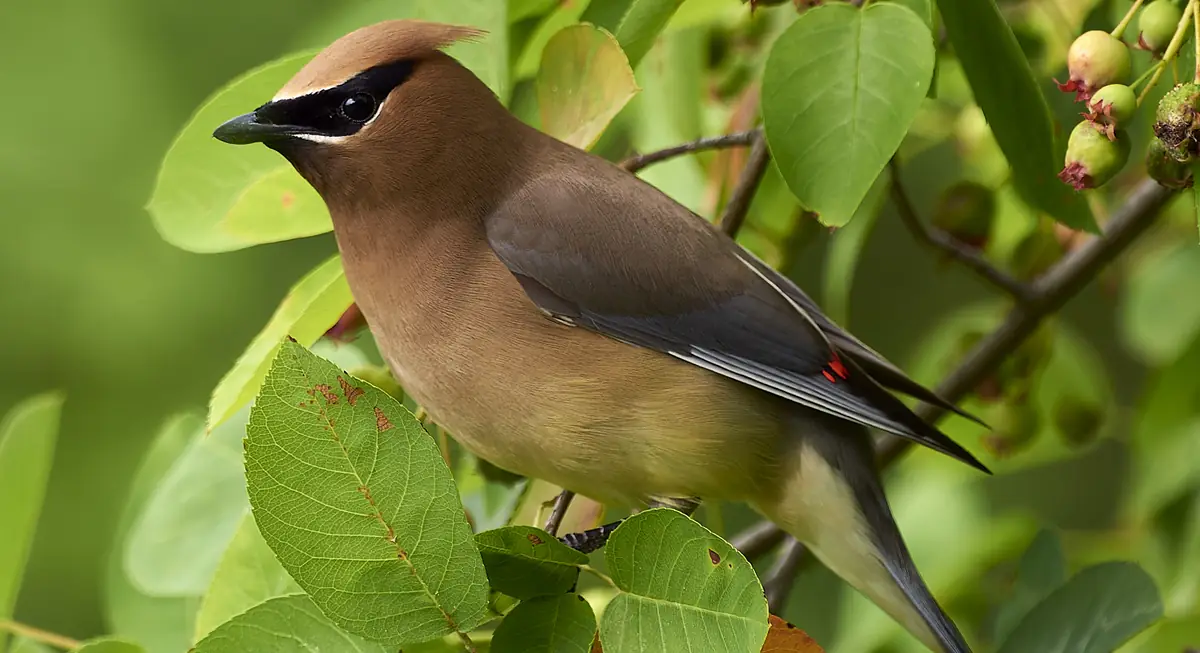
Cedar Waxwings operate on their own schedule. These crested birds travel in tight flocks across the continental United States, descending on berry-laden trees and moving on once the food runs out. Unlike most migratory birds, they do not follow a fixed seasonal calendar. Their movement is driven by food availability, which makes appearances unpredictable. While some winter in the southeastern US, others can travel as far south as Costa Rica and Panama.





