
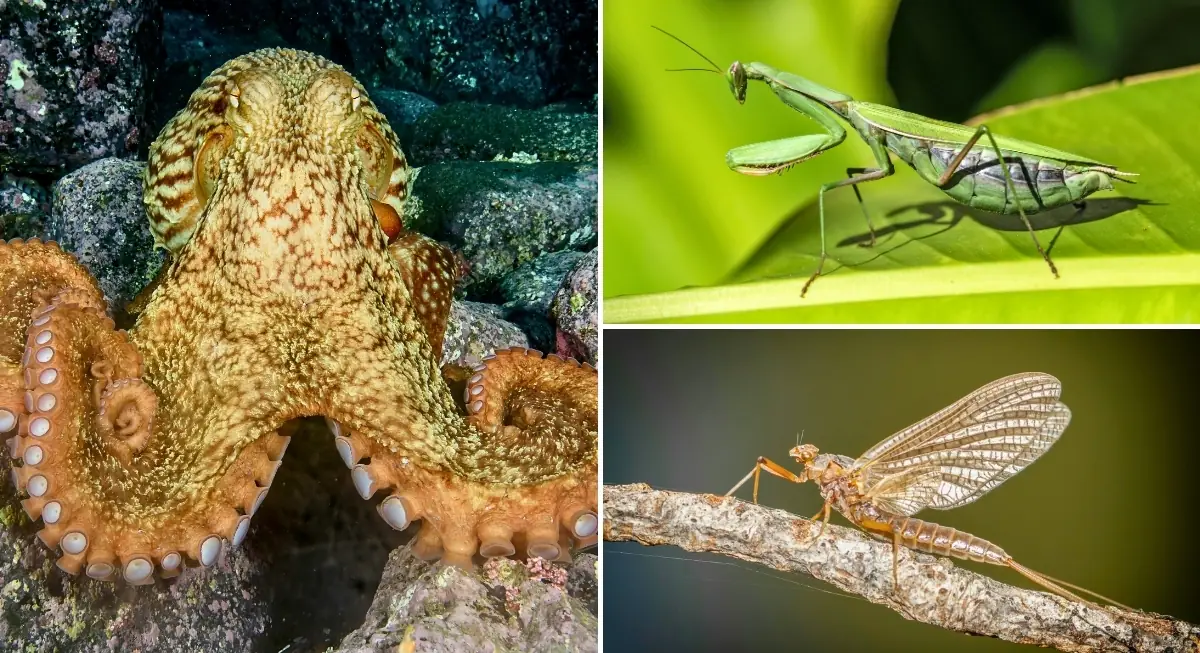
Life doesn’t hand out long-term contracts to every species. For a few animals, birth marks the start of a one-way trip with reproduction as the sole mission. These creatures are born, they breed, and then they’re done. Nature can be efficient—sometimes brutally so. Here are 10 animals that arrive in the world already scheduled for an early exit.
Mayflies Live Fast, Then Really Fast-Forward to the End
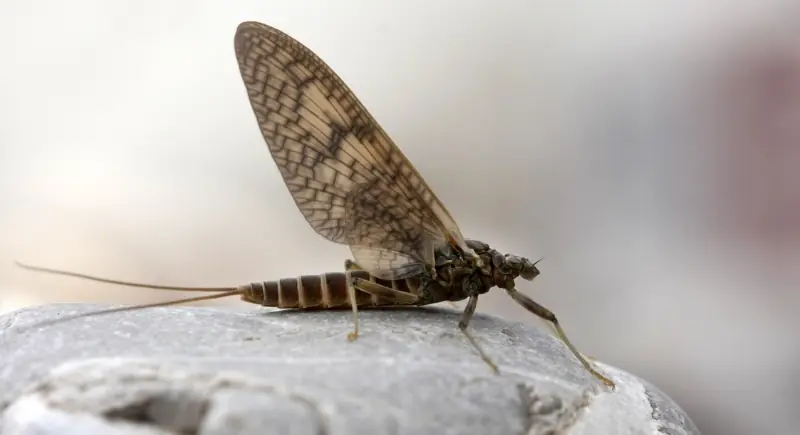
Adult mayflies don’t eat, as they don’t have working mouths. After living up to a year underwater as larvae, they break free, fly around for just a day or two, mate in massive swarms, and collapse. That’s it. Their brief adult lives are solely for reproduction.
Pacific Salmon Turn Upstream and Tap Out
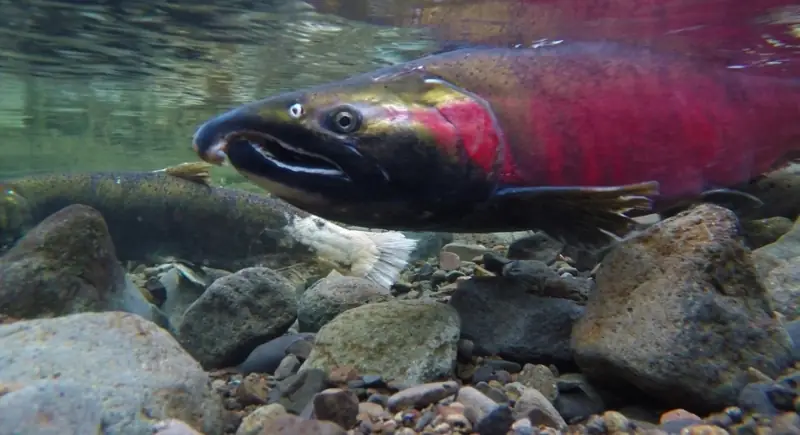
Pacific salmon practically self-destruct as they swim upstream. Once they reach their birthplace, they spawn, fertilize eggs, and immediately fall apart. Hormonal changes shut down their systems. They’re alive just long enough to finish spawning, then vanish where they began.
Labord’s Chameleons Skip Old Age Altogether
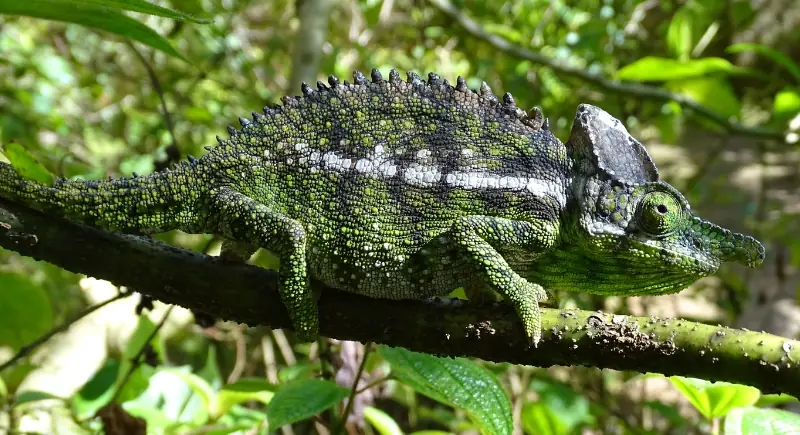
In Madagascar, one species of chameleon hatches, grows, mates, and says goodbye all within a few months. Labord’s chameleons live faster than any other land vertebrate. The eggs incubate longer than the adults live. By the time the rainy season ends, they’re all gone—except the next batch, still waiting in the soil. It’s an annual reboot with no survivors.
Praying Mantises Make Mating an Occupational Hazard
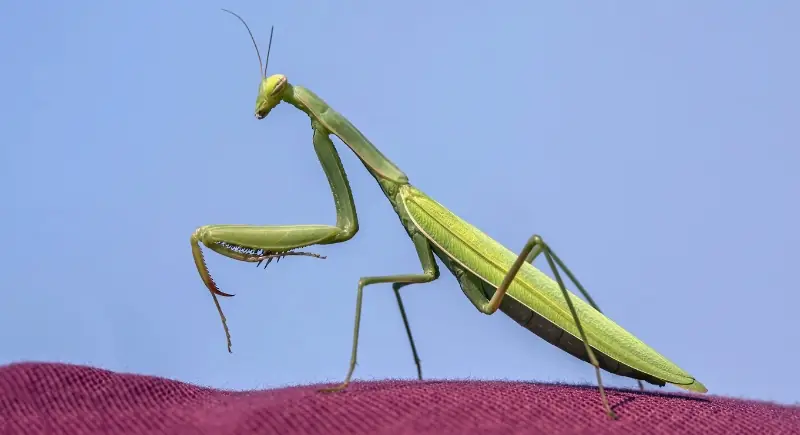
Male praying mantises approach females with more caution than confidence. That’s because in many species, mating ends with the female turning him into a post-romantic snack. She may eat him during or after mating. It’s not guaranteed, but it’s frequent enough to count. For males, reproductive success might mean becoming dinner with benefits.
Giant Pacific Octopuses Don’t Just Lay Eggs—They Babysit to Death
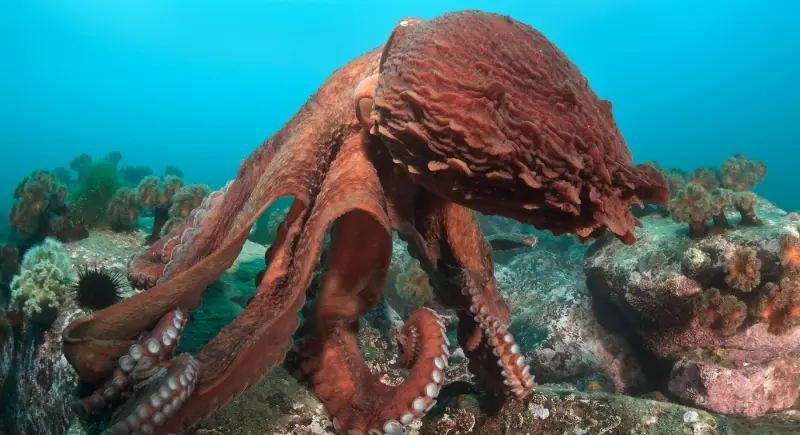
Once a female giant Pacific octopus lays her eggs, she enters a marathon of maternal care with no food, breaks, or escape. For months, she guards and cleans the eggs nonstop. Eventually, her body shuts down, by design. She withers away near her brood, collapsing as they begin to hatch.
Aphids Pop Out Daughters, Then Drop Off
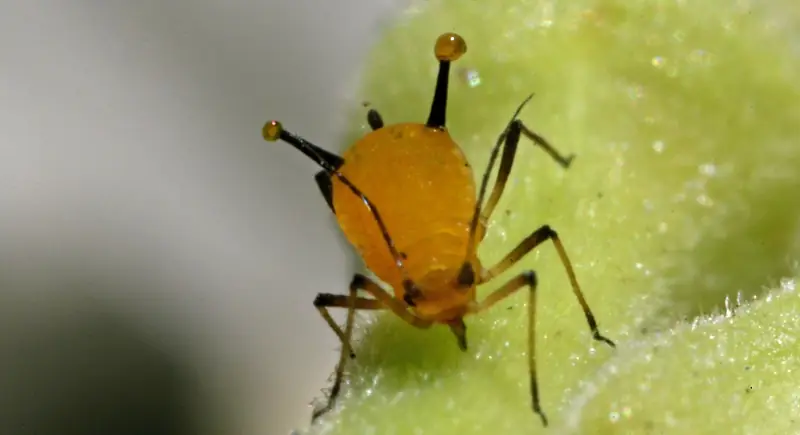
These tiny plant-suckers are born ready to go. Female aphids can give live birth without needing males, and sometimes their offspring are born already pregnant. It’s a reproductive relay race, but this shortcut to expansion wears them out fast. They breed in overdrive and often vanish young, exhausted by their own productivity.
Desert Velvet Spiders Go Out With a Gut-Punch
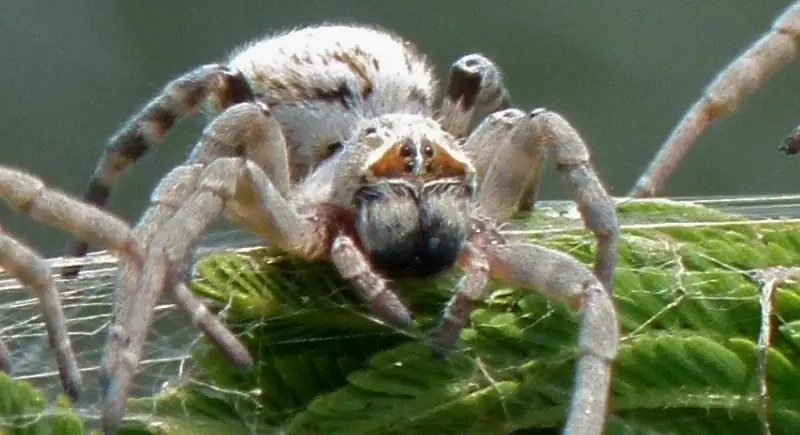
Female desert velvet spiders do parenting very differently. First, they regurgitate food to their spiderlings. Then the babies move on to eating her. Yes, the mom. It’s called matriphagy, and it means the mother becomes the first real meal for her offspring.
American Eels Have One Final Swim
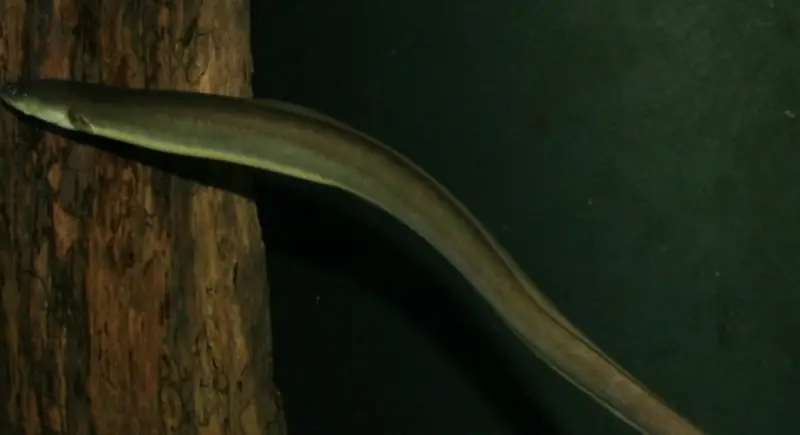
They grow up in rivers, some as far inland as the Great Lakes. Then American eels travel thousands of miles to the Sargasso Sea, where they breed once and vanish. Scientists still haven’t witnessed the entire spawning event, but the outcome’s clear. After they release their eggs, they don’t return. Their journey ends in the open ocean.
Brown Antechinus Males Go Out in a Hormonal Blaze
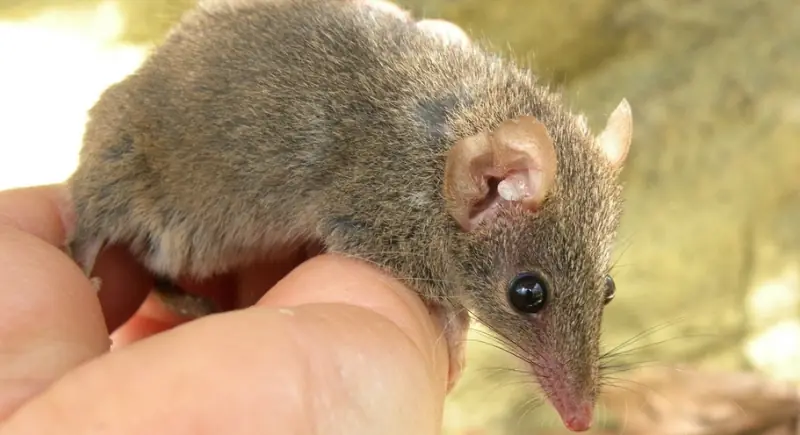
This Australian marsupial might look like a mouse, but the males have an unusual ending. During breeding season, their stress hormones skyrocket. They stop sleeping. Their bodies break down. After a few weeks of relentless mating attempts, they collapse en masse. It’s nature’s version of burnout, only permanent.
Humboldt Squid Reproduce and Then Fall Apart
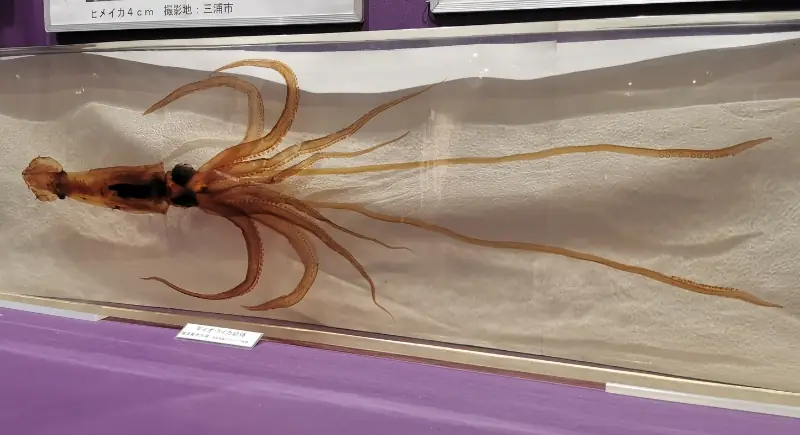
Living fast in the Pacific Ocean, Humboldt squid grow quickly and live only a year or two. When the time comes, both release their eggs or sperm into the water. Afterward, they stop feeding and grow listless. Their bodies decline fast, and predators usually finish the job.





