
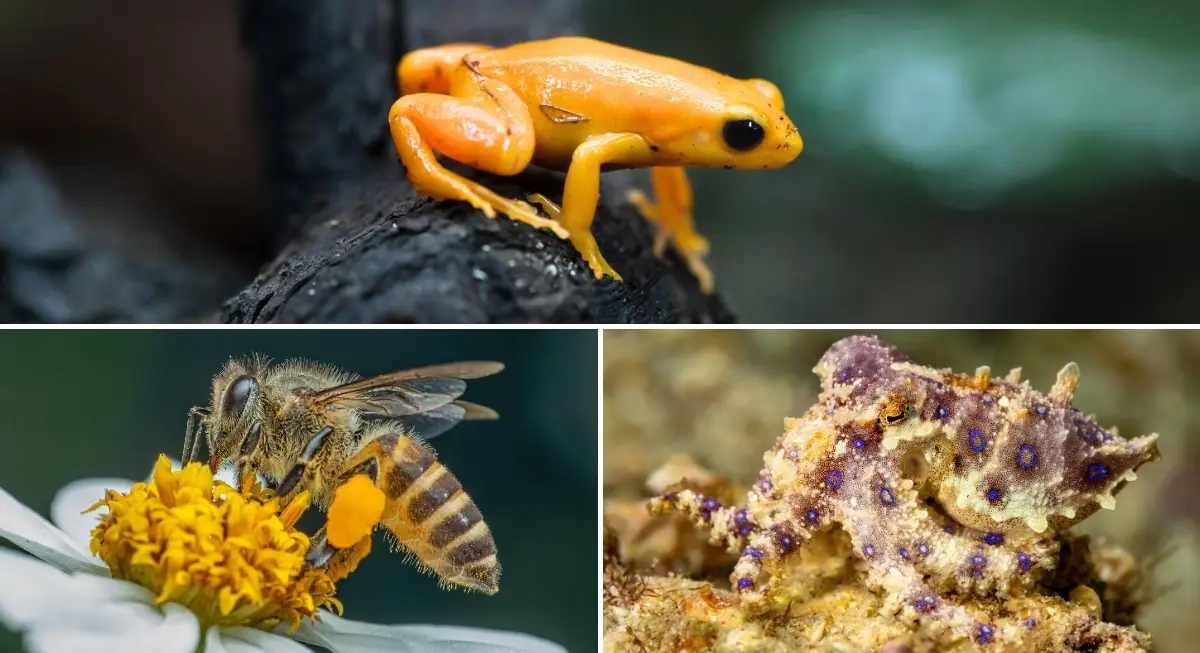
We tend to trust our instincts when it comes to animals. When we see a small body, soft features, or slow movements, we assume the creature is harmless. That assumption can be dangerously wrong. Some animals that seem gentle or even cute may carry venom, powerful compounds, or overwhelming strength. They can inject chemicals that shut down nerves or unleash sudden force that the human body cannot withstand.
Australian Box Jellyfish
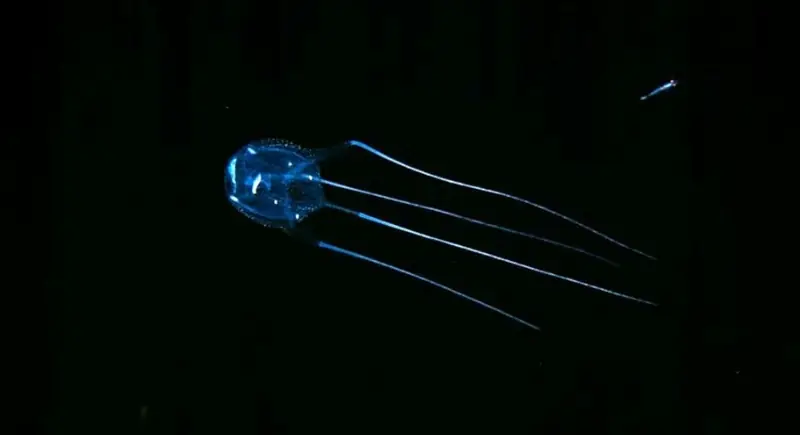
Nearly transparent in the water, this jellyfish can drift past swimmers unnoticed until contact occurs. The Australian box jellyfish trails tentacles that release microscopic, venom-filled darts upon contact. The sting produces intense pain, and severe envenomation can disrupt heart function rapidly. Cardiac arrest has occurred in as little as two minutes.
Inland Taipan
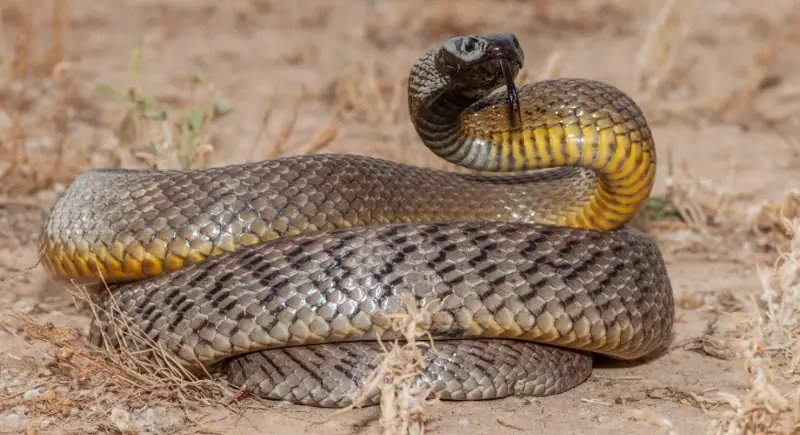
It is rare for people to encounter this reclusive snake in remote parts of Australia, but it has extraordinary venom potency. The inland taipan can inject enough lethal chemical compounds in one bite to take the lives of close to one hundred adults. Early symptoms include headache, blurred vision, and muscle weakness.
Tiger Puffer
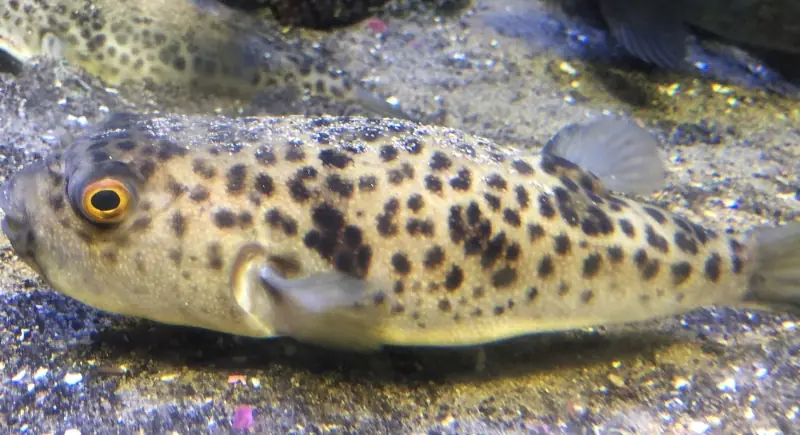
On a plate, it looks like an ordinary seafood dish, yet preparation demands strict training and licensing in Japan. This is because tiger puffer contains tetrodotoxin, which is concentrated in its organs. This toxin blocks communication between nerves and muscles. Numbness near the mouth often appears first, followed by progressive paralysis.
Blue-Ringed Octopus
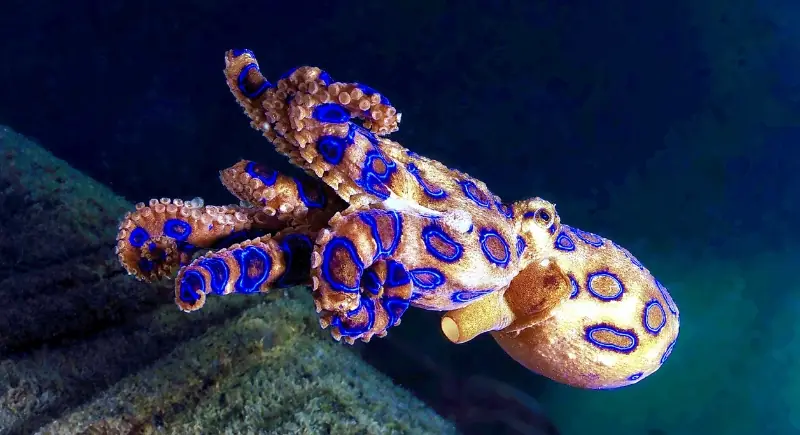
When the blue-ringed octopus feels threatened, bright blue rings flash across its small body as a clear warning. That display signals the presence of tetrodotoxin, a powerful neurotoxin that disrupts nerve signals and prevents muscles from functioning. A bite can feel painless at first, which increases the danger. Tingling and weakness may quickly progress to full respiratory muscle failure within minutes.
Sydney Funnel-Web Spider
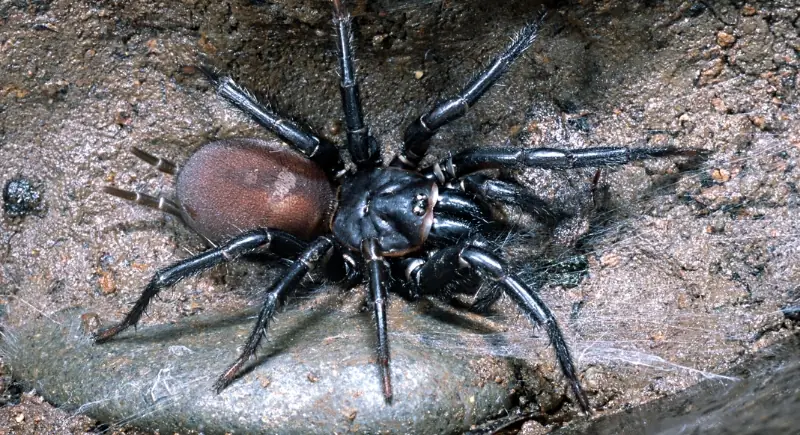
If you disturb a Sydney funnel-web spider near its silk-lined burrow, it can deliver a poisonous bite, which targets the nervous system and begins acting almost immediately. Because symptoms escalate so quickly, Australia developed an antivenom program in 1981, and since then, no fatalities have been recorded. Yet immediate medical treatment remains essential after any suspected bite.
Reticulated Python
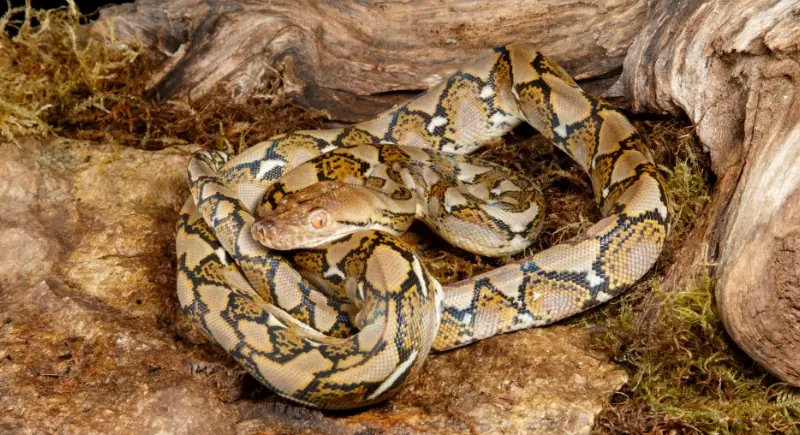
A reticulated python uses its immense body and muscle power to overpower prey, and it can attack you if the opportunity arises. It strikes, then wraps thick coils around the victim and tightens with steady pressure. The force restricts blood circulation, which prevents the heart from pumping effectively.
Killer Bees
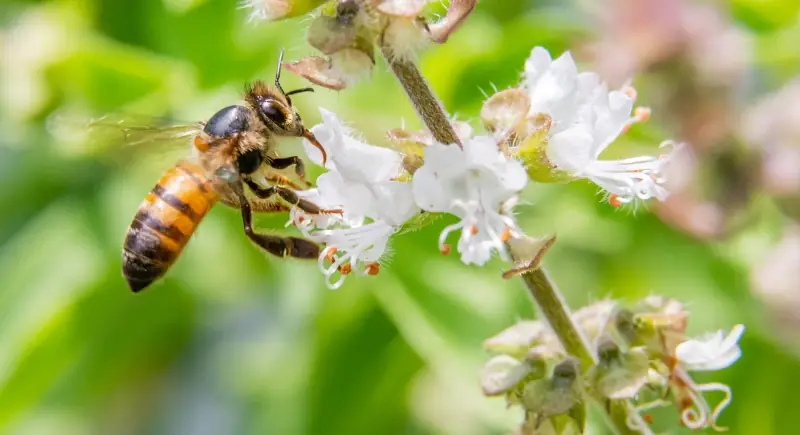
The real threat of killer bees does not come from a more potent neurotoxin but from overwhelming numbers. They are a hybrid of African and European honeybees and respond aggressively to perceived threats. Instead of sending a few defenders, the entire colony may attack at once.
Golden Poison Frog
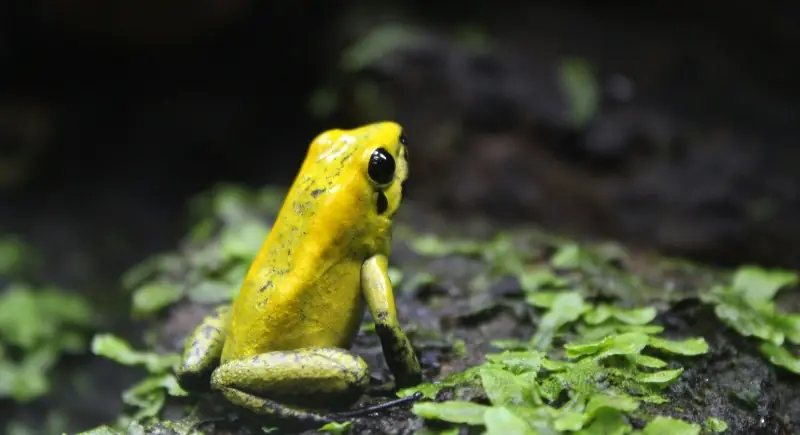
You might see a bright yellow frog in the Colombian rainforest and assume it poses no threat. However, that animal, namely the golden poison frog, secretes batrachotoxins through its skin, which interfere with normal nerve cell function. A single adult carries enough poison to end the lives of around twenty individuals. Indigenous communities once used these substances on hunting darts, and the poison can remain active for years.
Cone Snail
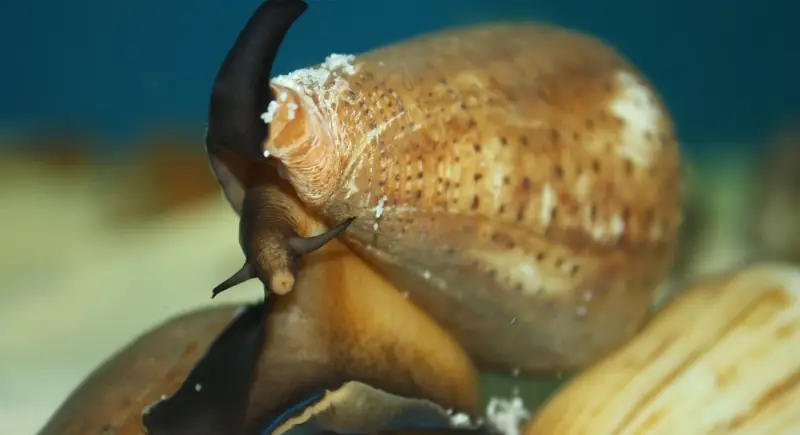
People who walk along tropical shores or dive in shallow reefs should stay alert for patterned shells that look decorative and harmless. The cone snail hides inside such shells and carries a harpoon-like tooth loaded with toxic secretion. When handled, it can inject chemical agents into the skin and cause paralysis and respiratory failure.
Hippopotamus
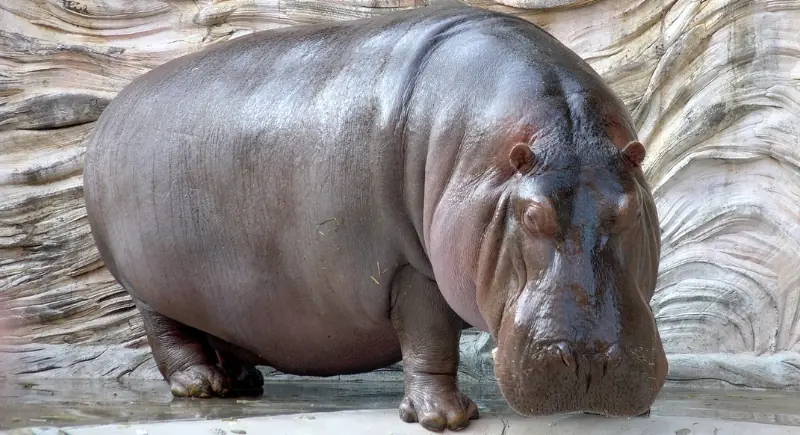
Though they look calm near rivers and lakes, hippopotamuses can become suddenly aggressive when they feel their territory is being invaded. They rank among the most dangerous large animals in Africa, with adults weighing up to 3,000 pounds and moving at nearly 19 miles per hour on land. Their jaws open wide and generate an immense bite force.





