
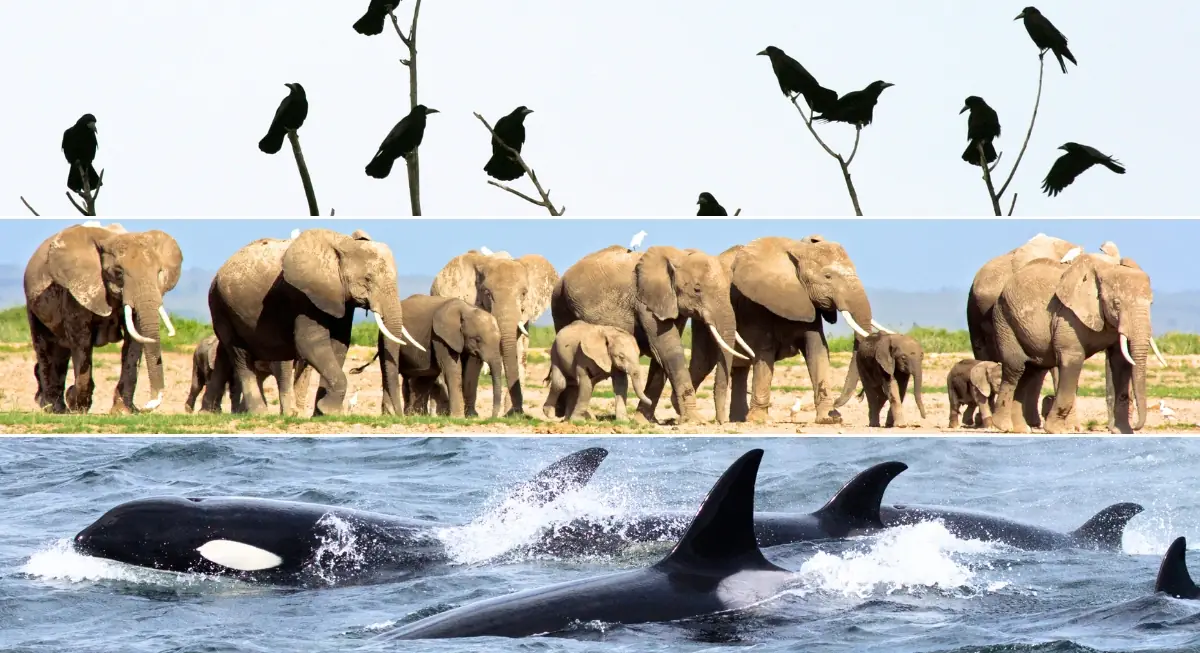
For years, animal behavior was explained as instinct or routine survival. New research is expanding that view. Scientists now use machine learning and long-term observation to analyze communication patterns, group structure, and learned behavior with far more precision. This has revealed that many species operate within structured systems where roles, signals, and shared behaviors shape how groups function over time.
Dolphins Use Individual “Names” to Maintain Relationships

Identity is built into the sound system among bottlenose dolphins. Each animal develops a signature whistle that serves as a personal label, and others use it to reconnect with it later. That matters because dolphin groups are fluid. Members split and rejoin, yet still maintain stable relationships because recognition does not depend on staying side by side.
Orcas Pass Down Hunting Traditions Through Generations
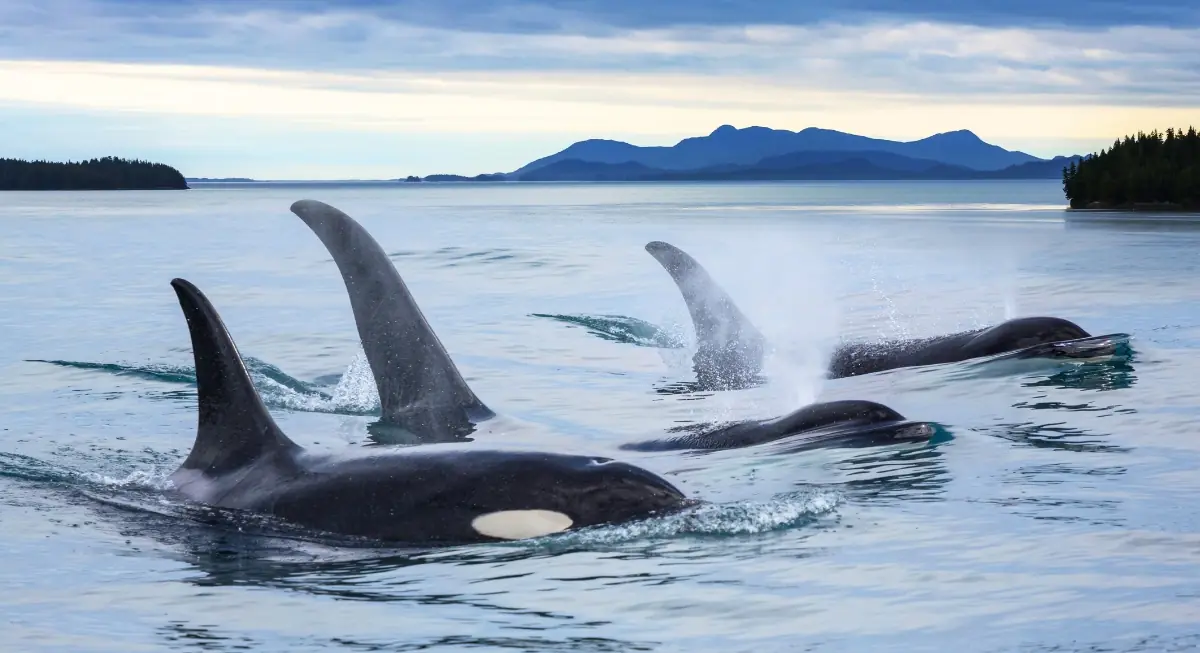
Orcas don’t just hunt as a group. Each pod develops its own way of doing it, shaped by what they eat and how they’ve learned to catch it. Younger whales learn these techniques by watching and following older ones, so the approach is passed down over time. Some pods focus on fish, others go after marine mammals, and even their calls differ. Together, these habits create a clear identity that sets each pod apart.
Prairie Dogs Use Detailed Calls to Describe Threats
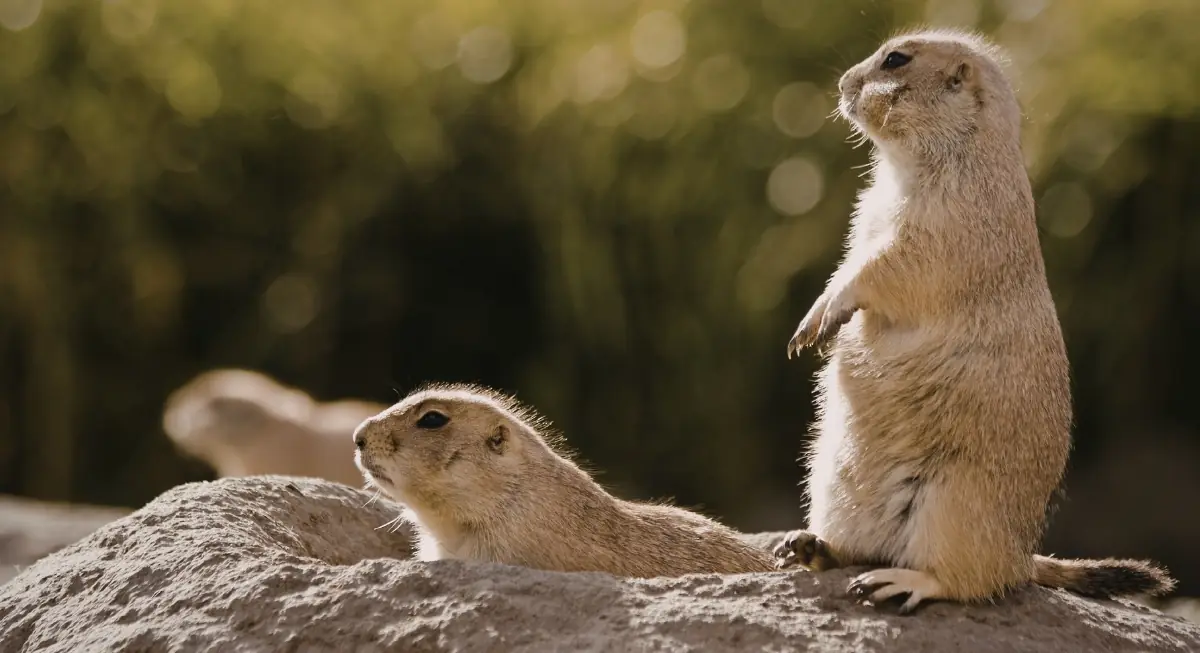
Research shows that prairie dog alarm calls change based on the predator and include details such as type, size, and speed. Each call works as a specific message rather than a general warning. Other members of the colony use that information to decide how to move and how to respond to the threat.
Chimpanzees Build Alliances That Shape Group Power
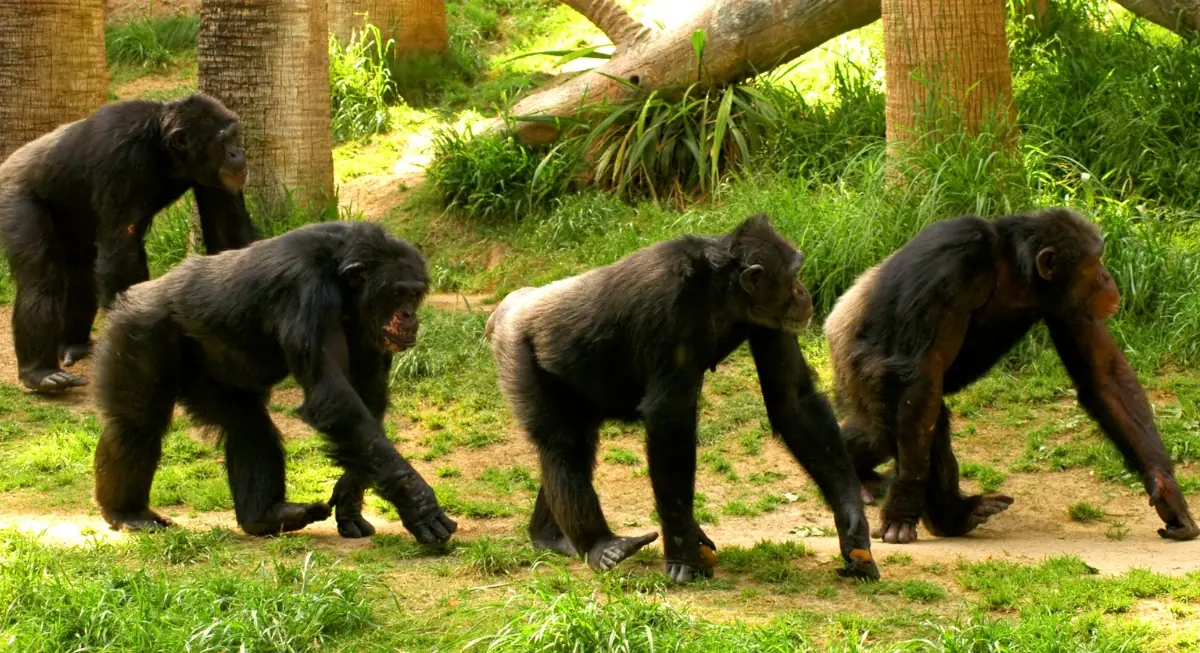
Power in a chimpanzee community is rarely just brute force. Status often depends on alliances built through grooming, food sharing, and mutual support during conflicts. A high-ranking male usually holds that position because he has backing, not because he is strongest in every encounter. Their politics run on relationships, favors, and timing, which makes the social structure far more strategic than it first appears.
Hyenas Inherit Rank and Navigate a Structured Social Ladder
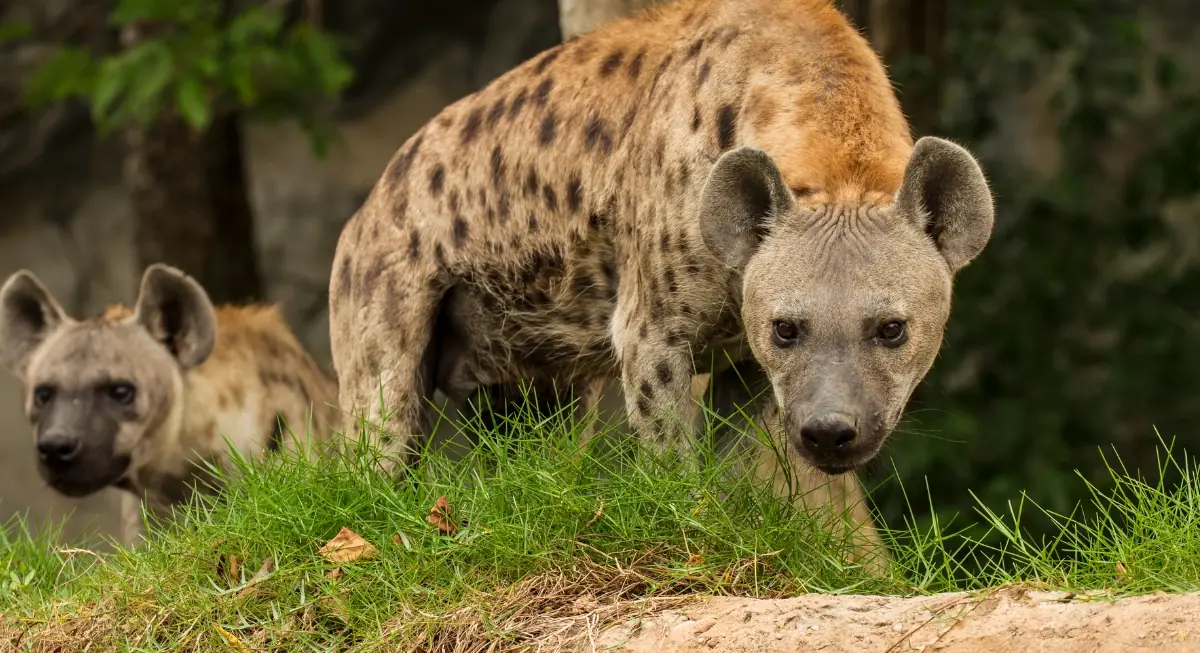
Spotted hyena society follows a clear structure that takes shape early in life. A cub’s rank comes largely from its mother, and that position influences access to food, space, and protection. Clan members recognize each other and act according to that hierarchy, which keeps the system stable over time. What looks chaotic around a carcass usually reflects a strict order, with each animal taking its place in the social ladder.
Meerkats Teach Survival Skills Through Guided Practice
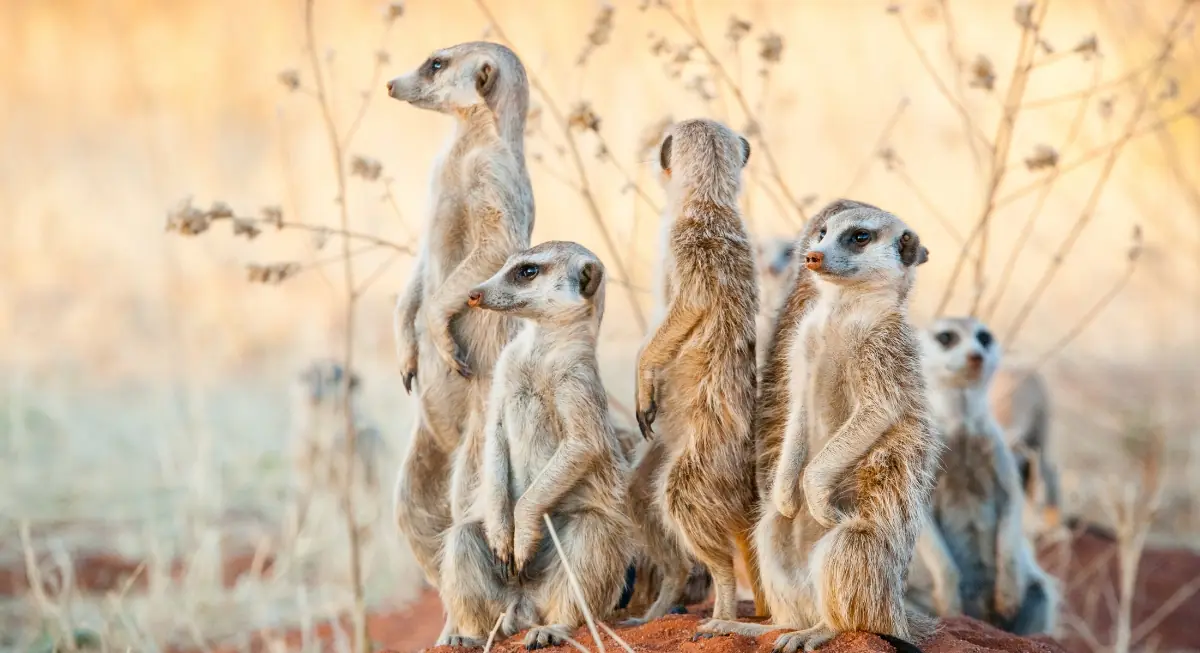
Meerkat pups learn through direct guidance from adults. Older group members introduce prey in stages, matching the difficulty to the pup’s age and ability. Younger pups receive safer, easier prey, while older ones handle more challenging targets. This step-by-step approach builds real skill over time and turns survival into a deliberate teaching process instead of trial and error.
Ant Colonies Function as Coordinated Systems
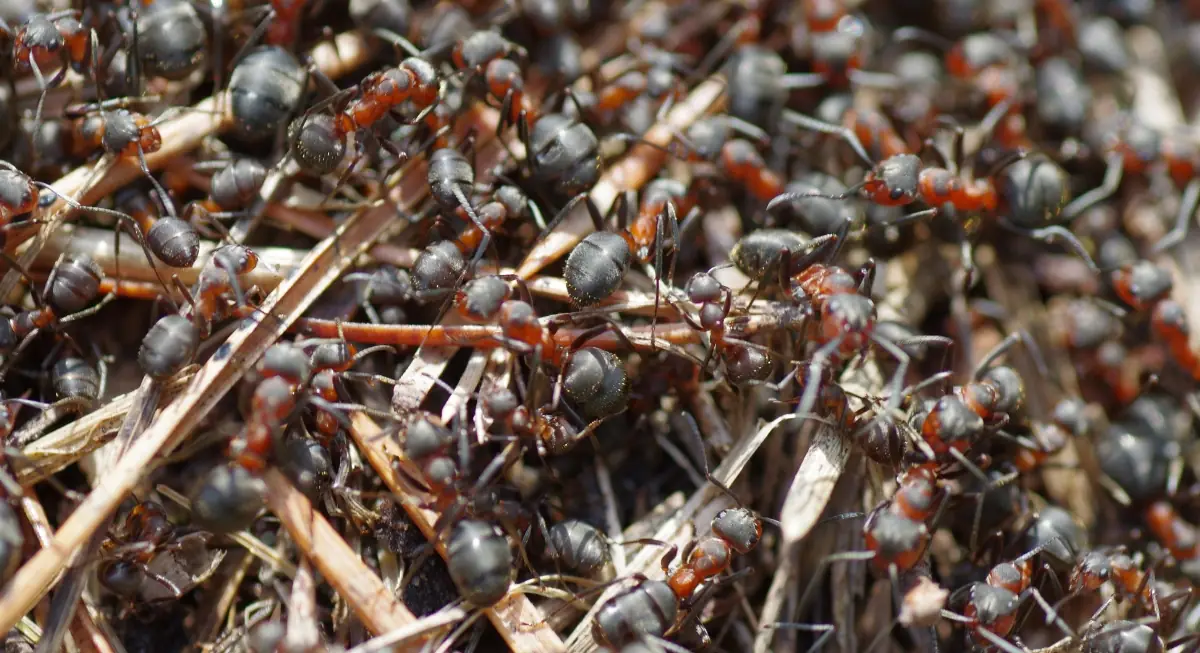
Some ants gather food, others defend the colony, and others care for eggs and larvae, all while pheromone trails direct traffic and priorities. No single ant oversees the operation, yet the group solves logistical problems with impressive efficiency. Their social culture comes from coordination at scale, where shared chemical signals hold the entire system together.
Crows Share Knowledge About Threats Across Groups
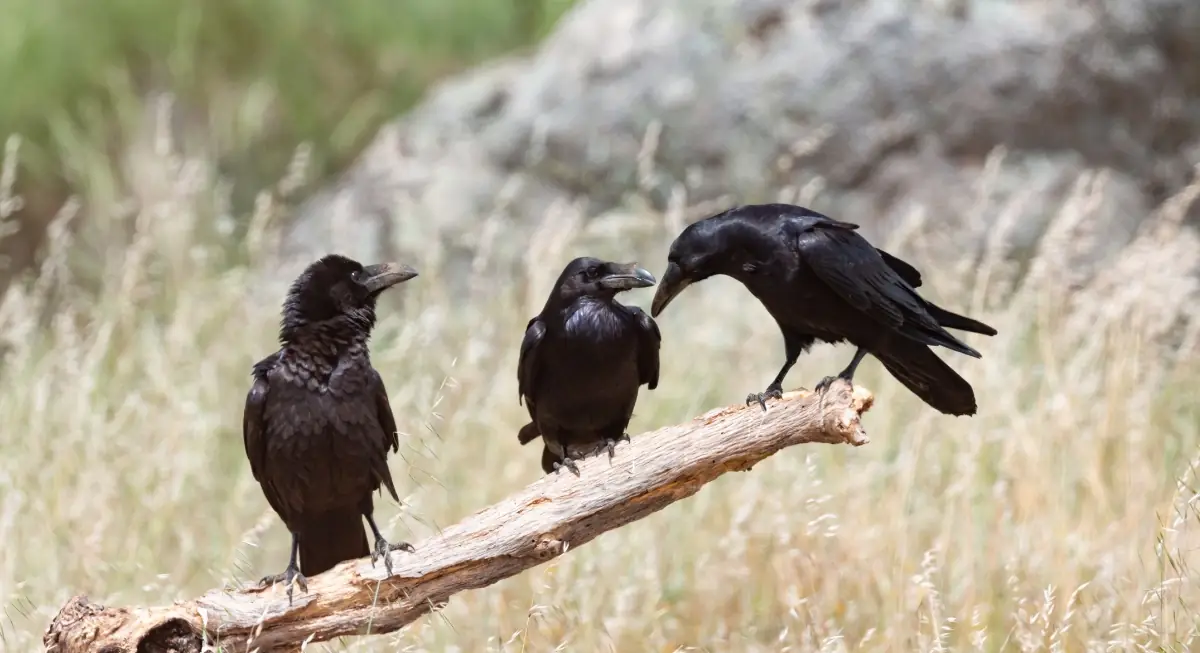
Crows remember faces, especially when a human has posed a threat. More strikingly, they do not keep that information to themselves. Other crows can learn who to avoid without witnessing the original event. That means danger becomes social knowledge, not just personal memory. A single encounter can ripple outward until an entire group responds to someone it collectively recognizes as risky.
Parrots Learn and Adapt Vocal Patterns Within Their Flocks
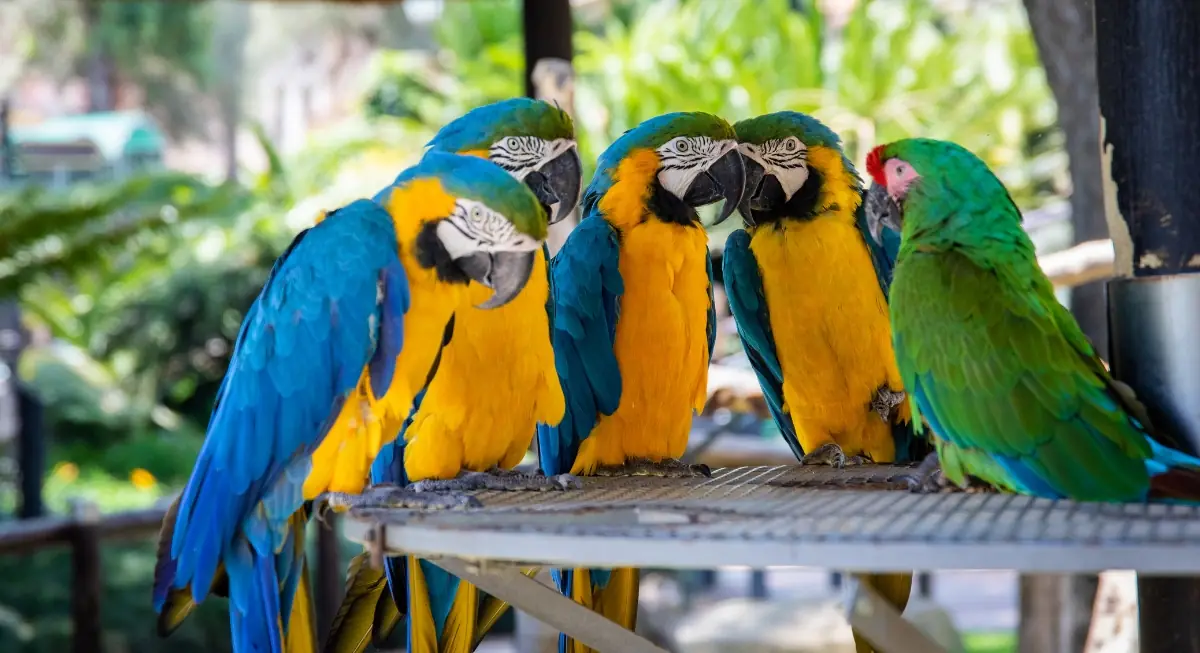
A parrot flock depends heavily on learned sounds. Individuals pick up vocal patterns from one another, which helps them stay integrated into the group and maintain bonds over time. These are not fixed, automatic sounds produced in isolation. They are shaped socially, adjusted through interaction, and reinforced within the flock, giving communication a flexible quality that looks a lot like cultural learning.
Elephants Rely on Memory to Guide Group Decisions
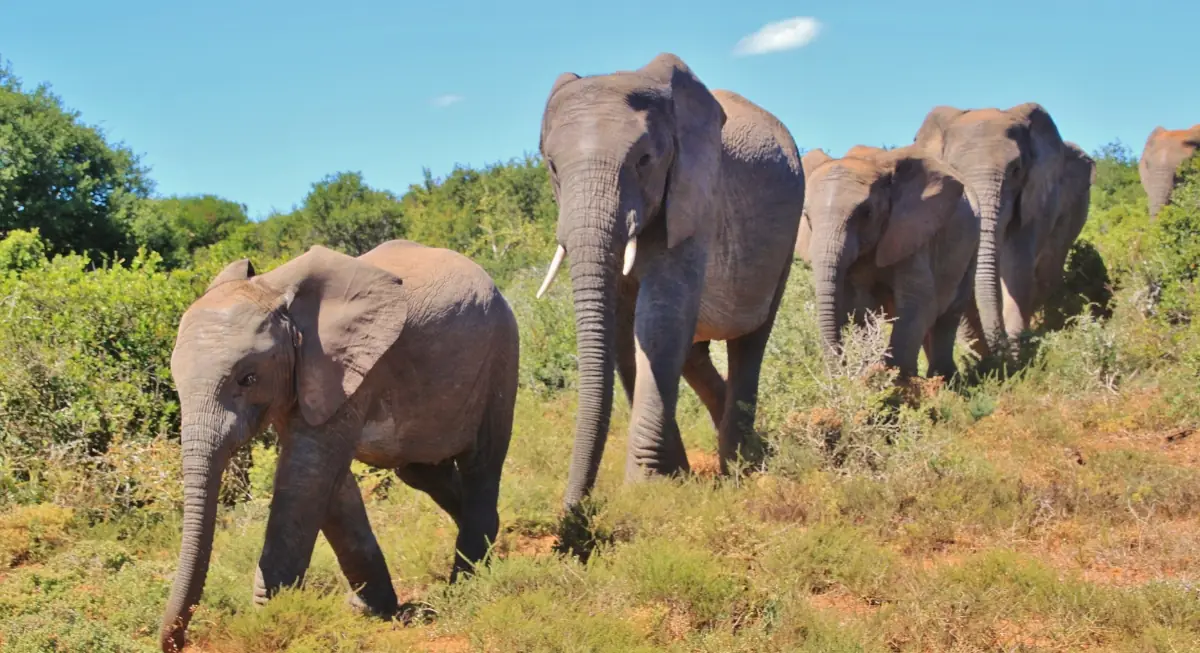
In elephant herds, leadership depends on remembered experience. Matriarchs guide movement, help the group locate resources, and influence how it responds to danger, drawing on knowledge accumulated over the years. That memory is socially valuable, not just personal. When one older female remembers routes, seasons, or past threats, the entire herd benefits from decisions built on experience carried across generations.





