
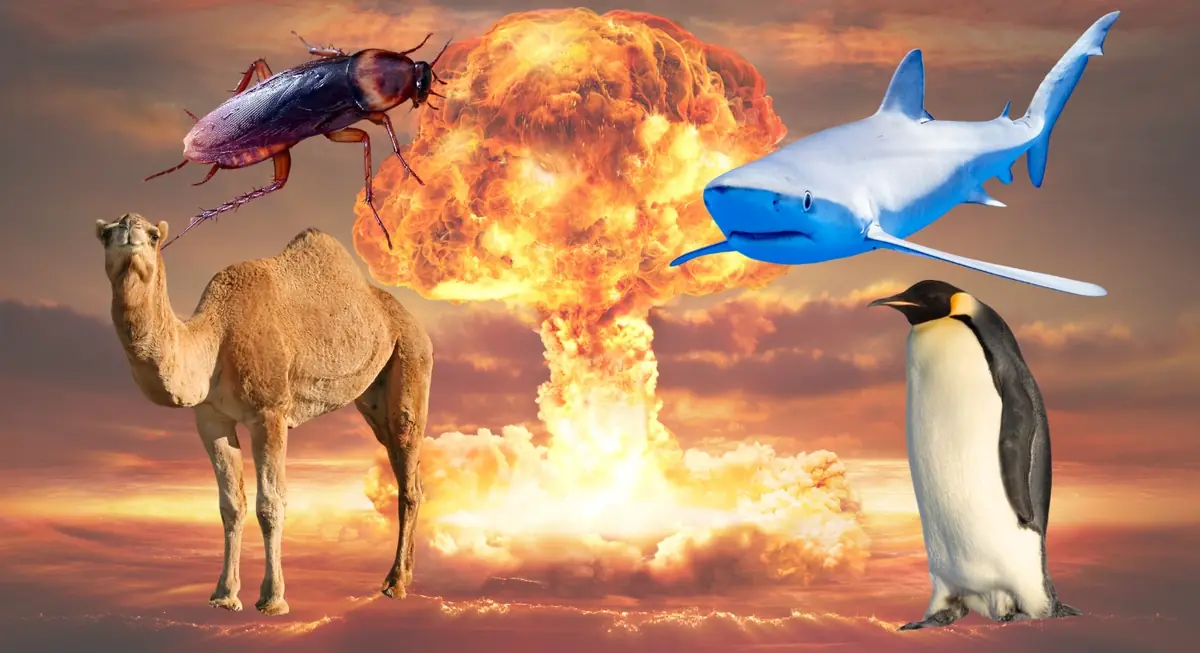
Surviving a global disaster would take more than luck. It will require serious adaptability, resilience, and a little built-in toughness. While humans might struggle in the face of major world-ending events, plenty of animals would have a real shot at pulling through.
Here’s a look at some creatures that could outlast the worst the planet can throw at them.
Cockroaches
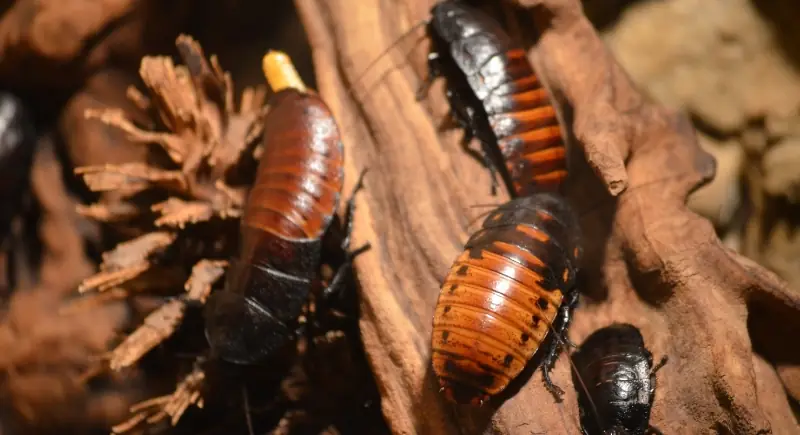
If anything will outlast the end of the world, it’s the cockroach. These little bugs are evolving at lightning speed, shrugging off toxins and developing resistance faster than scientists can keep up. They can live on anything they find, especially when food gets scarce.
Mummichog
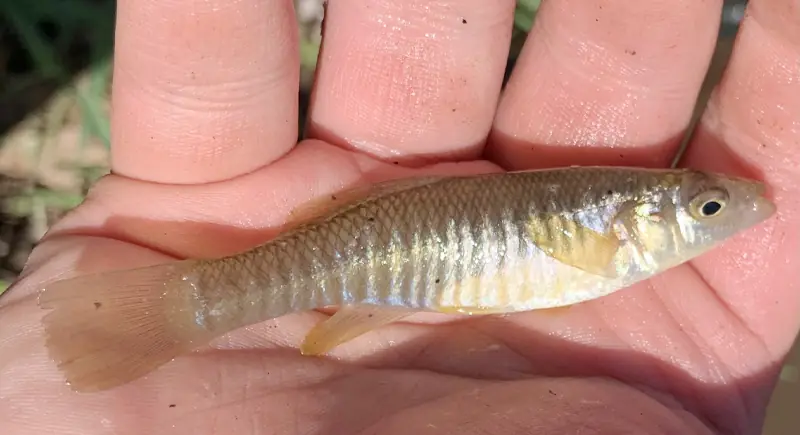
Some fish are delicate, but the mummichog is not one of them. This scrappy little swimmer can thrive in polluted water that would knock out almost everything else. Scientists have found that mummichogs evolve mutations that switch off the usual chemical damage caused by toxins.
Vultures
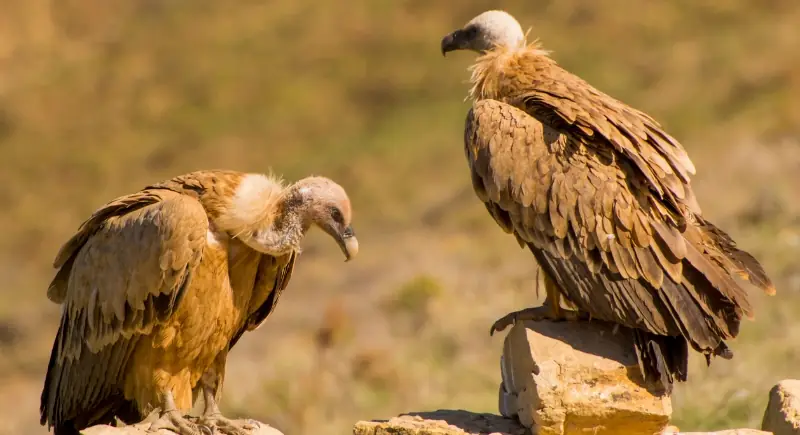
In a chaotic and decaying world, someone must clean up the mess. Vultures are more than ready for the job. With stomach acid strong enough to dissolve some of the nastiest bacteria, these birds could thrive even if every meal had a side of infection.
Sharks
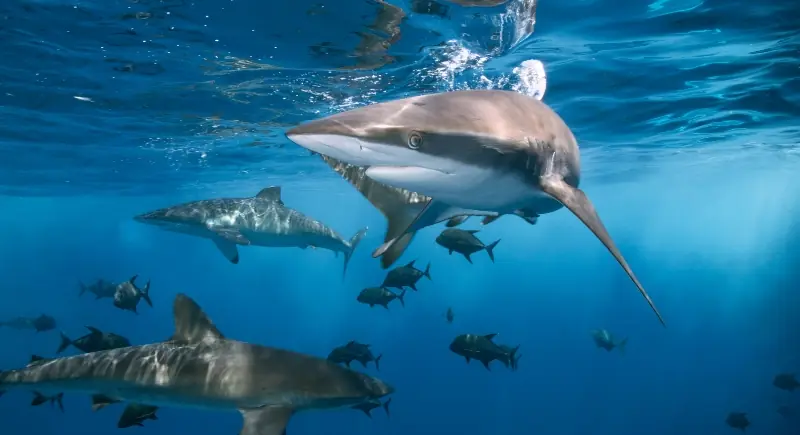
Sharks were already cruising Earth’s oceans long before trees took root and Saturn got its rings. Greenland sharks, in particular, have seen centuries pass, including wars, plagues, and nuclear tests.
Emperor Penguins
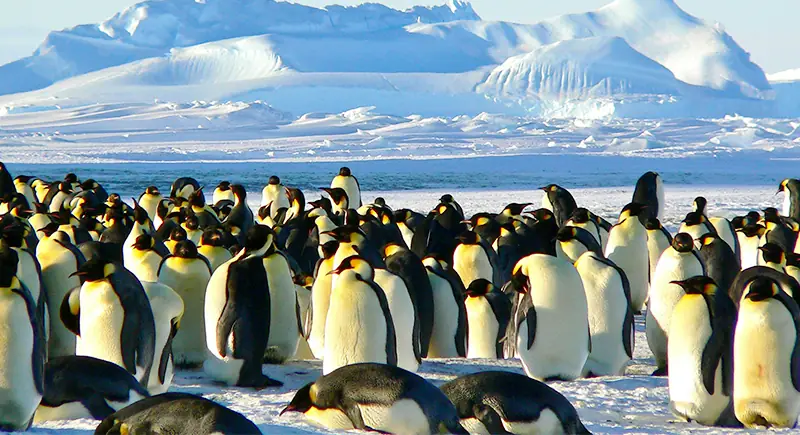
While most creatures may tap out at the first sign of brutal cold, emperor penguins have been thriving in temperatures that could shut down any living thing. Brutal winds? Negative 58°F? They barely blink. These birds live so remotely that a global disaster might miss them entirely. They’ve got fat reserves, grit, and logistics on their side.
Tardigrades
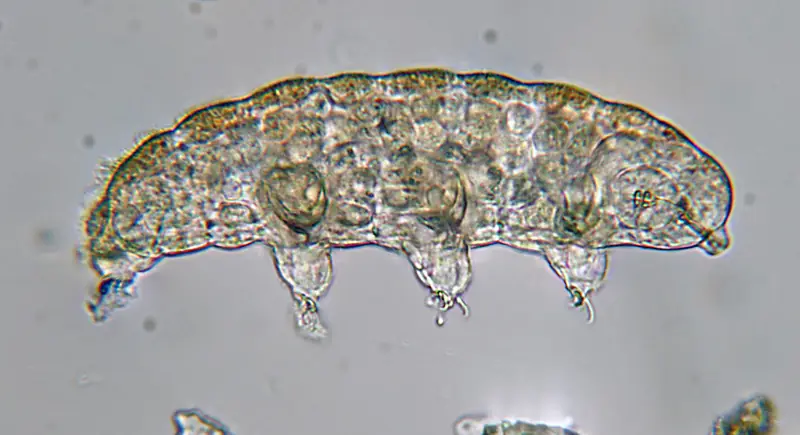
Size isn’t everything, and tardigrades prove it. These microscopic marvels have survived everything from being frozen solid to being blasted by radiation and floated around in space. Thanks to a special protective protein in their cells, they take cosmic calamities in stride.
Triops
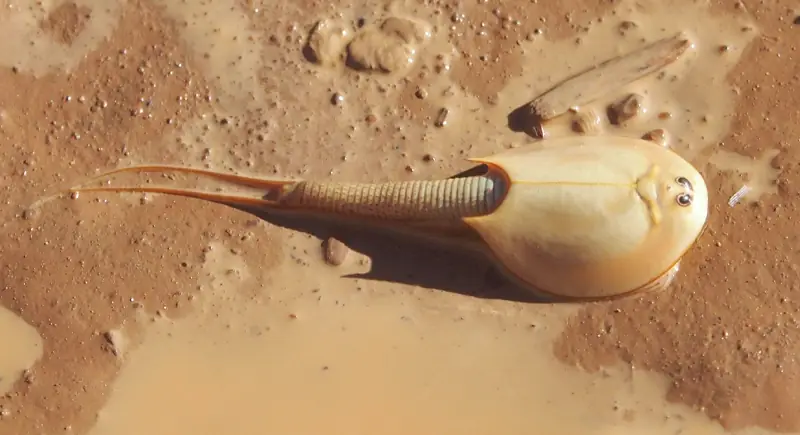
When times get tough, Triops hit the pause button. Their tiny, armored eggs can make it through insane extremes, including radiation, desert heat, and Arctic freeze. Digestion doesn’t stop them either: birds have eaten Triops eggs, only for the eggs to emerge completely unharmed.
Hydra
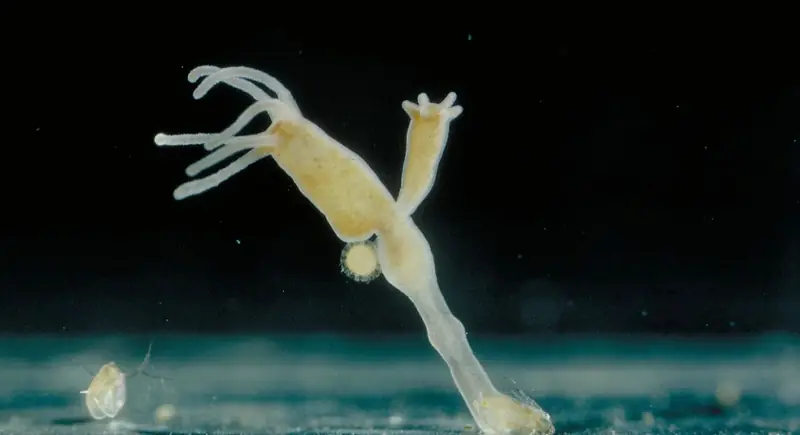
It’s hard to knock down a creature that can regrow its body parts like it’s no big deal. Hydras, tiny freshwater animals, endure injury and rebuild themselves entirely. Lose a limb? No problem. Lose a head? Much better. They can reform into a brand-new hydra from scraps. Talk about a backup plan.
Red Flat Bark Beetle
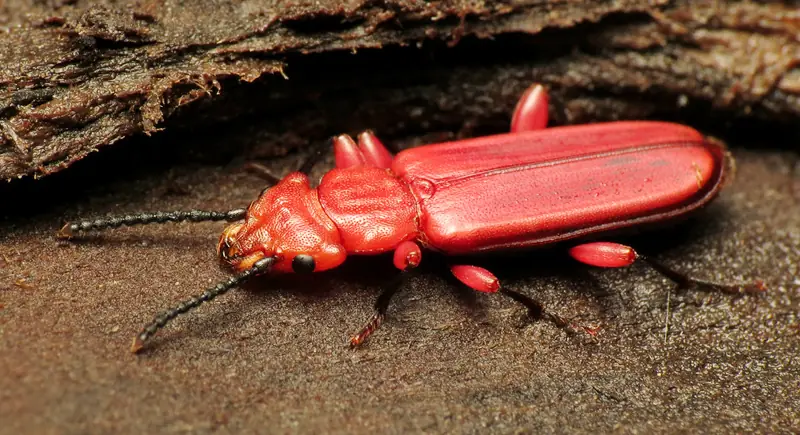
Cold doesn’t mean much to the red flat bark beetle. These little survivors can chill out completely frozen for months and return to life once it warms up. When calamity strikes and temperatures swing wildly, expect to find them trucking along.
Alligator
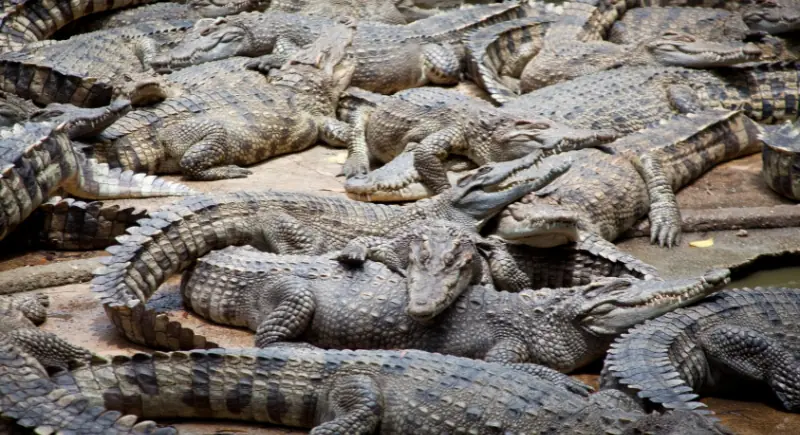
Ancient, armored, and in no hurry to change, alligators have lived through mass extinctions and drastic climate shifts for millions of years. These living fossils can weather floods, droughts, and cold snaps by hunkering and waiting it out.
Mariana Snailfish
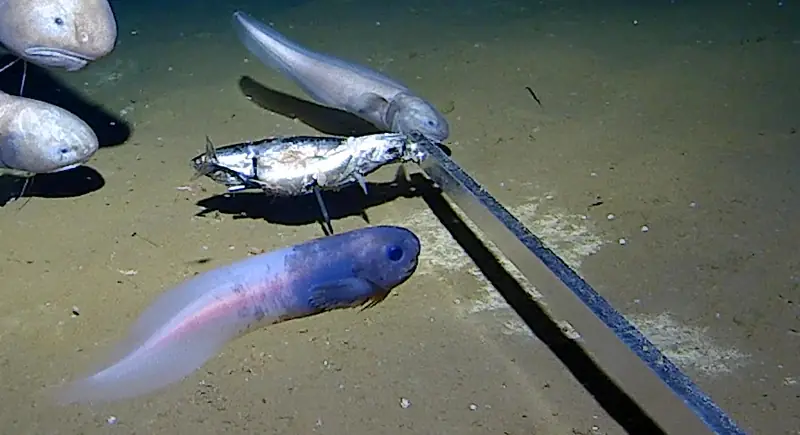
If life gets pushed to the brink, some creatures won’t notice. Deep down in the Mariana Trench, the snailfish lives under crushing pressure, freezing temperatures, and total darkness.
Planaria Flatworm
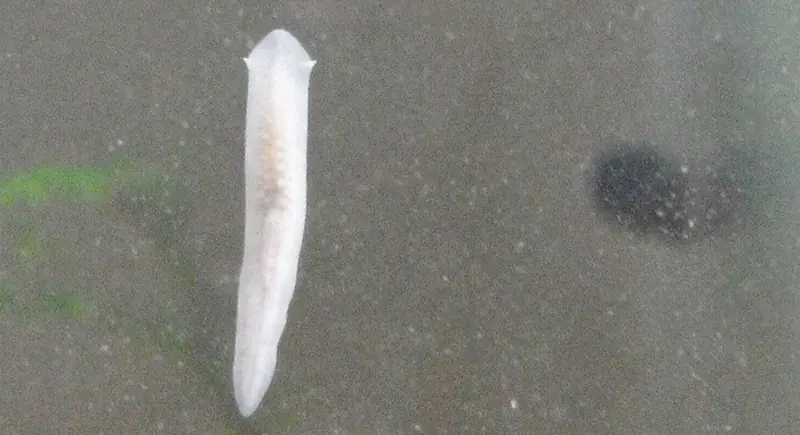
You could slice a planaria flatworm in half and still lose the fight. These flatworms regenerate entire bodies in days, including new brains and eyes. Planaria adapt to whatever environment they find.
Antarctic Glass Sponge
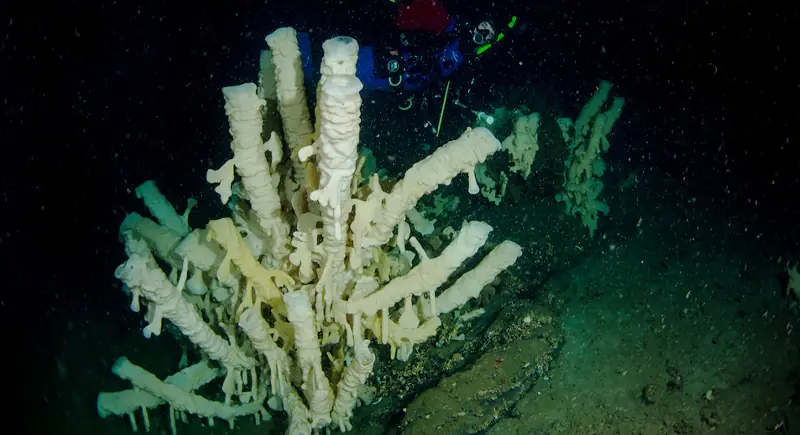
Slow and steady truly wins the race. Deep beneath the Antarctic ice, the glass sponge grows at a pace so slow it’s almost unbelievable. Some individuals are older than recorded history. Their skeletons, made from a natural form of glass, give them toughness few can match.
Camel
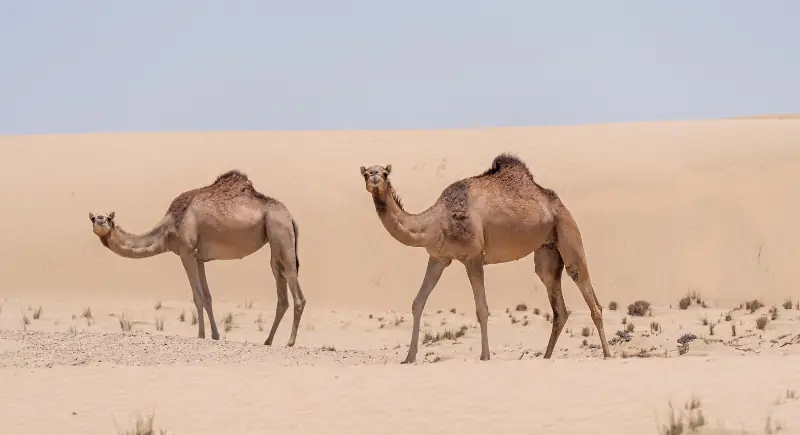
When food and water dry up, camels barely flinch. Built for life in extreme deserts, they can go for months without drinking and withstand wild temperature swings from freezing to blazing hot. Their ability to store fat and moisture in their humps gives them a serious advantage when resources vanish.
Devil Worm
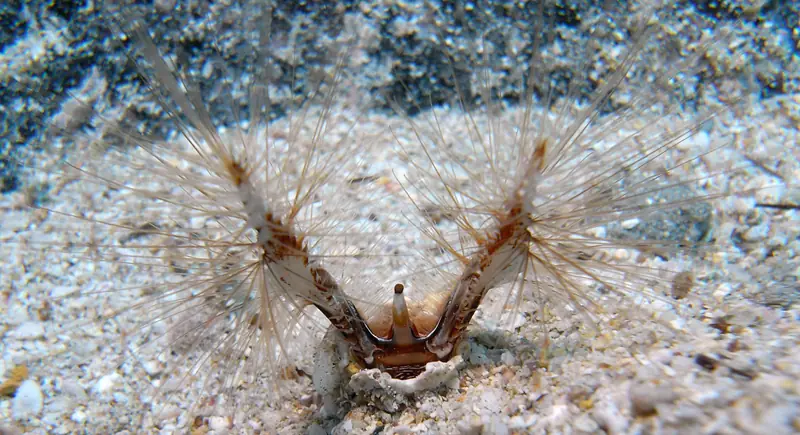
Buried more than two miles underground, the devil worm lives in complete isolation. Crushing pressure, extreme heat, and no oxygen are simply home sweet home for these species.
Ants
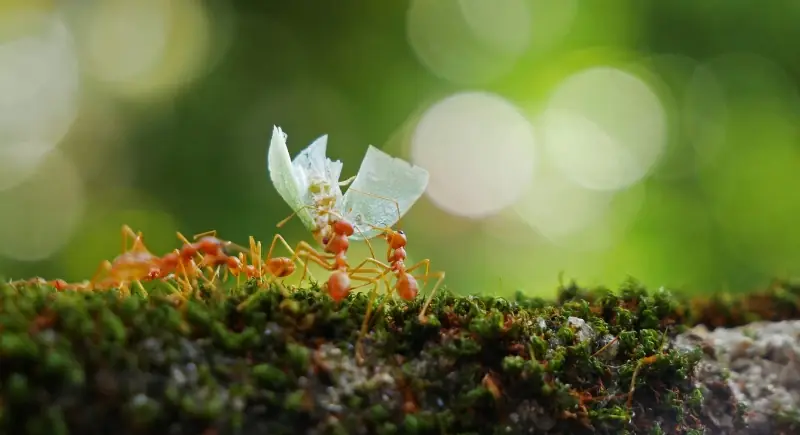
They’re tiny, they’re everywhere, and they’re smarter than they look. Ants have evolved a brutal but effective system to survive plagues: they sacrifice infected colony members to protect the whole. Spread across nearly every continent and adapted to every climate, ants are likely to swarm their way right through any global meltdown without breaking a sweat.
Wood Frog
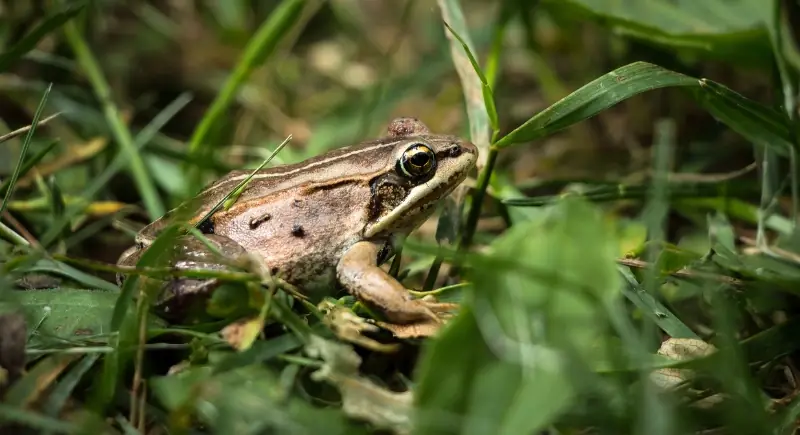
The Wood Frog has a trick that feels almost impossible. It can freeze solid during winter, with its heart stopping and body turning rigid, then thaw back to life when temperatures rise. This ability to survive extreme cold and oxygen loss makes it one of the toughest small animals around.
African Lungfish
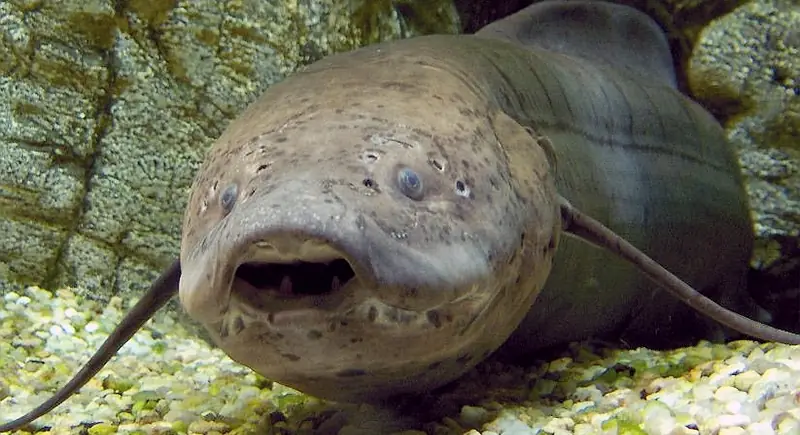
The African Lungfish is built for the worst conditions imaginable. When water disappears, it burrows into mud and creates a cocoon, slowing its body down dramatically. It can stay like this for months, even years, breathing air and waiting out droughts that would wipe out most other fish.





