
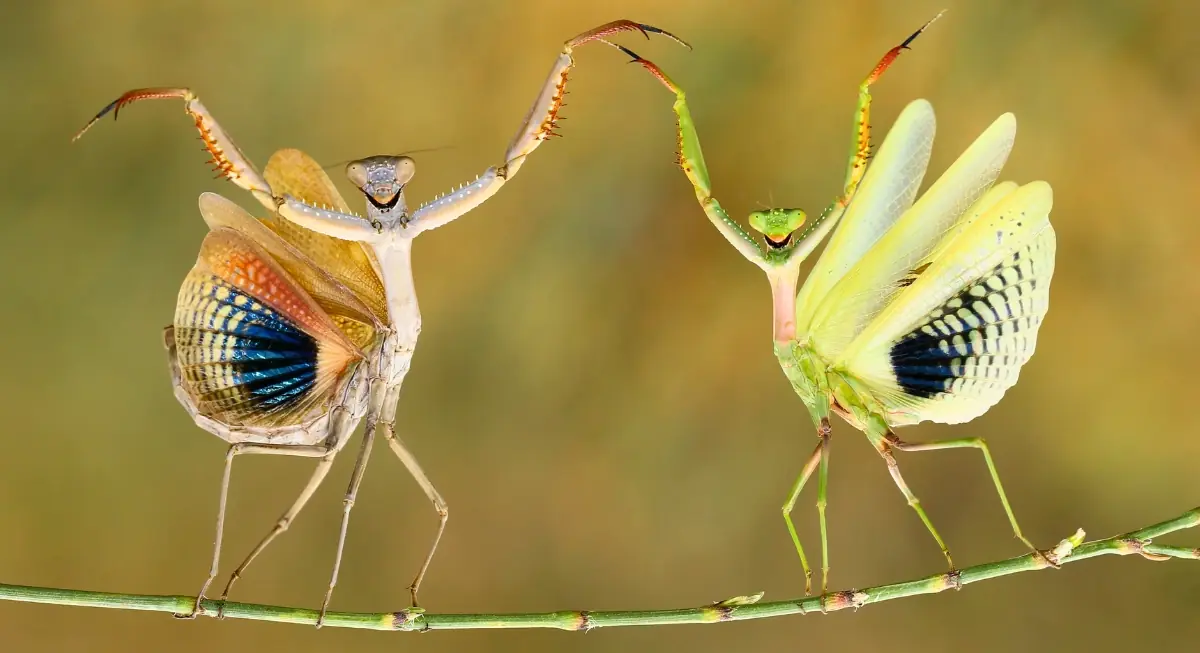
For some animals, reproduction comes at the ultimate cost—their own lives. While this may seem extreme, it’s a natural strategy to maximize reproductive success. These species invest everything into mating to ensure the next generation thrives before they die. In this article, we’ll discuss a few species that mate once but never live to tell the tale.
Australian Antechinus
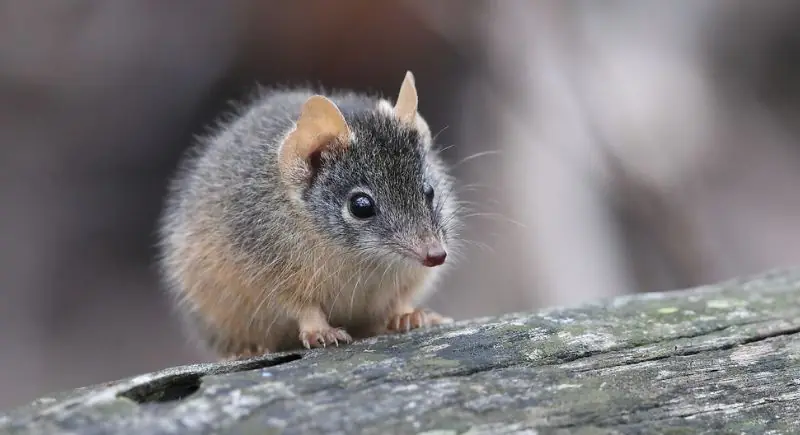
The mating process is so focused and intense for these creatures that their body literally shuts down. That’s life (and death) for the male antechinus. During the breeding season, he mates obsessively for weeks, even to the point of neglecting food and rest. The stress overload causes internal bleeding, organ failure, and immune system collapse. By the time he’s done, so is his life.
Pacific Salmon
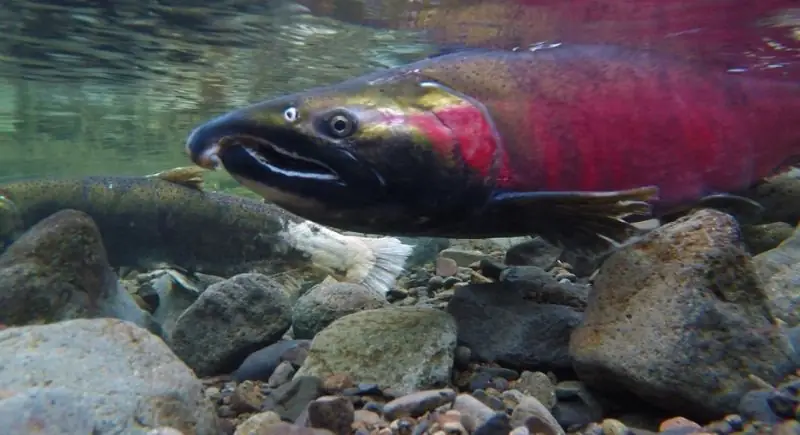
Beyond swimming against the currents, this fish species battles rapids, waterfalls, and predators to reach their spawning grounds. Once they lay or fertilize eggs, their bodies deteriorate quickly due to a massive hormonal shift. Within days or weeks, they die and leave behind nutrient-rich carcasses that nourish the ecosystem.
Praying Mantis
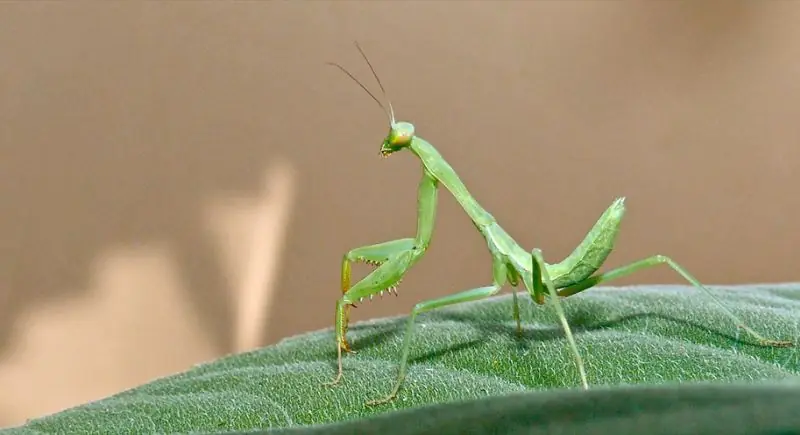
Male praying mantises sometimes lose more than just their hearts—about 13-28% of them also lose their heads, quite literally. In some cases, the female consumes her mate post-mating to sustain the egg production with valuable nutrients. But contrary to popular belief, this doesn’t happen every time, especially in the wild.
Male Redback Spider
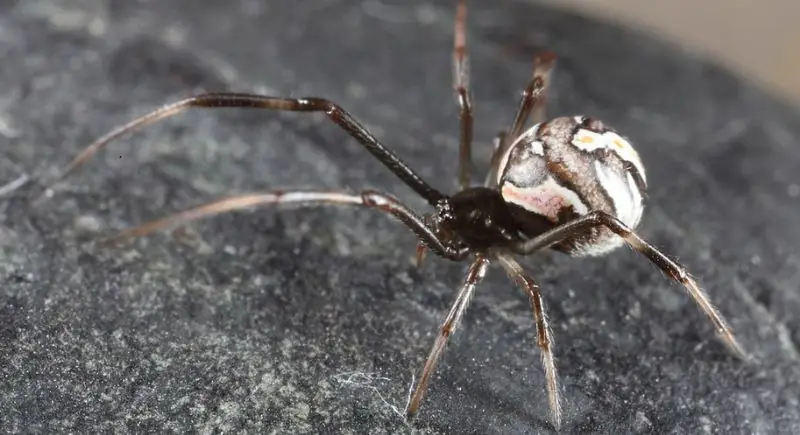
Some males fight to survive after mating. But that’s not the case with the male redback spider. He volunteers to be eaten. He does a dramatic somersault into the female’s mouth to grant her a nutritious meal. His sacrifice makes her less likely to mate with another male, which increases the odds that his genes get passed on.
Dark Fishing Spider
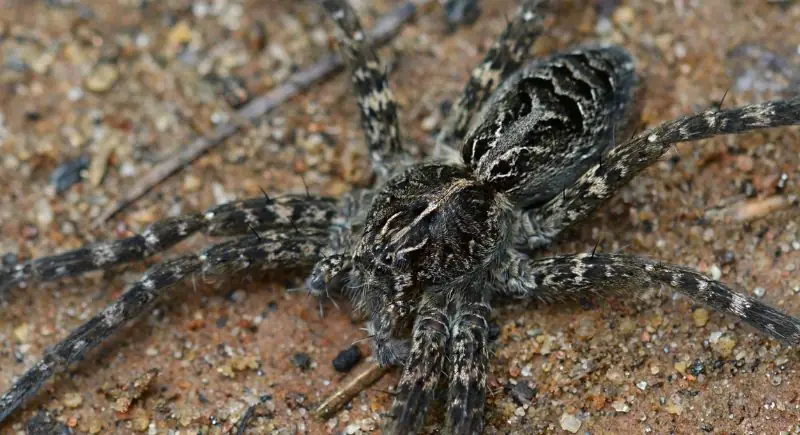
For male dark-fishing spiders, mating is a one-way ticket to the afterlife. Unlike the redback spider, the female doesn’t even need to eat him—his body just shuts down right after he transfers sperm. Scientists believe this bizarre phenomenon evolved to ensure he gives everything to a single successful mating.
Mayflies
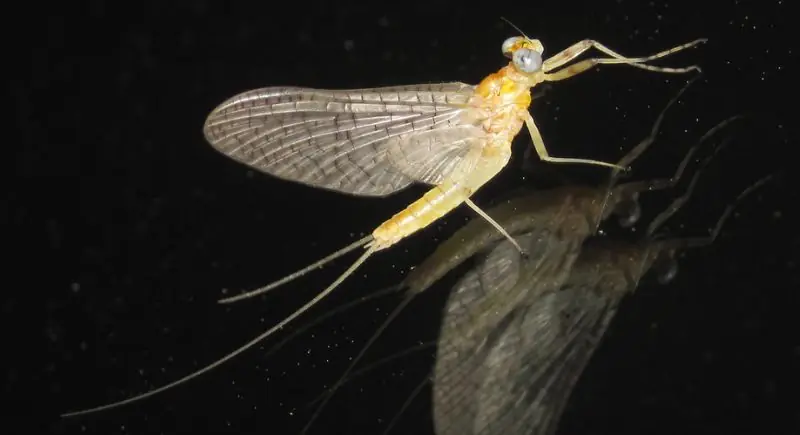
Mayflies don’t waste time. They emerge from the water, mate within hours, and die soon after. They don’t even have functional mouths, meaning they can’t eat. Their entire purpose is reproduction, and once that’s done, so are they. This fast-paced cycle ensures new generations continue without lingering adults competing for resources.
Male Honeybees (Drones)
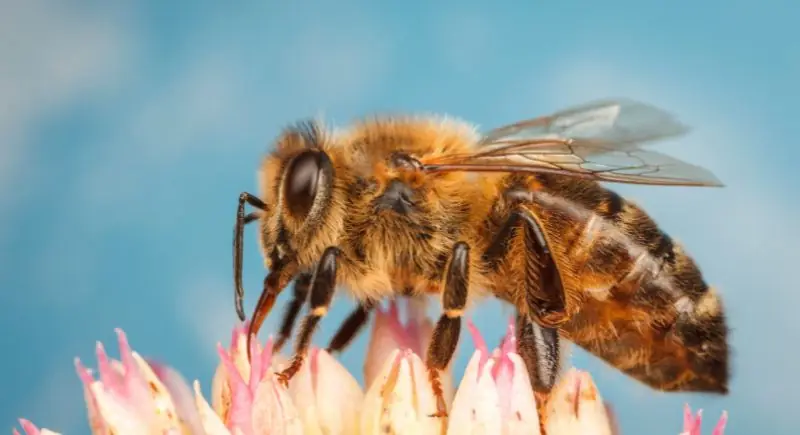
Love is literally explosive for male honeybees. During mating, their reproductive organs detach and cause fatal internal injuries. This ensures the queen receives enough sperm to fertilize thousands of eggs. With no further use, the drones either die mid-air or get kicked out of the hive by worker bees. Talk about a brutal breakup.
Cicadas (Some Species)
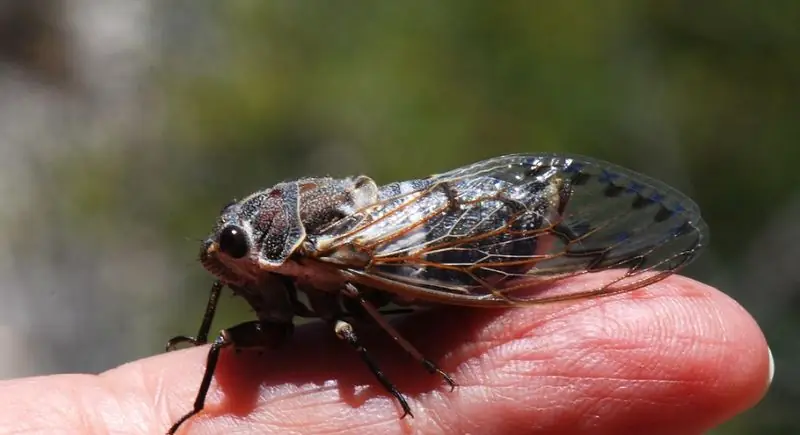
Periodical cicadas emerge in massive numbers after spending 13 or 17 years underground. They have just a few weeks to sing, mate, and die. But while all adults perish soon after breeding, it’s not mating itself that kills them—it’s exhaustion, predation, and sheer old age catching up at once.
Male Sagebrush Crickets
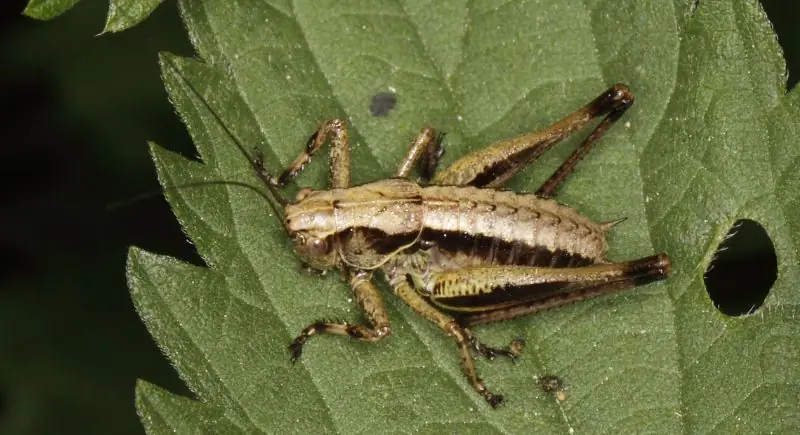
Male sagebrush crickets present their hind wings as a “nuptial gift” for females to munch on while mating. This meal helps the female produce healthy eggs but weakens the male. Some survive, but many don’t make it past the encounter.
Male Anglerfish
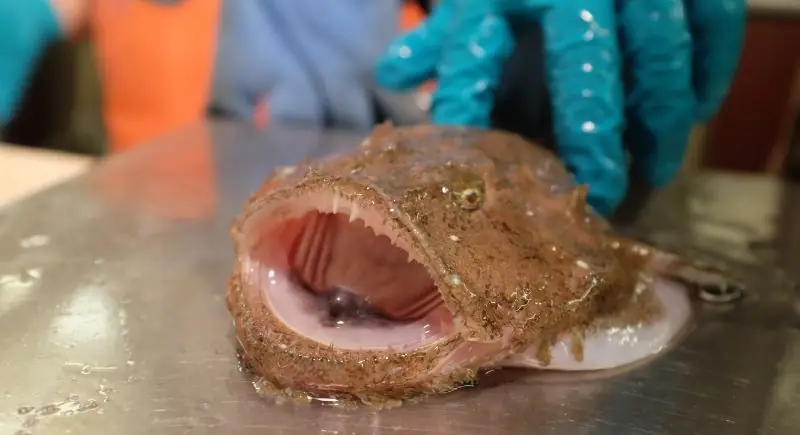
Some male anglerfish take commitment to an extreme. They bite onto a female, fuse with her body, and slowly dissolve into her bloodstream. During this process, they lose their eyes, organs, and independence. In the end, all that remains is a tiny sperm-producing lump attached to the female for life.
Male Labord’s Chameleon
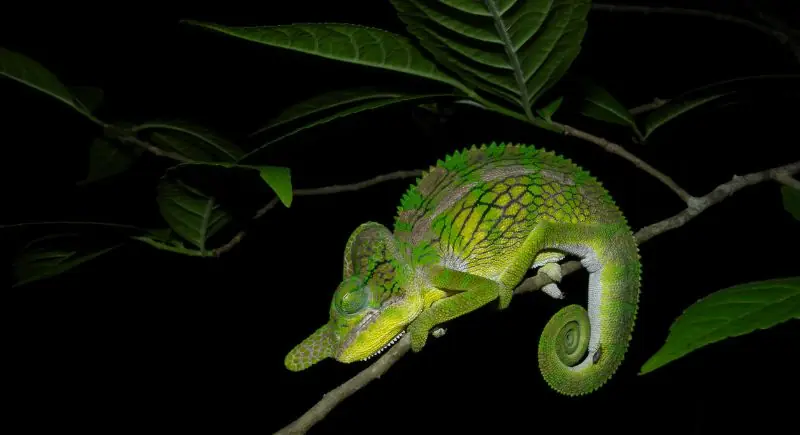
Labord’s chameleons hatch, grow up, mate, and die—all within a year. This is the shortest lifecycle of these land vertebrates. After mating season, males rapidly deteriorate due to stress and exhaustion. By the time the next generation hatches, not a single adult is left.
Termite Kings
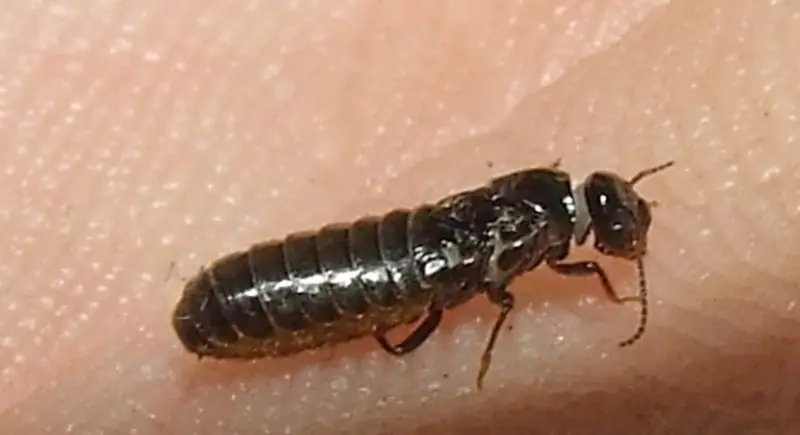
In termite colonies, kings usually live long enough to keep mating with their queens for years. Most termite swarmers, on the other hand, don’t survive. They face predation, environmental hazards, or simply fail to establish a colony. In such cases, they die shortly after mating due to exhaustion, dehydration, or being eaten.
Male Rotifers
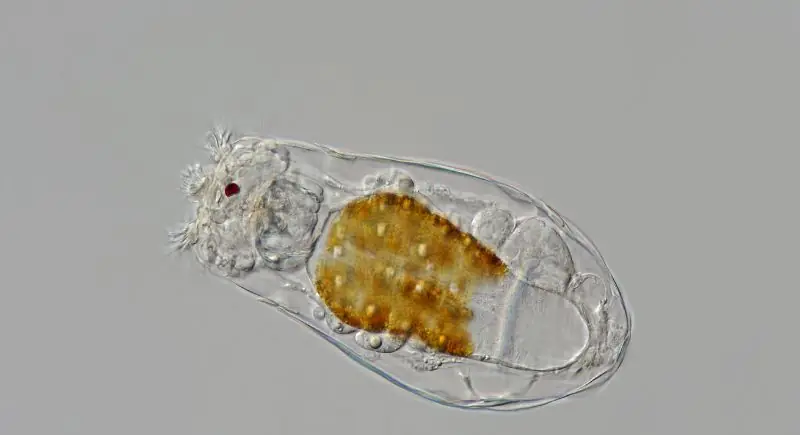
Some species of microscopic rotifers take reproductive dedication to another level. Their males are born without digestive systems, meaning they can’t eat at all. Their only purpose is to find a female, fertilize her eggs, and die soon after. For this species, reproduction is a race against starvation.
Male Squid (Some Species)
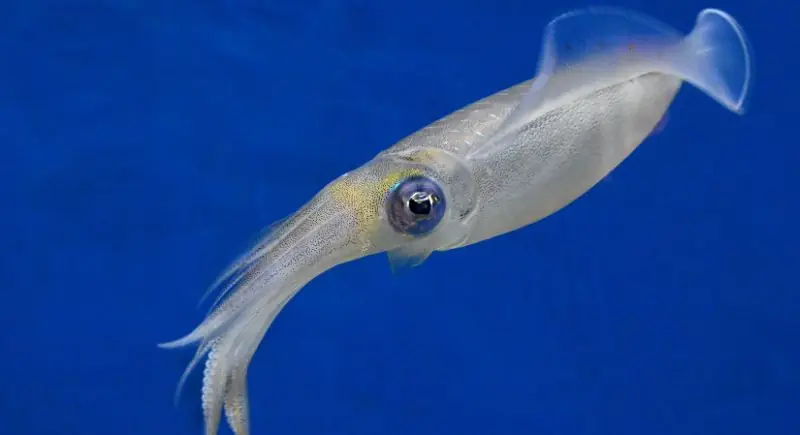
For some squid species, males give everything they have—literally. After mating, they experience rapid physical decline, which leads to losing energy. Eventually, they become easy prey. This is part of a reproductive strategy called semelparity, where an animal reproduces once and dies soon after.
Male Eels (Some Species)
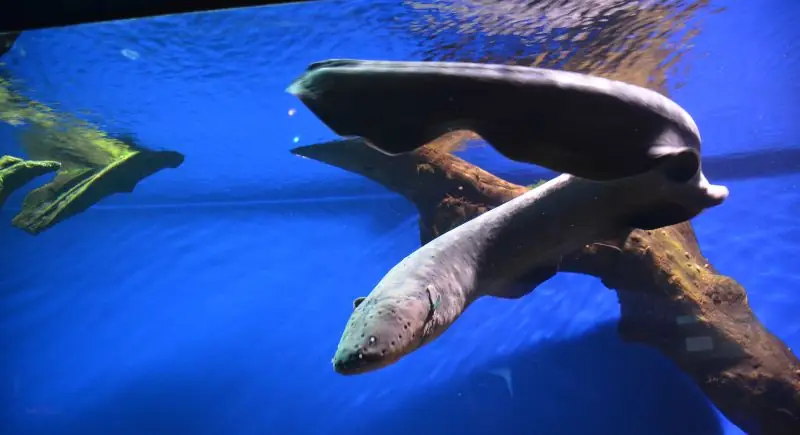
The path to reproduction for an eel is a marathon. Species like the European eel travel thousands of miles to their breeding grounds in the Sargasso Sea. Once they spawn, their bodies begin to break down due to drastic hormonal changes. They die shortly after mating.
Female Velvet Spider
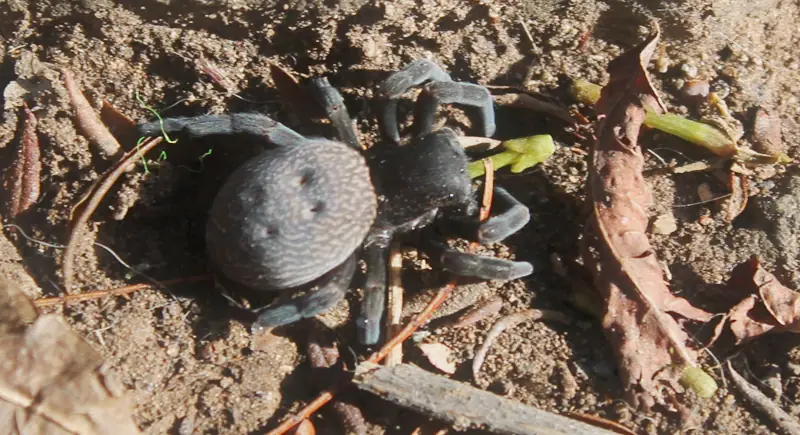
After mating, the female velvet spider begins an extreme form of motherhood. She slowly digests her own internal tissues, turning herself into a liquid meal for her spiderlings. Once the young consume her completely, she dies. Her entire body becomes fuel for the next generation’s survival.
Male Fig Wasp
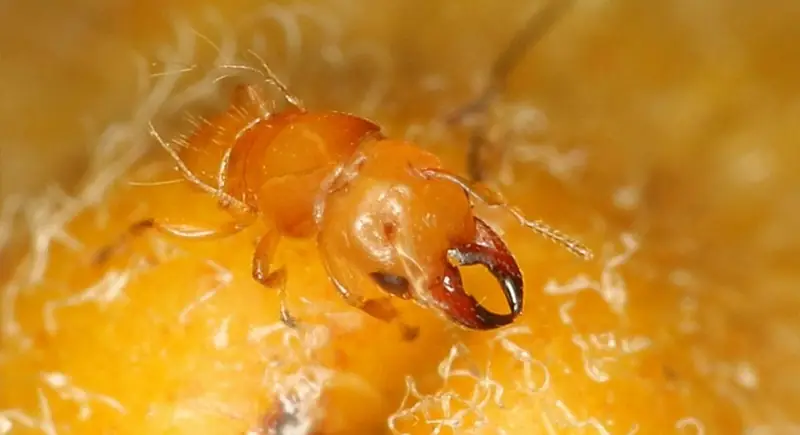
The male fig wasp never leaves the fig where he’s born. He mates with females inside the fruit, chews an exit tunnel for them, then dies soon after. Many never even see the outside world. His entire existence revolves around mating once and disappearing immediately.





