
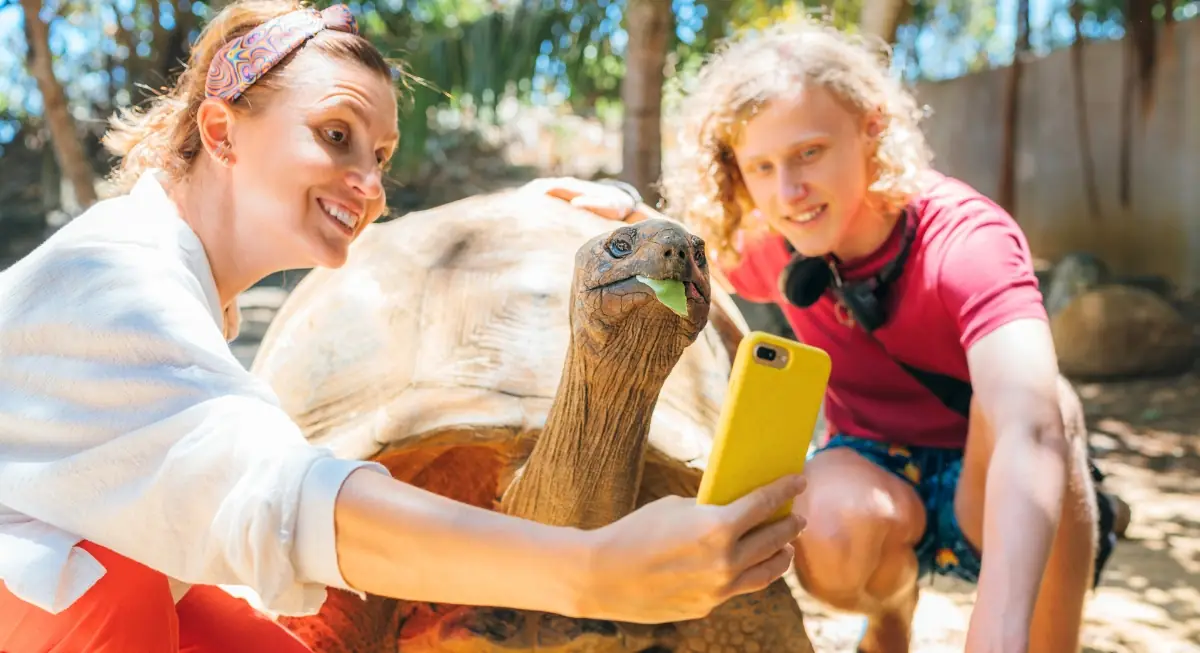
Some animals live far longer than we ever could, and the numbers can feel almost unbelievable. While human life expectancy in the United States sits around 79 years, certain ocean species and cold-water creatures survive for centuries. Scientists have discovered clams older than entire countries and sharks that began swimming long before modern science existed. Here are ten animals known to outlive humans by hundreds of years, sometimes even longer.
Greenland Shark
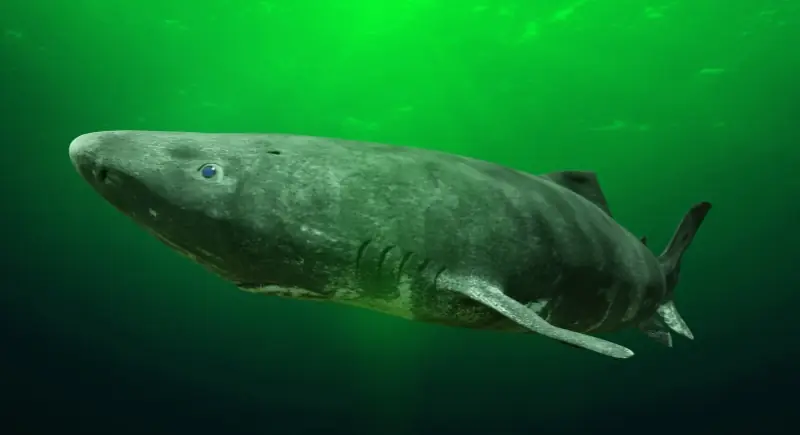
In 2016, researchers used radiocarbon dating on eye lens tissue to estimate that one Greenland shark had reached about 392 years old. The study suggested a possible age range extending beyond 500 years. These slow-moving Arctic sharks grow at a crawl, sometimes less than half an inch per year. Living in deep, frigid waters seems to slow their biology.
Ocean Quahog Clam
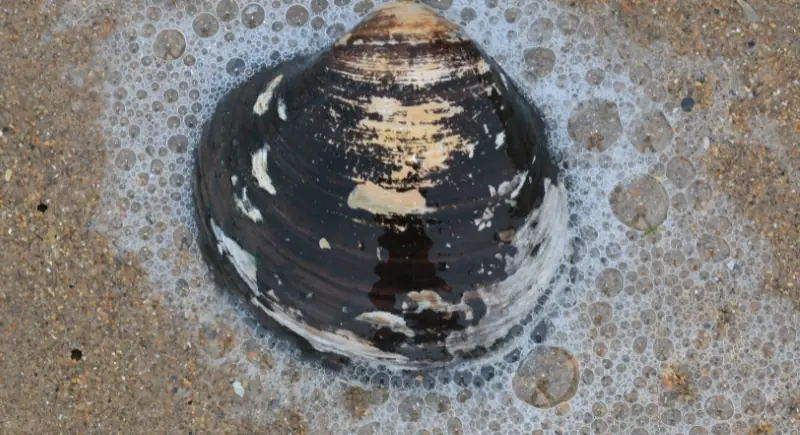
Scientists once studied an ocean quahog clam nicknamed Ming and counted its growth rings. The result was astonishing: about 507 years of life. These clams live in the North Atlantic, buried in seabed sediment where they slowly filter microscopic algae for food. Many individuals regularly pass 200 years, which means some seafood harvested from these waters can be older than several human generations.
Antarctic Sponge
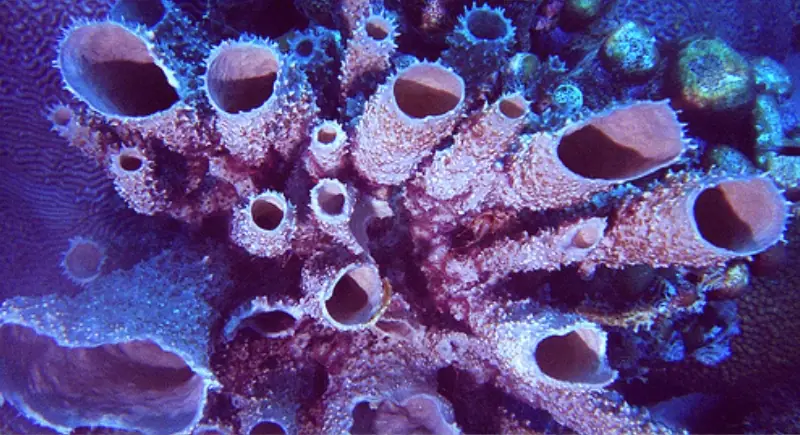
In the dark waters off Antarctica, glass sponges grow so slowly that researchers measure their age in millennia. A 2002 study estimated one species could live up to 15,000 years based on growth rates. That timeline stretches back to the end of the last Ice Age. The extreme cold lowers metabolism, which may reduce cellular damage over time.
Bowhead Whale
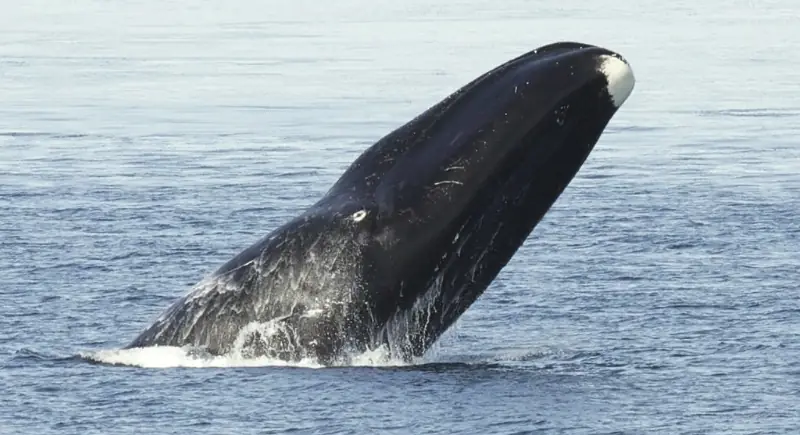
Bowhead whales hold the record for the longest-lived mammal. Genetic studies and the discovery of antique harpoon tips embedded in their flesh indicate lifespans exceeding 200 years. One individual was estimated at 211. These Arctic giants carry thick blubber and massive skulls built to break sea ice.
Turritopsis Dohrnii
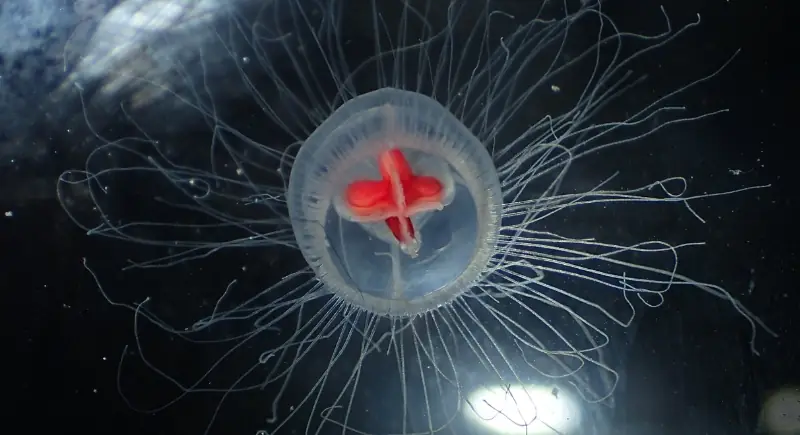
The jellyfish Turritopsis dohrnii earned the nickname “immortal jellyfish” for a remarkable ability. When stressed by injury or starvation, it can revert to an earlier life stage. Instead of remaining an adult, it transforms back into a polyp, then begins the cycle again. In theory, this reset can happen repeatedly. In practice, predators and disease still end many lives.
Aldabra Giant Tortoise
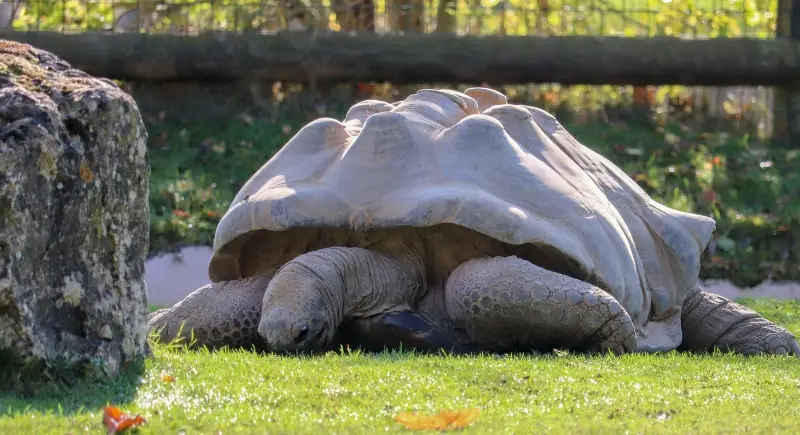
The Aldabra giant tortoise often lives to 100 or more and may reach 150. These tortoises grow slowly and mature late, traits linked to longevity. Native to a remote atoll in the Indian Ocean, they once attracted naturalists who struggled to outlive their own research subjects. Patience seems built into their biology.
Red Sea Urchin
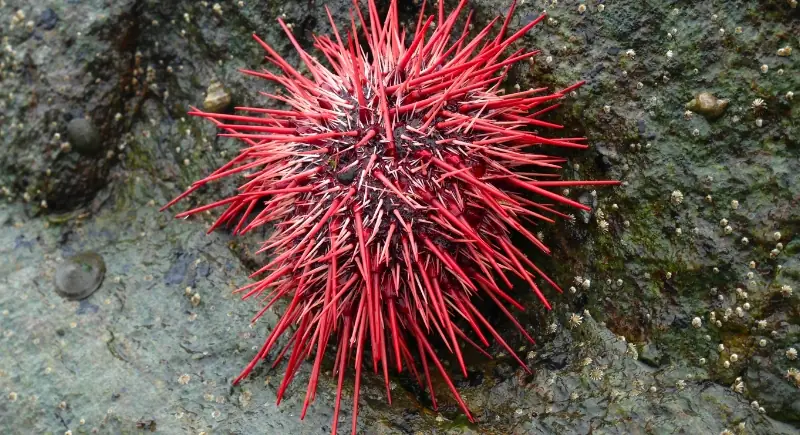
Marine biologists studying red sea urchins along the Pacific coast were surprised to find individuals over 200 years old. Age is determined by analyzing growth bands in their skeletal plates. What stands out is their biological resilience. Older urchins continue to reproduce and regenerate tissue without clear signs of decline.
Lamellibrachia Tube Worm
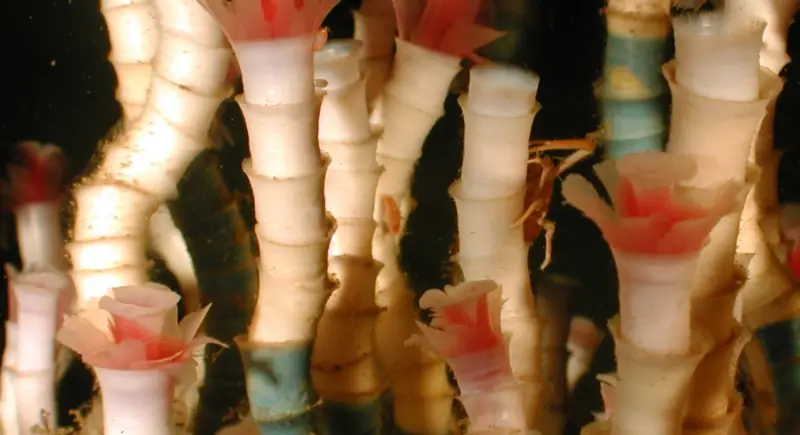
Lamellibrachia tube worms cluster around hydrocarbon seeps on the ocean floor. Studies estimate lifespans between 170 and 250 years. They lack a digestive system and rely on symbiotic bacteria that convert chemicals into energy. Growth occurs slowly over decades as the worms extend protective tubes that can exceed six feet.
Koi Fish
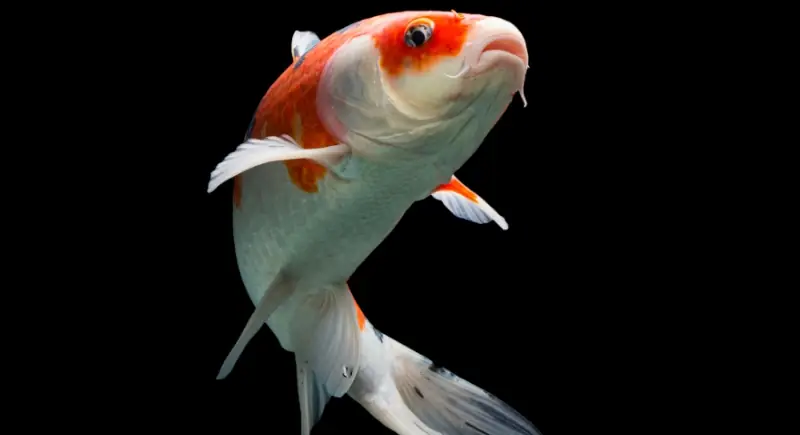
Koi are ornamental carp known for bright colors and long memories. Most live around 40 to 50 years, yet documented cases stretch far beyond that. A koi named Hanako reportedly lived to 226 years before her death in 1977. Scientists examined growth rings on her scales to estimate her age.
Tuatara
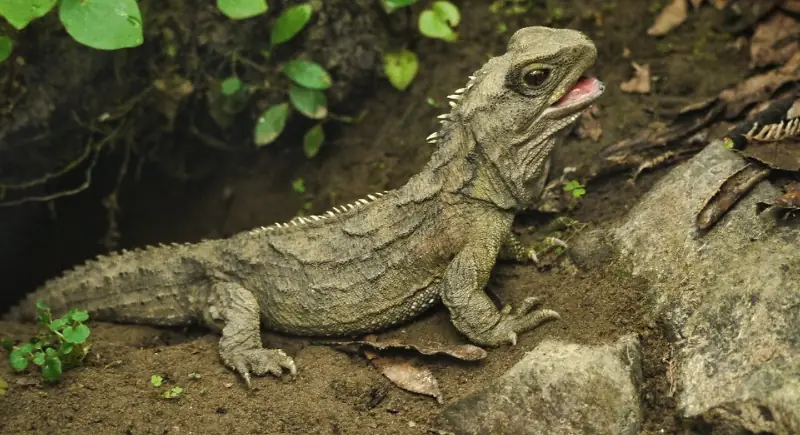
Longevity matches their slow, steady life history. The tuatara of New Zealand looks like a lizard but belongs to an ancient lineage that dates back more than 200 million years. Individuals can live past 100 years and keep growing well into adulthood. A light-sensitive organ on the top of the head, often described as a third eye, adds another unusual feature to this species.





