
Animals often get labeled as either predators or prey. But in the wild, survival isn’t always a one-animal job. Some species form partnerships that help them find food, avoid danger, or raise young. These relationships can be smart, strange, or just surprising—and they show how teamwork works outside of humans, too.
Zebras and Wildebeests Travel Together
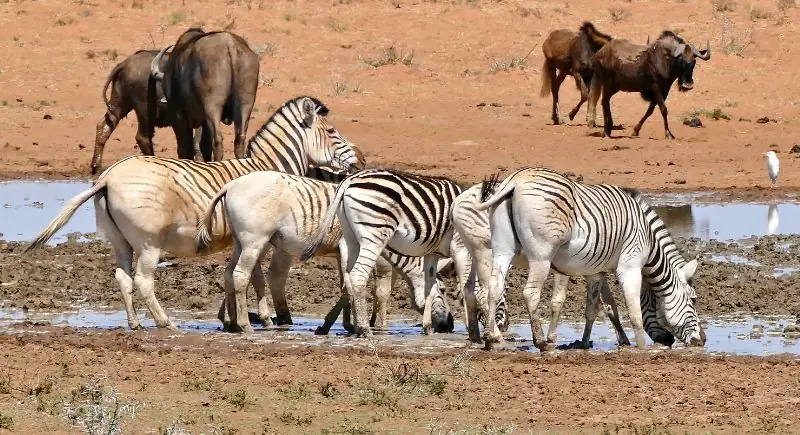
When they migrate, zebras and wildebeests stick close. Zebras have great memories for paths, while wildebeests are better at sniffing out water. Moving together helps both groups stay safer from predators and avoid getting lost. It’s not friendship, but it works.
Oxpeckers Help Big Animals Stay Clean
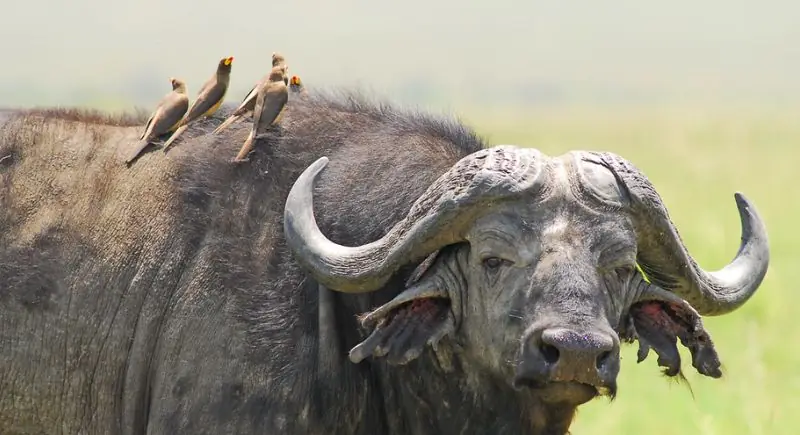
Oxpeckers perch on animals like buffalo or rhinos. They eat ticks and insects from the skin, which helps keep the larger animals healthy. In return, oxpeckers get food and a safe place to hang out.
Cleaner Fish Scrub Sharks
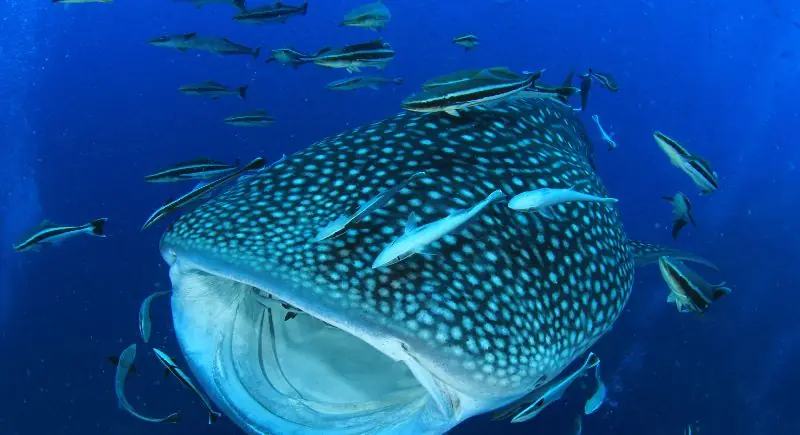
Small cleaner fish pick dead skin and parasites off sharks and other big fish. They even swim inside their mouths to clean their teeth. The big fish don’t eat them because the service helps them stay healthy. It’s risky for the cleaner fish, but they seem to know what they’re doing.
Meerkats Take Turns Watching for Danger
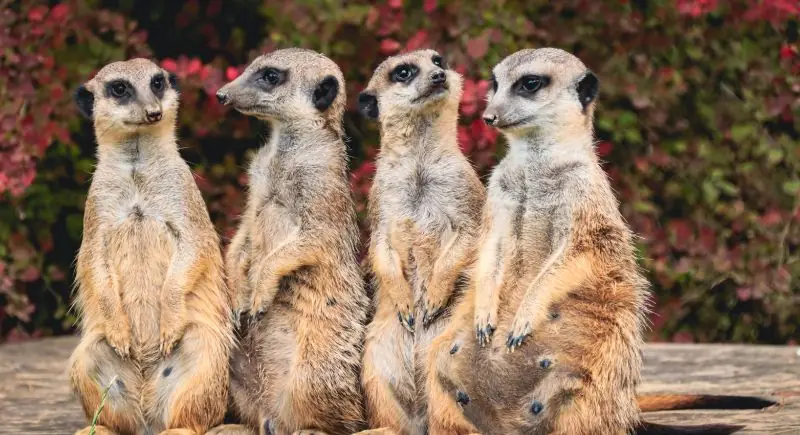
In meerkat groups, one member often stands guard while the others search for food. If a predator shows up, the lookout gives a warning sound and helps the whole group stay safe. They even switch roles so everyone gets a chance to eat and stay alert.
Ants Farm Aphids for Food
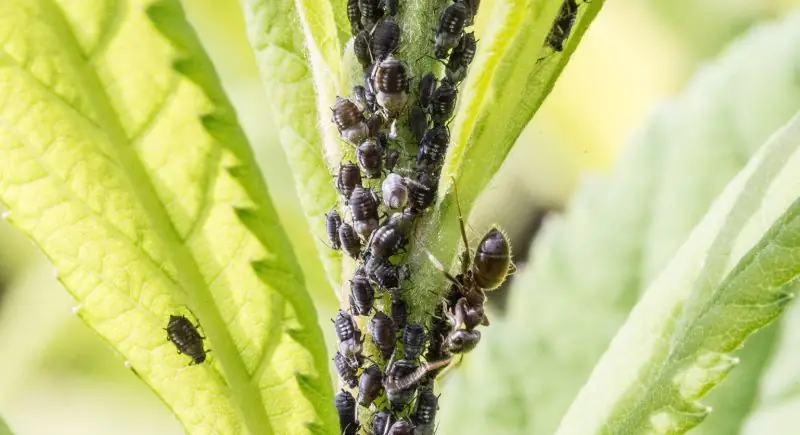
Some ants protect aphids from other bugs. In return, the aphids produce a sugary liquid called honeydew, which the ants eat. It’s like farming but for insects. Ants even move the aphids to better plants in order to keep the supply going.
Crows Work in Pairs to Steal Food
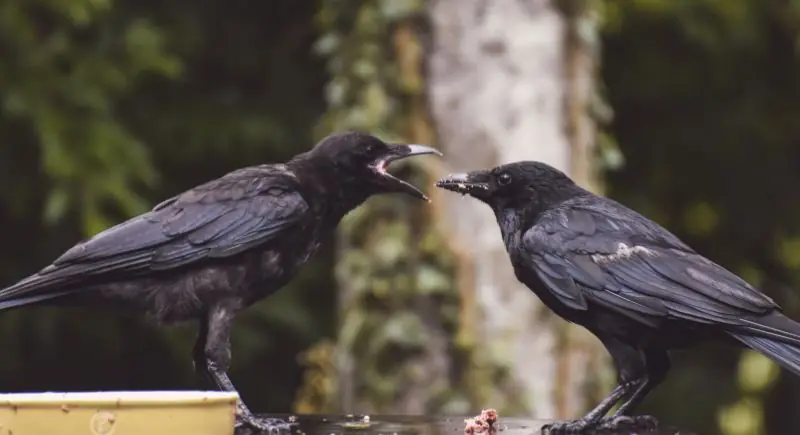
Crows are sharp thinkers and sometimes work in pairs. One might distract a predator, another bird, or even a person, while the other makes off with the food. They don’t always share, but they often do.
Dolphins Herd Fish Together
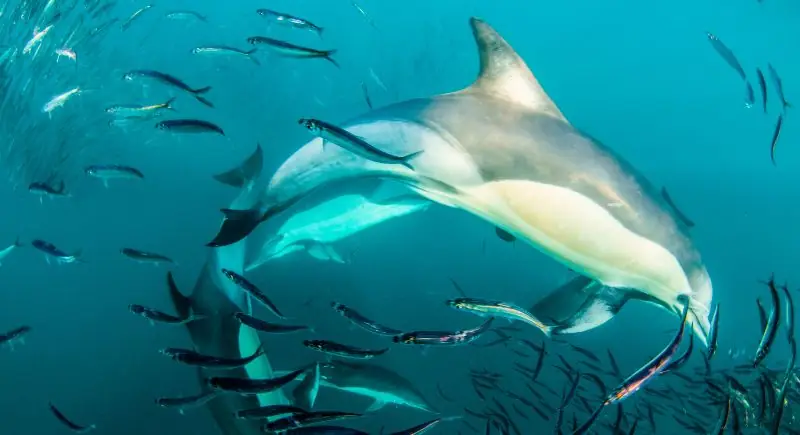
Dolphins often hunt as a group. They circle around schools of fish and trap them in a tight ball. Then, each dolphin takes turns swimming through and feeding. By working together, they catch more than they would alone.
Elephants Help Injured Herd Members
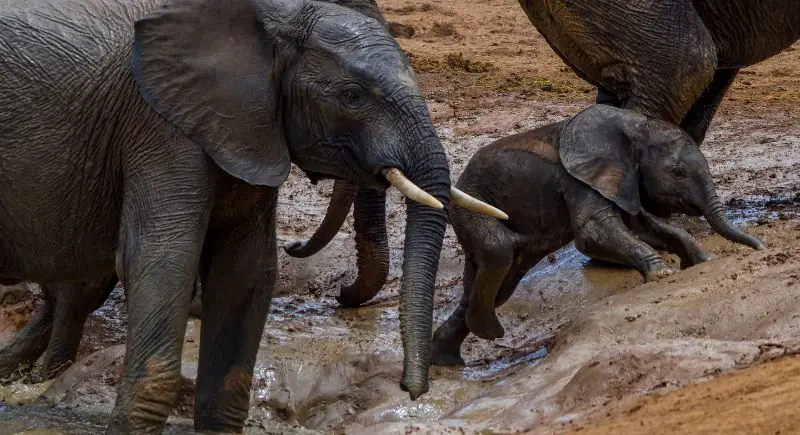
If one elephant is hurt or stuck, others in the group will try to help. They may use their trunks to lift or comfort the injured one. Elephants are known for strong social bonds and don’t easily leave each other behind.
Vampire Bats Share Food
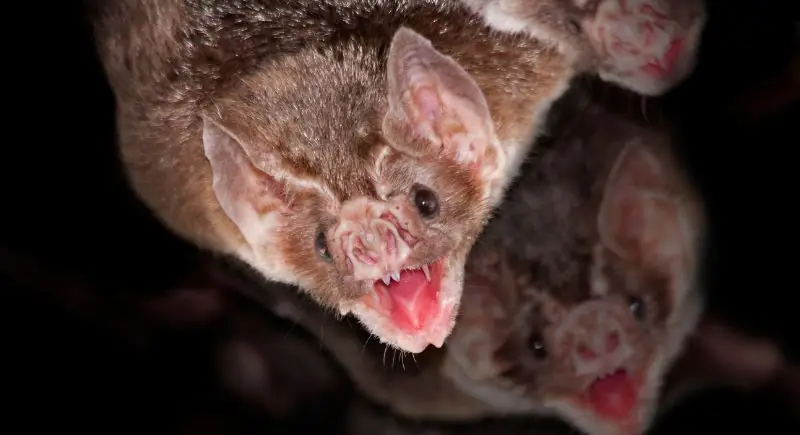
Vampire bats often fail to find a blood meal. When that happens, another bat may regurgitate food and share it. If a bat goes too long without eating, it could die. This sharing system keeps the group healthy and helps the givers, too, since others remember who helped.
Coyotes and Badgers Hunt Together
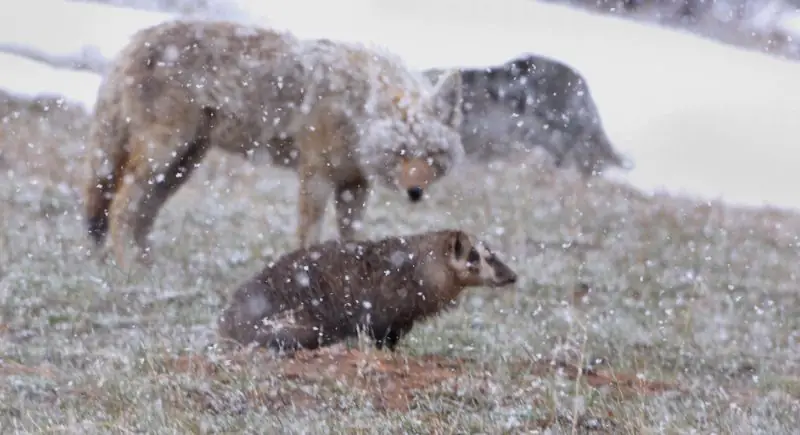
In some parts of North America, coyotes and badgers have been seen hunting ground squirrels as a team. The badger digs, and the coyote chases anything that runs. They don’t split the food, but the success rate goes up when they work together.
Wrasse Fish Clean Sea Turtles
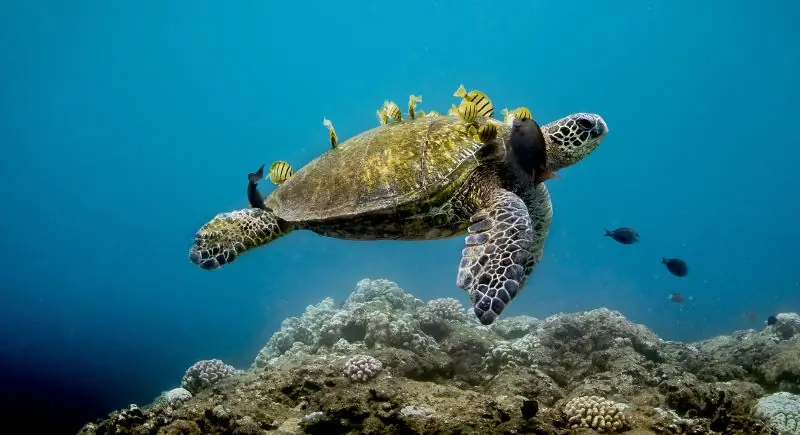
Cleaner wrasses set up stations on coral reefs. Sea turtles stop by to get cleaned and let the wrasses eat algae and parasites off their shells. The turtles get less itchy, and the wrasses get steady meals.
Baboons and Impalas Look Out for Each Other
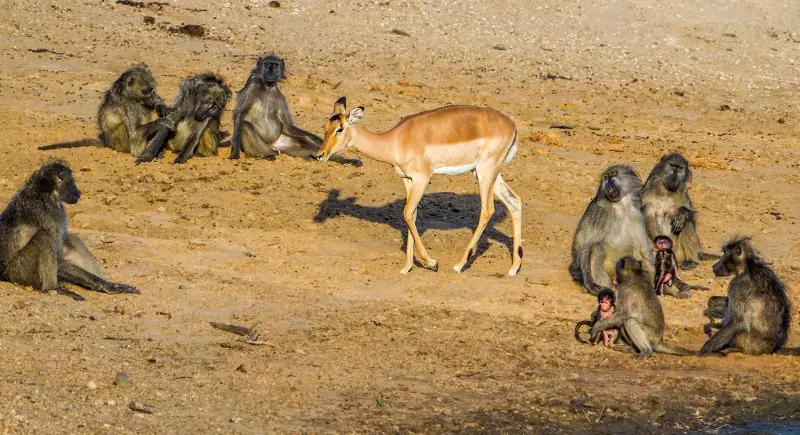
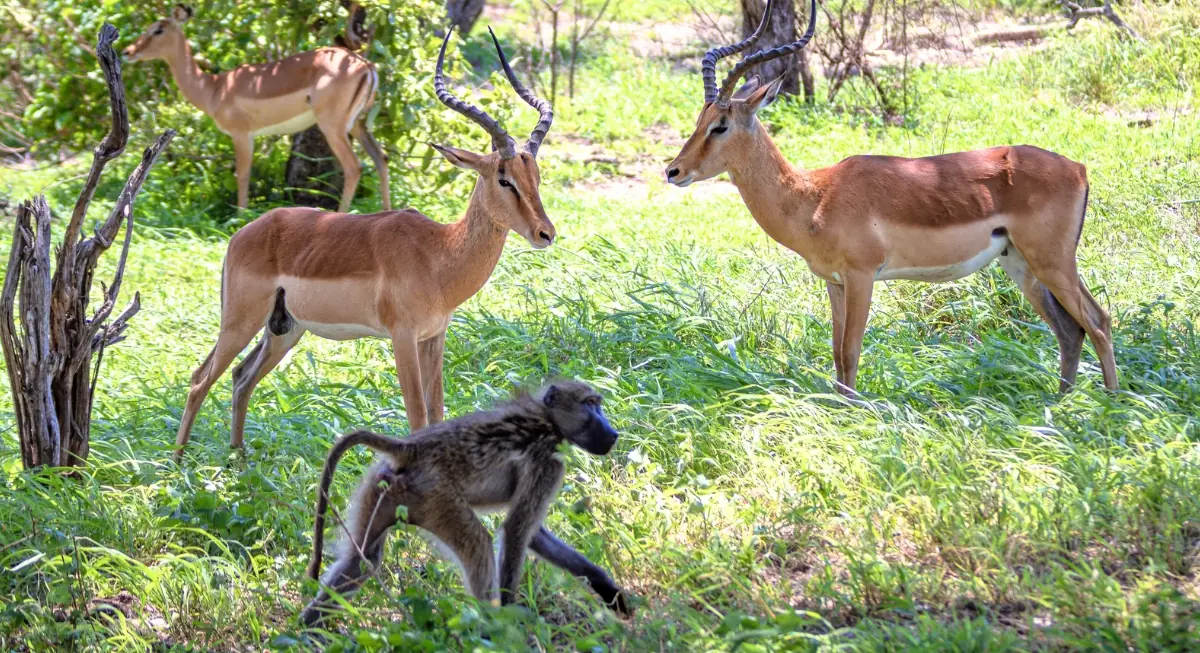
Baboons and impalas often stay near each other in the African savanna. Baboons are alert and loud when they spot danger. Impalas are quick and can pick up on the baboons’ signals. It’s not planned teamwork, but both get an edge by staying close.
Honeyguides Lead Humans to Bees
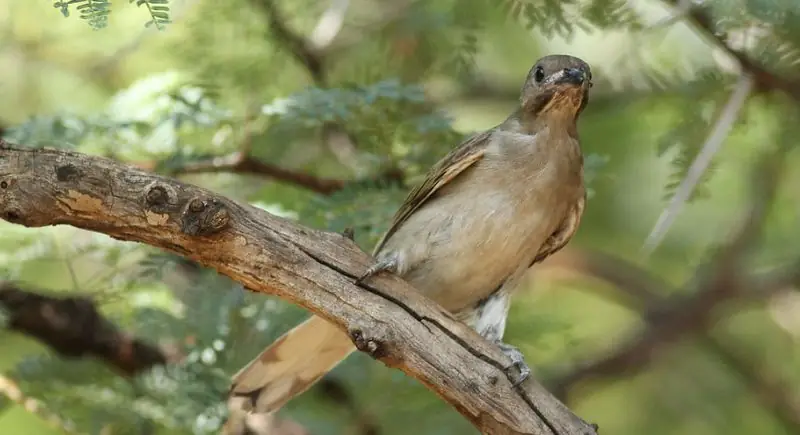
In African regions, honeyguide birds will lead humans to beehives. The humans break open the hive and take the honey. Then, the birds eat the leftover wax and insects. It’s one of the only known cases of birds working with people without training.
Macaques Groom Each Other
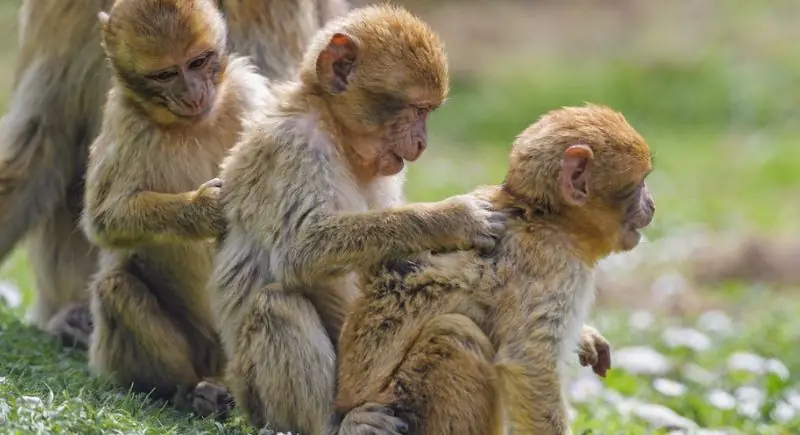
Macaque groups are quite particular about their grooming. It helps keep peace, reduce stress, and strengthen bonds. Monkeys take turns picking dirt and bugs off each other. It looks like kindness, but it’s also survival. A tighter group means better protection.
Clownfish and Anemones Make a Team
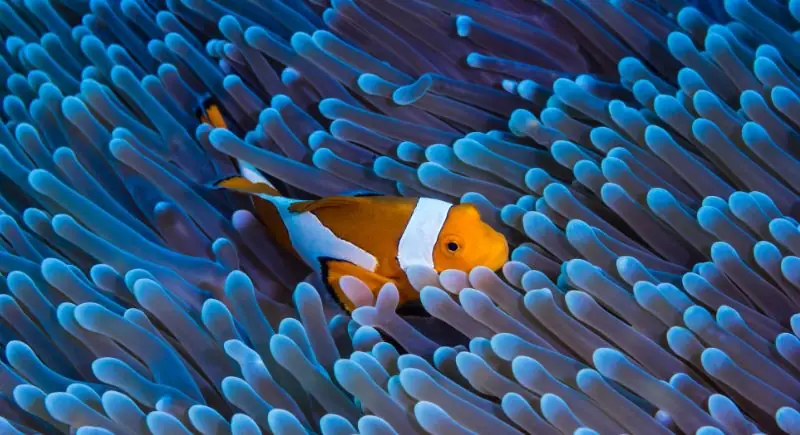
Clownfish live inside sea anemones, which sting most other fish. The clownfish are immune and get protection. In return, they clean the anemone and may scare off small predators.
Ravens and Wolves, or The Sky and the Scavenger
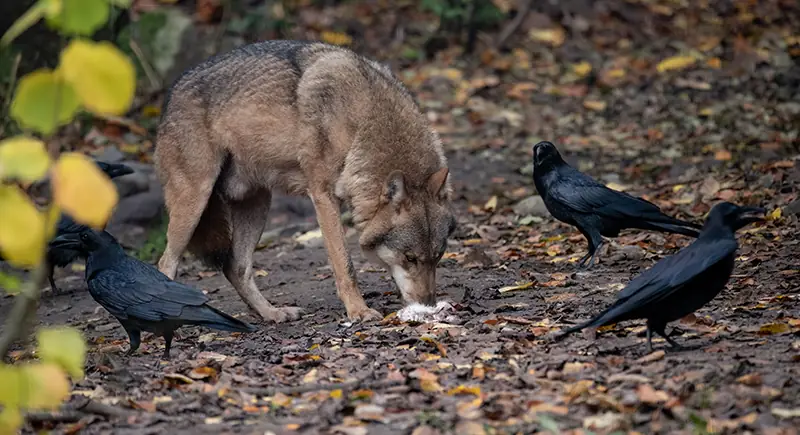
Ravens and wolves have been observed teaming up in the wild. Ravens follow wolf packs to carcasses, using their sharp eyes to locate potential meals. Wolves do the hard hunting, and ravens benefit from the leftovers. In some cases, ravens have even been seen leading wolves toward prey, creating a loose but effective partnership.
Pistol Shrimp and Gobies Are The Odd Couple
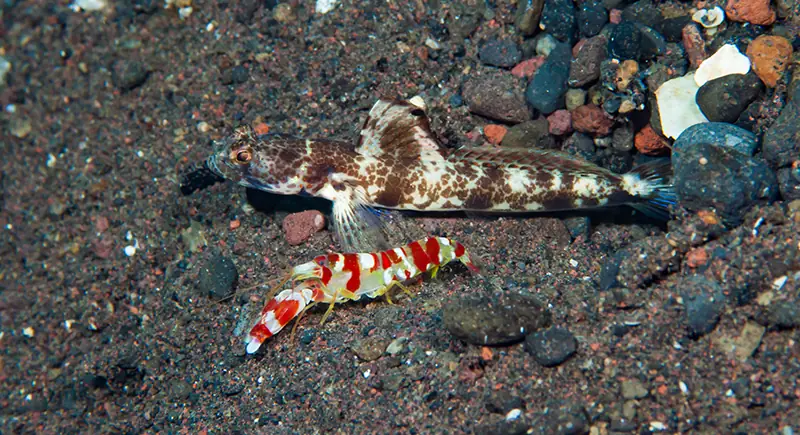
Pistol shrimp and gobies share one of the ocean’s most famous partnerships. The nearly blind shrimp digs and maintains a burrow, while the goby stands guard at the entrance. If danger approaches, the goby flicks its tail to warn the shrimp. In return for protection, the goby gets a safe home. Both survive better together.





