
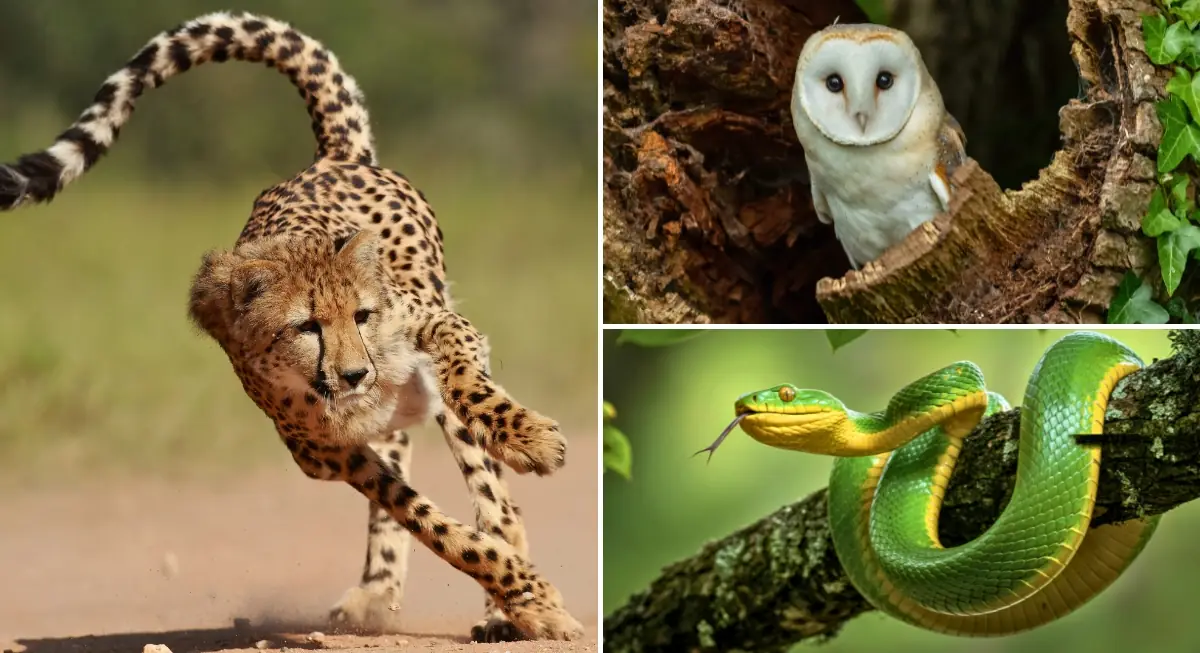
Some animals are built with traits that feel almost impossible when you first hear about them. A few move faster than our eyes can track, while others quietly repair their own bodies in ways we could only wish for. These abilities aren’t myths; they’re everyday parts of how these creatures survive. Here’s a look at ten animals whose skills genuinely stand out.
Cheetah
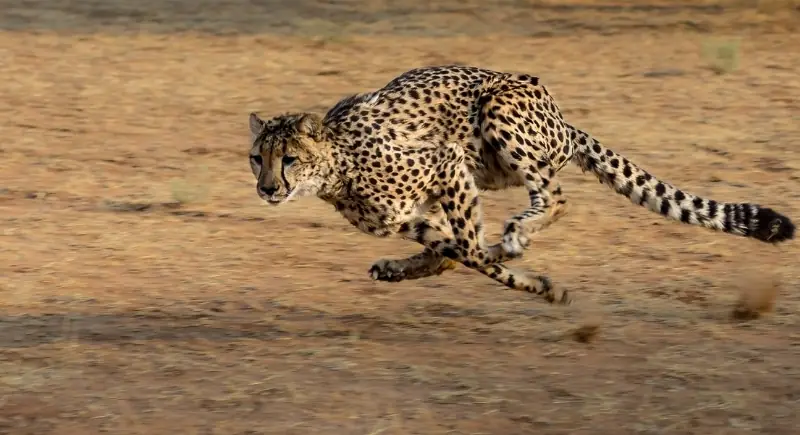
This cat can reach 60 miles per hour in about three seconds, which surpasses the launch speed of a Porsche 911. A slim frame, long legs, oversized lungs, and wide nasal openings help push oxygen through its system fast enough to keep those muscles firing. It also has semi-retractable claws that grip the ground, letting it change direction without losing momentum during a chase.
Mimic Octopus
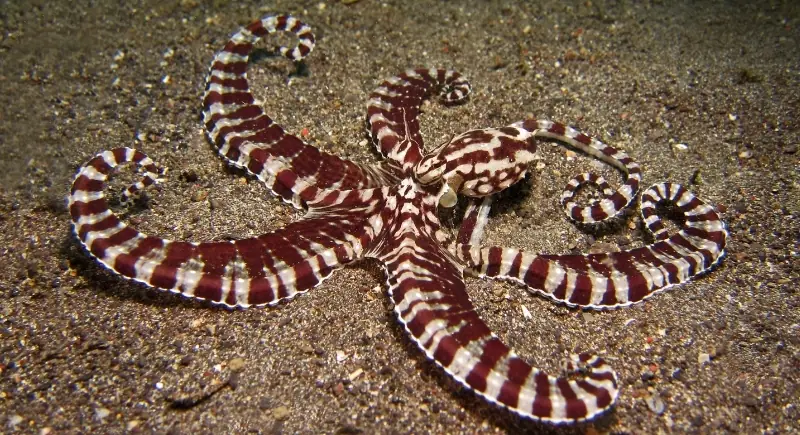
The mimic octopus can change its color, texture, and body shape so precisely that it passes for other marine animals. It copies lionfish, sea snakes, flatfish, and whatever else helps it avoid danger in wide, open stretches of sand where there’s nowhere to hide. Divers first noticed this in Indonesia and watched it switch from one disguise to another while moving and hunting as if it had rehearsed each role.
Electric Eel
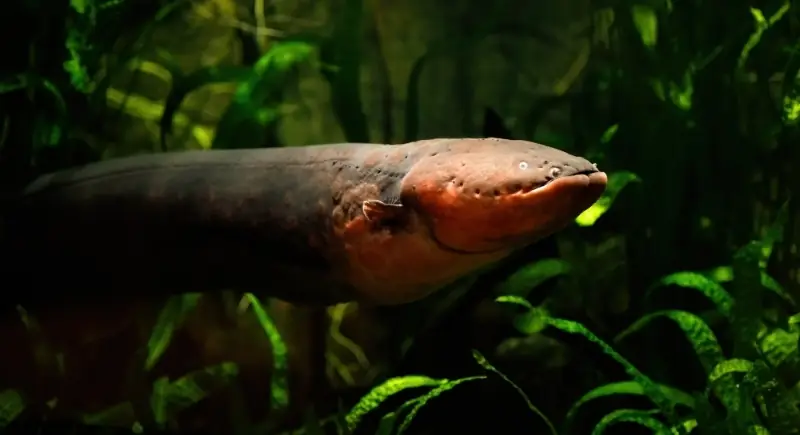
Most of this fish’s body is lined with electrocytes that work together across three organs to produce electric charges. Gentle pulses help it read its surroundings in murky water, while stronger bursts reaching several hundred volts can knock out nearby fish in an instant. Studies show it can fire paired signals that make hidden prey twitch, giving away their location. Alessandro Volta even drew inspiration from electric eels when developing the first battery.
Axolotl
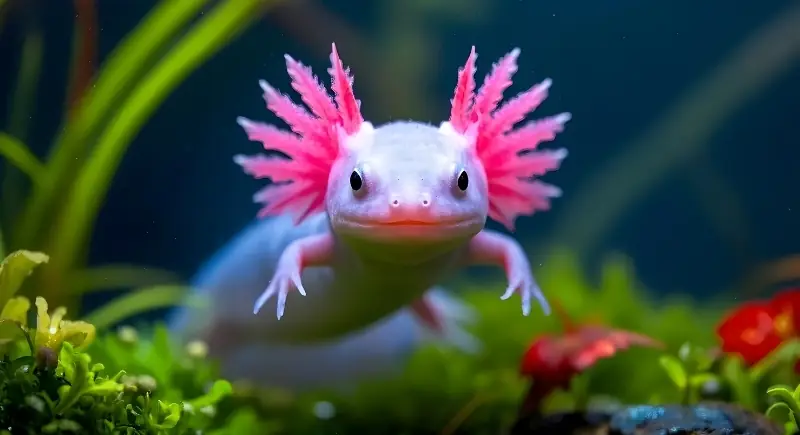
An axolotl regrows legs, tails, parts of its spinal cord, and even sections of its brain with remarkable accuracy. The wound site stays clear of scar tissue as cells turn back into a youthful state and form a blastema that rebuilds everything from nerves to bone. Scientists have seen the same limb replaced multiple times without losing detail. Genes such as CYP26B1 and SHOX help direct the reconstruction.
Barn Owl
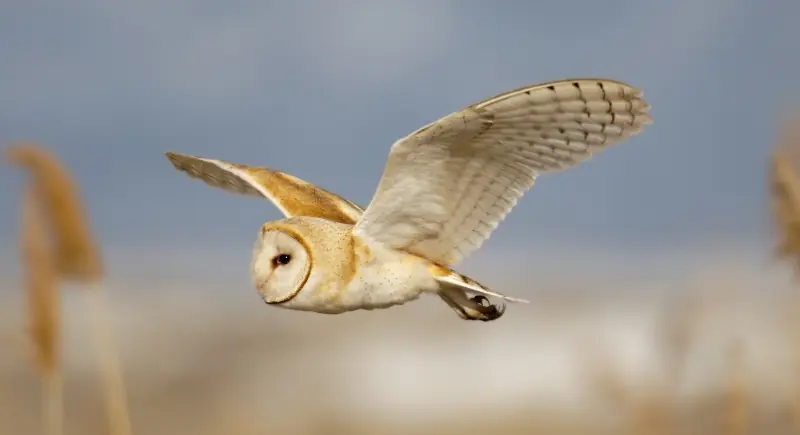
A barn owl flies quietly because its wings have comb-like edges that soften the sound of air moving across them. A velvety surface on the feathers adds more noise control, which helps the bird hear small animals moving in the grass. Larger-than-expected wings allow long gliding stretches that produce even less sound.
Mantis Shrimp
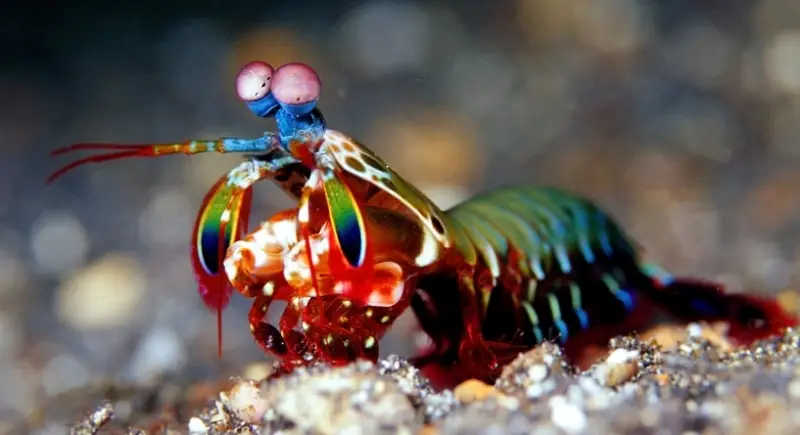
This shrimp throws a punch that reaches about 50 miles per hour underwater. The strike accelerates faster than a bullet and lands with enough force to break crab shells or crack aquarium glass. The motion creates tiny vapor pockets that collapse into a second shockwave, adding extra impact. Its eyes use up to 16 photoreceptor types to detect ultraviolet and polarized light, giving it sharp vision in complex environments.
N*ked Mole Rat
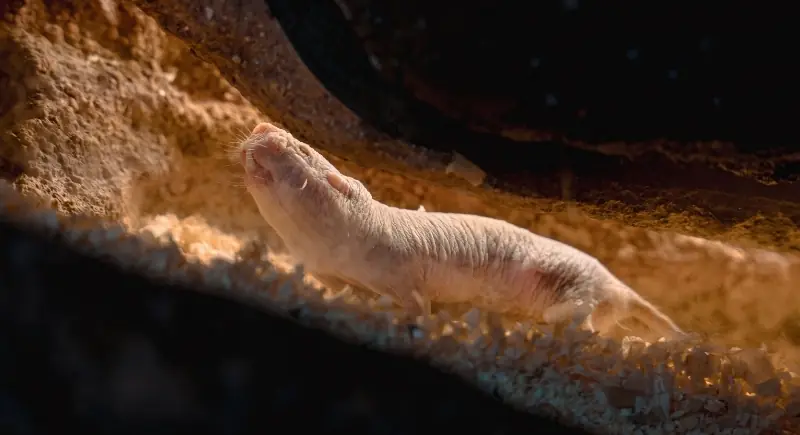
This small rodent survives up to 18 minutes without oxygen by switching to a fructose-based process usually seen in plants. High-molecular-mass hyaluronan in its tissues helps control cell growth and lowers cancer risk. These animals live more than 30 years, which is unusually long for something so small.
Pit Viper
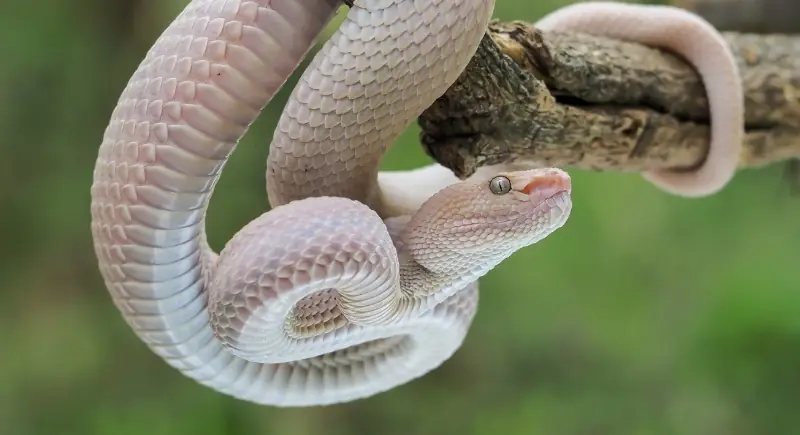
Pit vipers’ infrared sense is real: their facial pits detect infrared radiation, and special ion channels (e.g., TRPA1) convert temperature changes into nerve signals. That gives them a “thermal sense.” The thin membrane inside each facial pit detects temperature shifts smaller than a thousandth of a degree. They let the snake calculate distance and direction with impressive precision.
Reindeer

The reflective layer behind a reindeer’s retina appears gold during bright Arctic summers and turns deep blue during dark winters. The blue version scatters light inside the eye, which makes vision far more sensitive during months of low light. This change occurs because long-term pupil dilation slightly increases intraocular pressure and alters the spacing of collagen fibers.
Froghopper
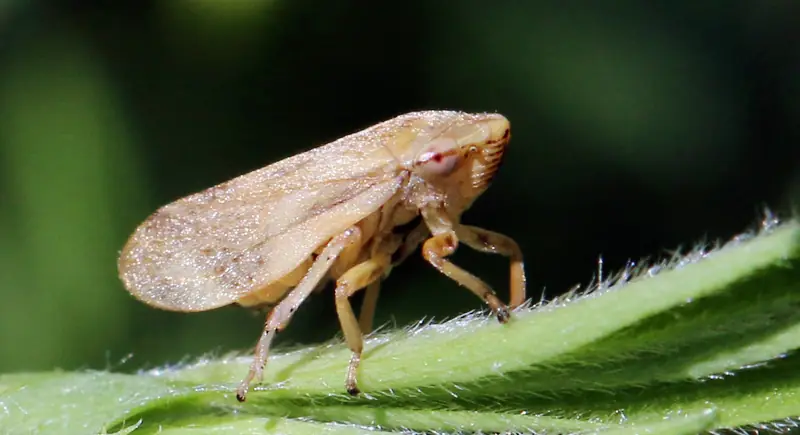
A froghopper jumps roughly 28 inches into the air, even though its body measures only about a fifth of an inch. The insect stores energy by locking its legs in place and loading its muscles like a drawn bow. When it releases that tension, it springs upward with a burst that would be overwhelming for a human body to withstand. The move shoots it away from danger with surprising speed.





