
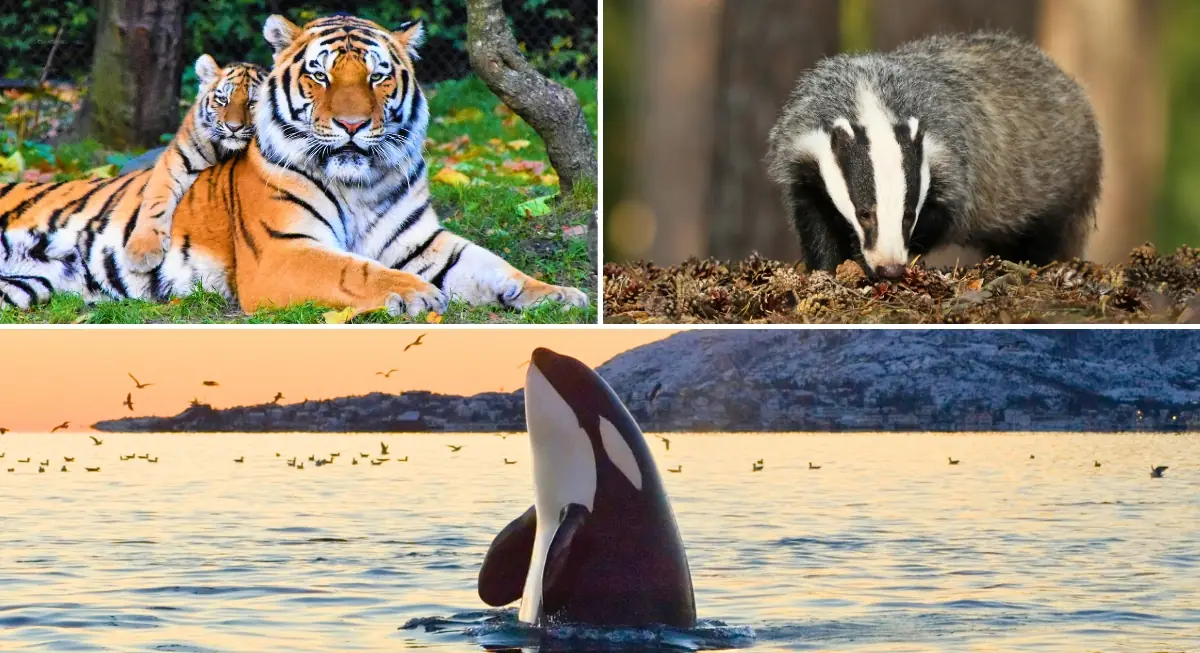
Animal behavior research has shown that many species can recognize individuals, remember past encounters, and adjust their responses accordingly. These animals rely on memory, recognition, and the ability to connect a past event with a present opportunity to respond. Several animals demonstrate that pattern through documented observations, experiments, and field reports. Each species shows a different mechanism behind revenge-like behavior.
Crows
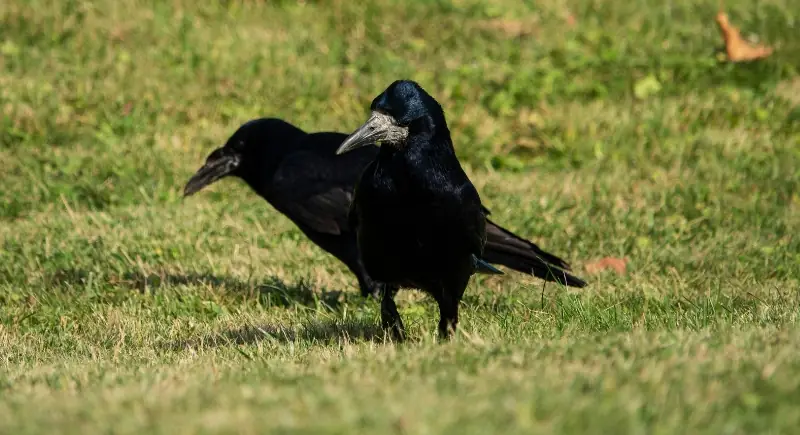
Crows recognize individual human faces and remember them for years. Researchers at the University of Washington demonstrated this when they wore specific masks while capturing and tagging birds. The crows immediately began dive-bombing anyone wearing those masks whenever they appeared near the campus. The response persisted long after the capture events stopped. Birds that had never been trapped still joined the attacks because older crows passed the warning along to them.
Elephants
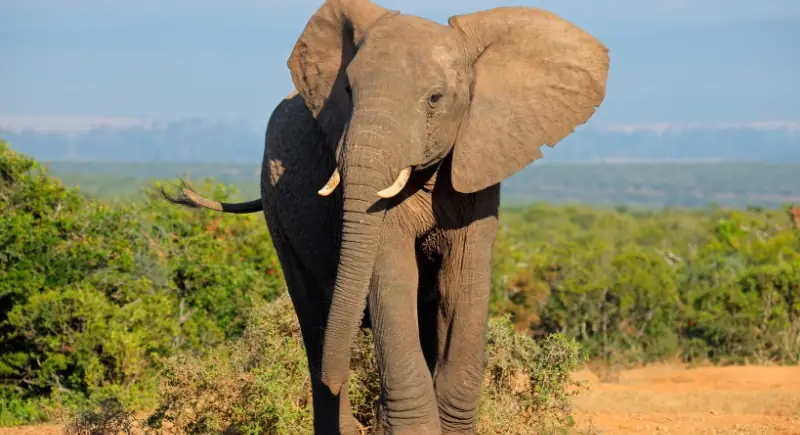
Elephants distinguish between friendly and threatening humans and can retain those memories for decades. Field observations in parts of India and Africa show herds reacting aggressively when they encounter people or locations connected to earlier killings of elephants. One documented incident in India followed the poisoning of a bull elephant by poachers. Two herds returned to nearby villages over a period of roughly two weeks and destroyed dozens of houses during repeated nighttime raids.
Orcas
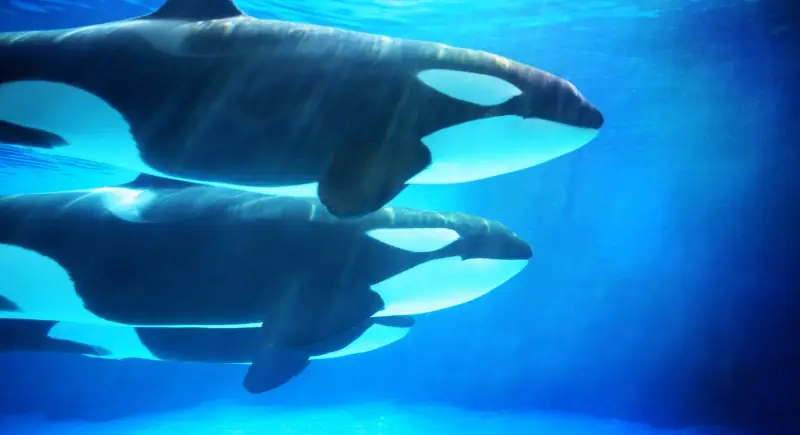
Since 2020, a group of Iberian orcas has repeatedly struck sailboats off the coasts of Spain and Portugal. The whales focus on rudders and steering systems, sometimes disabling the vessels entirely. Researchers suspect the behavior began after a female known as White Gladys was injured during an encounter with a boat. Other whales in the pod began copying the attacks, turning a single experience into a learned group behavior.
Tigers
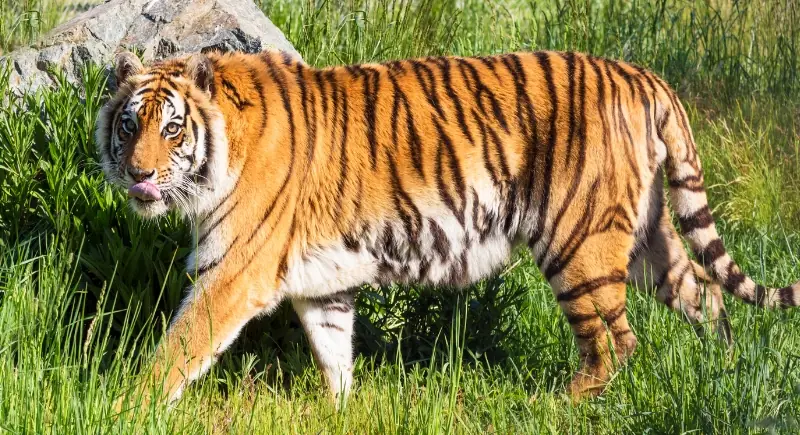
In 1997, a Siberian tiger in Russia tracked a poacher named Vladimir Markov after the man shot and wounded it and stole part of its prey. The tiger followed the scent trail to Markov’s cabin. The animal arrived before the hunter returned, destroyed objects carrying his scent, and waited nearby. When Markov eventually came back, the tiger attacked him outside the cabin.
Octopuses
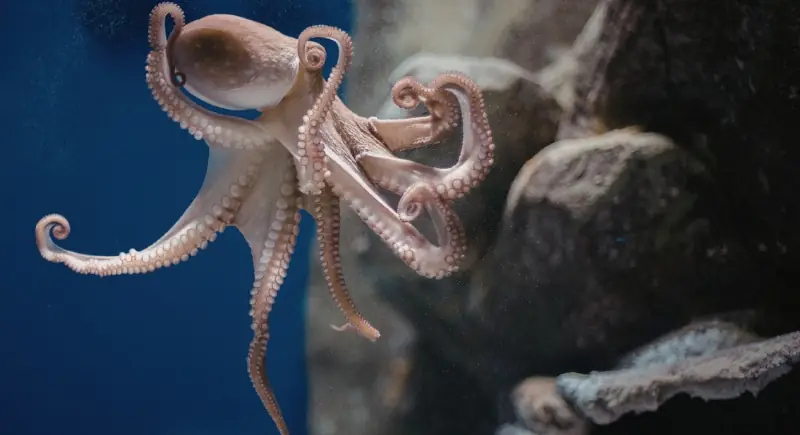
Octopuses are capable of distinguishing individual humans. At the New England Aquarium, an octopus named Truman repeatedly sprayed jets of water at a volunteer who had previously irritated it. When the volunteer left for several months, the animal stopped spraying anyone. The moment she returned to the aquarium, Truman immediately targeted her again.
Honey Badgers
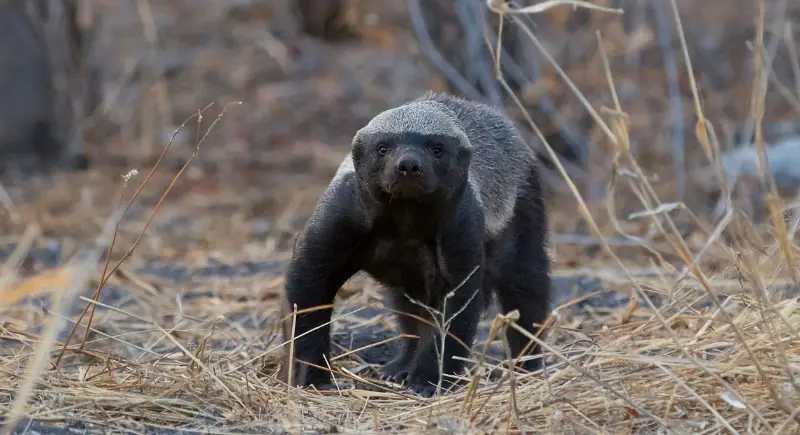
Honey badgers show strong persistence after encounters with traps or human interference. Wildlife trappers have reported cases where released animals returned to the same location and destroyed traps, equipment, and nearby supplies. The behavior often continues even after the initial capture attempt ends. Badgers tear apart cages, chew through ropes, and damage anything connected to the original trap site.
Chimpanzees
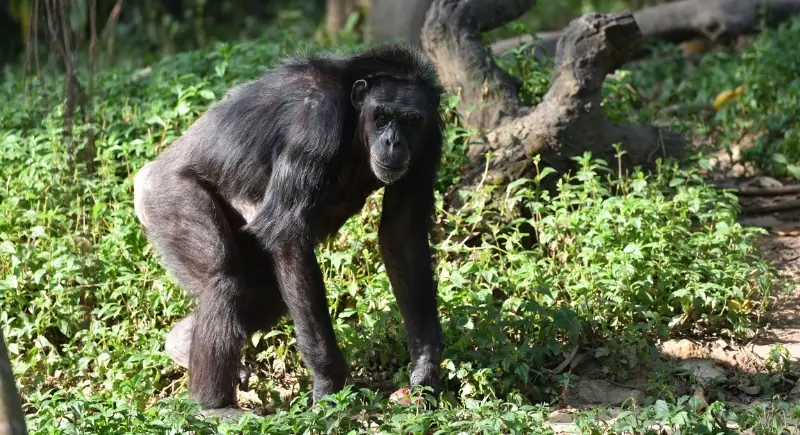
Chimpanzees maintain detailed social memory inside their groups. Researchers observing feeding experiments have documented retaliation when individuals steal food or break established hierarchies. Punishment sometimes occurs much later and may involve multiple chimpanzees targeting the offender. The response reinforces group rules about food sharing and dominance.
African Buffalo
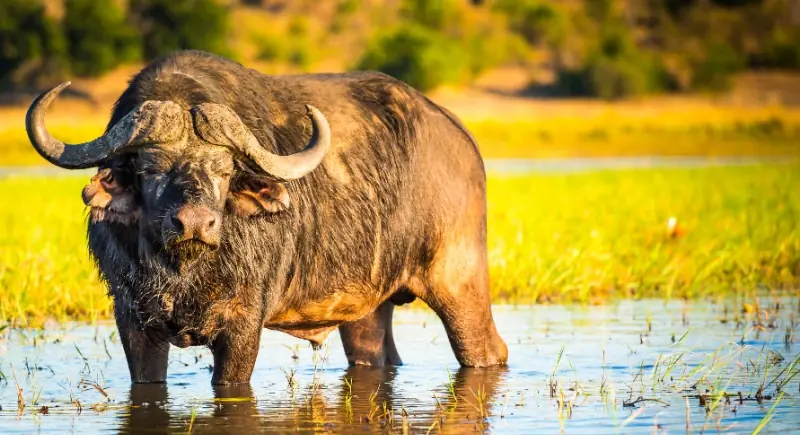
Cape buffalo frequently regroup instead of fleeing when threatened. Hunters have long reported cases where injured buffalo withdraw temporarily and then return to confront the same threat later. The animals often circle back with the herd rather than attacking immediately. This behavior has contributed to the buffalo’s reputation as one of the most dangerous animals to encounter in Africa.
Camels
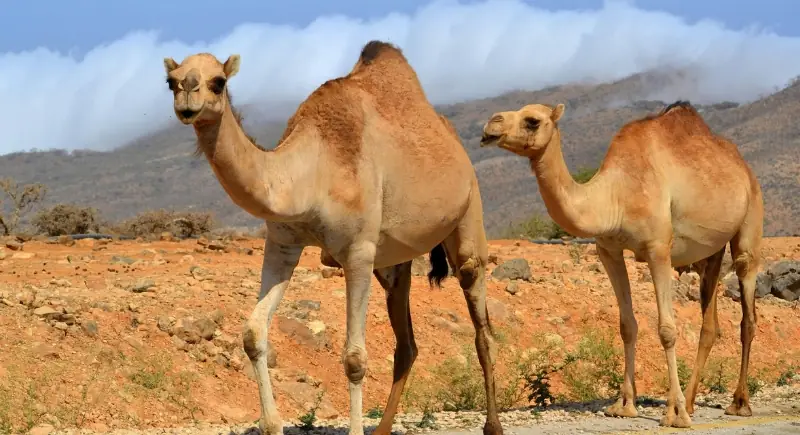
Camels remember individual handlers and respond strongly to mistreatment. A case reported in Rajasthan, India, involved a camel that had been tied outside all day in extreme heat. When the owner returned to untie the animal that evening, the camel attacked him. Witnesses later required several hours to restrain the animal after the assault.
Monkeys
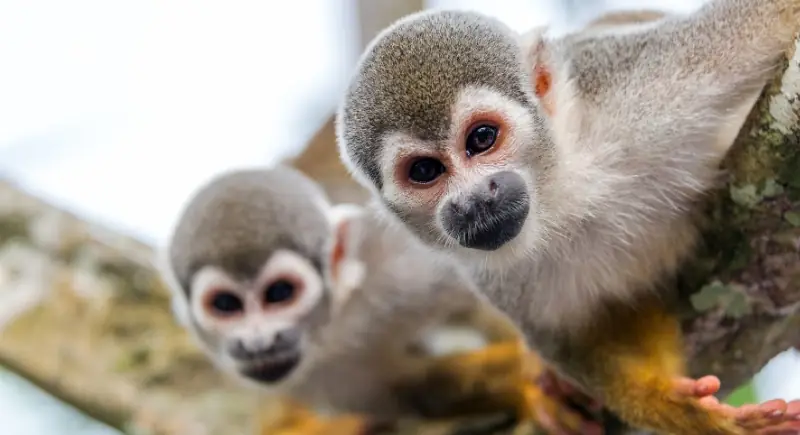
Urban monkey populations in parts of India have developed patterns of retaliation against people who try to drive them away. Residents who throw objects or chase the animals sometimes become repeated targets. Groups have been observed returning to the same homes, throwing stones, stealing food, and confronting the people involved. The behavior spreads through the troop, turning a single conflict into a coordinated response.





