
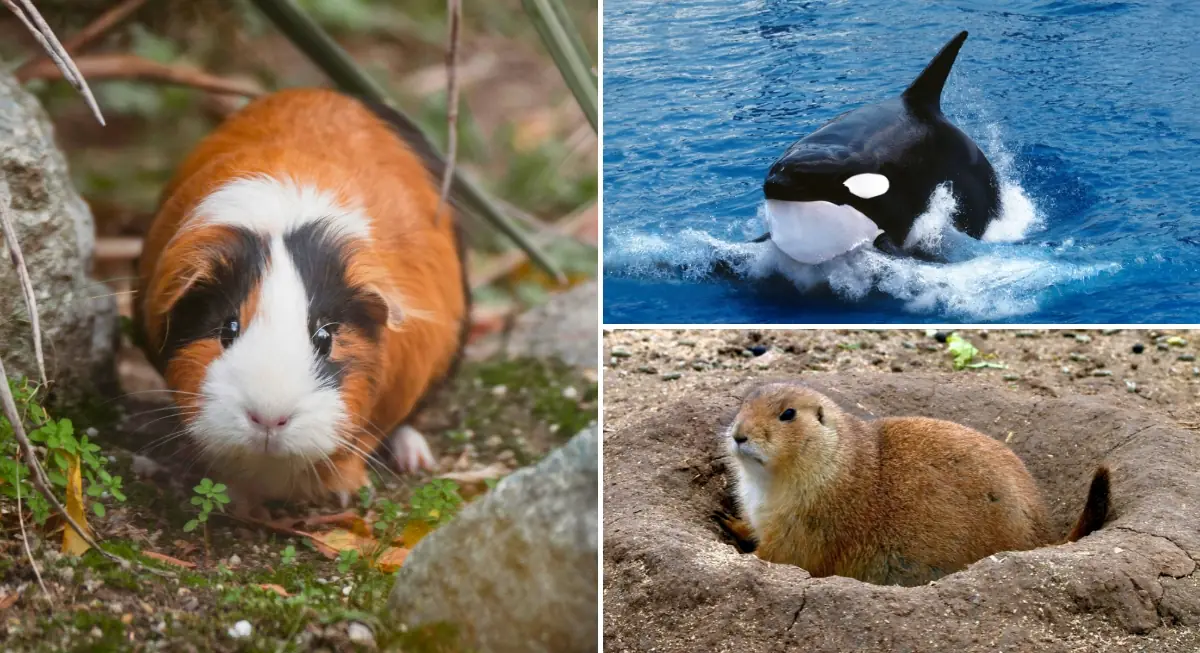
Animal names often sound precise, but many are the result of early guesswork that never got corrected. Explorers, naturalists, and translators labeled creatures based on appearance or limited knowledge, long before modern biology filled in the gaps. The science changed, but the names stayed the same. Today, these animals carry labels that misattribute their ancestry, behavior, or biology, leaving a trail of confusion that has lasted for generations.
Mountain Chicken
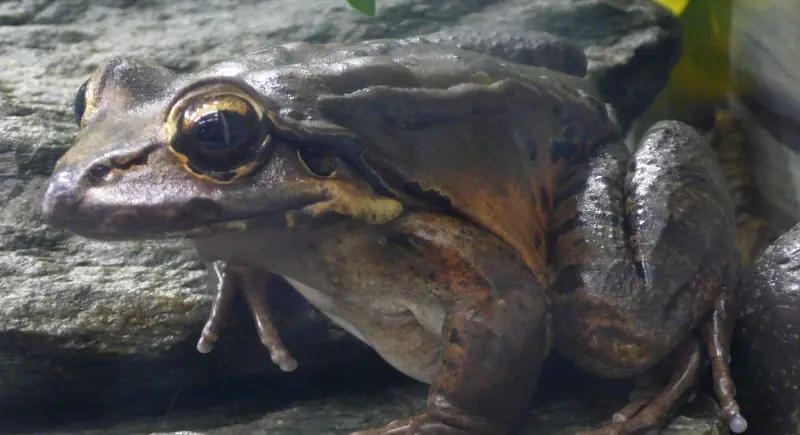
This Caribbean frog has legs, but its name has nothing to do with birds. The mountain chicken is actually a giant ditch frog found on Dominica and Montserrat. The name comes from people comparing its taste to chicken. Disease and habitat loss have since pushed it to the brink of extinction.
Guinea Pig
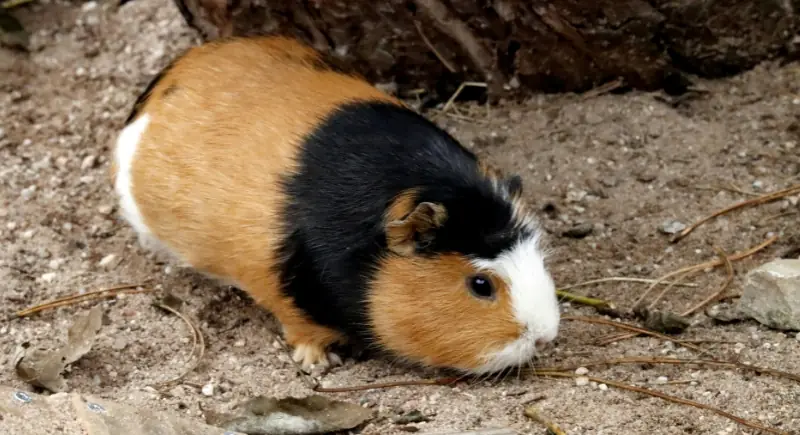
These squeaky pets come from the Andes, where Indigenous communities domesticated them thousands of years ago. The name makes little sense. Some link it to old trade routes that passed through Guinea, others to the animal’s grunting sounds, which early Europeans may have misunderstood.
Flying Lemur
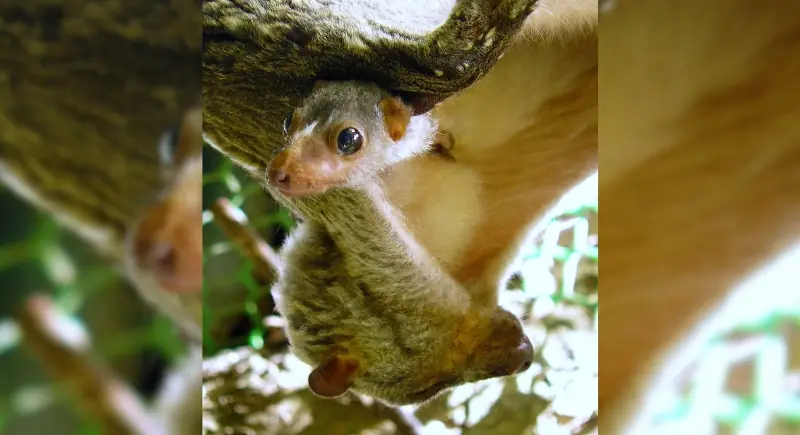
Despite the name, this animal neither flies nor is a lemur. The flying lemur, or colugo, glides using a skin membrane stretching between its limbs. It’s more closely related to primates than lemurs are, but it belongs to its own order, Dermoptera. Colugos are tree-dwelling animals that spend most of their lives gliding from tree to tree in search of food.
Killer Whale
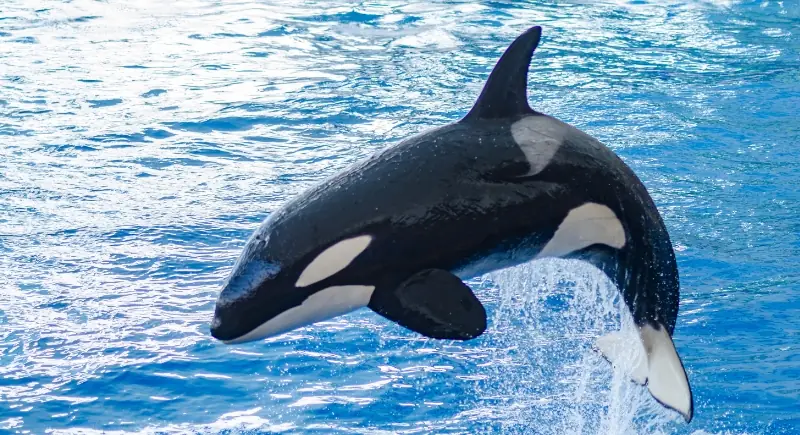
Orcas look like whales, but genetically they fall squarely into the dolphin family. They’re the largest of the oceanic dolphins and share behavioral traits like social bonding and echolocation. The name comes from sailors who watched them hunt large prey, including whales.
King Cobra
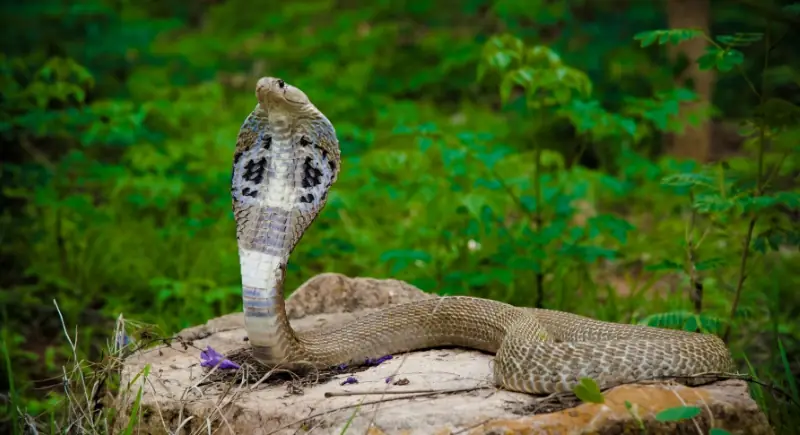
Most cobras belong to the Naja genus, but the king cobra stands apart. It is the only species in the genus Ophiophagus, a name that literally means “snake-eater.” The “king” title comes from its habit of hunting and eating other snakes. Despite the familiar hood and dramatic posture, its biology places it in a category of its own.
Red Panda
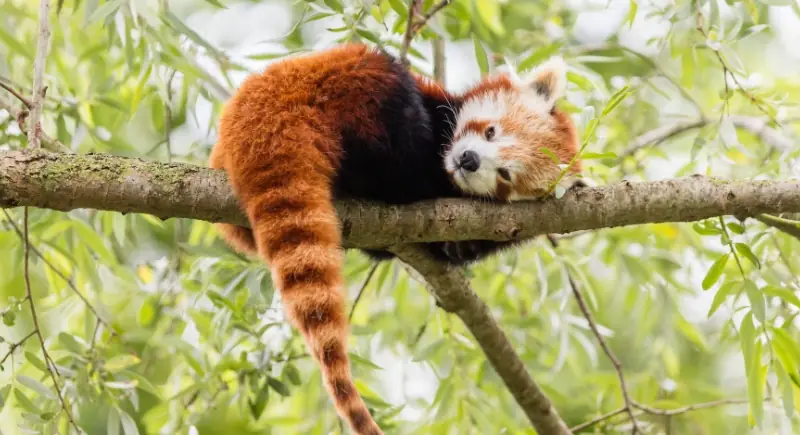
Although it shares part of its name with the giant panda, the red panda isn’t a bear. It belongs to its own unique family, Ailuridae, and its closest relatives are raccoons and skunks. Interestingly, the red panda was named before the black-and-white bear got the “panda” title.
Prairie Dog
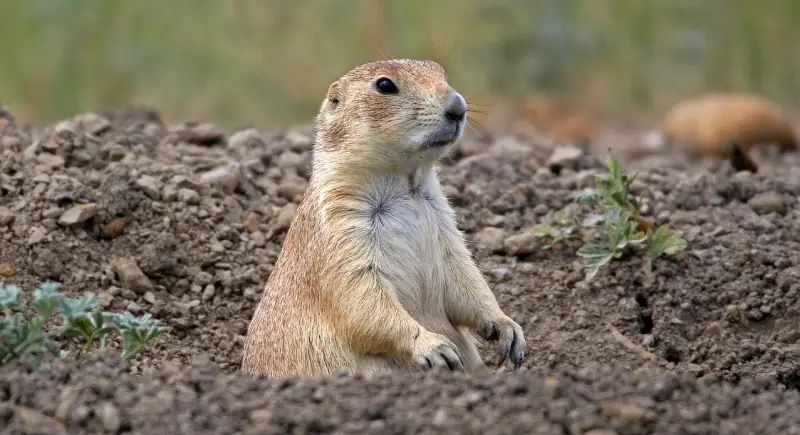
Don’t expect barking or wagging tails. Prairie dogs are rodents, not dogs. Early European explorers likely named them after hearing their sharp warning calls, which loosely resemble a bark. Highly social, they live in underground colonies called towns and rely on a surprisingly complex system of vocal communication.
Electric Eel
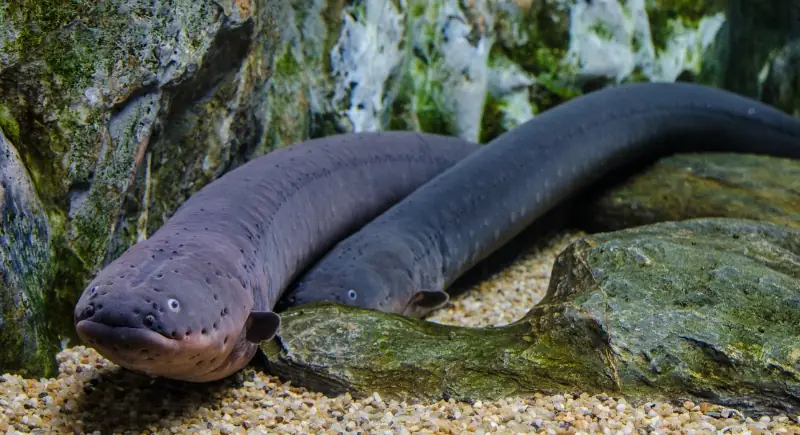
This shocking creature isn’t an eel at all. It’s a knifefish, more closely related to catfish than to true eels. Electric eels breathe air and lack many traits of real eels. The name stuck because of their long bodies and electric abilities, which they use for navigation and defense in murky Amazonian waters.
Flying Fox
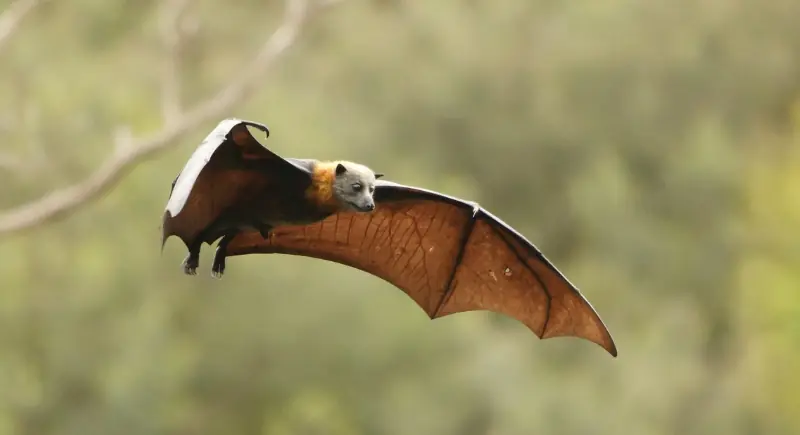
The name might make you picture a hybrid of bat and fox, but flying foxes are actually megabats. Their foxlike face and reddish fur may have inspired the name, but these bats eat fruit, not rodents or small prey. Some species have wingspans over five feet, making them the largest bats on Earth.
Sea Cucumber

Despite its soft, elongated body, this creature has zero connection to any actual vegetable. Sea cucumbers are echinoderms, closely related to sea stars and urchins. They live on the ocean floor and feed by filtering organic matter from the sand or water. Early observers probably named them after the familiar garden variety cucumber solely because of their shape.





