
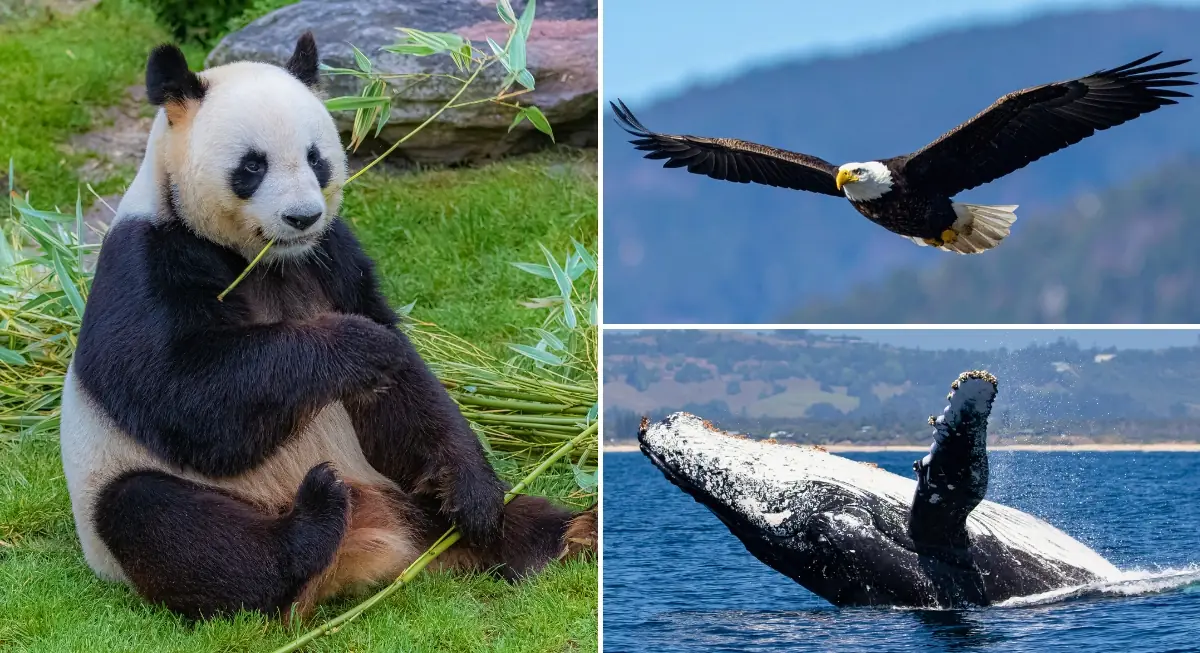
There’s enough gloomy wildlife news out there, so here’s a refreshing shift: some animals have pulled off impressive comebacks. Thanks to decades of conservation work and global cooperation, several species once thought to be on the brink of vanishing are back in business. Their survival stories are a reminder that people really can turn things around—when we try hard enough. Here are 10 species that beat the odds.
Giant Panda

Years of habitat preservation and bamboo planting helped bring wild populations to over 1,800. Researchers even track them by analyzing bite marks on chewed bamboo. The International Union for Conservation of Nature reclassified the panda as “vulnerable” in 2016—a hard-earned upgrade that came after decades of careful planning and coordination.
Arabian Oryx
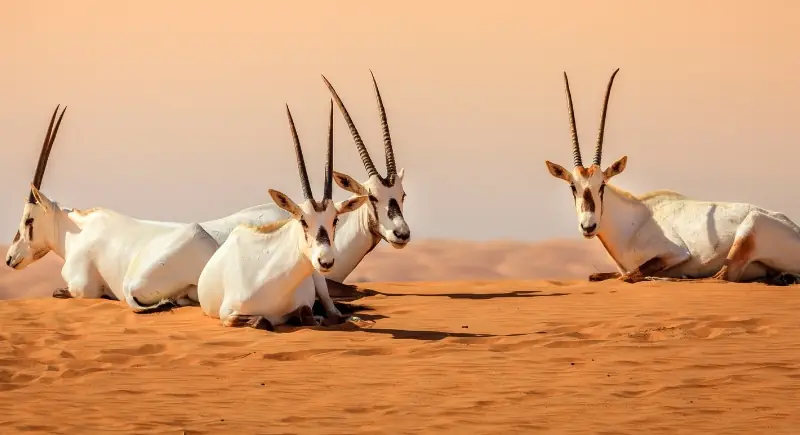
In the 1970s, the Arabian oryx was entirely gone from the wild. Captive breeding, mostly by conservationists in the Middle East and American zoos, helped revive the desert antelope. Today, more than 1,000 roam freely in protected areas across the Arabian Peninsula.
Southern White Rhino
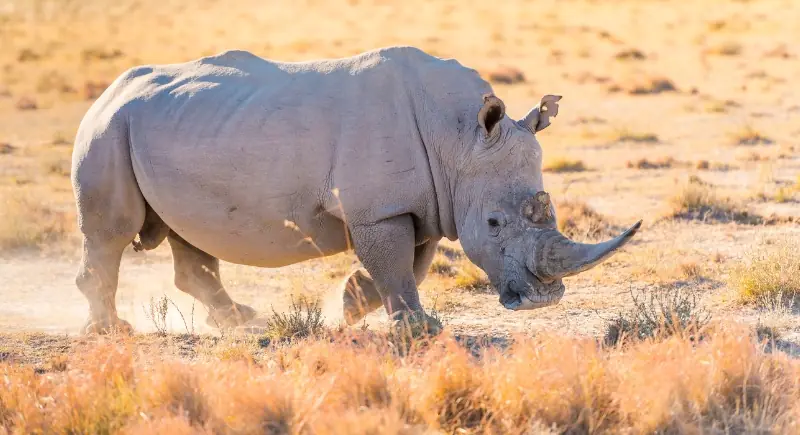
Thought to be extinct by the end of the 19th century, this rhino was rediscovered in South Africa, with fewer than 100 left. With intense protection and habitat management, the population has grown to over 20,000. However, they’re still threatened by illegal horn trade, especially in parts of Asia where demand remains high.
Lake Erie Water Snake
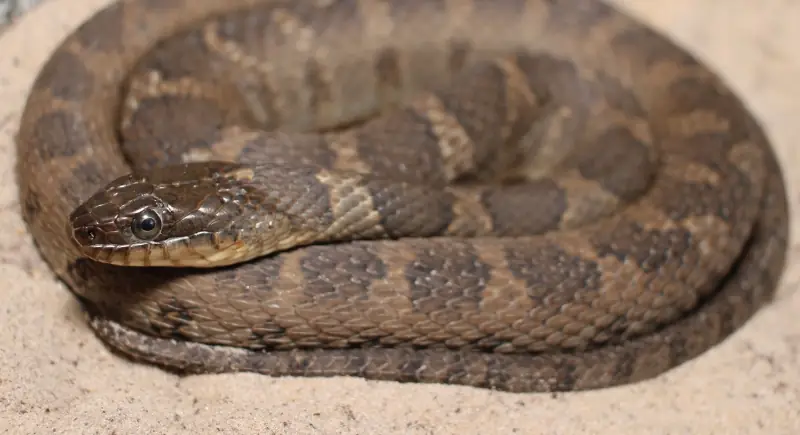
Once considered a pest by locals, this non-venomous snake had nearly disappeared by the 1990s due to habitat loss and human hostility. After being protected under the Endangered Species Act, its numbers recovered. Today, these snakes primarily dine on invasive round gobies—an unintentional bonus for Lake Erie’s ecosystem.
Bald Eagle
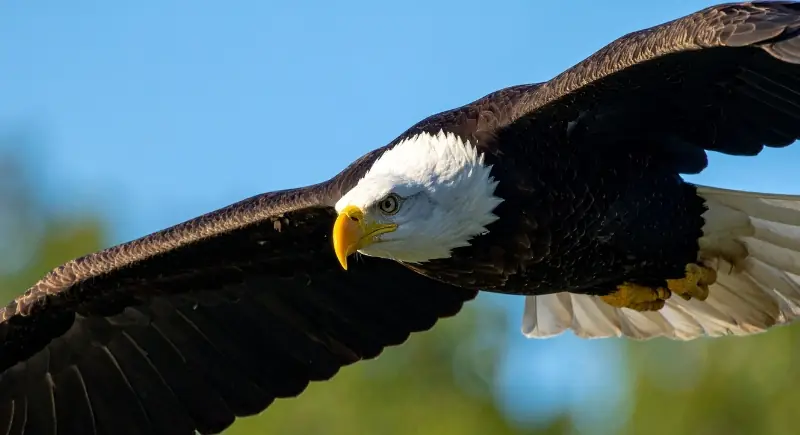
By the 1960s, the U.S. national bird was in serious trouble—largely because of the pesticide DDT, which weakened eggshells and decimated populations. Once DDT was banned and the bald eagle was federally protected, numbers began to climb. These birds can still be seen soaring at high speeds, especially across Alaska and the lower 48 states, where their recovery has been strongest.
Northern Elephant Seal
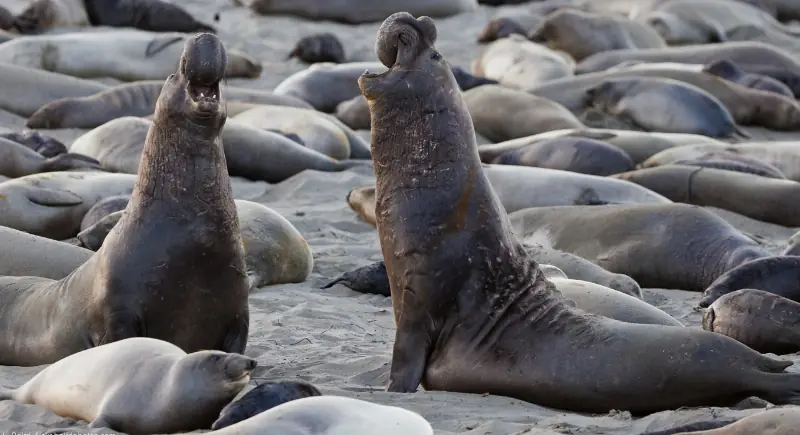
Commercial hunting nearly wiped the Northern Elephant Seal out by the late 1800s, leaving only a small group of about 100 surviving on an island off Mexico. Those few seals became the ancestors of today’s 160,000-strong population. They’re still monitored closely, but the elephant seal is now considered a conservation win.
Manatees
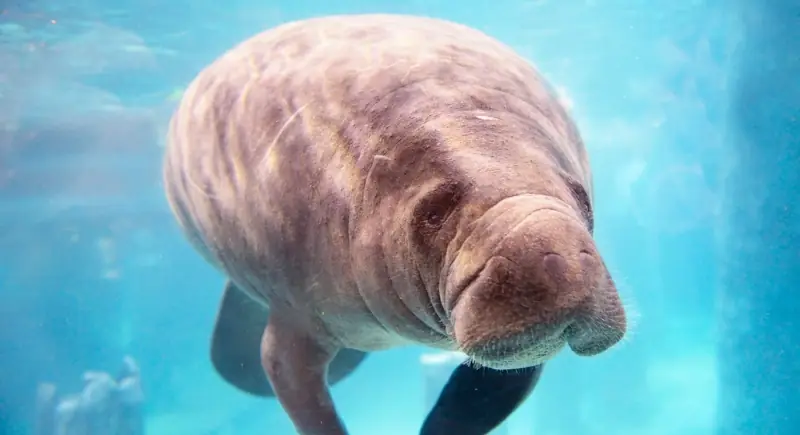
As slow swimmers and frequent boat strike victims, manatees spent decades on the endangered species list. They were delisted in 2017, after their numbers rose significantly due to the protection of warm-water habitats and stricter boating regulations. Florida now hosts a stable population of these aquatic mammals, also known as sea cows.
Humpback Whale
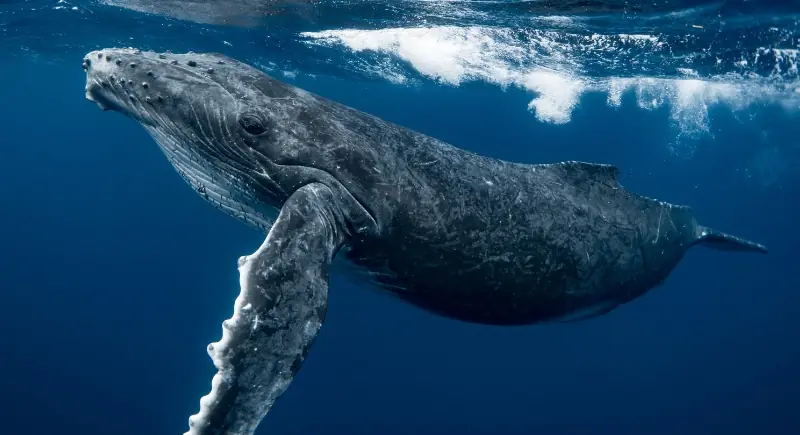
Australia removed humpbacks from its threatened species list in 2022 after their population rose from a few thousand to more than 40,000. The rebound followed international bans on commercial whaling and the establishment of marine sanctuaries. Despite their size—some can grow over 50 feet—humpbacks are known for acrobatic leaps and underwater songs.
Steller Sea Lion
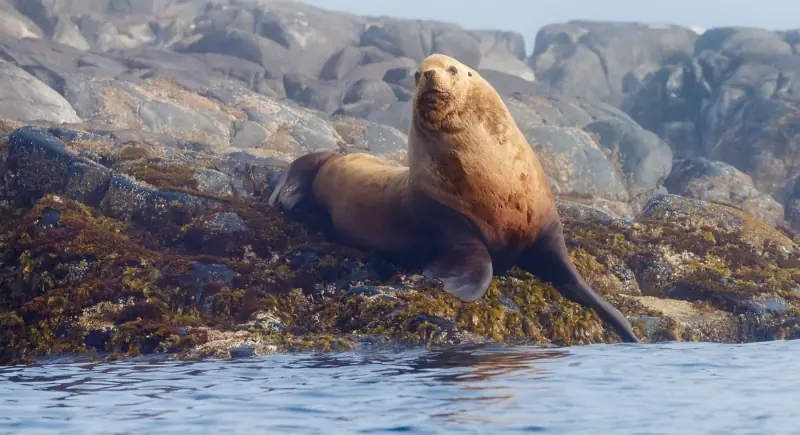
These sea lions were in trouble by the 1970s, with overfishing and environmental disruption pushing numbers into steep decline. When listed as endangered in 1990, the population was around 18,000. Decades of research, marine protections, and fishery limits led to a strong rebound. Today, there are over 70,000 Steller sea lions across the North Pacific.
Gray Wolf
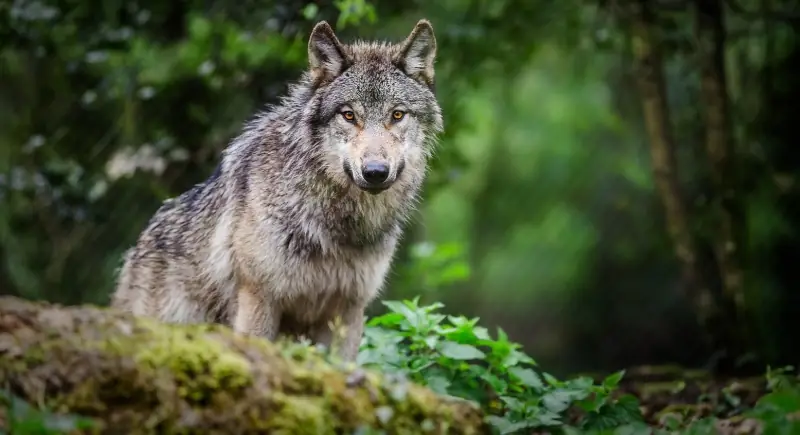
After being vilified as livestock predators, gray wolves were nearly eradicated across the U.S. by the mid-20th century. Protections began in the 1970s, and gradual reintroductions—especially in the northern Rockies—helped numbers grow. Yellowstone’s wolf packs are now a core part of the park’s ecosystem.





