
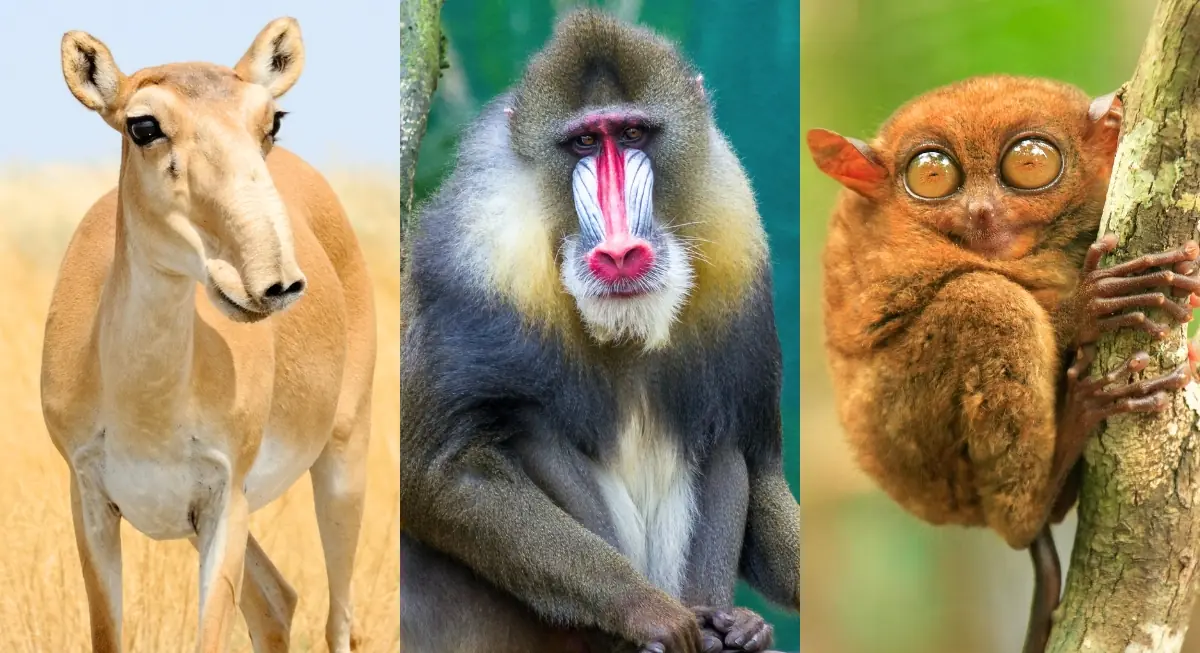
We grow up hearing that we should not judge a book by its cover or people by their appearances, and the same rule applies to animals. A strange face does not signal danger or weakness. In many cases, it reflects how a species adapted to survive in its environment.
Across deserts, forests, rivers, and oceans, animals developed facial features that help them survive in their environments. Some help with breathing, some improve hearing, and others detect movement in darkness.
Saiga Antelope
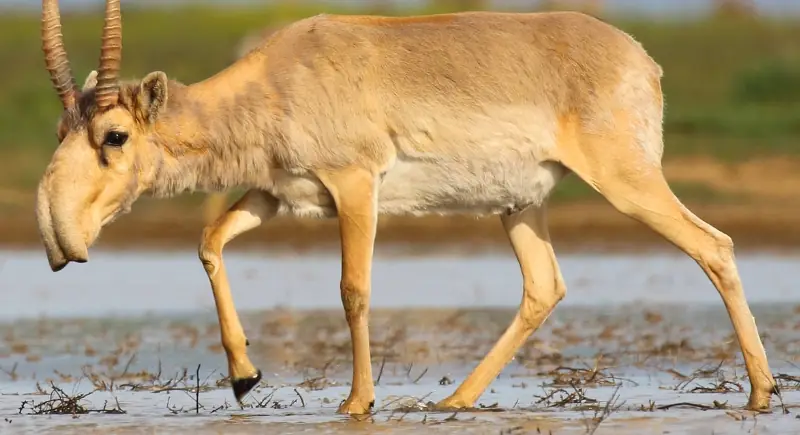
The first thing anyone notices is the oversized and drooping nose on the saiga antelope. However, it serves a purpose year-round. Throughout dry summers in Central Asia, the nasal passages filter thick dust before it reaches the lungs. Winter brings freezing air, and the same passages warm it before it is inhaled.
Proboscis Monkey
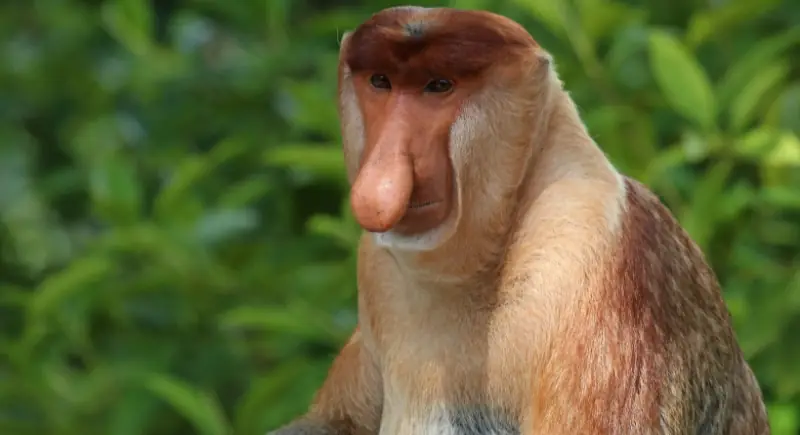
A long, pendulous nose hangs over the mouth of the male proboscis monkey. Researchers discovered that the enlarged nose amplifies vocal calls. Consequently, louder calls help males attract females and signal dominance to rivals. Females respond by moving closer to the vocalizing male, while rivals of the same gender assess the strength behind it.
Mandrill
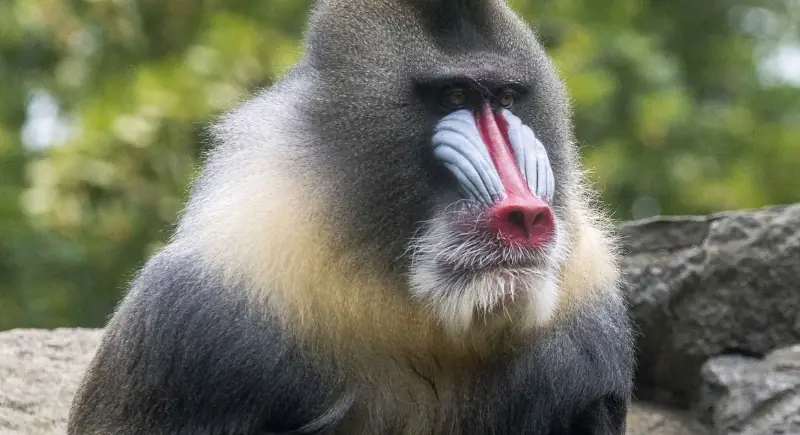
The mandrill’s face is hard to overlook. Bright blue ridges run along both sides of its nose, with a deep red stripe down the center. These colors serve a social purpose, especially in males. As a mandrill rises in status, the colors grow deeper and more intense. Other members of the troop recognize these signals and adjust their behavior accordingly.
Hammerhead Bat
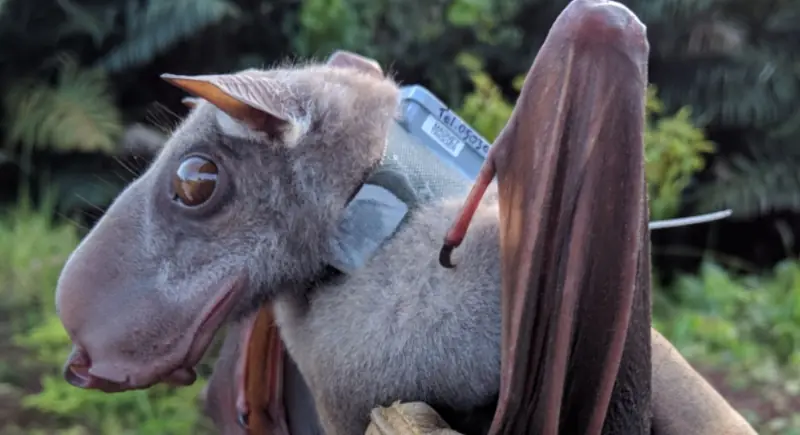
Enlarged lips and a squared snout give the hammerhead bat its name. In males, this facial structure supports powerful mating calls. During breeding displays, males gather and emit loud honking sounds. The expanded snout helps project those calls across forest clearings. Females show smaller, less pronounced features, revealing significant differences between the sexes.
Aye-Aye
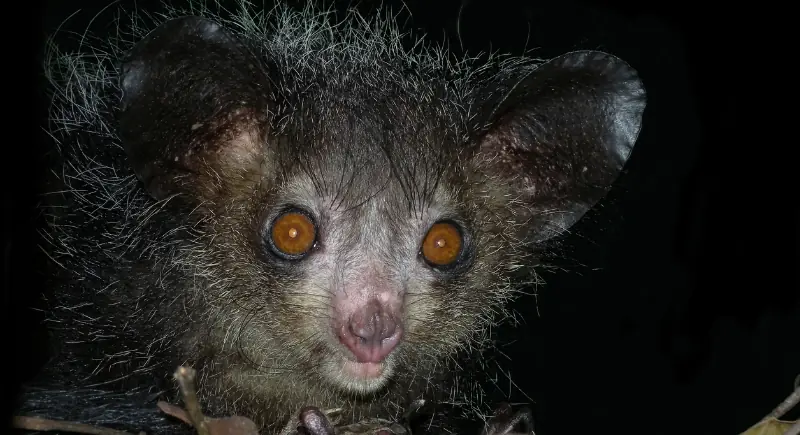
If you ever see large orange eyes staring from the darkness in Madagascar’s forests, you are probably looking at an aye-aye. Those wide eyes help it move and search for food at night. It also has rodent-like teeth that keep growing throughout its life. The strangest feature is its long, thin middle finger, which it taps against tree bark to locate insect larvae, then pulls them out with careful precision.
Star-Nosed Mole
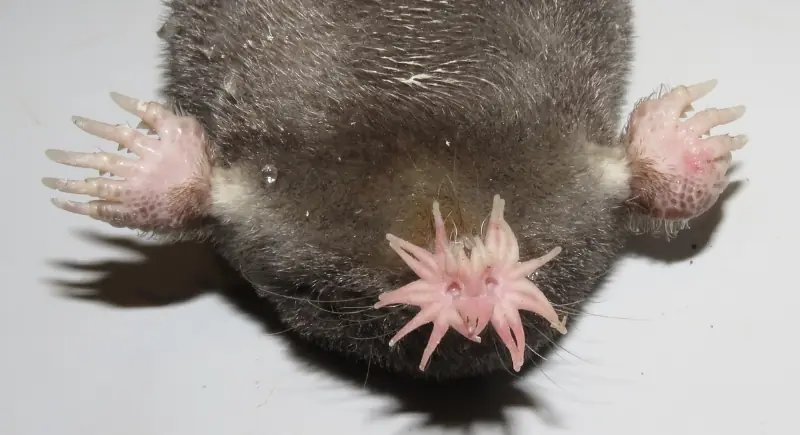
Each tentacle of a star-nosed mole contains thousands of sensory receptors that respond to even the slightest vibration. Together, the twenty-two fleshy appendages form a circular ring around its nose. This arrangement allows the mole to identify and consume prey in less than a quarter of a second. For this reason, it is recognized as the fastest-eating mammal on record.
Tarsier
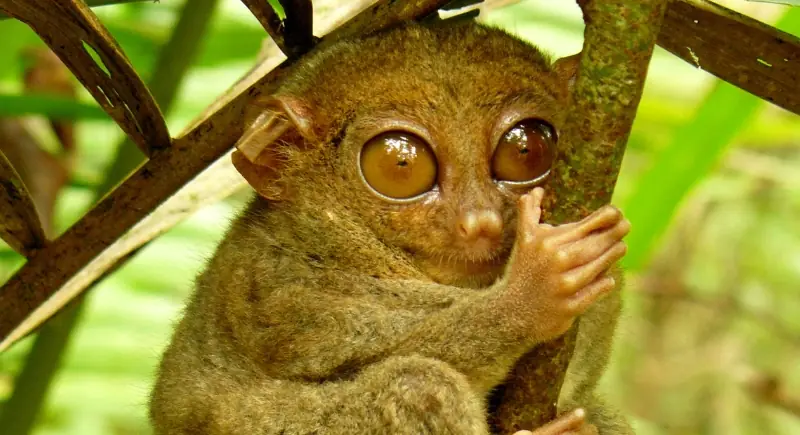
A tarsier’s face is mostly defined by its large eyes. Each eyeball is nearly the same size as its brain and cannot move within the socket. Instead of shifting its eyes, the tarsier turns its head to change its field of view. This ability helps it track insects and other small prey while hunting at night in Southeast Asian forests.
Opabinia
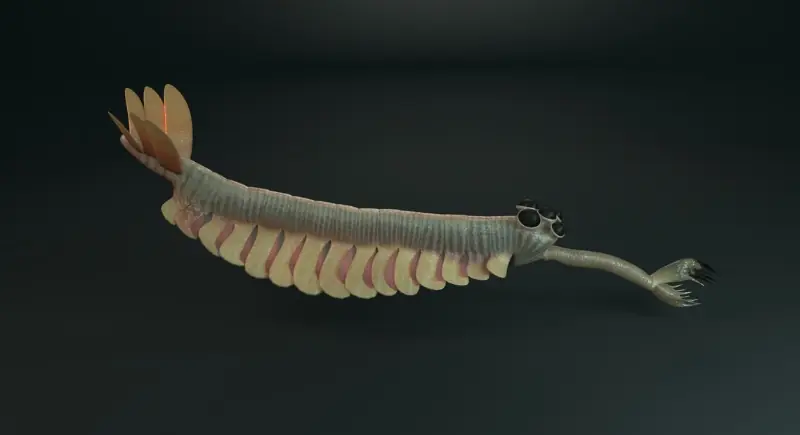
Fossil records reveal a creature that, at first glance, puzzled scientists. Opabinia had five eyes along its head and a flexible proboscis that ended in a grasping structure. That appendage delivered food into a mouth facing backward. Early conference audiences reportedly laughed when the fossil appeared, suspecting a mistake. Further research confirmed its authenticity.
Goblin Shark
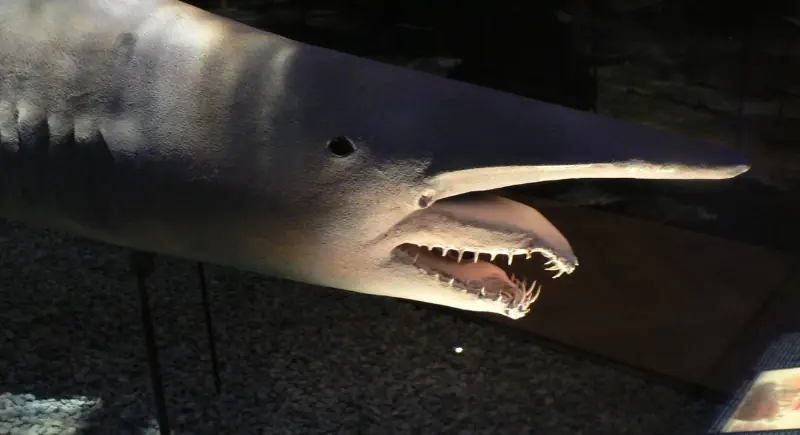
An elongated snout extends forward and gives the goblin shark a striking outline. Inside that snout, there are electroreceptors that detect faint electrical signals emitted by prey. Beneath it, a protrusible jaw can thrust outward rapidly to capture food. The species lives thousands of feet below sea level, and the distinct profile enables feeding where vision alone cannot guide a predator.
Lamprey
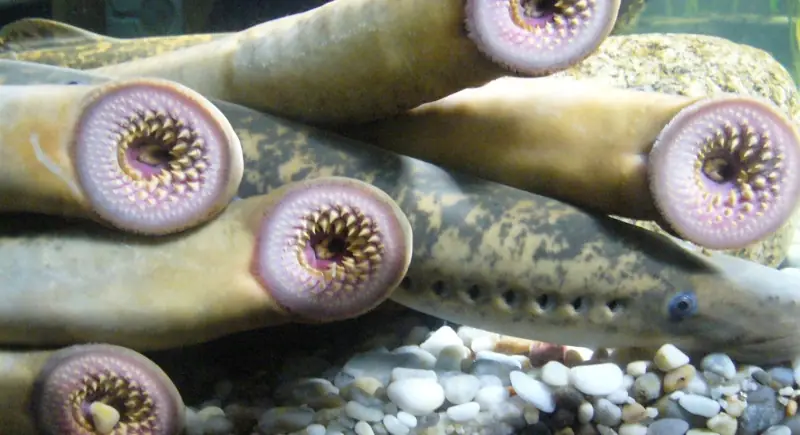
It is not unusual for a lamprey to attach itself to a larger fish using its circular suction disc. That disc replaces a typical jaw and is lined with rows of sharp teeth that grip firmly against the host’s body. Parasitic species feed by drawing blood after locking into place.





