
Before a storm hits or the ground begins to shake, some animals seem to know what’s coming. Their early reactions have puzzled people for centuries. Now, scientists are paying closer attention, as these behaviors are being studied as possible warning signs of natural disasters.
This list examines real cases in which animals responded before disaster struck, with facts backed by research and observation.
Elephants Detect Ground Vibrations Before Tsunamis
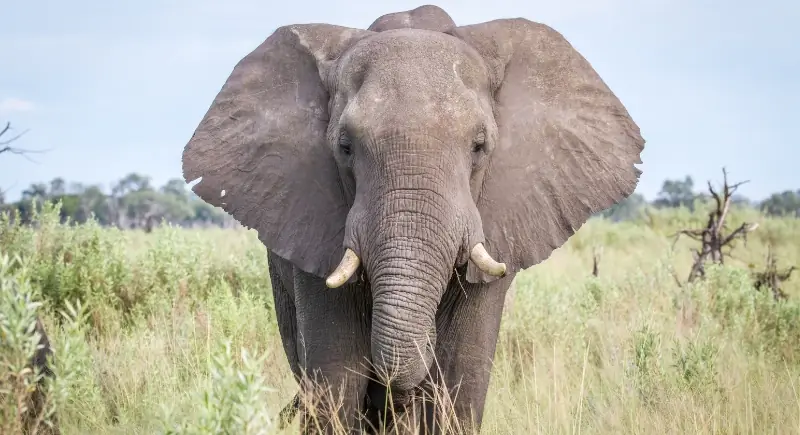
In the hours before the 2004 Indian Ocean tsunami, elephants near coastal areas were observed moving inland. Some reportedly broke their chains to flee. Scientists believe elephants detect seismic activity through their feet and trunks. They responded to low-frequency vibrations that travel through the ground before surface tremors or waves are felt.
Snakes Abandon Dens Before Earthquakes
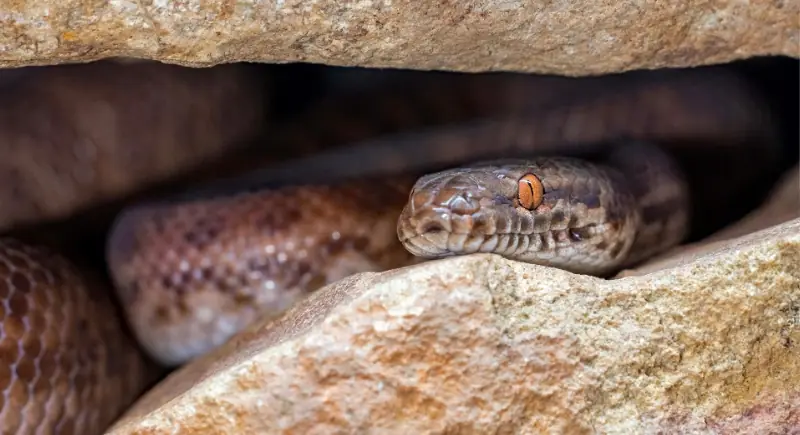
Snakes were observed leaving their dens during freezing temperatures weeks ahead of the 1975 Haicheng earthquake in China. This wasn’t a minor anomaly. Snakes typically stay underground all winter. Their early surfacing was one of several strange behaviors that convinced officials to evacuate the area, likely saving tens of thousands of lives.
Golden-Winged Warblers Flee Tornado Zones
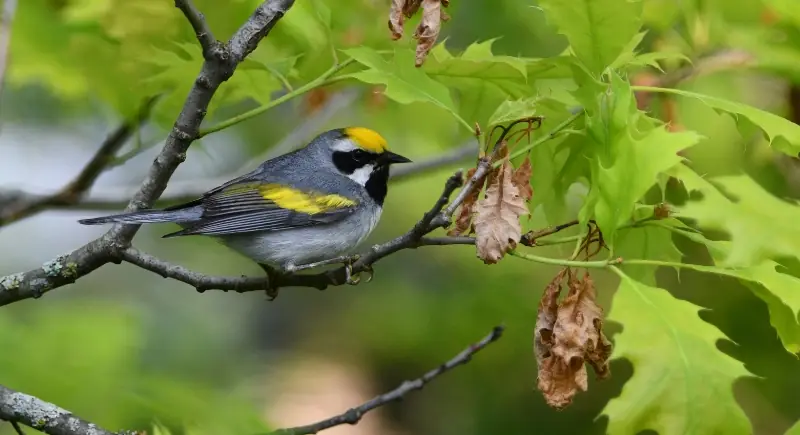
Golden-winged warblers nesting in Tennessee abruptly flew hundreds of miles south in April 2014. Days later, tornadoes tore through the region. Scientists studying the birds’ GPS tags believe the warblers picked up on infrasound—deep, low-frequency noise generated by storms that travels vast distances and isn’t heard by humans.
Goats on Mount Etna Show Signs Before Eruptions
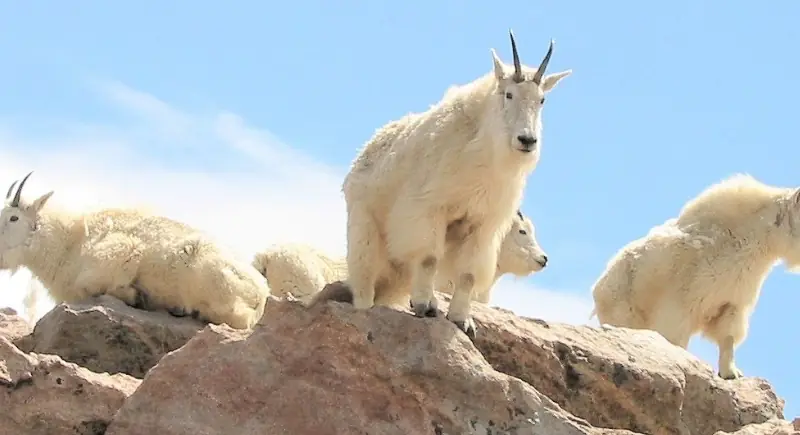
On the slopes of Sicily’s Mount Etna, a two-year study found that goats wearing GPS and motion sensors grew unusually active before eruptions. Researchers believe the animals responded to small physical or chemical shifts on the volcano that preceded visible activity, such as minor ground tremors or changes in air composition.
Domestic Pets Reacted Before the 2011 Japan Earthquake

Pet owners in Japan described unusual behavior in their dogs and cats just before the massive 2011 earthquake. Some animals barked, hid, or refused food. Scientists now study whether pets might be reacting to changes in static electricity, ground vibrations, or magnetic fields prior to seismic shifts.
Farm Animals Change Behavior and Milk Output Before Quakes
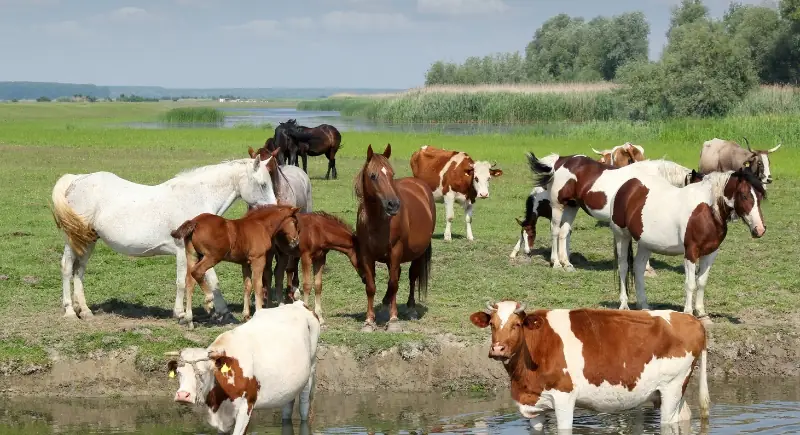
In Italy, biologging tags tracked cows, sheep, and dogs on farms ahead of earthquakes. Hours before strong quakes, many animals became jittery or unusually active. Separately, dairy farms reported a significant drop in milk production in the days before seismic events, even when the farm was hundreds of kilometers from the epicenter.
Birds in the Kivi Kuaka Project Shift Flight After Eruptions

A GPS-tracking effort called the Kivi Kuaka project spotted unexpected detours in migratory bird paths after the Hunga Tonga–Hunga Haʻapai volcanic eruption. Scientists suspect the birds detected infrasound or atmospheric disturbances from the blast and adjusted their routes mid-journey. The tracking data offers rare insight into how airborne animals respond to distant disruptions.
Deep-Sea Fish Surface Before Seismic Activity

Deep-sea oarfish are rarely seen near the surface, but in several cases before large Japanese earthquakes, they’ve washed ashore or been spotted in shallow water. Though still under study, researchers point to the oarfish’s lateral line, a sensory organ that detects pressure changes, as a possible tool for sensing deep tectonic shifts.
Toads Leave Breeding Sites Ahead of Earthquakes
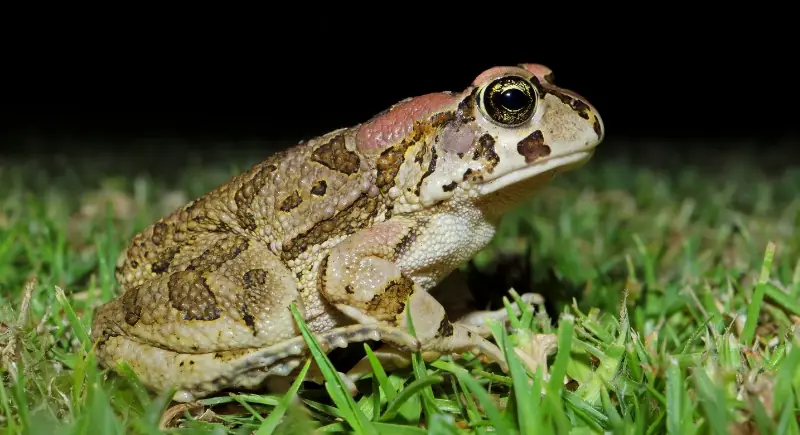
Amphibians have also shown early behavioral changes. In one reported case, toads abandoned their colony during spawning season several days before a major earthquake. The disruption in a typically rigid breeding schedule suggests sensitivity to environmental cues such as chemical changes in water caused by tectonic stress.





