
Turns out that lying down to catch some Zs is not universal. Some animals skip the whole “horizontal nap” deal and snooze upright like it’s no big deal. It’s a quirky, gravity-defying habit that makes much sense in the wild. Here are a few surprising creatures that stay vertical during their rest time.
Horses
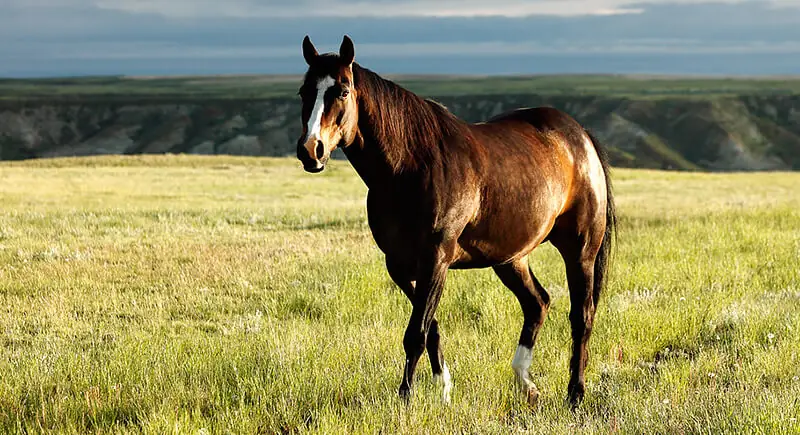
Horses prefer standing up for quick naps. Thanks to a nifty system called the “stay apparatus,” their legs lock in place without using much muscle. It keeps them upright without toppling over like a dozing office worker. A standing snooze also keeps them safer in the wild.
Elephants
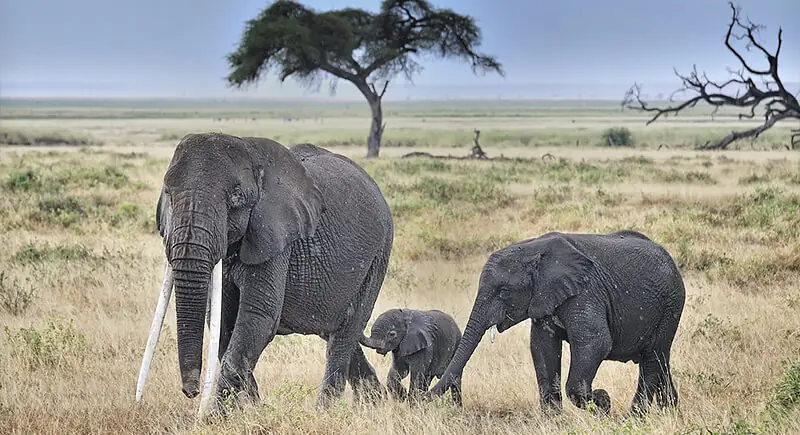
Elephants are light sleepers; surprisingly, they don’t need much shut-eye. In the wild, they average about two hours of sleep per day. They stay on their feet for power naps, especially if they’re on the move or in unfamiliar territory.
Giraffes
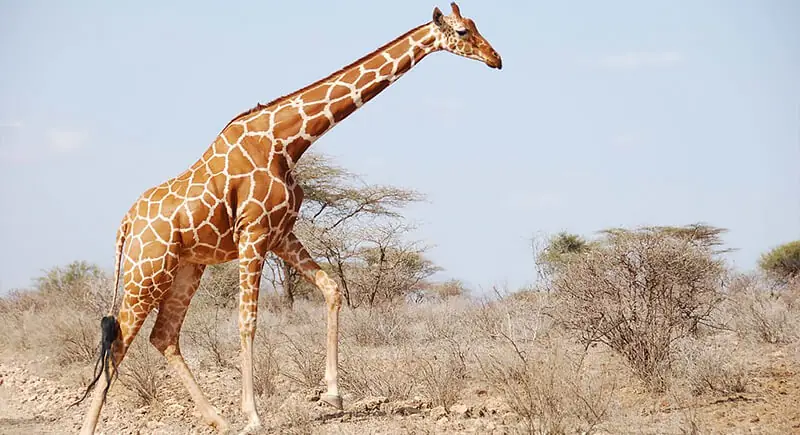
Sleeping while standing for a giraffe is practical. With legs longer than some NBA players and a towering neck to match, collapsing to the ground for a snooze takes effort and makes them easy targets. Scientists once believed giraffes barely slept, but now we know they just do it differently.
Penguins
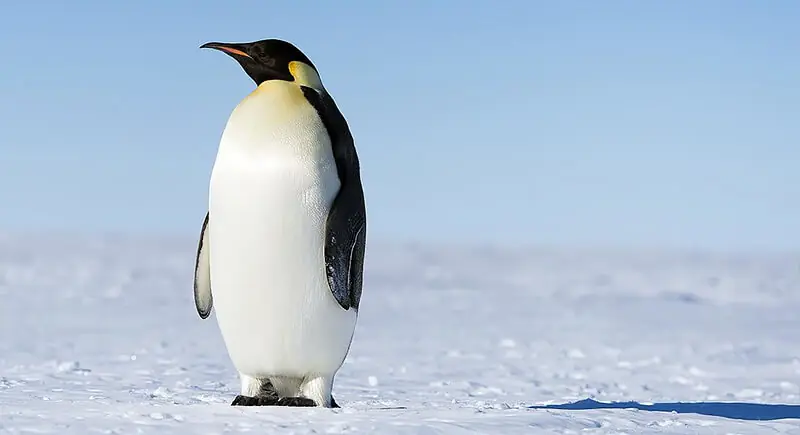
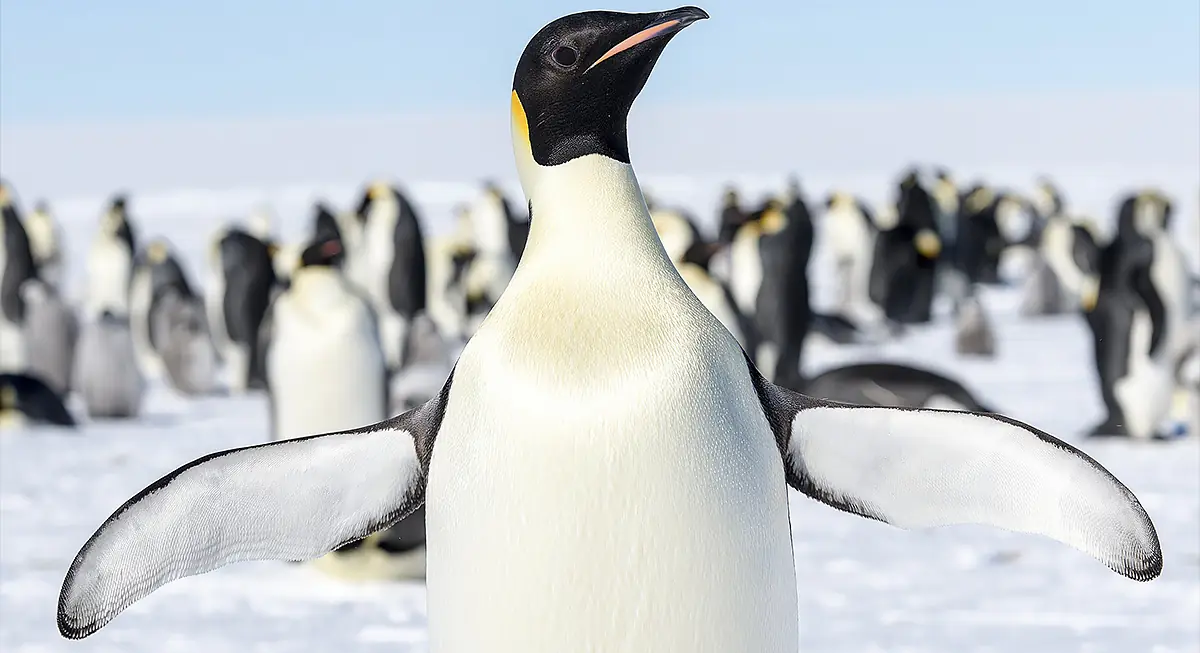
Penguins sleep standing up to stay warm and dry. Huddling in massive colonies, especially during brutal Antarctic winters, keeps them upright so their bellies don’t touch the ice. Emperor penguins, in particular, balance perfectly still, often catching micro-naps throughout the day and night. They also sleep with one eye open sometimes.
Flamingos
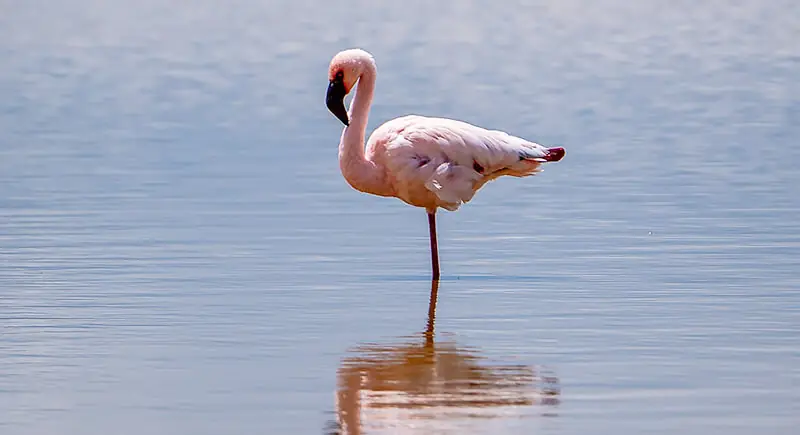
Flamingos make standing on one leg look easy, and they do it while sleeping. Their locking joints let them stay balanced with zero effort. Plus, it helps regulate body temperature by tucking one leg into its feathers.
Zebras
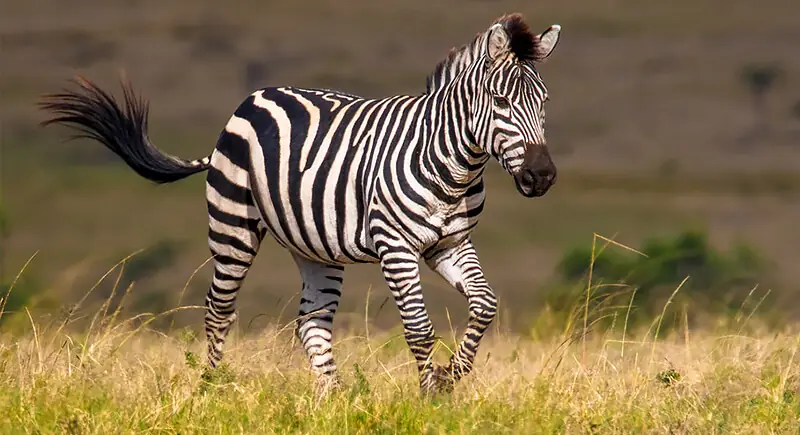
Zebras take brief rests while standing, thanks to strong social instincts and a handy leg-locking trick like horses. They rest in herds in the wild; one dozes, another stands guard. It’s the ultimate tag-team approach to predator defense.
Cows
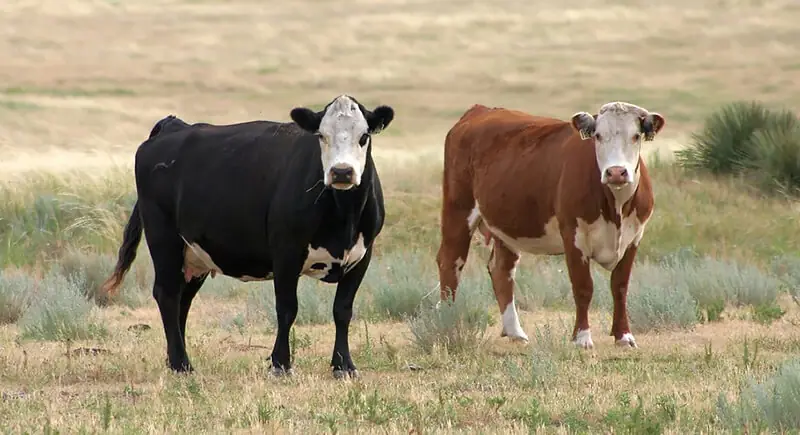
Cows can doze standing up, but they don’t always do it. They’re capable of light snoozes on their feet, but when it’s time for deep sleep, down they go, usually sprawled out in the pasture like oversized dogs. Still, many nap upright throughout the day.
Donkeys
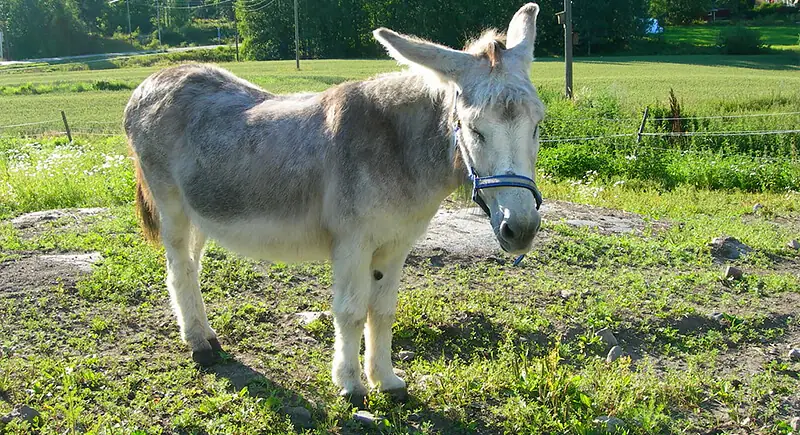
Donkeys have the same low-maintenance sleep habits as horses and use the same joint-locking system to rest standing up, especially outdoors or in uncertain territory. As prey animals, they stay alert even while snoozing; ears twitching, eyes half-lidded, and legs steady.
Ostriches
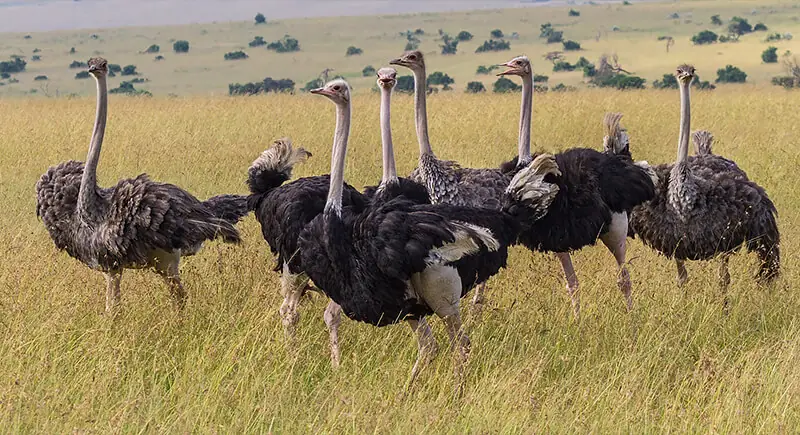
While they lie down for deep sleep, ostriches also nap while standing. During lighter sleep, they stay upright, eyes open, looking eerily alert. In REM sleep, though, their heads slump forward or backward. Experts called this the “ostrich sleep pose,” where their brain activity mimics REM and slow-wave sleep simultaneously.
Camels
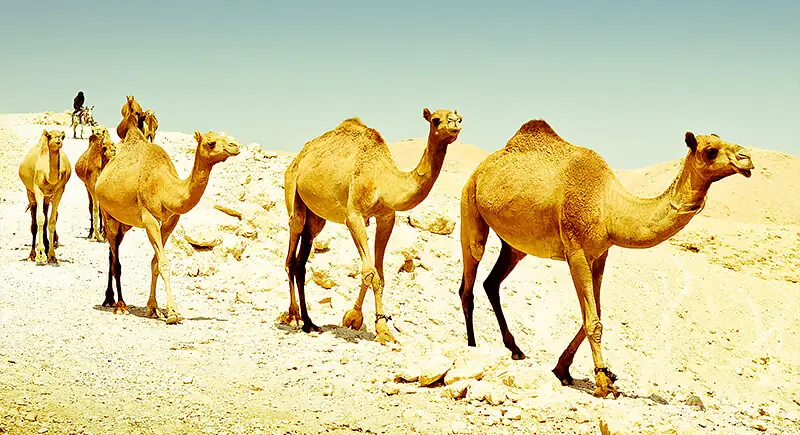
Camels have strong legs and excellent balance, so catching a few Zs without sitting down is second nature. It also keeps them off the hot sand and ready to move if anything stirs nearby. Deep sleep happens lying down, especially at night, but those standing naps are part of the routine.
Moose
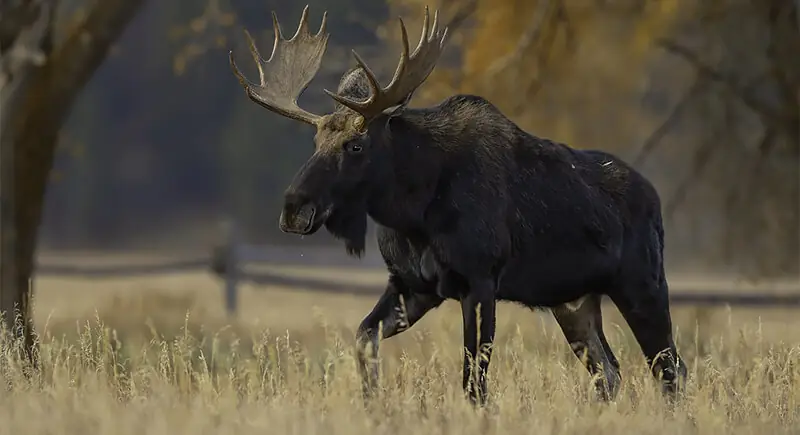
Big bodies, long legs, and a permanent don’t-mess-with-me look, moose have every reason to stay upright while resting. In the wild, predators like bears and wolves make lying down risky. Light naps are often taken while standing, especially in dense forests where a quick getaway matters.
Crane birds
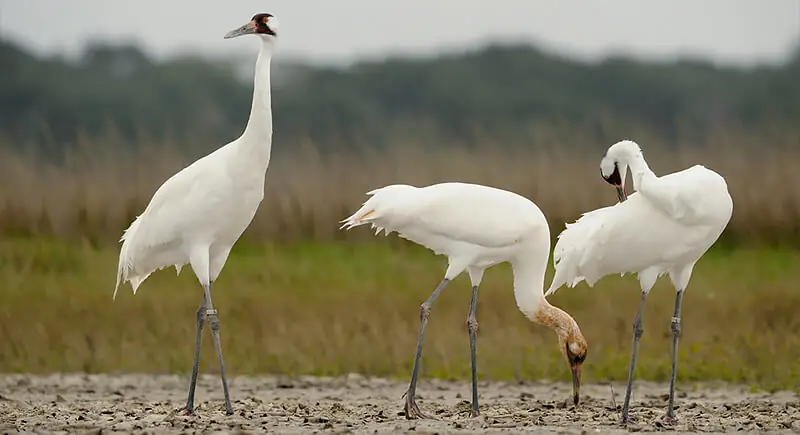
Crane birds are naturally balanced, and that includes snoozing while perched upright. Whether standing in shallow water or tucked into a grassy plain, these tall waders use their long legs and firm grip to stay steady while dozing. Some species even rest on one leg, alternating as needed, much like flamingos.
Rhinoceroses
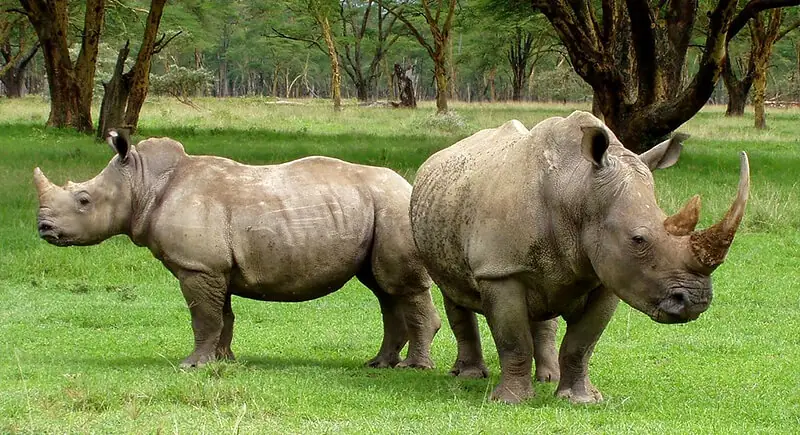
Rhinoceroses are built like tanks, and they’re surprisingly light sleepers. They take short naps throughout the day on their feet, particularly in open areas where visibility helps with safety. When it’s time for deeper rest, especially at night, they usually lie down in soft dirt or mud.
Emus
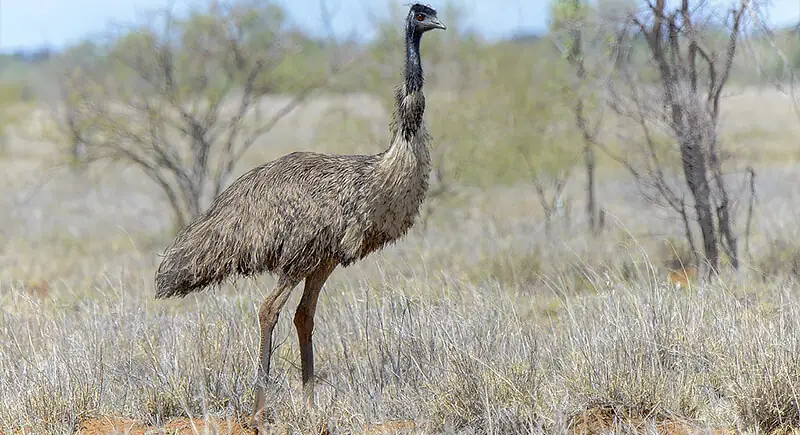
Australia’s flightless birds don’t like to waste energy, including their nap time. Emus occasionally snooze while standing. Their sleep patterns are broken into short bursts, and they’re one of the more unpredictable nappers on this list.
Buffaloes
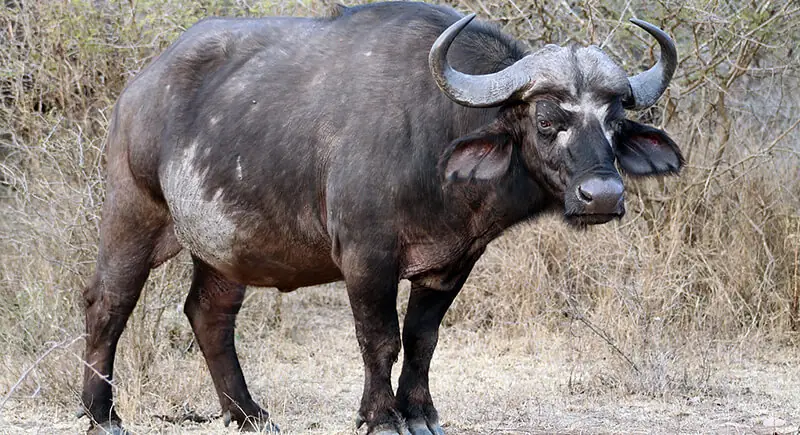
In herds, buffalo often stand close together and doze in shifts. It’s a built-in security system: while some nap, others stay fully awake. This group behavior makes standing naps practical and efficient.
Great Blue Herons
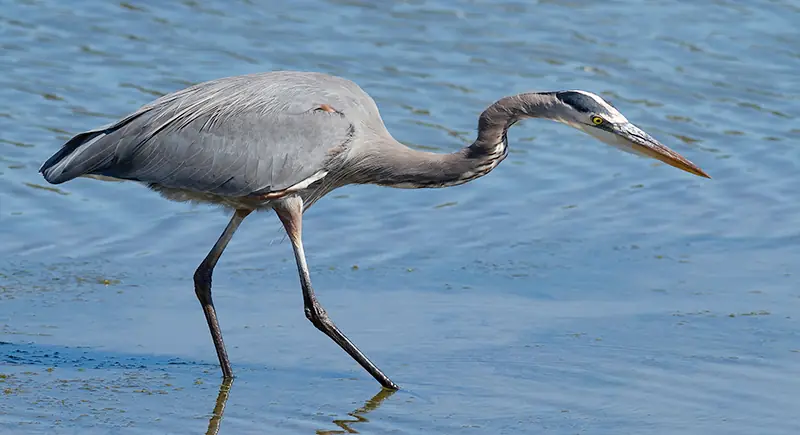
Great blue herons often rest standing still, sometimes balanced on one leg along quiet shorelines. This upright posture helps them stay alert while conserving energy, especially in open wetlands. Instead of fully lying down, they doze lightly, ready to react quickly if something shifts nearby or a predator gets too close.
Wood Snipes
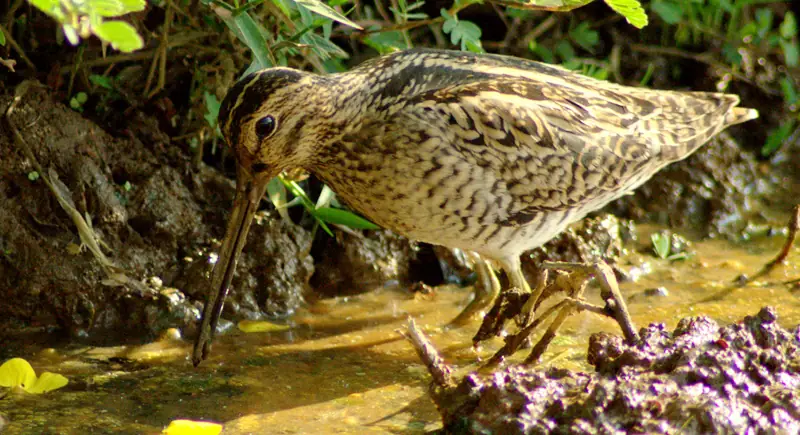
Wood snipes rely on stillness more than comfort when it comes to rest. Blending into forest floors and dense vegetation, they often remain upright and motionless, using camouflage to protect themselves. Their sleep is light and brief, allowing them to stay hidden while conserving energy without drawing attention to their exact position.





