
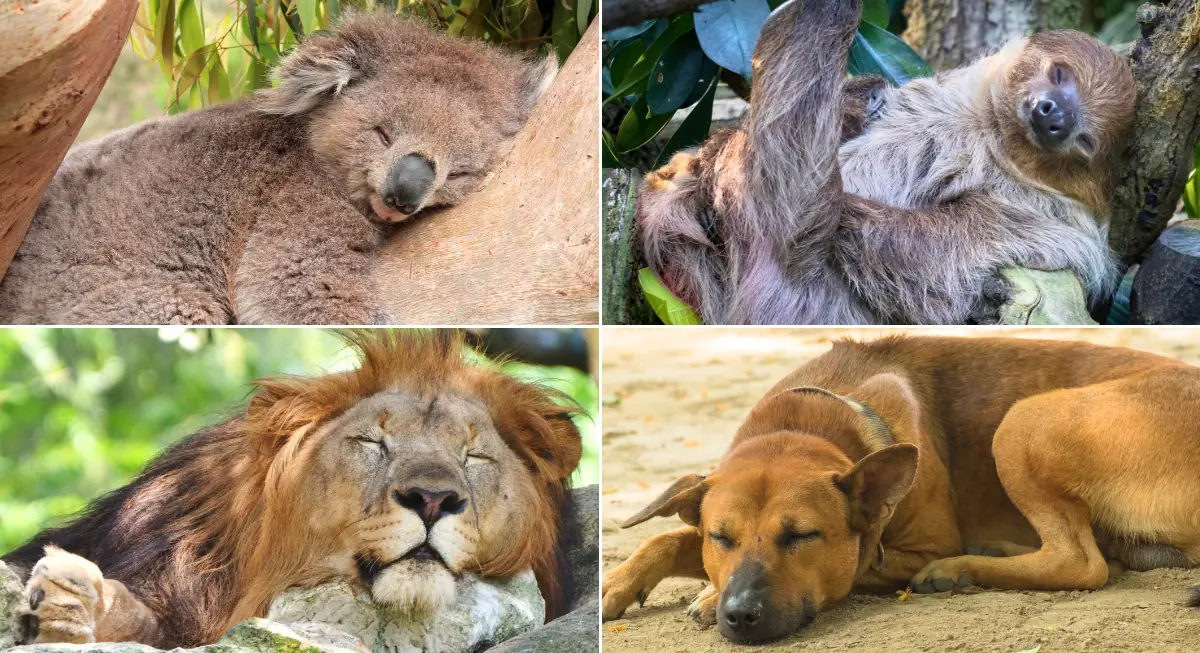
Most animals don’t keep the same schedule we do. While we try to squeeze in eight hours and call it a good night, many animals snooze through more than half the day—and some barely stay awake at all.
Whether it’s for energy, body repair, or just part of how they live, these creatures take sleep seriously. Here are a few animals that spend more time asleep than they do awake—and honestly, we can’t blame them.
Koala
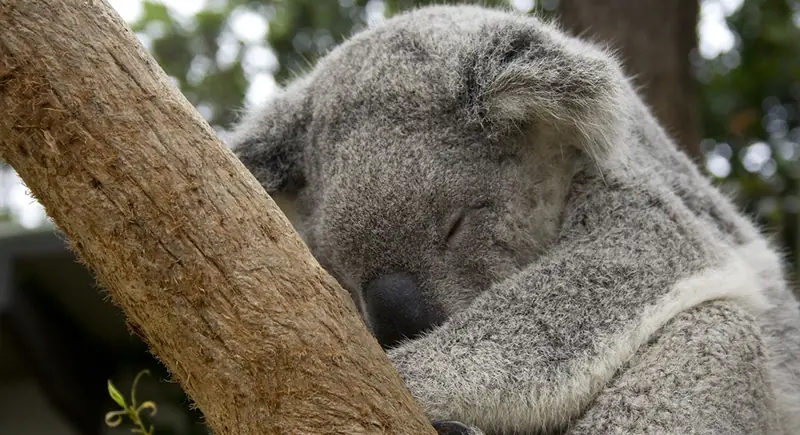
It’s not laziness—it’s biology. These eucalyptus-munching marsupials nap for up to 22 hours each day. Their food takes forever to digest and gives little energy, so they let life pass them by as they remain tucked in tree branches, barely moving. If they’re awake, they’re probably chewing or just switching trees to nap again.
Brown Bat
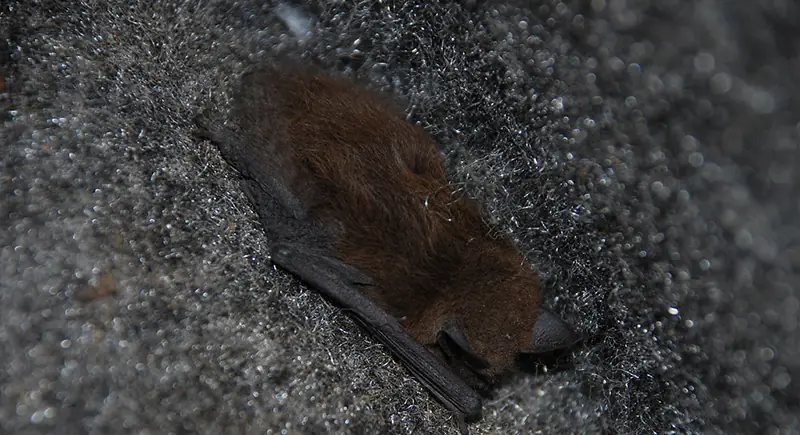
Daylight doesn’t interest them. Brown bats hang out in dark places and do almost nothing for most of the day—roughly 19 hours of it. Their activity happens at night, but even then, it’s brief. Since they’re so small and light, they don’t need much food and just rest and wait for insects.
Python
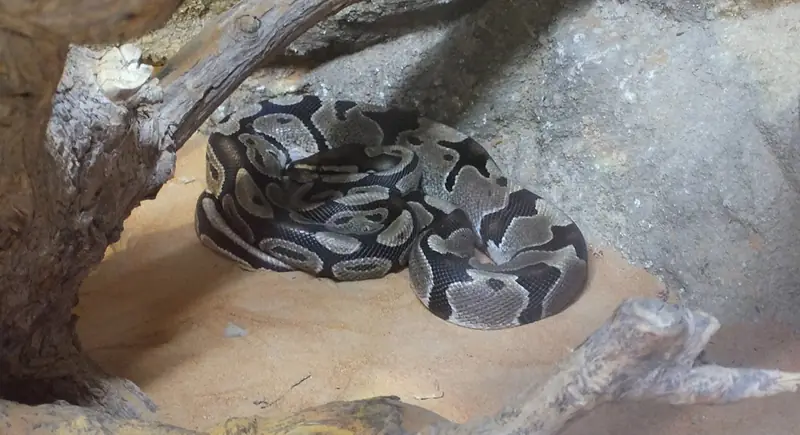
Once they’ve had a meal, it’s game over for a while. Young pythons, in particular, can sleep for 18 out of 24 hours. Even adult snakes prefer to stay still for long stretches. They just don’t need to do much except digest, which takes a long time.
Opossum
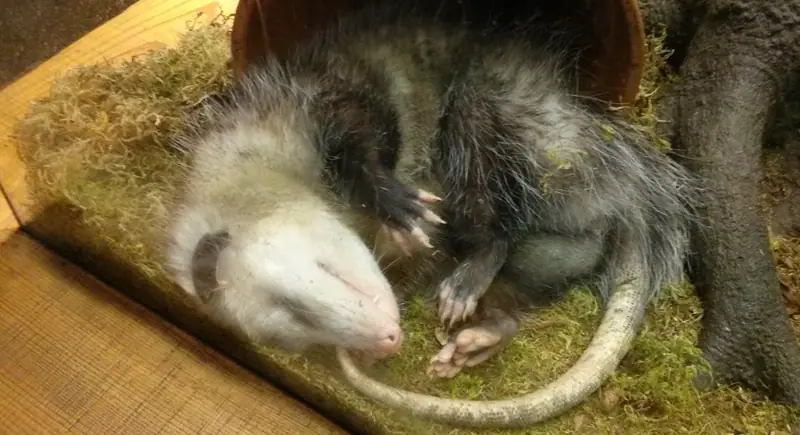
When they’re not foraging in the dark, opossums are tucked away in nests or logs, catching serious sleep—up to 18 hours daily. These quiet animals prefer the night, so most of the time, you won’t see them moving at all. They’re just conserving energy for short bursts of activity.
Armadillo
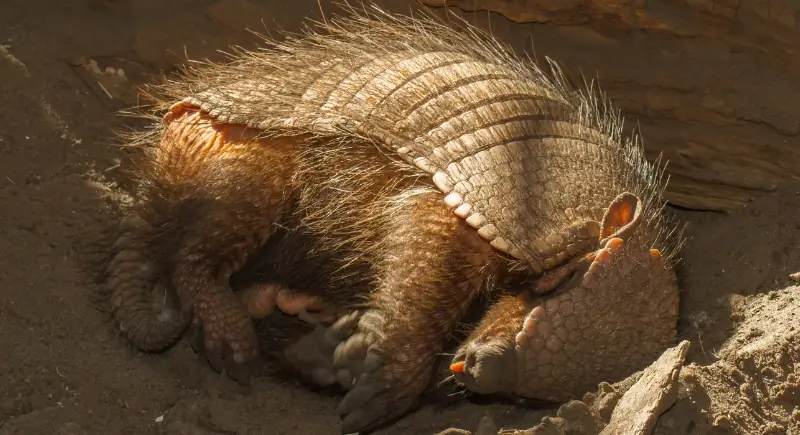
Being nocturnal means they go through the day hidden underground. Armadillos get shut-eye for about 16 to 18 hours and come out only when it’s cooler. Their lifestyle is slow-paced, and they prefer quiet, dark places. Their tough exterior might be built for defense, but their behavior screams nap-lover.
Sloth
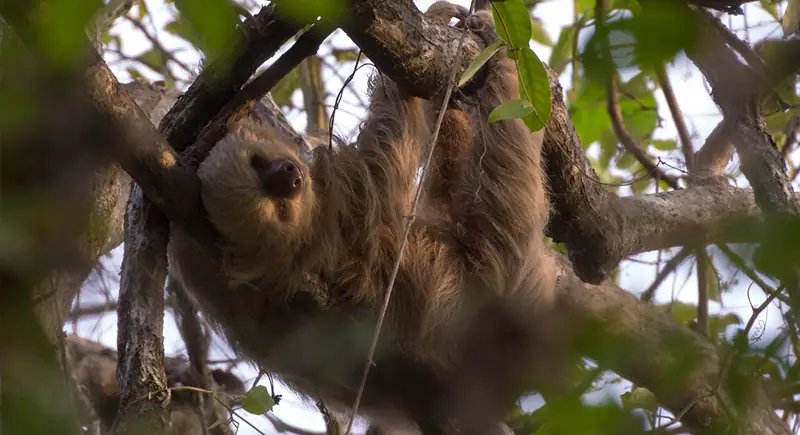
Sloths move slowly, but they also spend a huge chunk of time not moving at all. In the wild, they get up to 18 hours of sleep daily, usually curled around a branch in total stillness.
Tiger
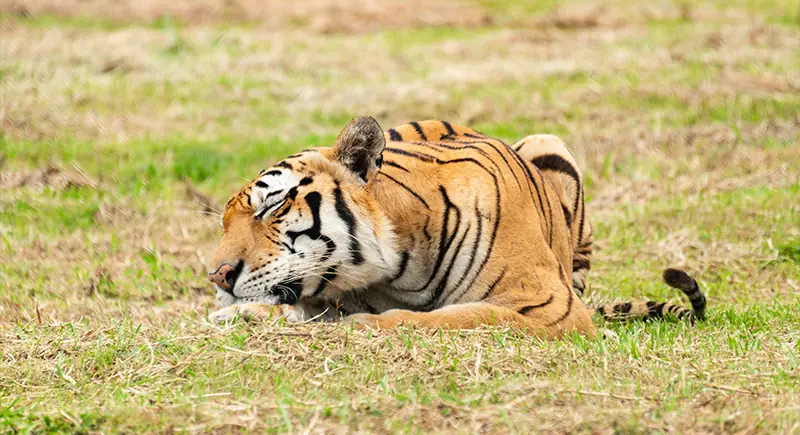
Even the top predator in the jungle needs plenty of rest. Tigers often nap for up to 15 or 16 hours a day. Their strength comes from short, powerful movements, and all that energy needs recharging. You can often find them loitering in tall grass or under trees.
Lion
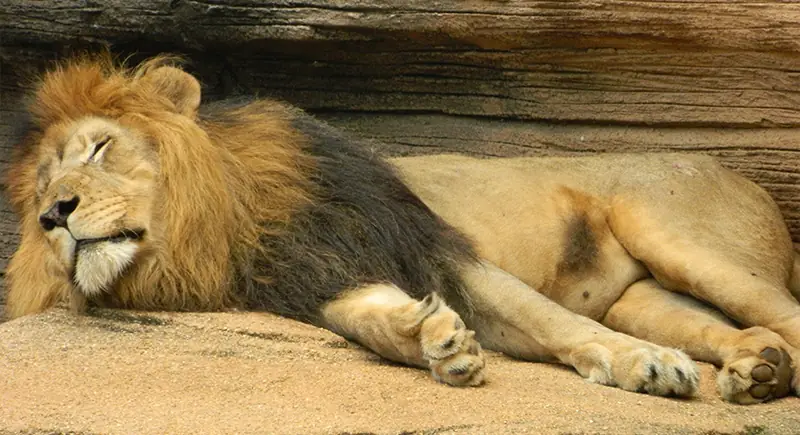
They may rule the savannah, but lions pass much of their days doing absolutely nothing. They spend up to 13 hours of their time sleeping or resting. Hunting is intense and happens in short windows. The remainder of the time, they lie in groups, usually under shade.
Ferret
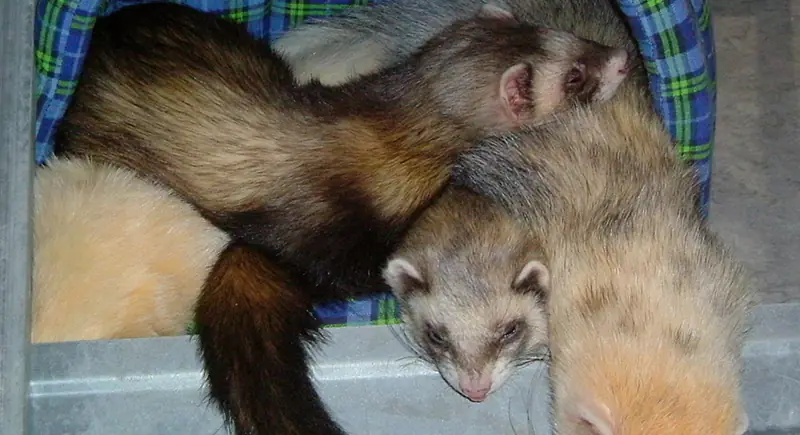
Known for short bursts of play followed by total collapse, ferrets waste away passed out—at least 14 hours each day. They move fast when they want to, but those moments are short-lived. When tired, they stretch out in corners, hammocks, or your laundry basket.
Squirrel
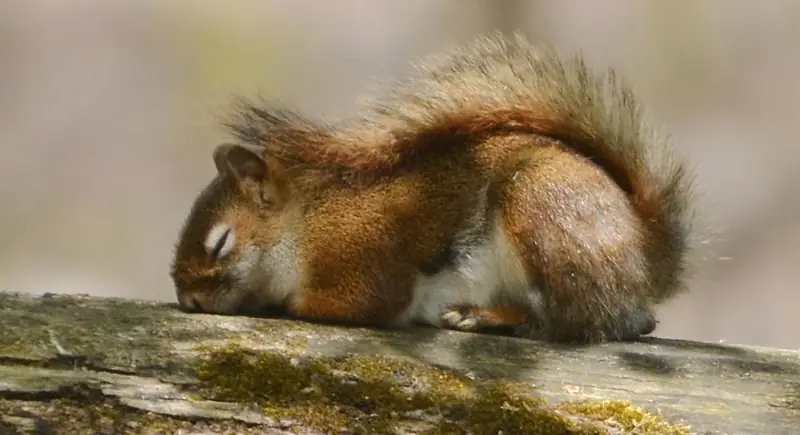
Squirrels love curling up in nests and holes. That’s probably why they can easily sleep up to 16 long hours, especially during colder months. You may see them in the morning or late afternoon, but during midday, they’re usually tucked away and still.
Hamster
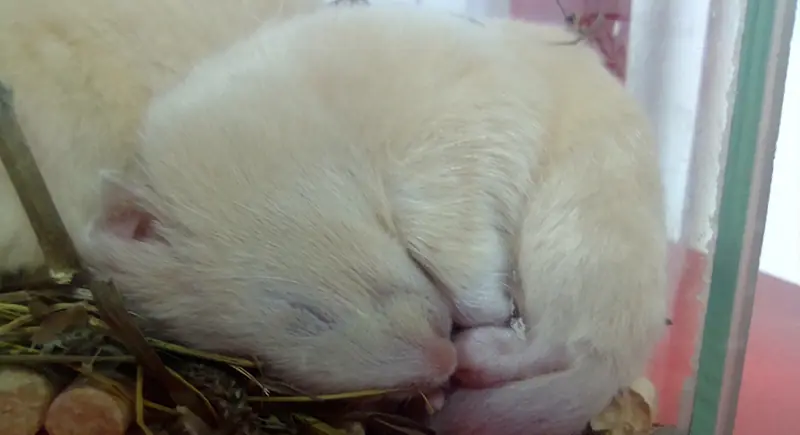
These little animals prefer quiet, and they laze about most of the time. While they’re often active in the evening, they sleep for roughly 12 to 14 hours. Hamsters nap off and on and can sleep during the day or night, depending on their surroundings and routine.
Three-Toed Sloth
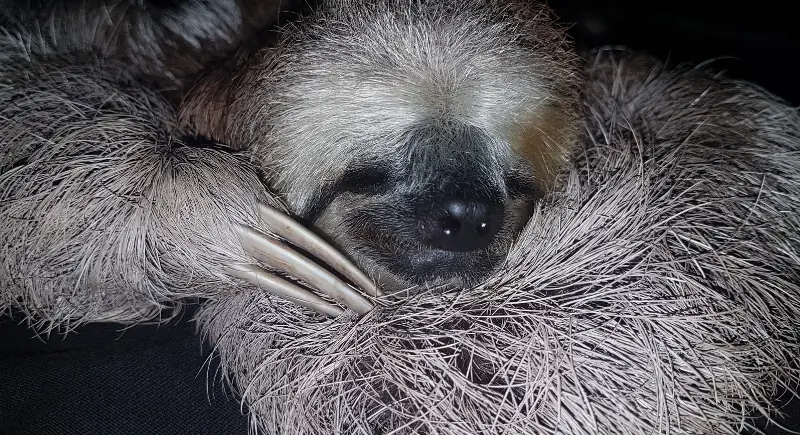
Even slower than their two-toed cousins, three-toed sloths manage to sleep up to 15 hours each day. They’re perfectly built for hanging in trees and doing as little as possible. Movement is rare, and so are bathroom trips—they only go once a week, usually after waking up.
Tree Shrew
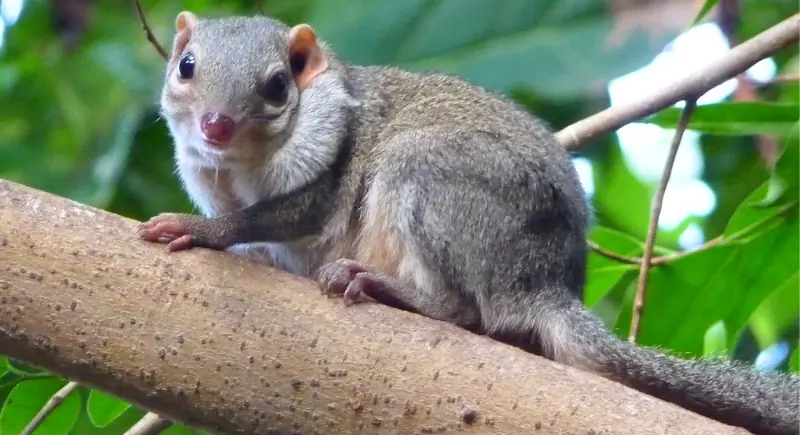
Even though they look like squirrels, tree shrews are more closely related to primates. And just like some of their cousins, they sleep—a lot. These little creatures can drift off to dreamland for 15 full hours. Most of their activity happens during the early hours. After foraging, they retreat to their nests and do very little.
Owl Monkey
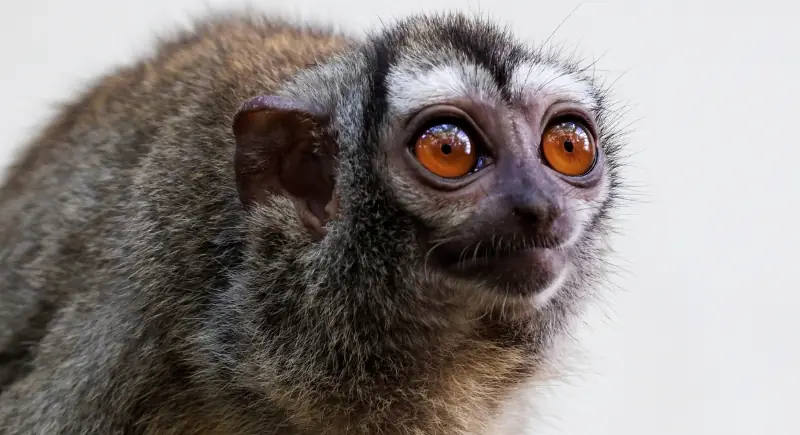
With their large eyes and nighttime habits, owl monkeys are built for the dark. They’re one of the only nocturnal primates and tend to snooze for about 17 hours a day. Most of their waking time is spent moving through trees in search of fruit. After that, they return to sleeping in tree hollows or dense leaves.
Dog
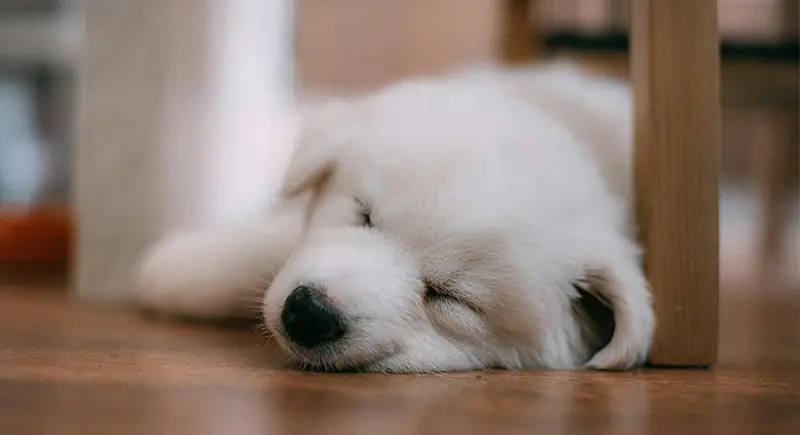
Don’t let the tail wags fool you—dogs sleep way more than we think. Most adult dogs rest 10 to 12 hours daily, and puppies can snooze even longer. They also take naps throughout the day, often flopped in a sunny patch or curled by the door.
Giant Armadillo
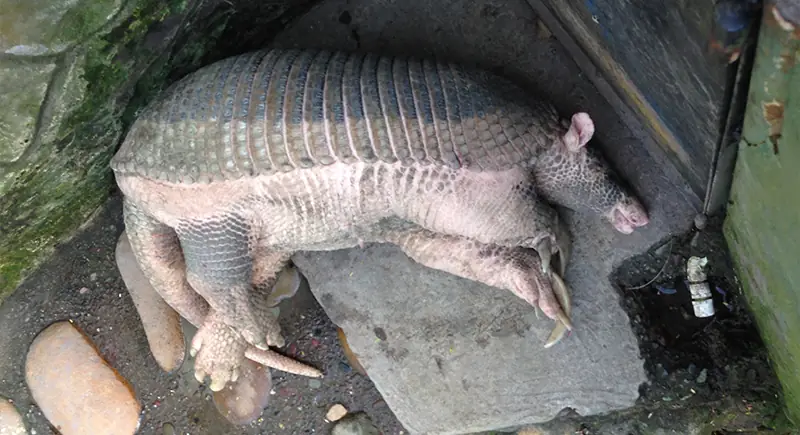
The giant armadillo takes daytime hiding to a whole new level. Native to South America, it spends much of its life underground in deep burrows it digs with massive claws. Researchers estimate that it can sleep or rest up to 18 hours a day. Most activity happens at night, and even then, it moves slowly.
Pig
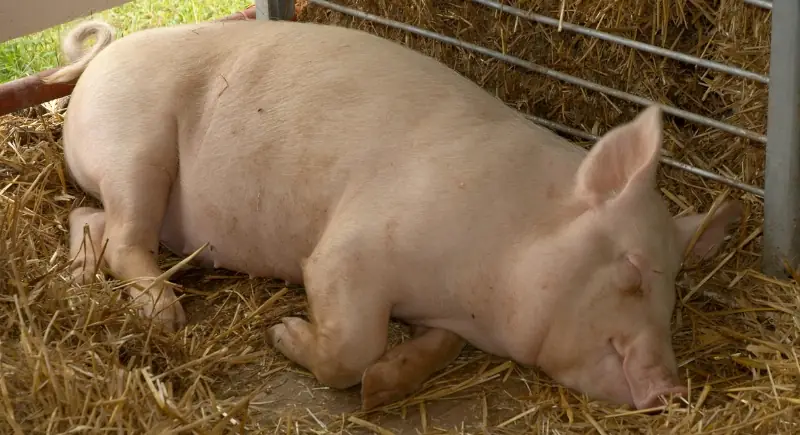
Pigs may look busy rooting around, but they are surprisingly committed sleepers. Domestic pigs can snooze between 7 and 8 hours daily, especially when food and shelter are steady. In the wild, they rest in safe spots during the hottest hours. If conditions allow it, a pig happily stretches nap time.





