
Not every animal needs a pack to get by. Some prefer the solo route. They hunt, travel, and survive all on their own. These self-sufficient creatures adapted to thrive without backup, from dense forests to open oceans. Here are 17 little animals that show independence isn’t just for the big guys.
Raccoon
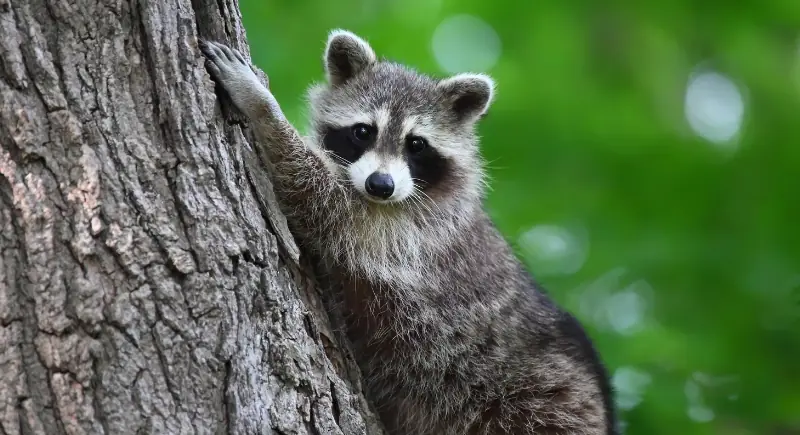
You’ll find raccoons just about anywhere, deep woods, back alleys, or campgrounds, working solo like tiny burglars with bandit masks. They’ve learned to open latches and sneak through tight gaps with their ultra-dexterous paws and a knack for solving problems. They also eat just about anything, which helps them adapt quickly.
Platypus
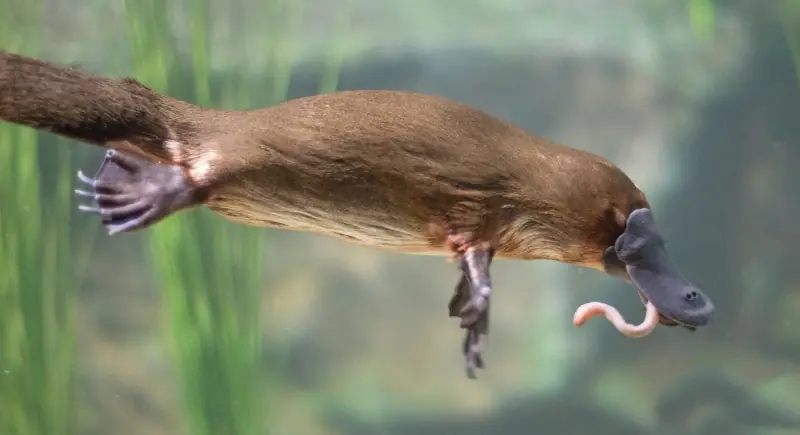
The platypus, native to Australia, uses electroreception to find prey underwater. It doesn’t hang around in groups and prefers to hunt alone at night. Males have venomous spurs on their hind legs, which they use during the breeding season to compete, after which, they disappear into their own watery territory once again.
Mole
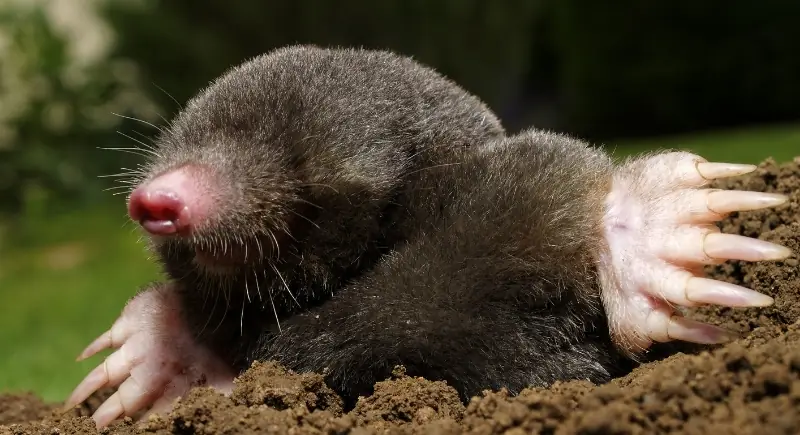
Moles spend their lives building complex tunnel systems underground, only surfacing when necessary. A single mole can move over 10 pounds of soil in one night. They eat grubs and worms by the dozens.
Tasmanian Devil
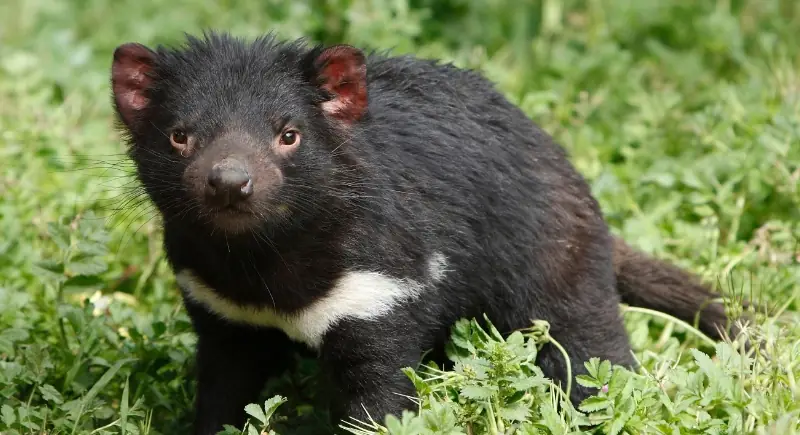
Tasmanian devils are solitary scavengers despite their cartoonish reputation. They roam the forests of Tasmania at night and cover miles on the lookout for carrion or small prey. Scientists believe their aggressive nature may have evolved precisely because they don’t live in groups and have to defend what they find.
Solitary Sandpiper
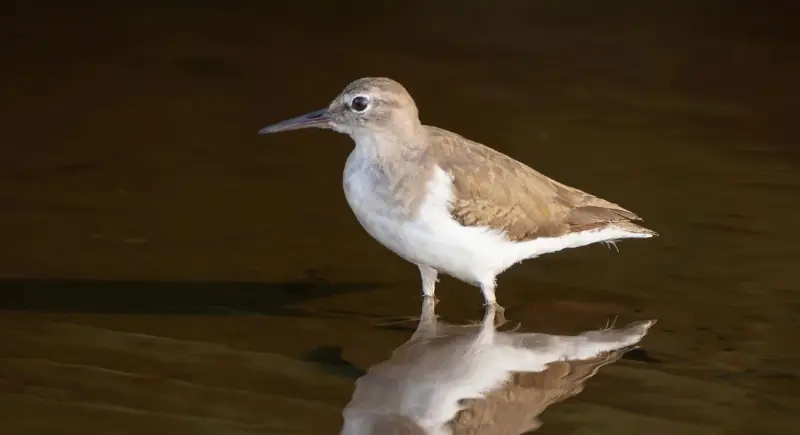
The solitary sandpiper, unlike most shorebirds, lives up to its name. It migrates thousands of miles alone between North and South America. It moves quietly through wetlands with a diet made up of aquatic insects and crustaceans.
Orangutan (Juvenile)
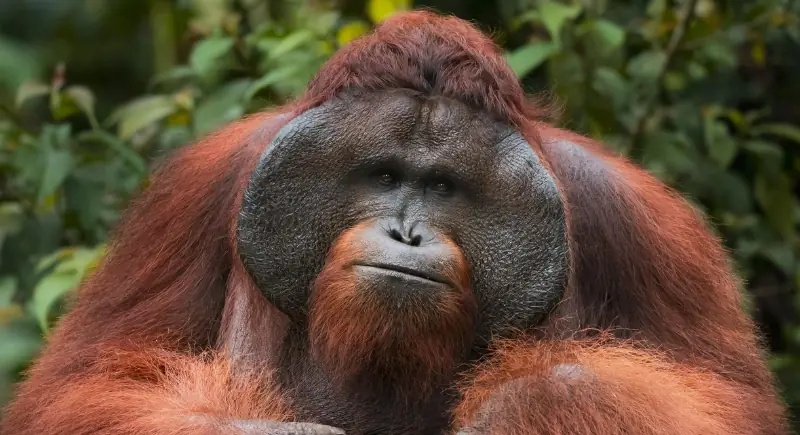
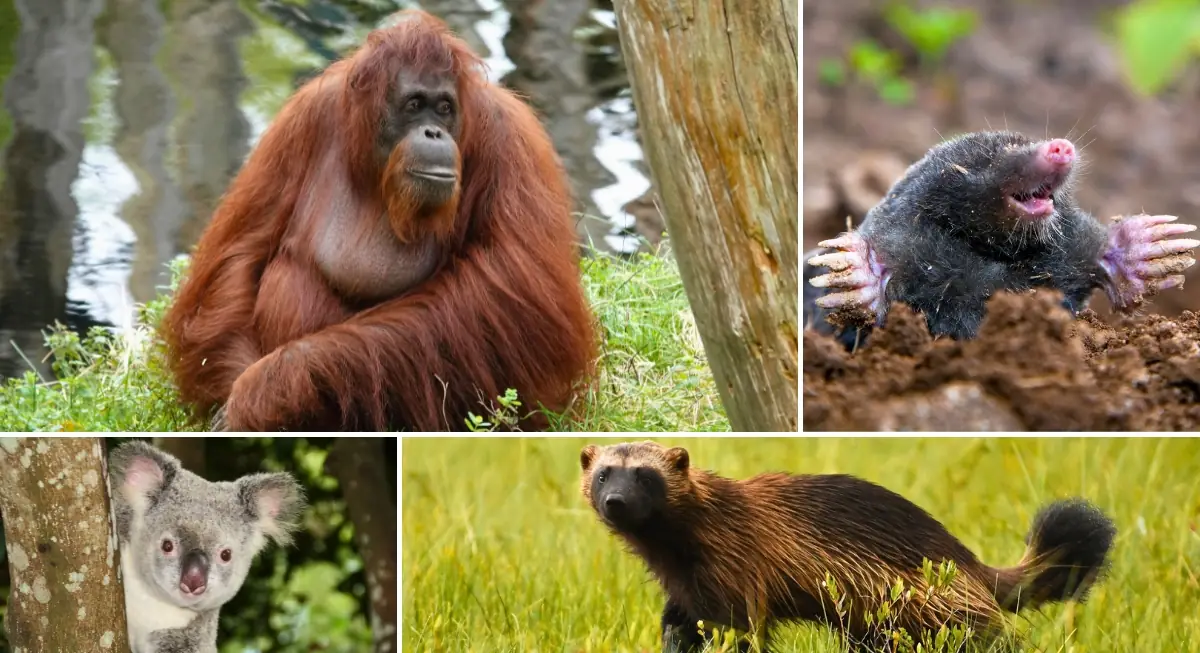
Adult male orangutans are famously solo, but even young ones learn to fend for themselves early. They leave their mothers around the age of eight and start wandering the forest canopy on their own. They memorize thousands of plant species, build new nests nightly, and forage across wide ranges.
Wolverine (Juvenile)
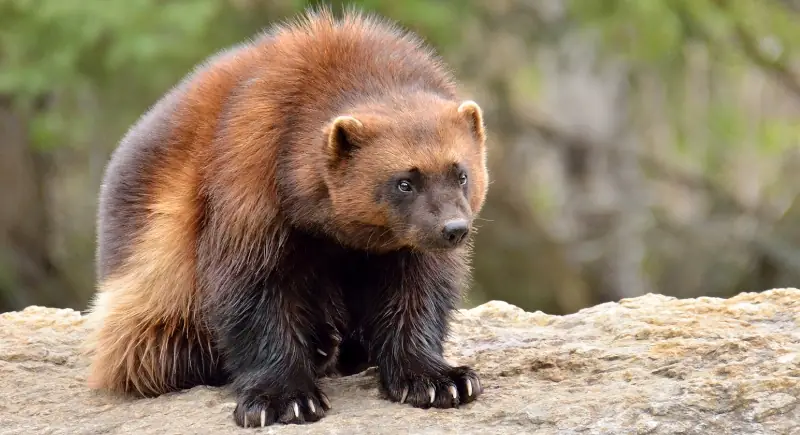
When a young wolverine sets out, it doesn’t wait around for company. These solitary animals cover vast stretches of snowy wilderness by following scents, digging through ice, and traveling impressive distances in a single day. They’re tough, quiet, and perfectly content to muscle through the world alone.
Snowy Owl
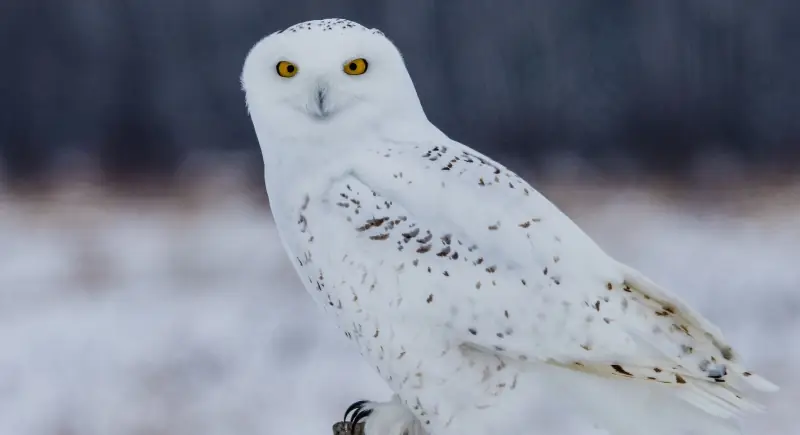
Most snowy owls spend their time perched alone on the frozen tundra and scan for prey under the snow. Even in breeding season, their social interactions are minimal. These birds rely on excellent vision and hearing to locate lemmings, voles, and other small mammals.
Koala
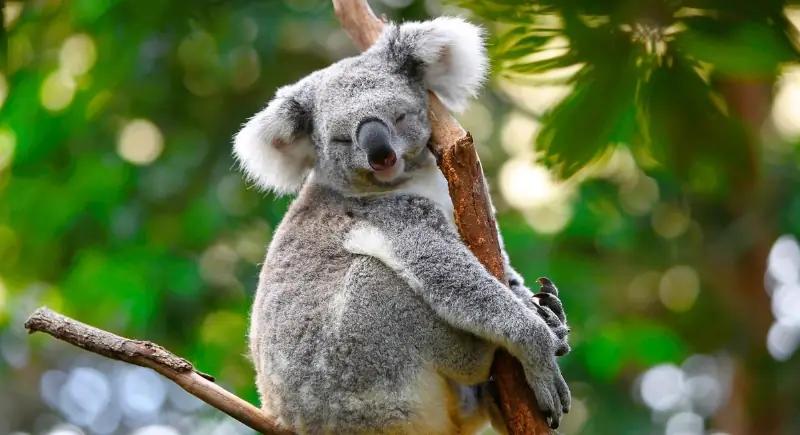
Koalas may look cuddly, but they’re pretty antisocial. Each adult has its home range and doesn’t like visitors, except briefly during mating season. Koalas feed almost exclusively on eucalyptus leaves, which are low in nutrients, so they conserve energy by moving slowly and sleeping up to 20 hours a day.
Eurasian Lynx (Juvenile)
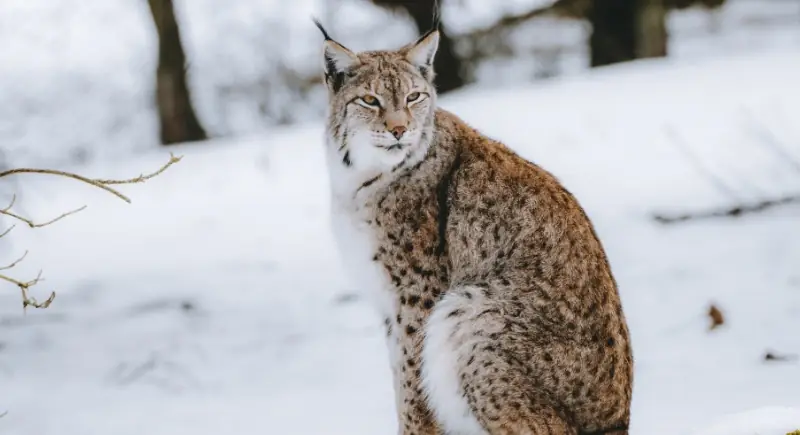
As soon as young Eurasian lynxes are old enough to hunt, they’re out on their own. Their wide paws help them move silently through snowy forests. Despite being one of the largest wild cats in Europe, they avoid confrontation and rarely cross paths with their own kind.
Sloth (Pygmy Three-Toed)
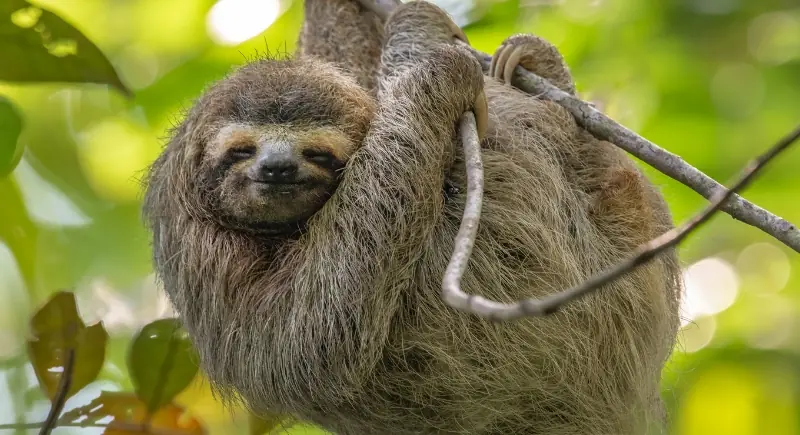
The pygmy three-toed sloth, found only on a tiny island off Panama, is one of the smallest and most endangered sloth species. These sloths eat leaves slowly, digest them even more slowly, and avoid predators by blending in with the algae that grow on their fur.
Snow Leopard (Young Adult)
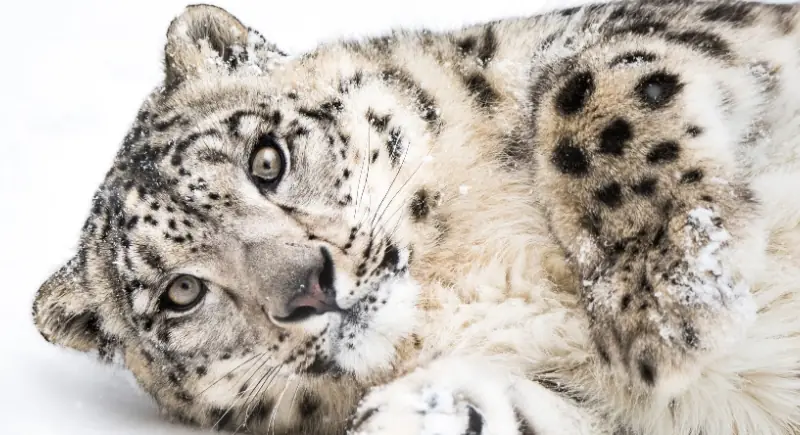
By the time they’re 18 to 22 months old, snow leopards are done with family life. They head off to find their own territory, usually in some of the planet’s most rugged terrain. These cats can leap over 30 feet and hunt ibex or blue sheep three times their size.
Bald Eagle (Juvenile)
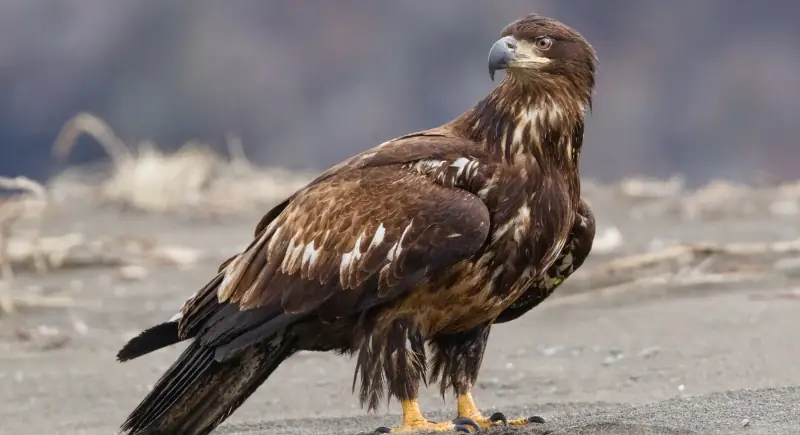
Young bald eagles don’t stay long in the nest. Once they fledge, they wander for years, traveling hundreds of miles in search of hunting grounds. They’ll sometimes share a winter feeding spot with others, but mostly, they prefer quiet skies and wide-open water.
Leopard Gecko
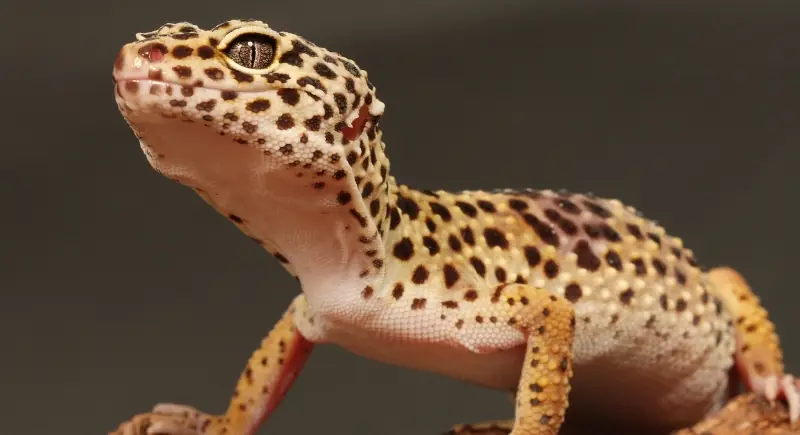
Leopard geckos spend their days hiding under rocks and their nights hunting insects alone. They store fat in their tails for lean times, and they can detach that same tail if threatened. They get food, stay safe, and don’t have to share space with a single other lizard.
Cuttlefish
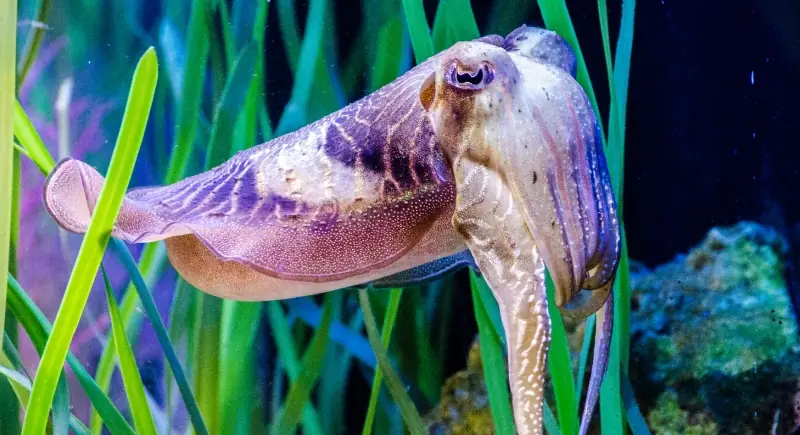
Cuttlefish use their color-shifting skin to blend into surroundings or signal other animals. They hunt on their own by extending their tentacles to grab shrimp and small fish. In some cases, they adjust their appearance on one side to avoid conflict or confusion with nearby rivals.
Aardvark
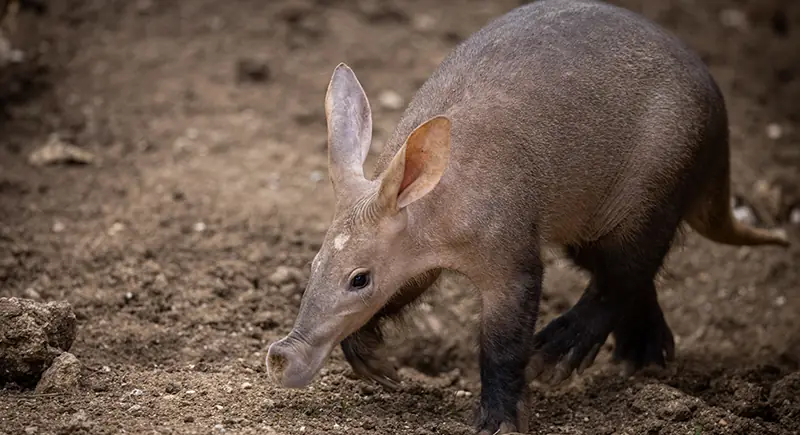
Aardvarks head out after sunset with no herd beside them. One nose follows the scent of termites across the ground until dinner turns up. When daylight returns, the animal slips into a burrow and rests alone. Outside the breeding season, another aardvark is rarely part of the plan.
Wombat
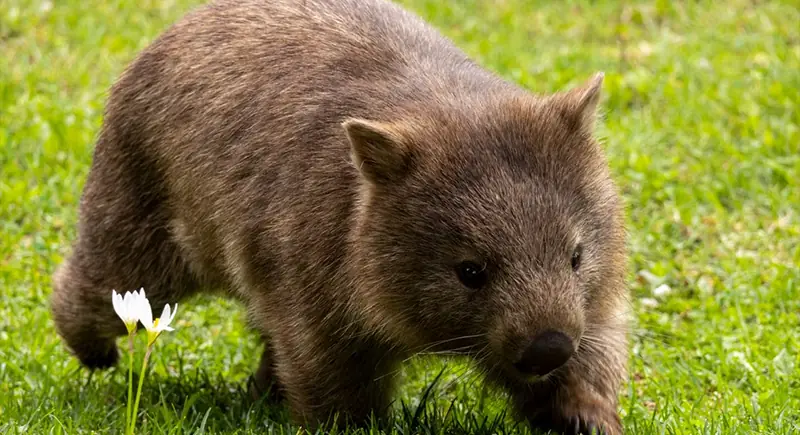
Wombats spend much of life on their own, wandering through woodland and grassland before returning to a burrow they dug with stout claws. Cross paths with another wombat and the meeting may end fast. Most adults claim their own space and stick to it until breeding season arrives.





